How Can STM Servo Molding Presses Improve Efficiency and Precision in Composite Molding?
In recent years, the manufacturing sector has increasingly emphasized efficiency, precision, and sustainability, particularly in the field of non-metallic molding. Among the technologies leading this transformation is the STM servo molding press, a sophisticated solution combining hydraulic precision with advanced servo-driven systems. These presses are integral in meeting the high demands of industries ranging from new energy vehicles to aerospace, urban construction, and specialized military applications. Understanding the unique capabilities, applications, and operational advantages of STM servo molding presses is crucial for manufacturers seeking both innovation and operational excellence.
Overview of STM Servo Molding Press Technology
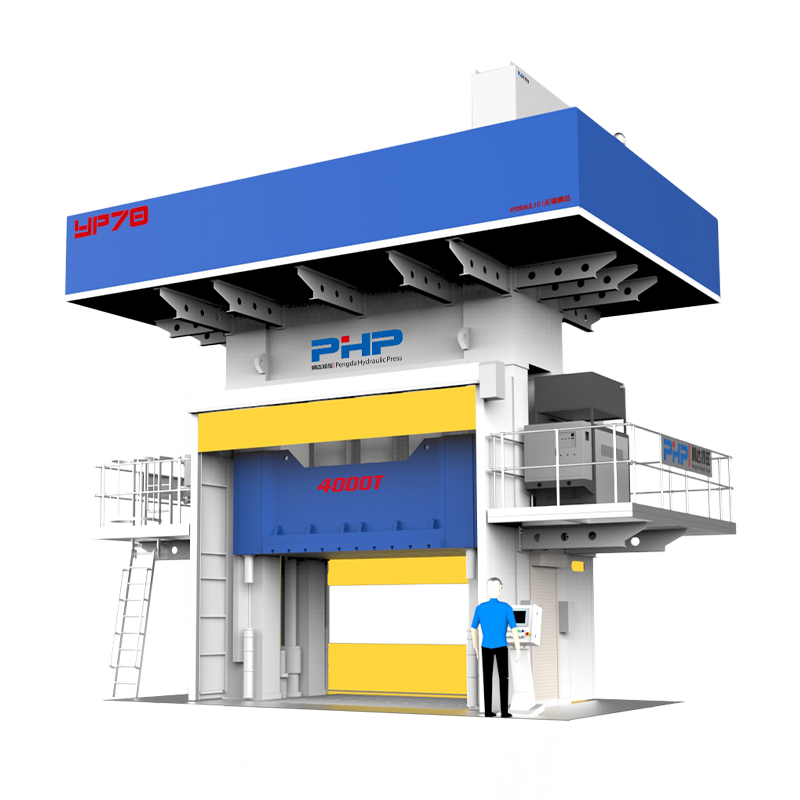
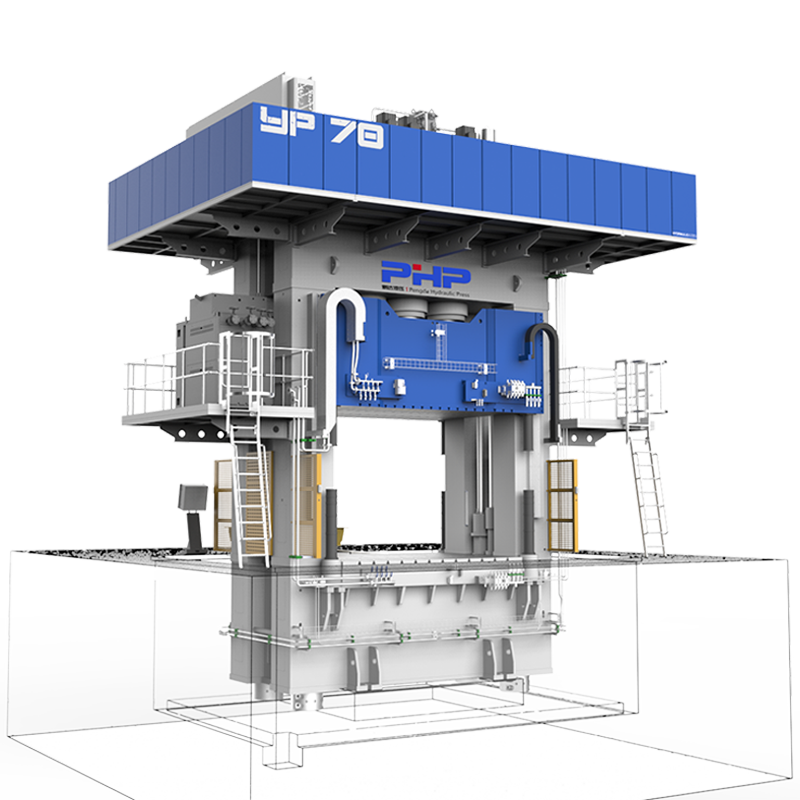
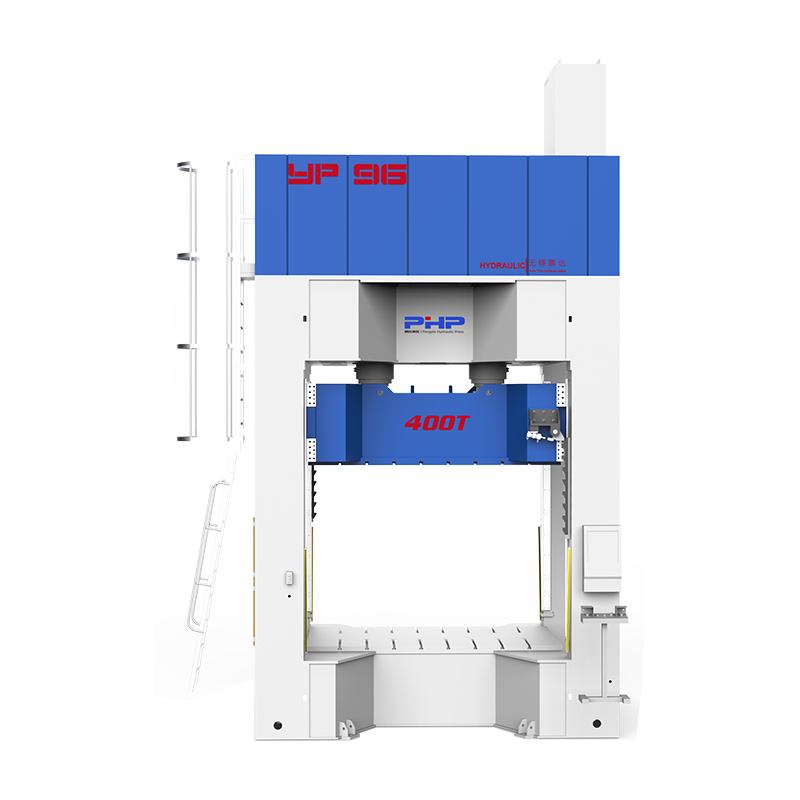
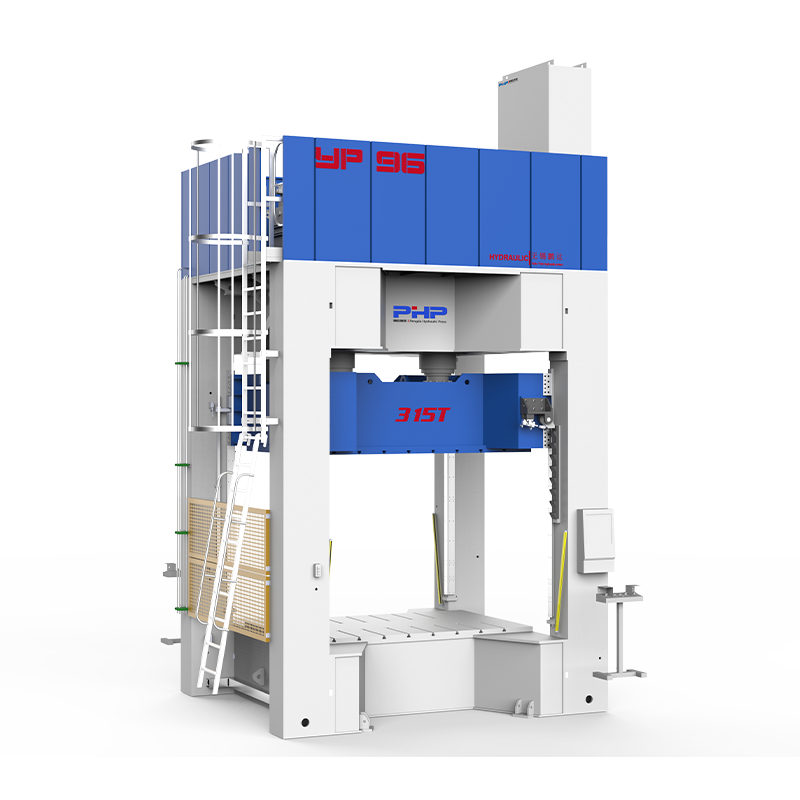
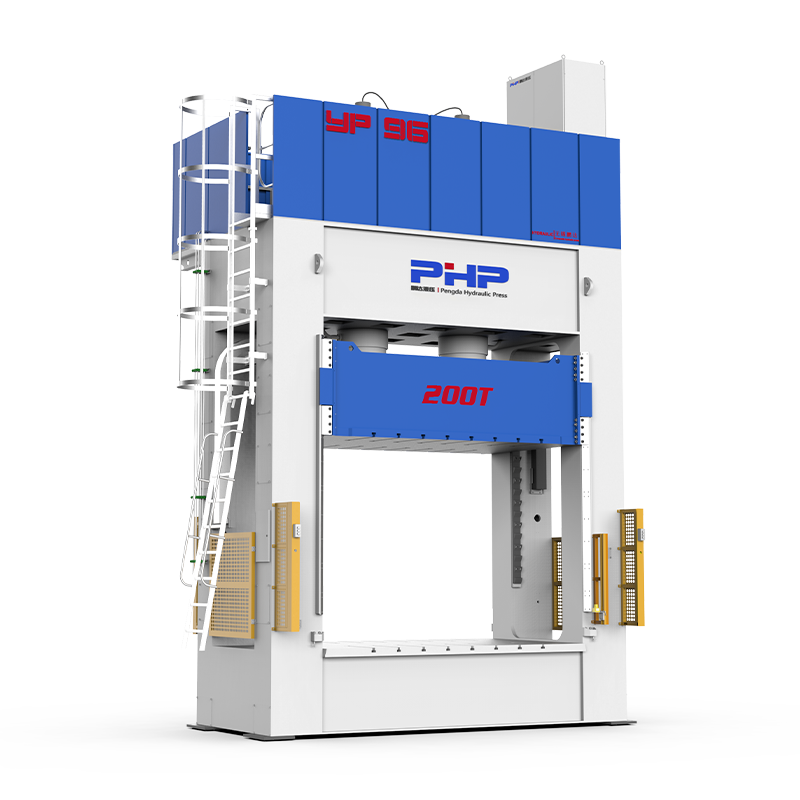
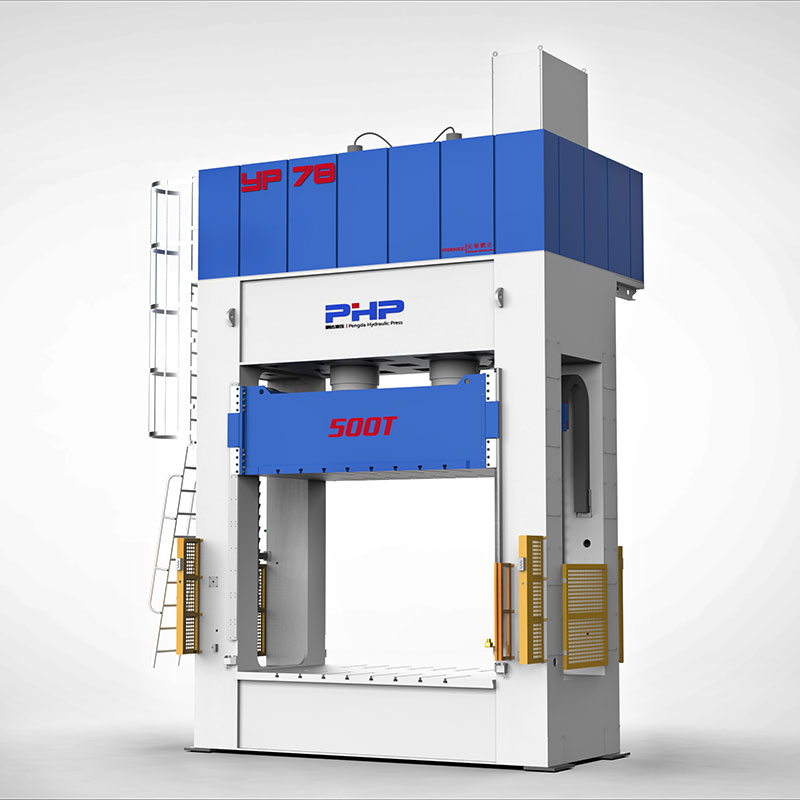
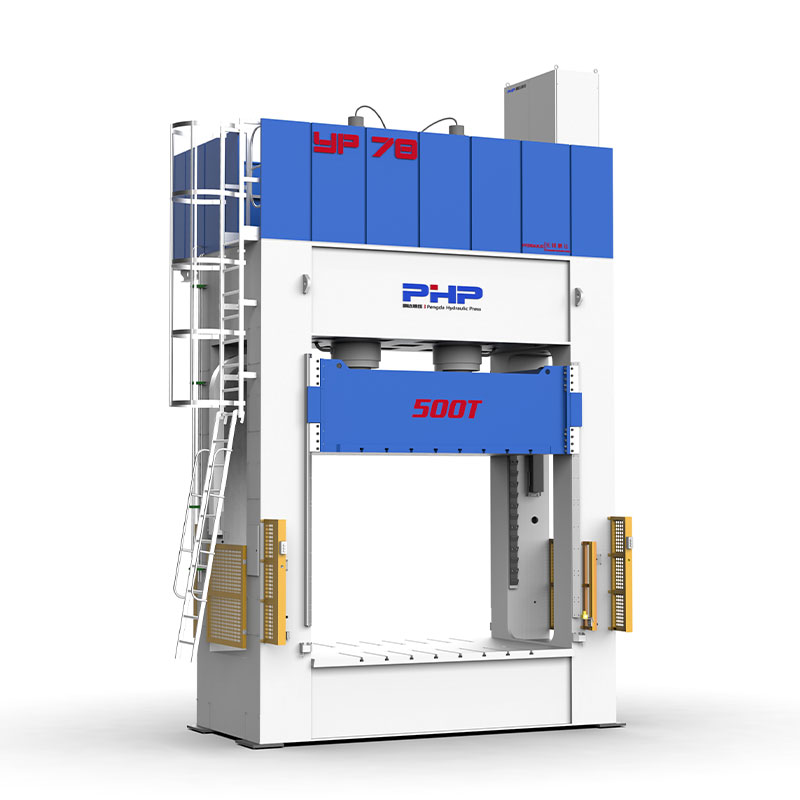
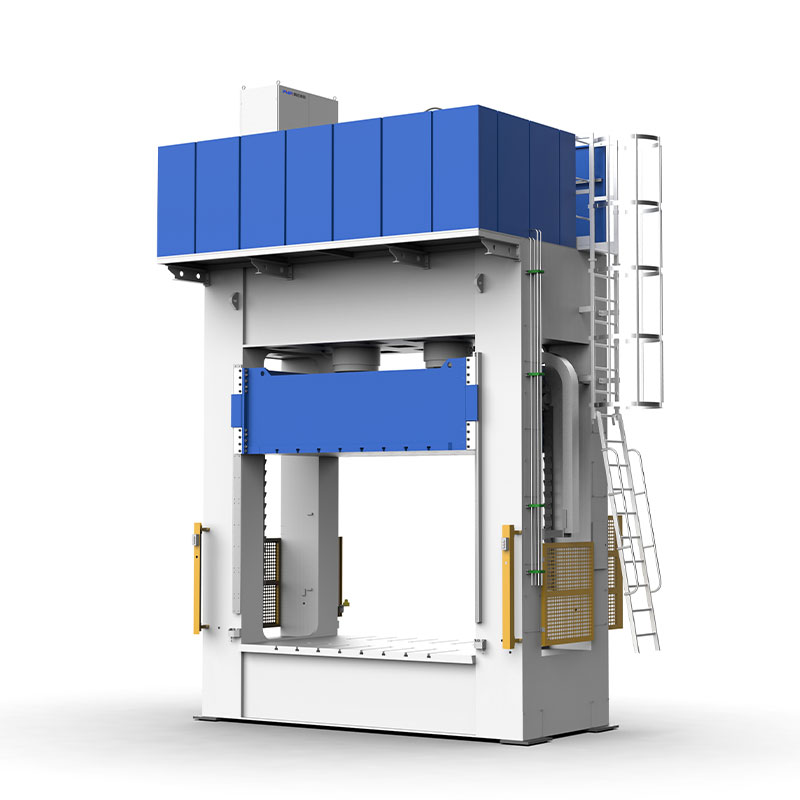
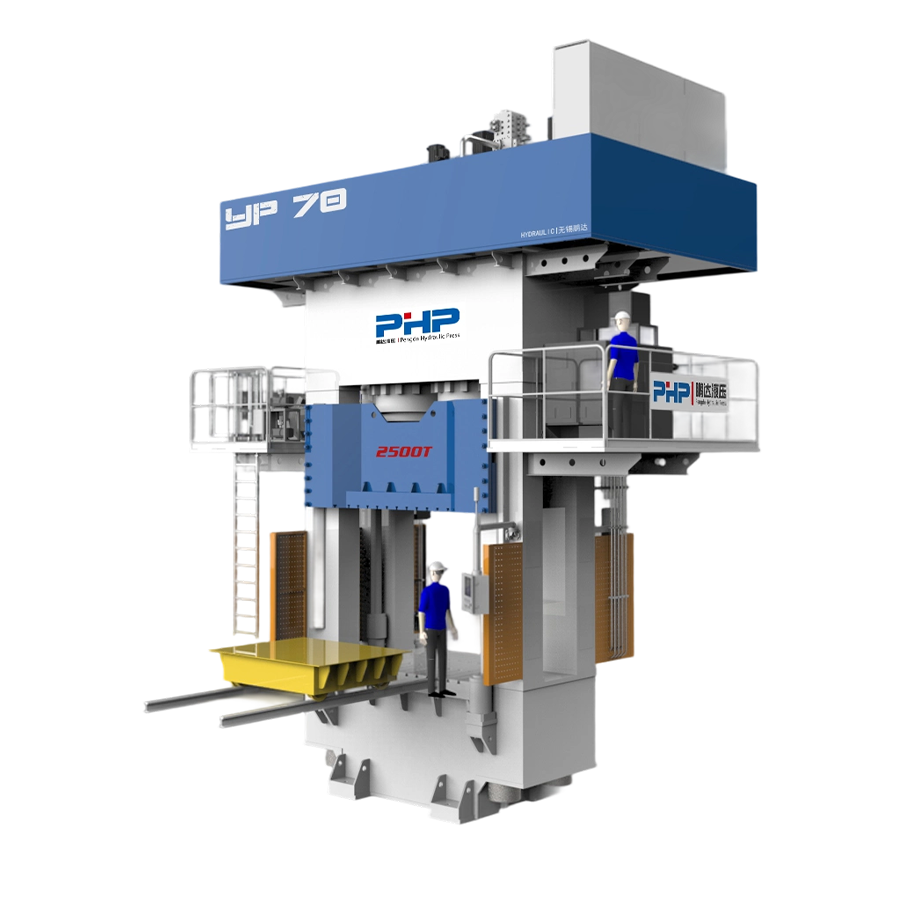
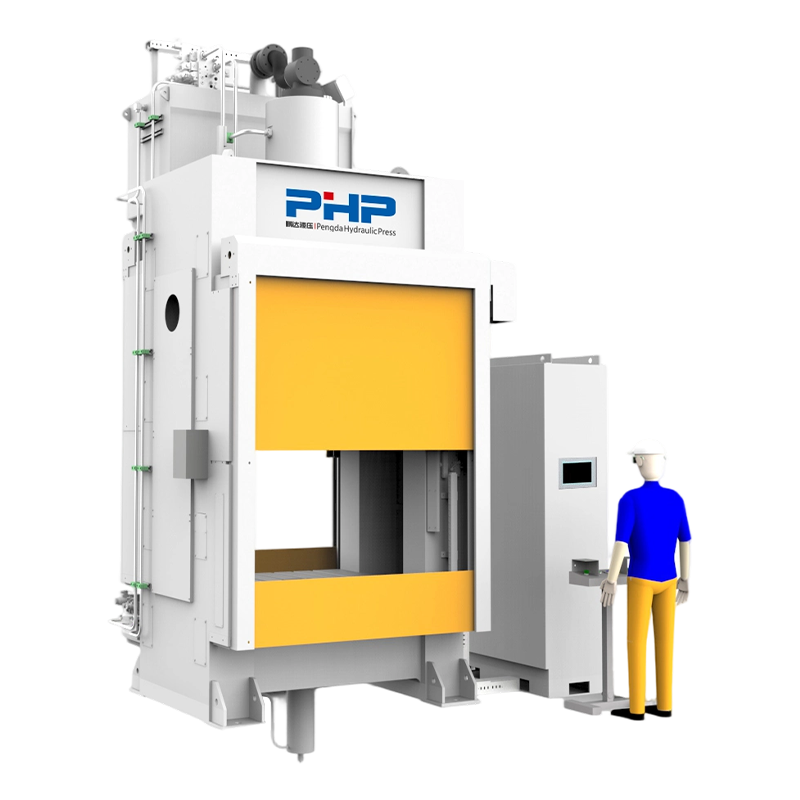
The STM servo molding press represents a convergence of traditional hydraulic press mechanics with advanced servo-driven actuation. Unlike conventional hydraulic presses, which operate with fixed-speed pumps and mechanically constrained movement, servo hydraulic systems provide real-time control over the ram speed, force, and stroke. This allows manufacturers to achieve higher precision, improved energy efficiency, and greater flexibility in production cycles.
Key aspects of STM servo molding presses include:
- Servo-driven energy efficiency: By integrating servo motors with hydraulic systems, these presses significantly reduce energy consumption, particularly in idle cycles and variable-load operations.
- Precision and repeatability: The servo control system ensures consistent molding pressure and stroke, which is critical for producing high-quality components with minimal dimensional deviations.
- Versatility in material processing: These presses accommodate a wide array of non-metallic materials, including SMC (Sheet Molding Compound), LFT-D (Long Fiber Thermoplastics-D), GMT (Glass Mat Thermoplastics), HP-RTM (High-Pressure Resin Transfer Molding), and high-temperature carbon fiber composites.
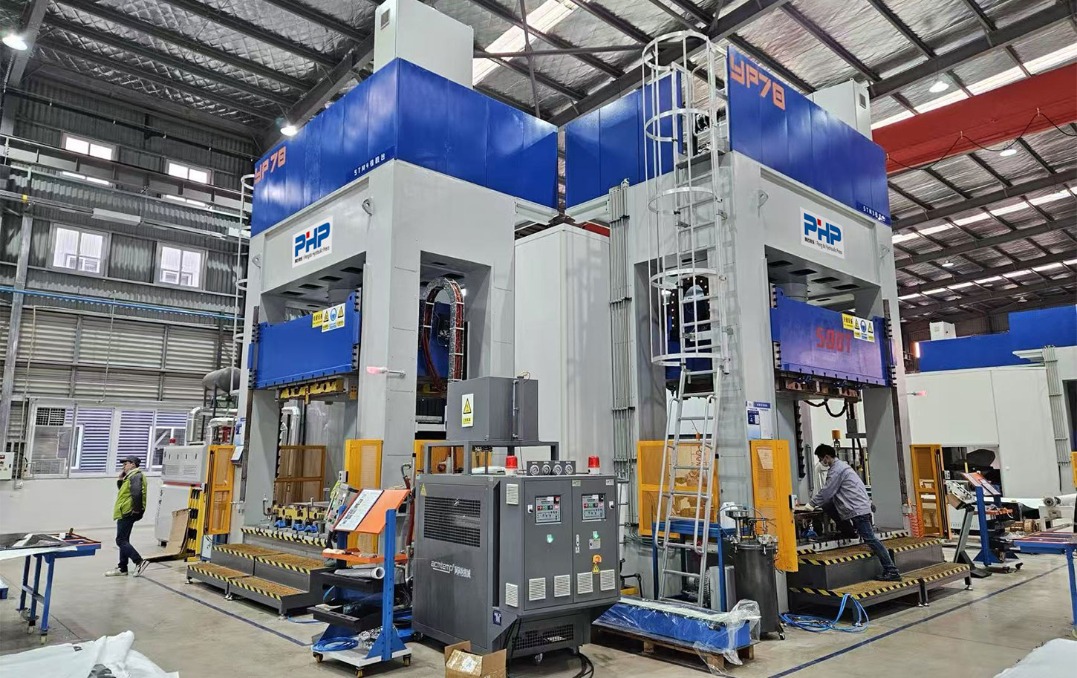
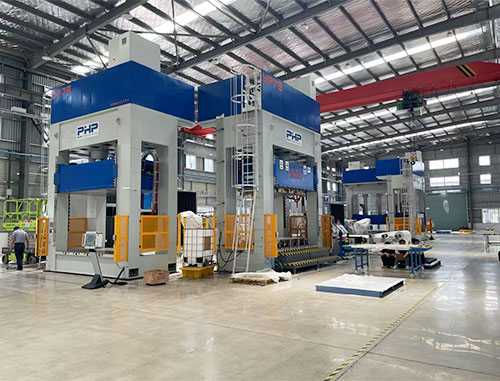
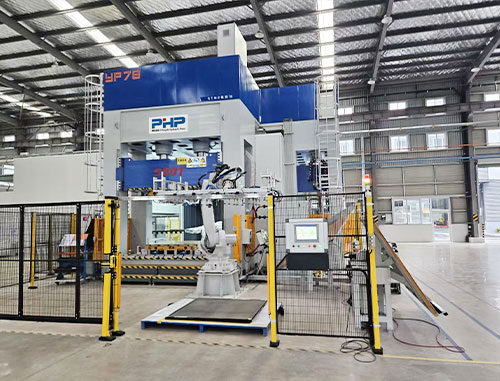
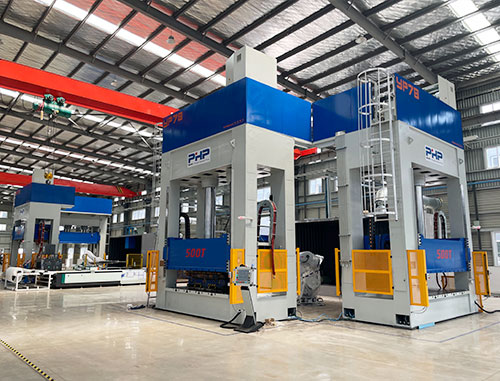
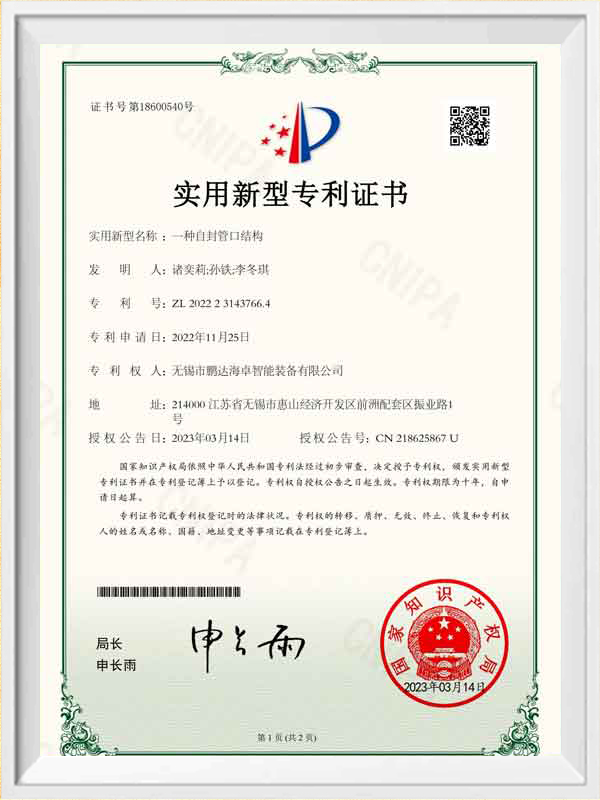
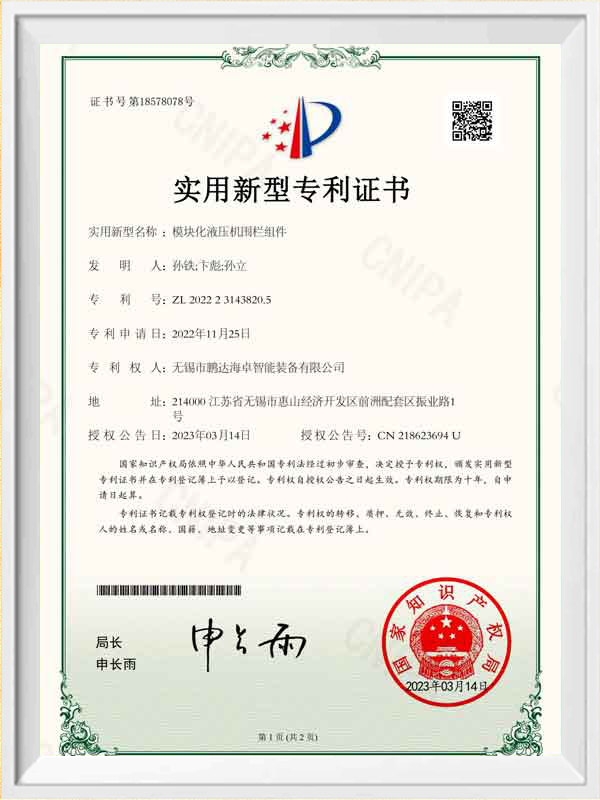
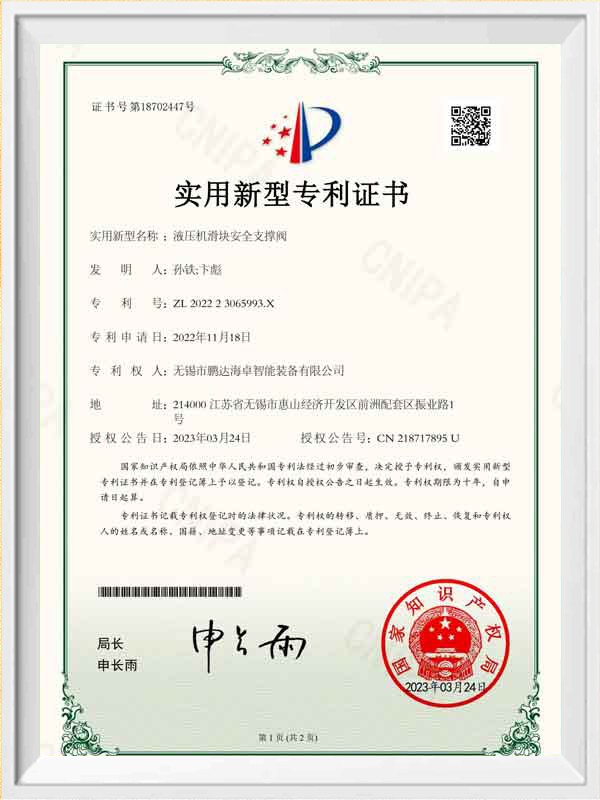
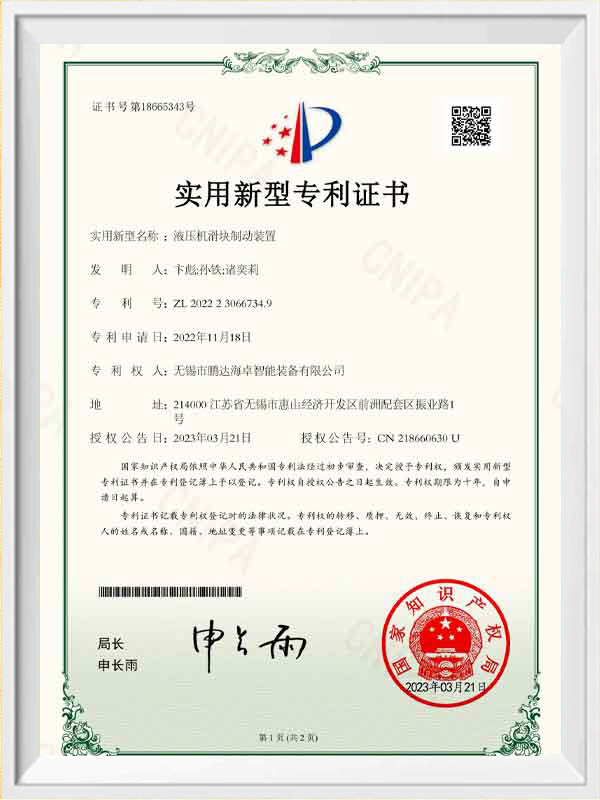
Wuxi PengdaHZ Intelligent Equipment Co., Ltd., through its brand PHP (Pengda Hydraulic Press), has been at the forefront of integrating these advanced systems into fully automated production lines, serving both domestic and international markets with tailored solutions.
Applications Across Industries
The application of STM servo molding presses is broad and strategically significant. They are particularly prominent in:
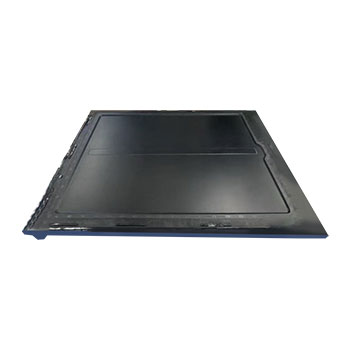
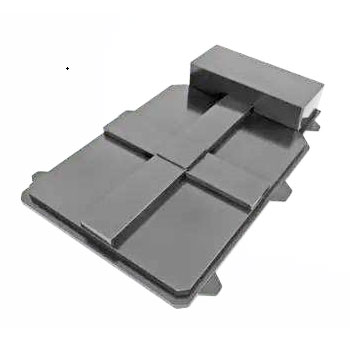
- New Energy Vehicles (NEVs): Lightweight composite components, such as battery housings and structural panels, require precise molding under controlled pressure and temperature. STM servo presses enable high-volume production while maintaining structural integrity.
- Aerospace and Aviation: High-temperature carbon fiber and composite components, critical for aerospace applications, benefit from the precise control of servo hydraulic systems, ensuring dimensional stability and material performance.
- Rail Transit and Urban Construction: Structural non-metallic components, including panels and interior fixtures, are efficiently molded with these presses, optimizing both cycle time and quality.
- Automotive Interior Parts: PHP’s servo interior parts hydraulic presses are specialized for automotive processes such as molding, compounding, punching, and heating. Applications include overhead liners, carpets, luggage compartments, seats, soundproof components, and wheelhouses.
By offering tailored solutions for these sectors, servo molding presses allow manufacturers to meet increasingly strict industry standards while remaining cost-competitive.
Core Advantages of STM Servo Molding Presses
The operational benefits of STM servo molding presses extend beyond basic energy savings. Key advantages include:
- Energy-saving servo system: The integration of servo motors reduces unnecessary hydraulic pump energy usage. PHP emphasizes energy-efficient designs that support sustainable manufacturing practices.
- Operational stability and lean production: Continuous monitoring and precise control reduce variations in molding processes, ensuring consistent quality even under high-volume production scenarios.
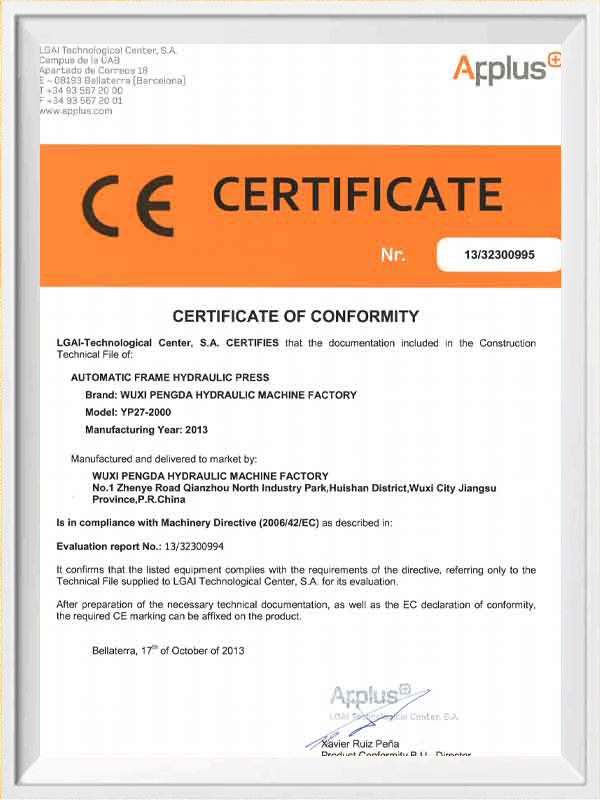
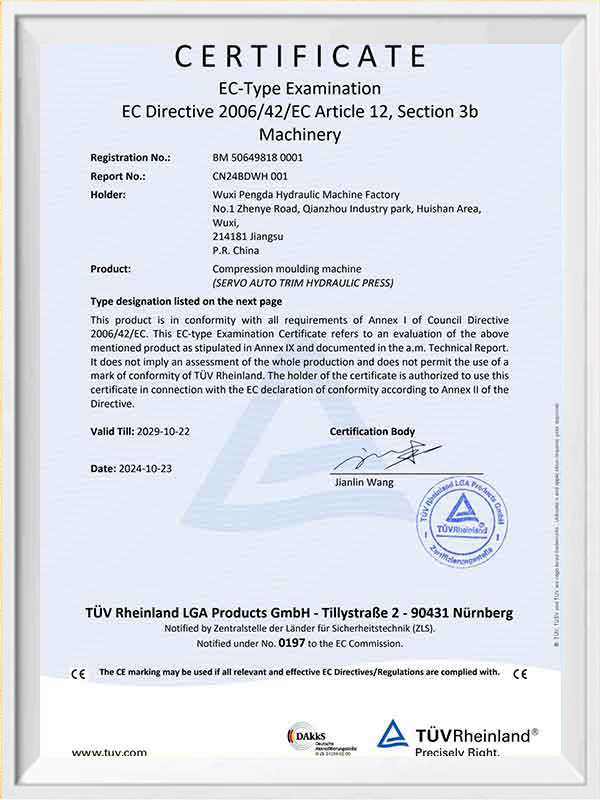
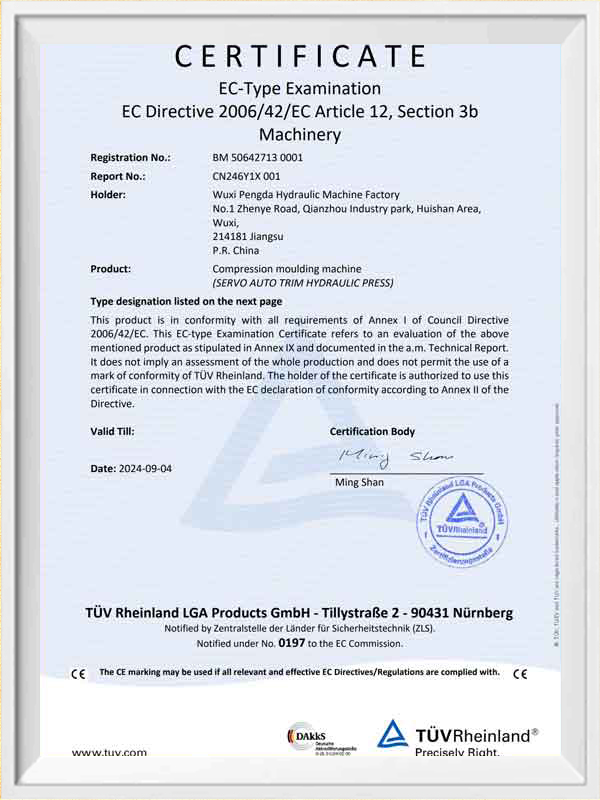
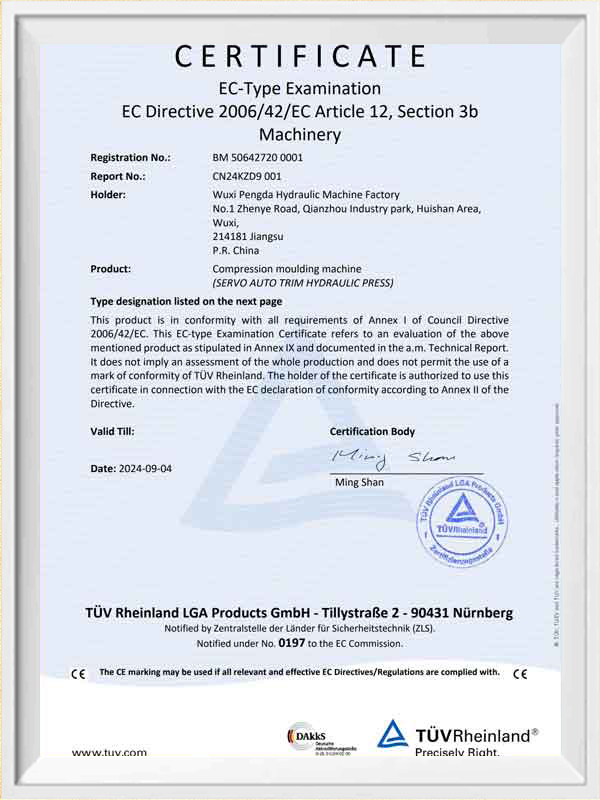
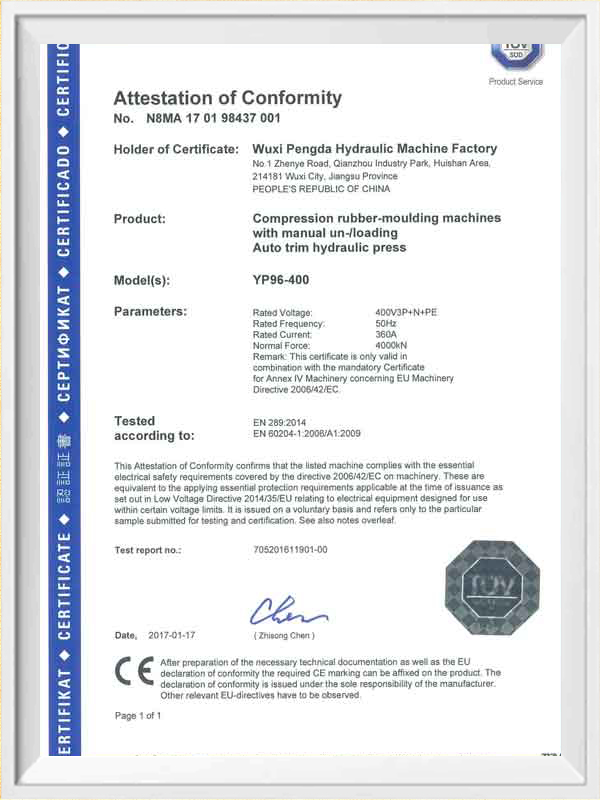
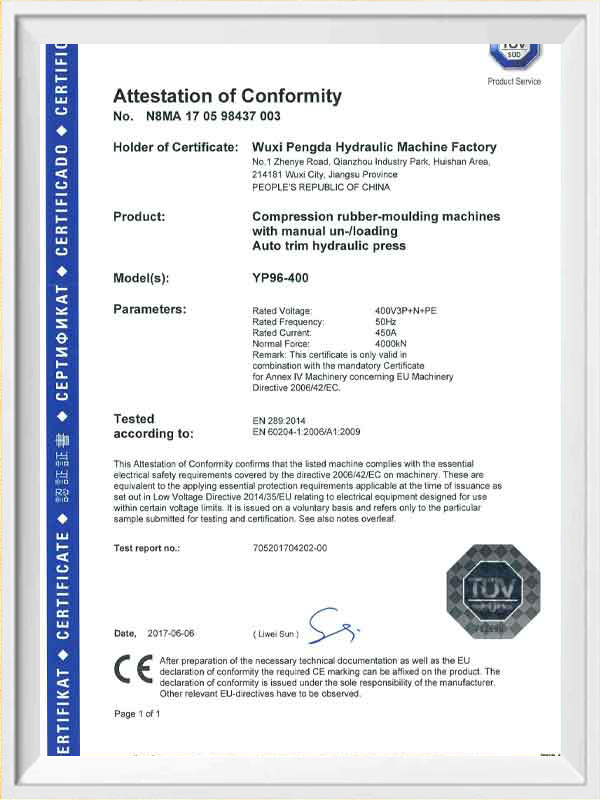
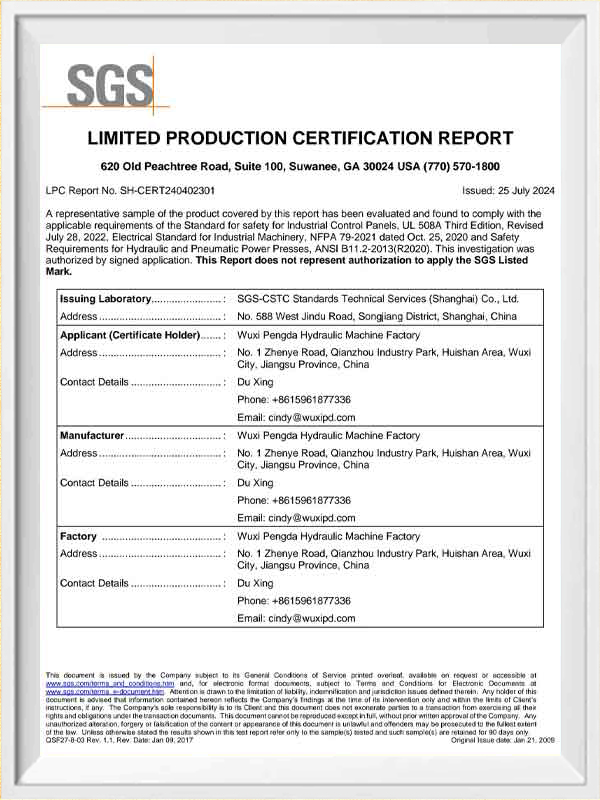
- Safety and compliance: These presses are engineered to meet European safety standards, incorporating multiple redundant systems to prevent accidents and ensure operator safety.
- Space optimization: Compact design and modular configurations allow manufacturers to save plant floor space while integrating fully automated production lines.
- Smart manufacturing: Servo hydraulic systems enable real-time diagnostics, predictive maintenance, and adaptive process control, enhancing overall plant intelligence.
Design Features Enhancing Efficiency and Quality
- Servo-Integrated Hydraulic Drive: Unlike fixed hydraulic systems, servo drives offer variable flow and pressure control, allowing precise adaptation to each molding stage.
- Closed-Loop Feedback Systems: Real-time monitoring of ram position, pressure, and speed ensures each cycle is optimized for repeatability and quality.
- Modular Tooling Compatibility: STM servo presses support diverse tooling setups, enabling manufacturers to quickly switch between different product lines without extensive downtime.
- High-Temperature Material Handling: Specialized designs accommodate high-temperature composites used in aerospace and automotive applications, ensuring uniform curing and minimizing defects.
- Automated Safety Mechanisms: Light curtains, pressure sensors, and emergency stops are integrated to meet modern workplace safety regulations.
Integration with Advanced Manufacturing Strategies
Modern manufacturing emphasizes not only the quality of the final product but also the sustainability and efficiency of the production process. STM servo molding presses align with these principles through:
- Lean Manufacturing: By maintaining consistent cycle times and minimizing scrap, these presses contribute to lean production strategies.
- Energy Management: Real-time energy monitoring allows manufacturers to track consumption per cycle, supporting sustainable manufacturing initiatives.
- Digital Connectivity: Many STM servo presses are equipped with IoT-compatible controls, allowing centralized monitoring, process optimization, and predictive maintenance.
- Automation Readiness: These presses can be seamlessly integrated with robotic loading/unloading systems, conveyors, and quality inspection units, creating fully automated production lines.
Wuxi PengdaHZ Intelligent Equipment Co., Ltd. leverages these capabilities in its production lines, offering fully integrated solutions that combine STM servo molding press technology with automated logistics and process control.
Addressing Industry Challenges
The increasing complexity of non-metallic components, coupled with higher production volume requirements, has historically posed challenges such as:
- Material inconsistencies leading to product defects
- High energy consumption and operational costs
- Long cycle times limiting production throughput
- Safety concerns in high-pressure operations
By employing STM servo molding presses, manufacturers can mitigate these issues. Servo-driven hydraulic systems ensure precise control, reduced energy waste, and enhanced operator safety, addressing key pain points across industries.
Conclusion
In conclusion, the servo molding press exemplifies the next generation of hydraulic press technology, merging precision, efficiency, and safety into a single platform. For industries requiring high-quality non-metallic components—from automotive interiors to aerospace composites—these presses provide a sustainable, reliable, and technologically advanced solution.

 English
 中文简体
中文简体 Español
 Português
 Deutsch
 русский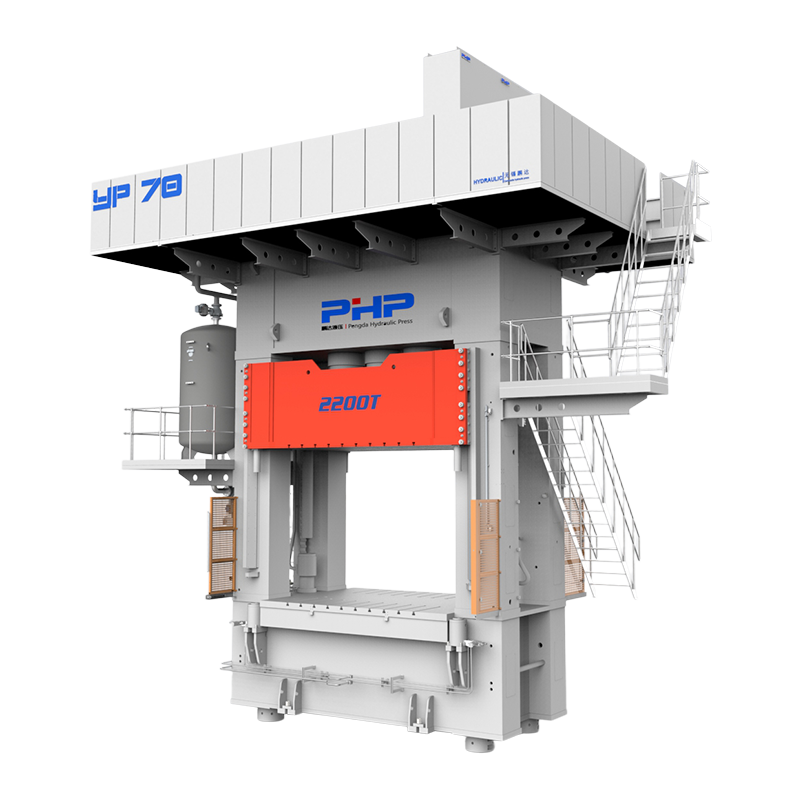



 2026/09/11


