How to Choose the Right Overhead Hydraulic Press for Your Production Line
Choosing the right overhead hydraulic press is crucial for optimizing production efficiency, ensuring product quality, and reducing maintenance costs. Consider factors such as:
- Press Capacity: Match the press force to your material type and production requirements.
- Frame Type: Ensure the overhead structure fits your workspace and provides stability.
- Automation Level: Decide between manual, semi-automatic, or fully automated systems based on production volume.
- Safety Features: Look for presses with emergency stops, safety guards, and overload protection.
- Energy Efficiency: Modern hydraulic systems can reduce power consumption and operational costs.
Evaluating these factors carefully will help you select an overhead hydraulic press that meets your production needs and ensures long-term reliability.
Comparing Overhead Hydraulic Presses with Traditional Hydraulic Press Systems
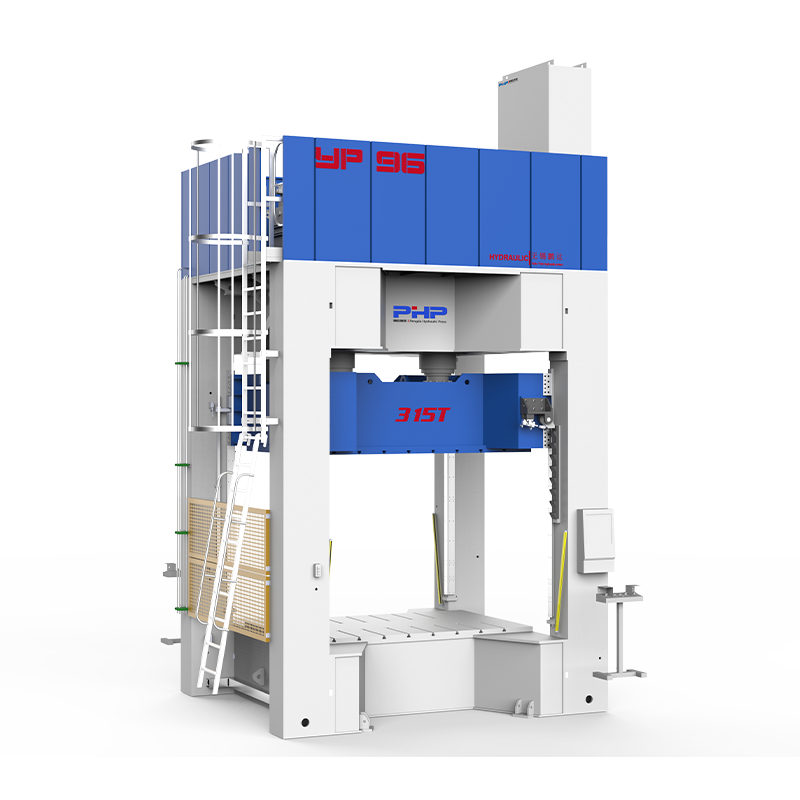
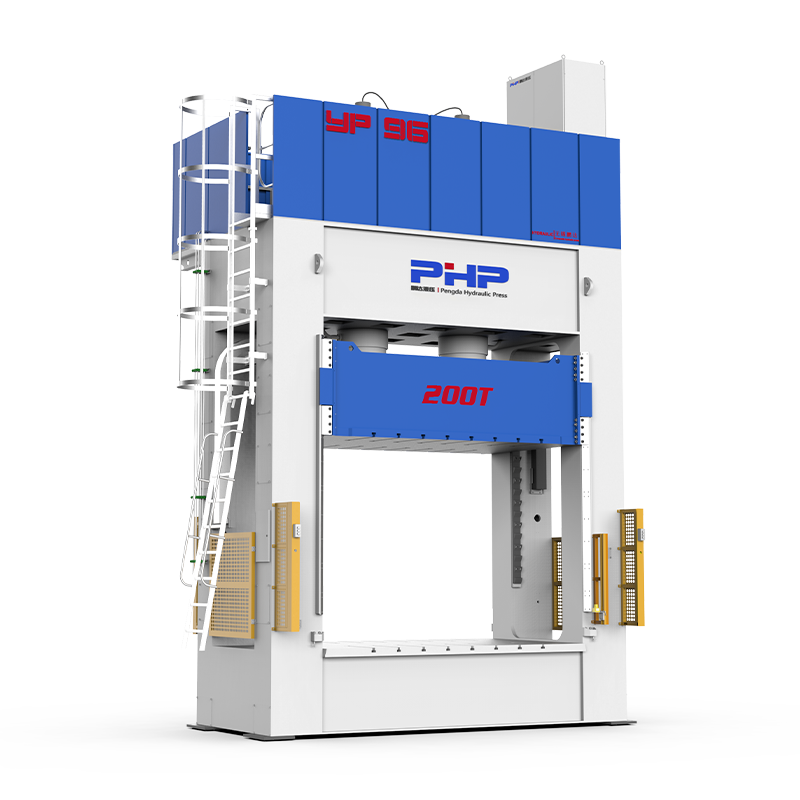
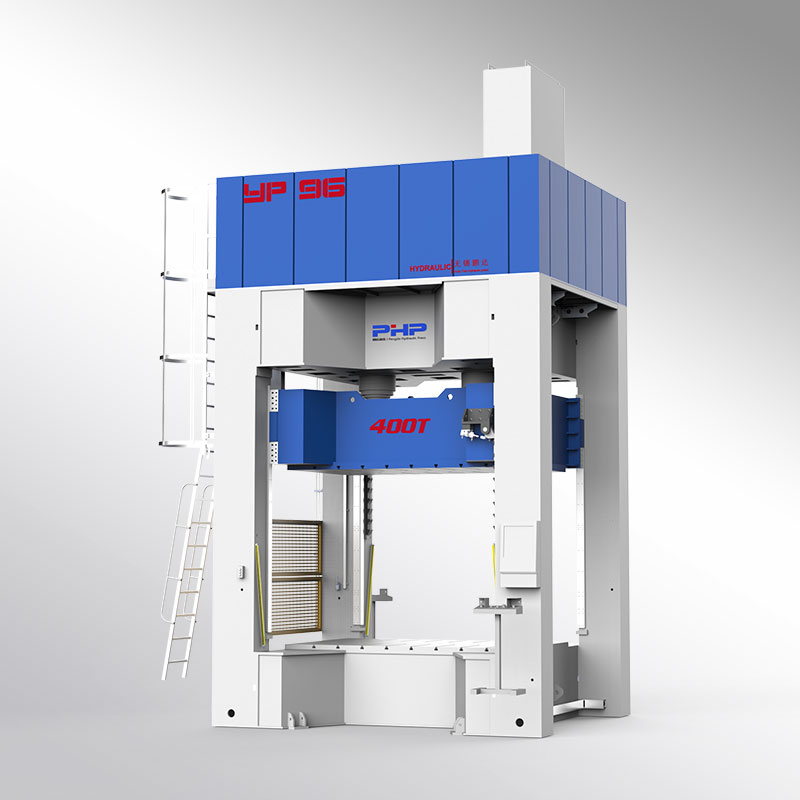
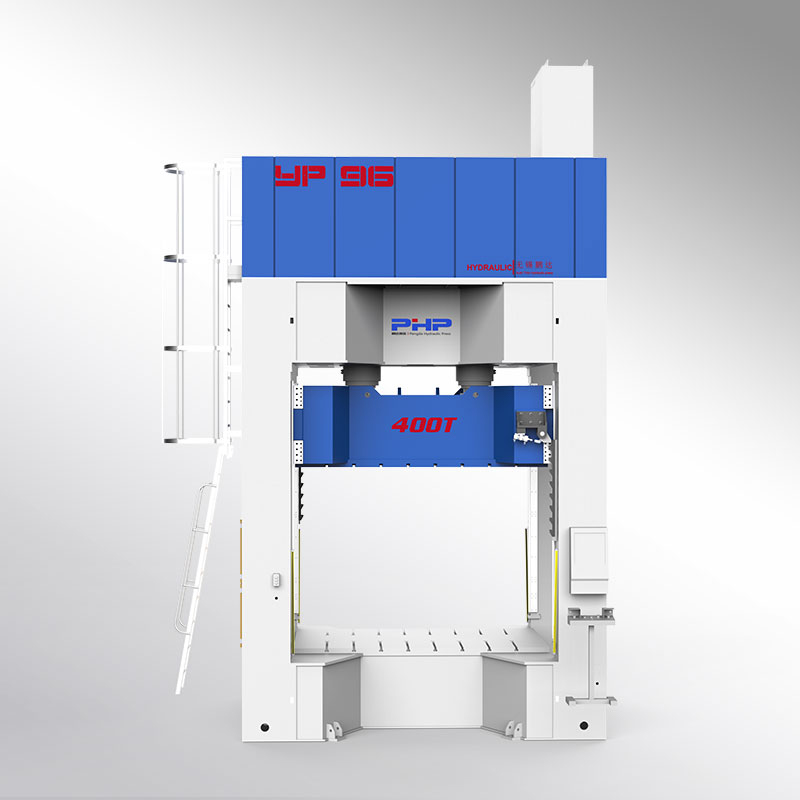
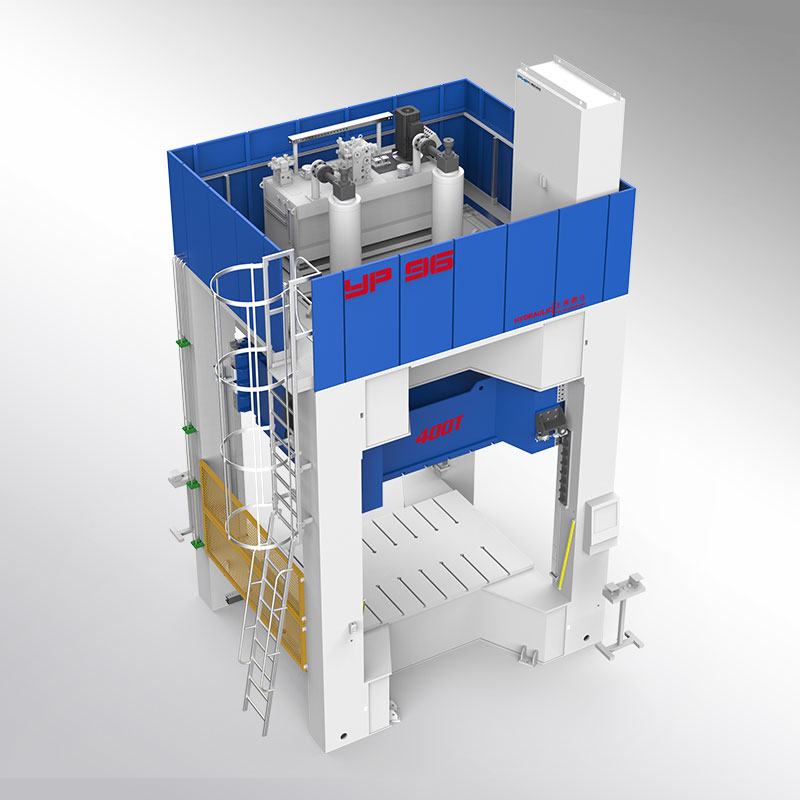
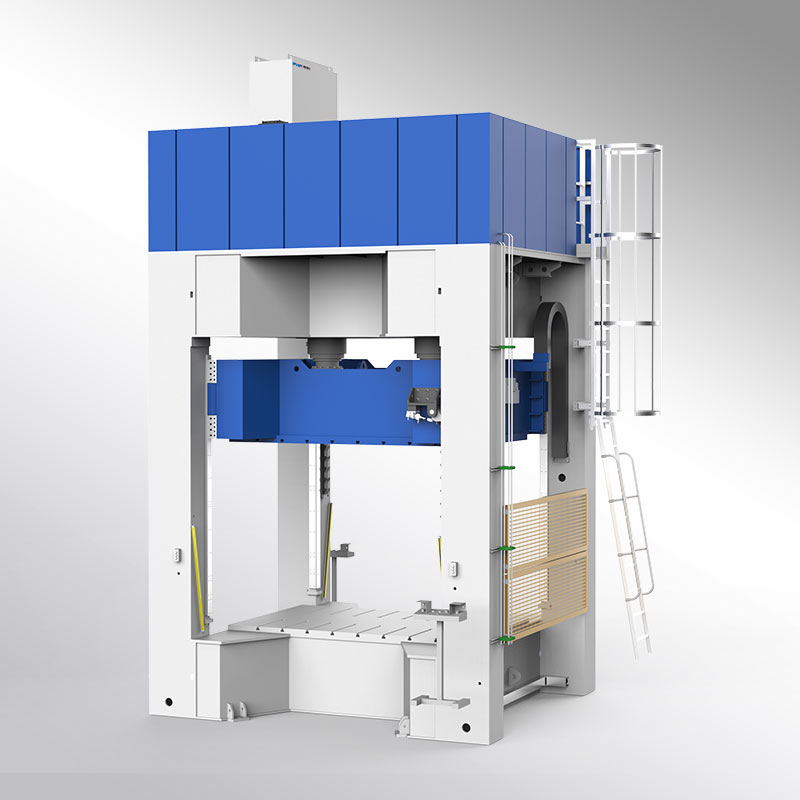
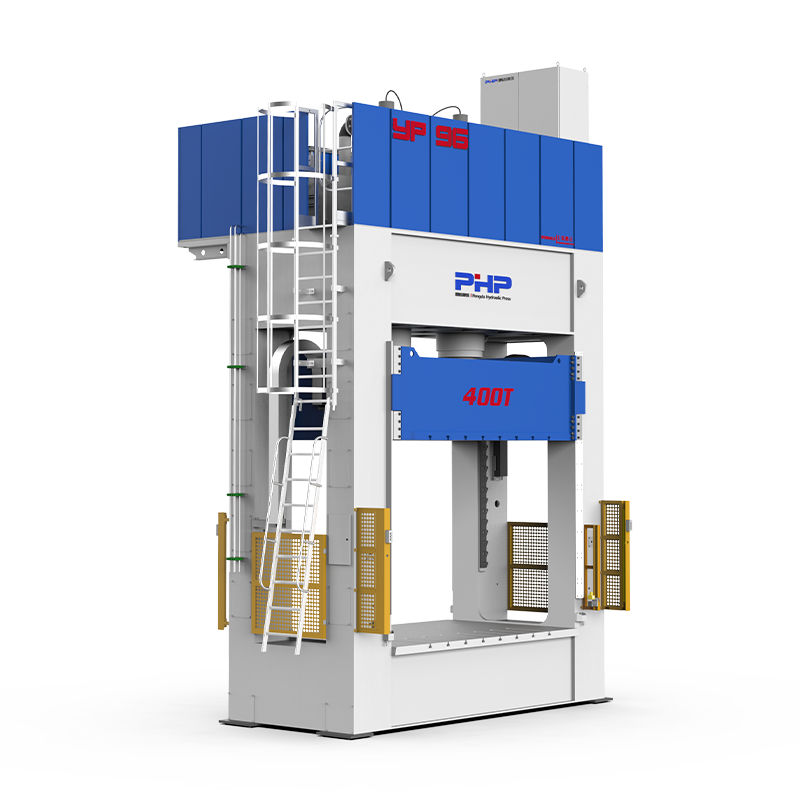
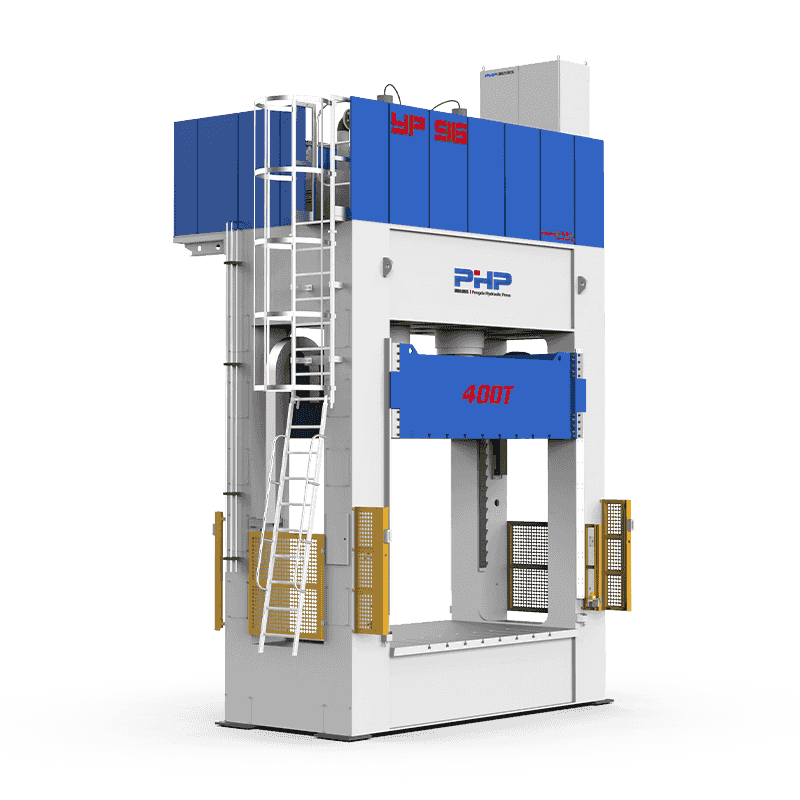
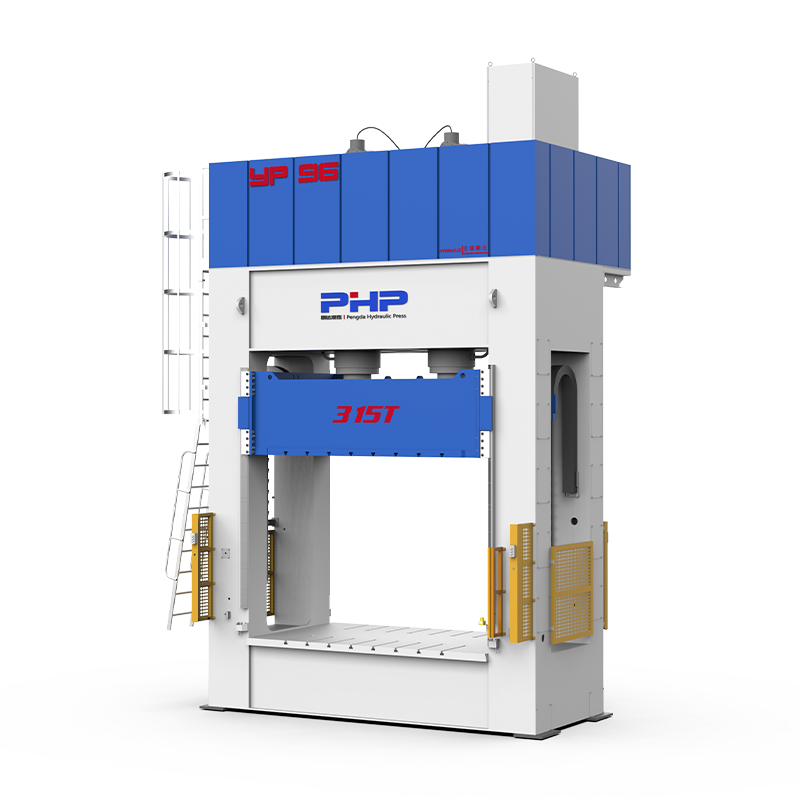
Overhead hydraulic presses and traditional hydraulic press systems both serve critical roles in modern manufacturing, but they differ significantly in design, efficiency, and application scope. Overhead hydraulic presses are typically optimized for energy efficiency, operational stability, and space-saving layouts, making them ideal for high-volume and complex molding processes.
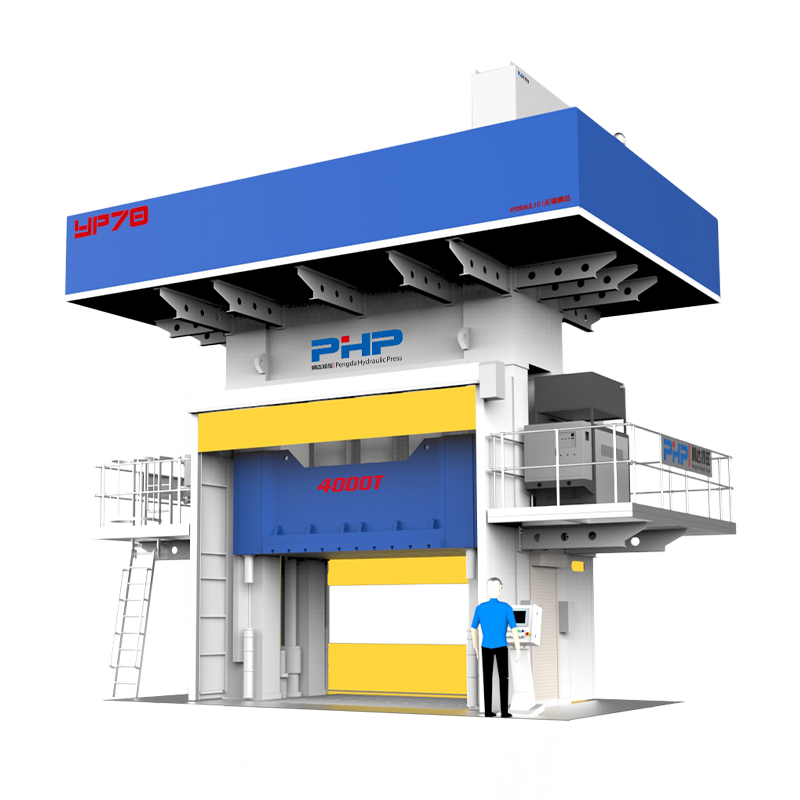
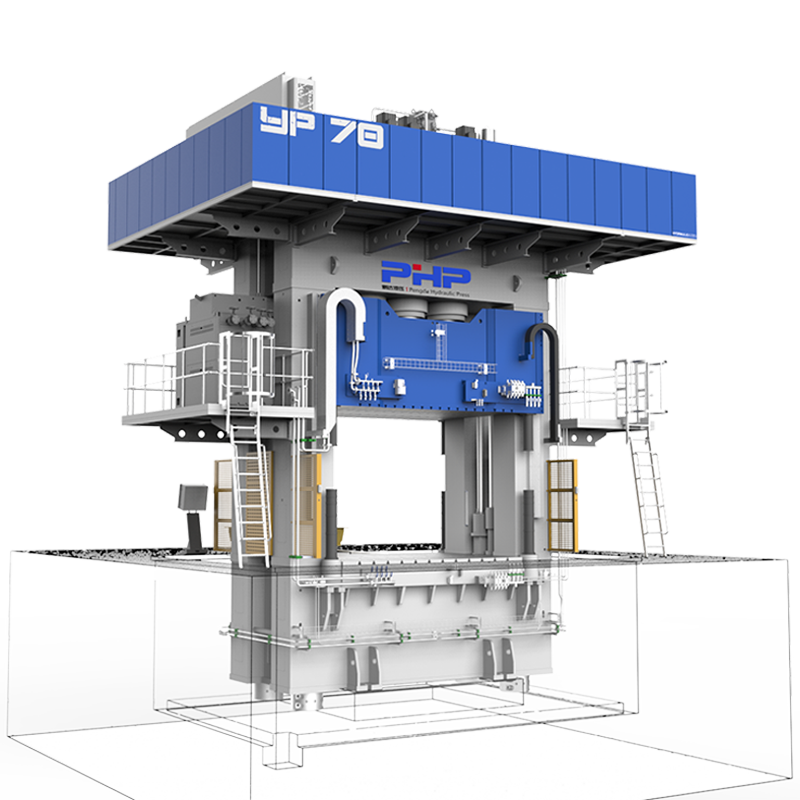
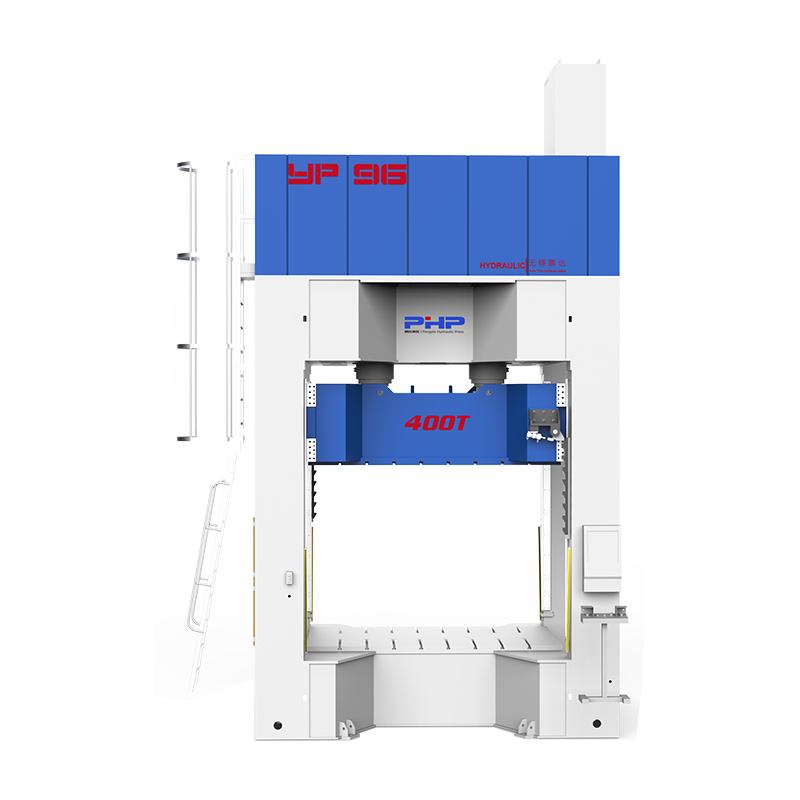
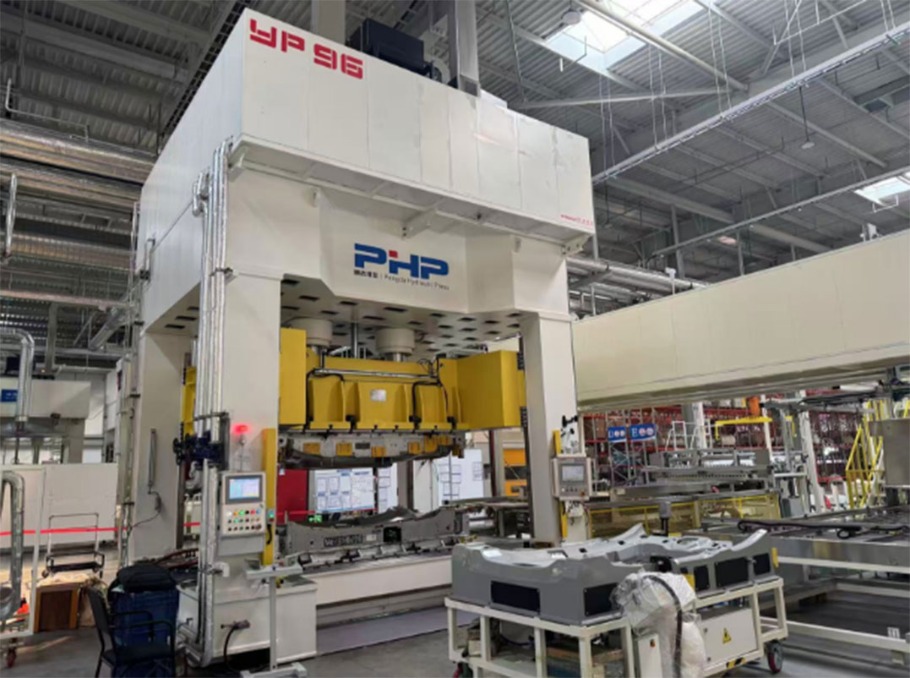
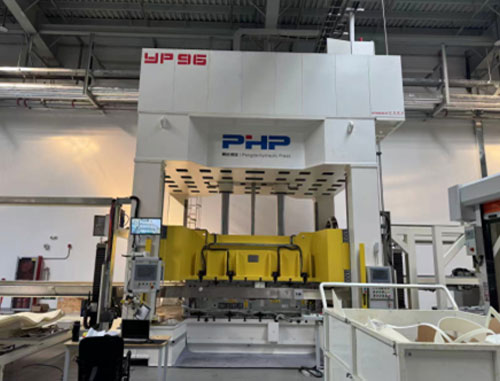
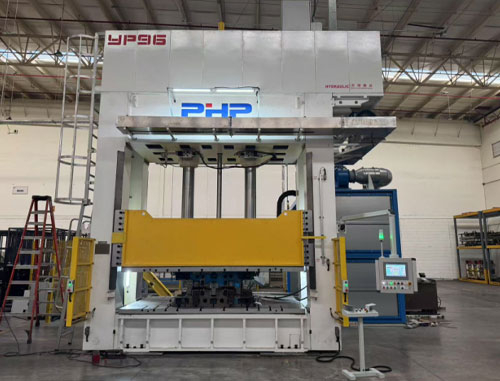
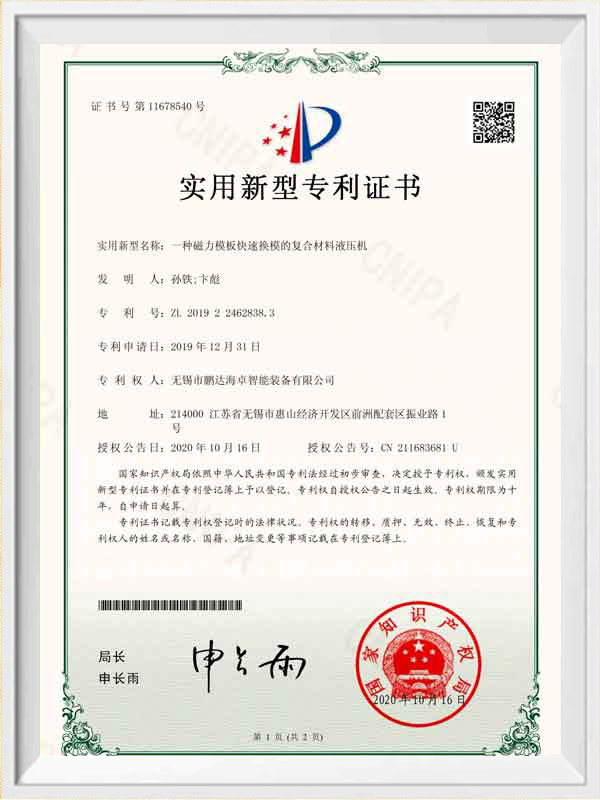
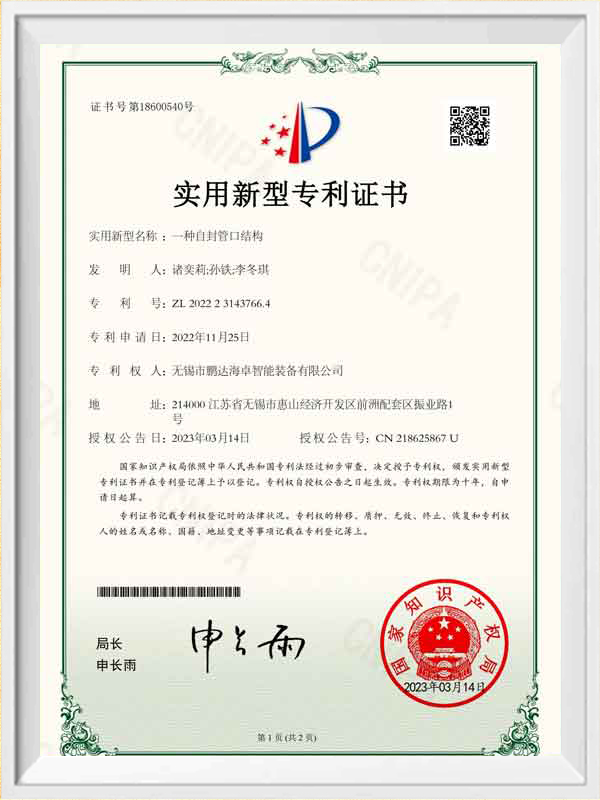
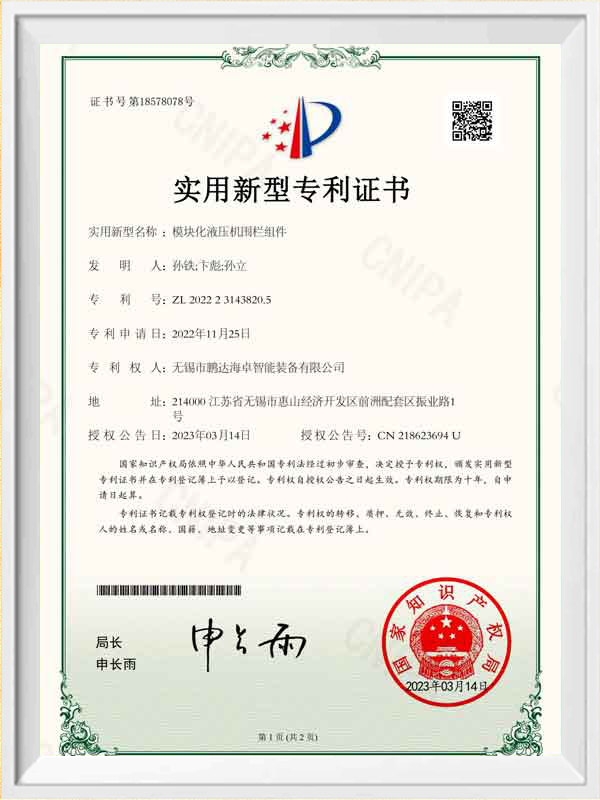
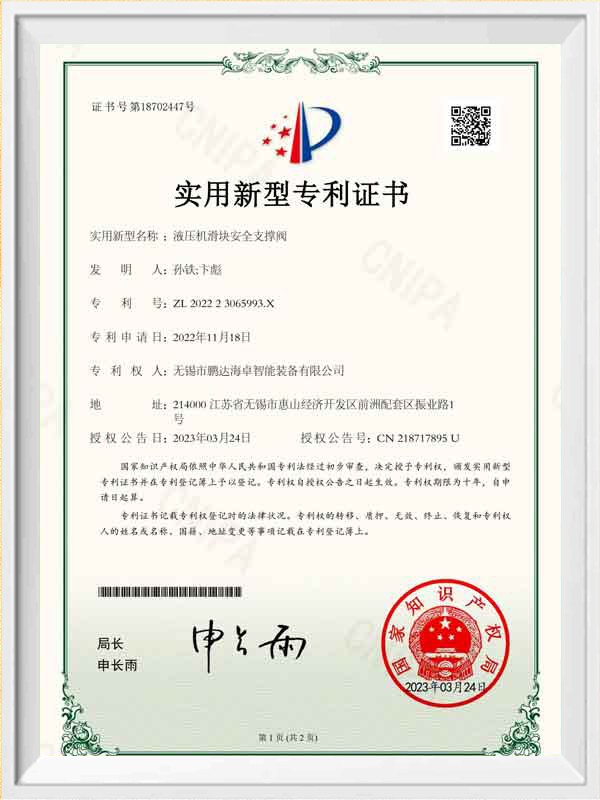
PHP(Pengda Hydraulic Press), founded in 2004, is a professional manufacturer of non-metallic hydraulic presses committed to green industry principles and technological innovation. The company focuses on two main categories of non-metallic molding presses:
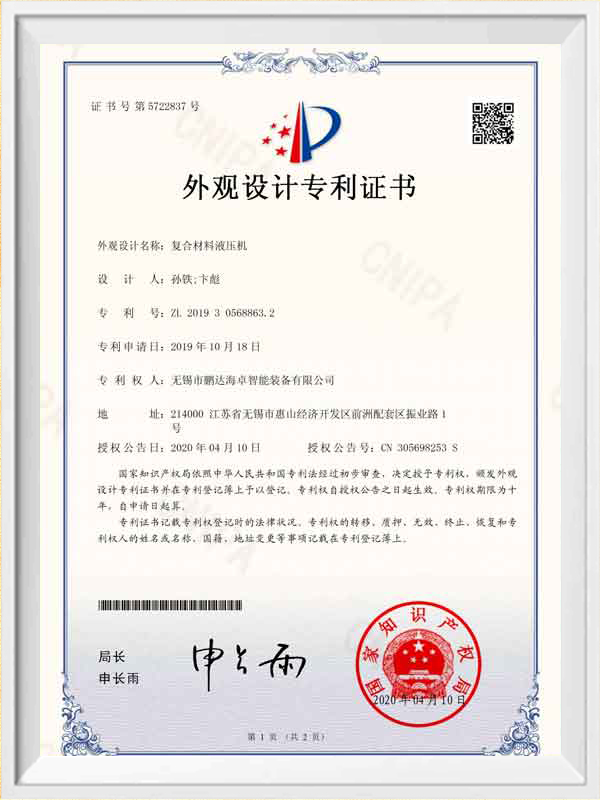
- Servo Composite Hydraulic Presses: Suitable for SMC, LFT-D, GMT, HP-RTM, STM, and high-temperature carbon fiber applications, serving industries like new energy vehicles, aerospace, rail transit, urban construction, low-voltage electrical appliances, and military products.
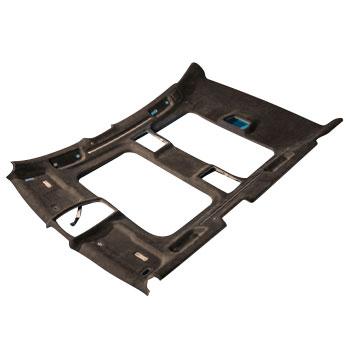
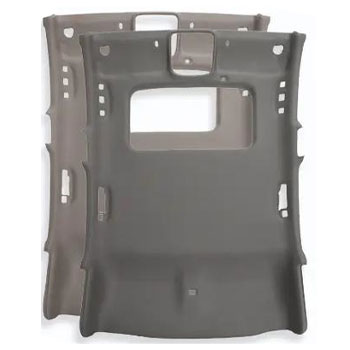
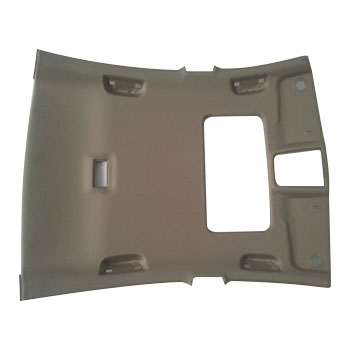
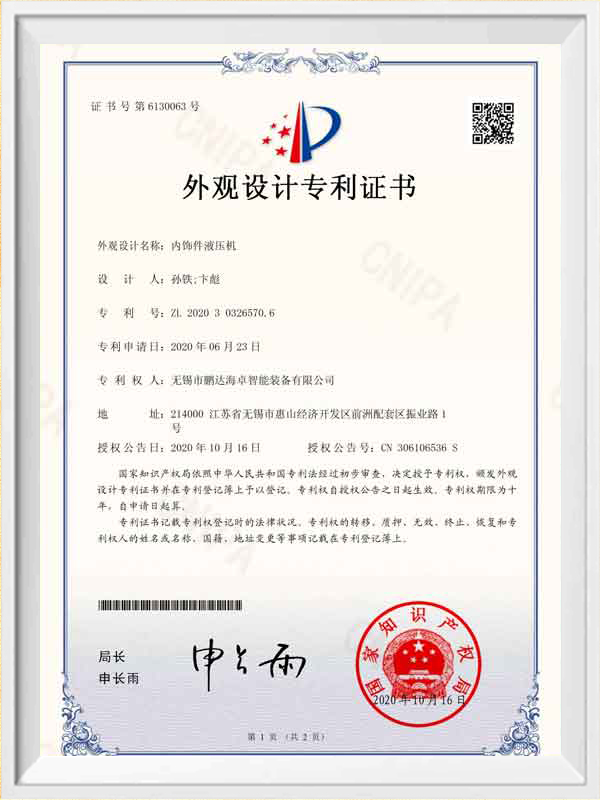
- Servo Interior Parts Hydraulic Presses: Designed for automotive interior processes including molding, compounding, punching, and heating. Common applications include overhead liners, carpets, luggage compartments, seats, soundproof components, and wheelhouses.
When compared to traditional hydraulic press systems, overhead hydraulic presses offer several advantages:
- Energy Efficiency: Advanced servo-controlled systems reduce power consumption significantly.
- Space Optimization: Overhead structures allow for compact layouts and better integration into automated production lines.
- Operational Stability: Enhanced mechanical design ensures consistent performance even in high-cycle operations.
- Safety and Reliability: Integrated safety mechanisms and high-quality components minimize downtime and operational risks.
- Versatility: Capable of handling a wide range of materials and complex molding processes.
Example Technical Parameters of an Overhead Hydraulic Press
| Parameter |
Typical Value |
| Press Capacity |
100 – 5000 kN |
| Stroke Length |
200 – 1000 mm |
| Table Size |
800 × 1200 mm – 3000 × 4000 mm |
| Automation Level |
Semi-automatic / Fully automatic |
| Control System |
Servo-hydraulic PLC |
| Applicable Materials |
SMC, GMT, LFT-D, Carbon Fiber, HP-RTM |
Overall, overhead hydraulic presses represent a modern solution for manufacturers seeking efficiency, precision, and flexibility. By contrast, traditional hydraulic presses may still be suitable for simpler applications but generally lack the energy efficiency, automation capabilities, and space optimization offered by overhead systems.

 English
 中文简体
中文简体 Español
 Português
 Deutsch
 русский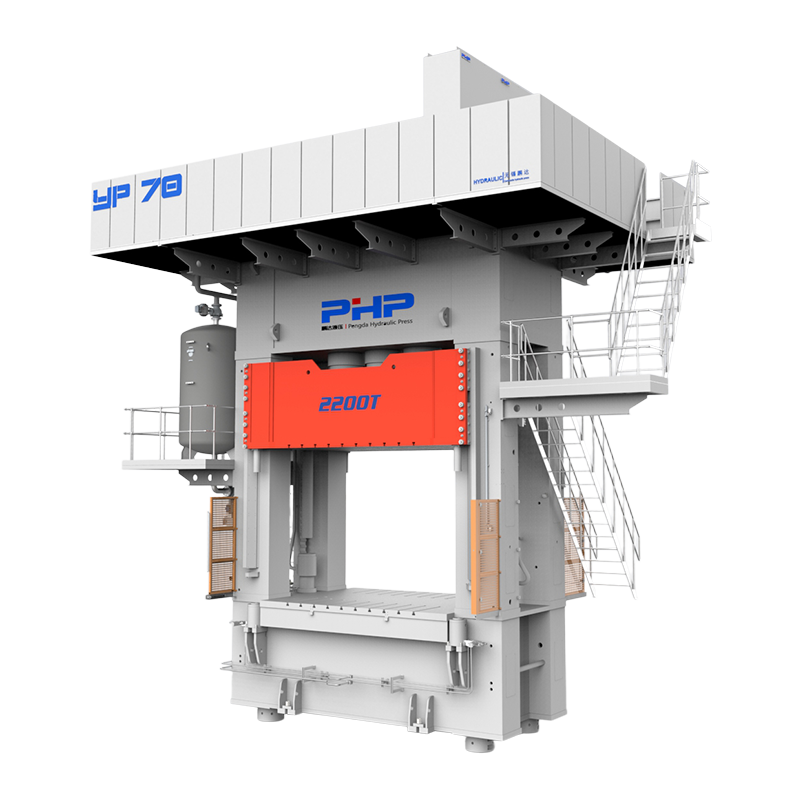


 2026/09/11


