Why is the SMC Servo Molding Press Changing the Competitive Landscape of Composite Material Forming?
SMC Forming in the Composite Material Industry
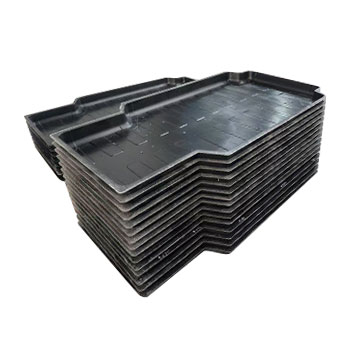
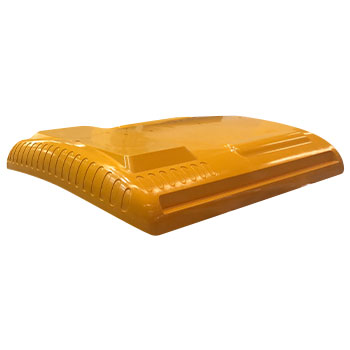
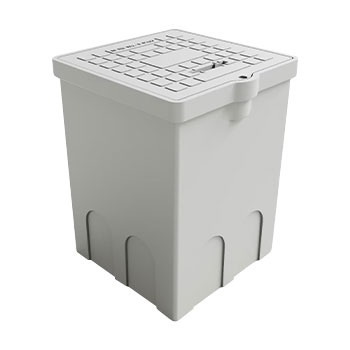
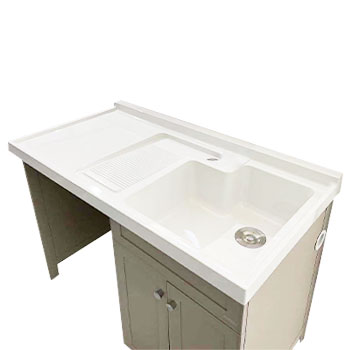
In the composite material manufacturing sector, SMC (Sheet Molding Compound) forming has become a core process for automotive exterior panels, rail transit interiors, electrical insulation components, and new energy device enclosures. Over the past decade, traditional hydraulic presses have long dominated this field. However, with the industry's shift toward high-performance, green production and digital management, a new type of equipment has rapidly gained attention—the SMC Servo Molding Press. It not only changes the way forming equipment is controlled but also enables manufacturers to transition from simply "being able to produce" to "producing better, more stable, and more controllable products."
Control Advantages over Traditional Equipment
The most significant difference between SMC servo hydraulic presses and traditional presses is not in structural design but in control capabilities. SMC materials have directional fibers and limited flow windows, and traditional hydraulic presses largely rely on manual experience for adjustment. This often results in inconsistent process curves, slow response, and reliance on manual correction during critical stages such as holding pressure, venting, and mold closing. While this might have been acceptable in the past, today’s products are larger, appearance tolerances are tighter, and customers demand higher batch consistency. Manufacturers must make processes transparent, traceable, and reproducible. The servo system addresses these challenges by digitally controlling pressure, speed, and stroke in real-time, allowing operators to precisely set each stage as if conducting a chemical experiment. This capability transforms SMC production from "experience-based manufacturing" to "parameter-driven manufacturing," naturally improving product dimensions, thickness, and surface consistency.
Energy Efficiency and Cost Reduction
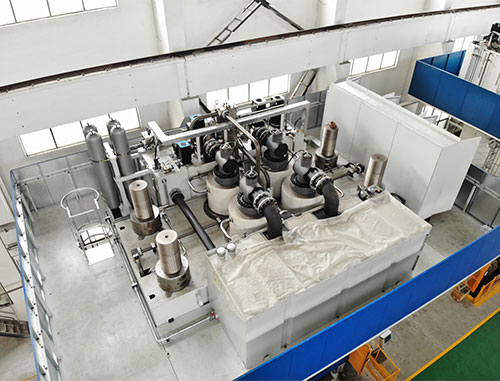
At the same time, servo technology turns energy-saving from a slogan into reality. Traditional hydraulic systems operate pumps continuously, consuming energy even when no actions are being performed. Servo systems only supply power when necessary, significantly reducing electricity waste. For SMC forming, which involves short and frequent cycles, this energy efficiency is particularly significant. Reduced heat generation lowers cooling demands, extends oil life, and decreases maintenance costs. For large-scale production, these savings translate into tangible long-term cost benefits and improved efficiency.
Data Integration and Automation
SMC forming is no longer just a matter of pressing a button. Modern factories increasingly integrate robotic handling, automatic material feeding, production line conveyance, MES connectivity, energy monitoring, and anomaly alerts. Traditional hydraulic presses, lacking sufficient data interfaces and feedback capabilities, struggle to integrate into this digital environment. By contrast, SMC Servo Molding Presses naturally support data transmission, digitally recording every step from mold closing to pressing, venting, holding pressure, and demolding. Managers can retrieve real-time production data, engineers can analyze processes, and manufacturers gain reliable operational insights, enabling informed decision-making and cost optimization.
Proven Industry Applications
Feedback from the industry shows that SMC Servo Molding Presses have clear advantages in automotive, rail transit, electrical manufacturing, and new energy sectors. Especially for exterior and structural components, companies experience higher product yields, reduced batch variability, better control of production rhythms, and lower training costs for new staff.
Why Choose Pengda for SMC Servo Presses?
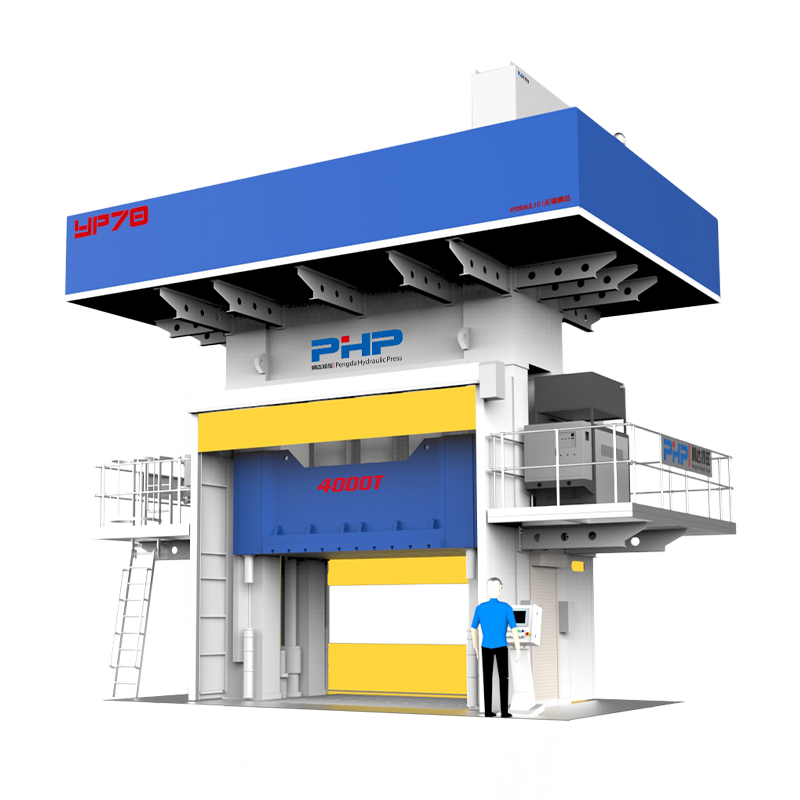
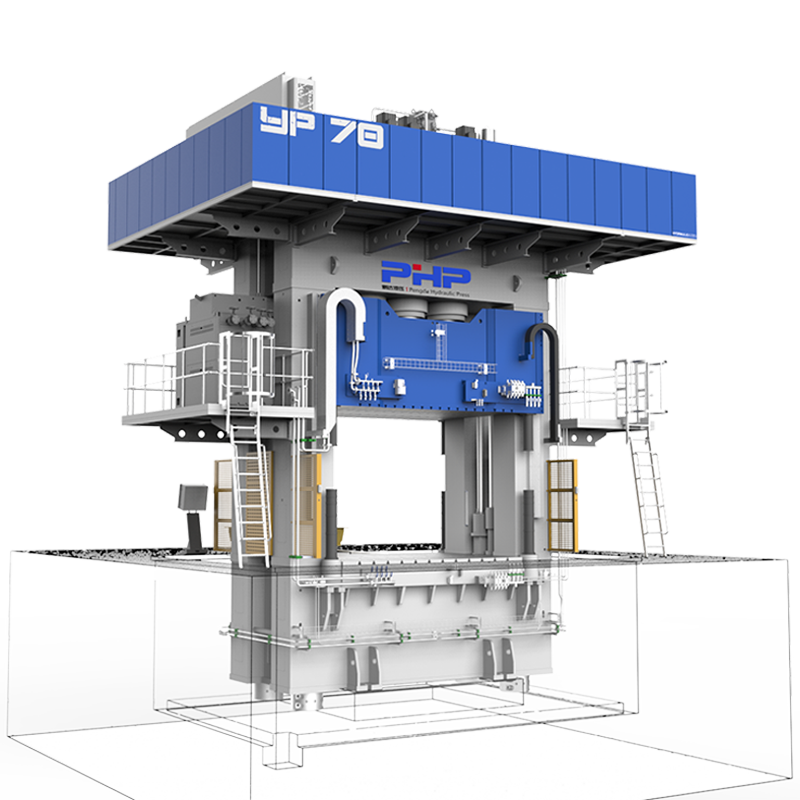
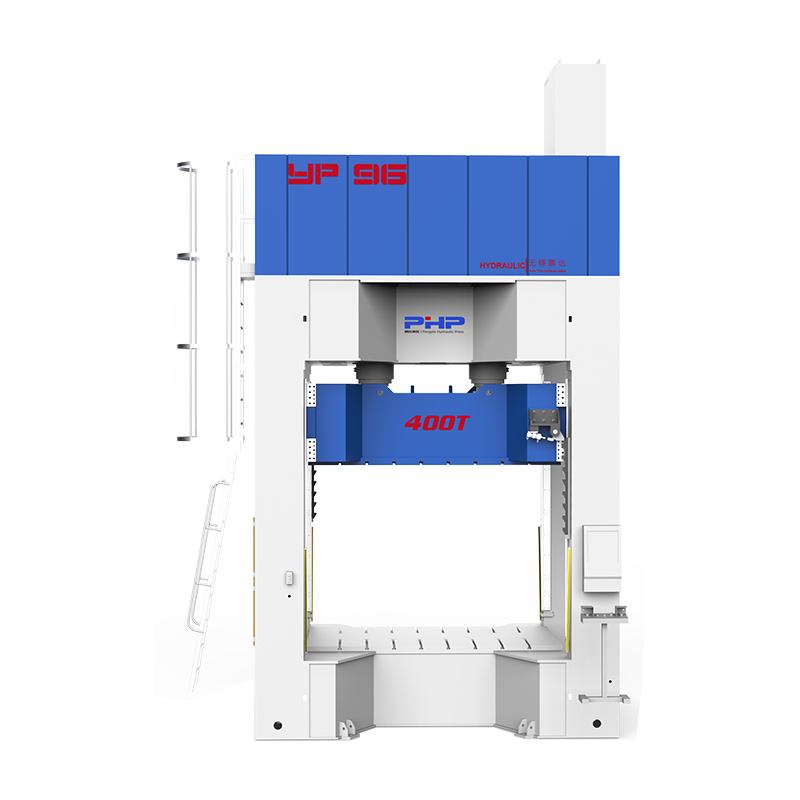
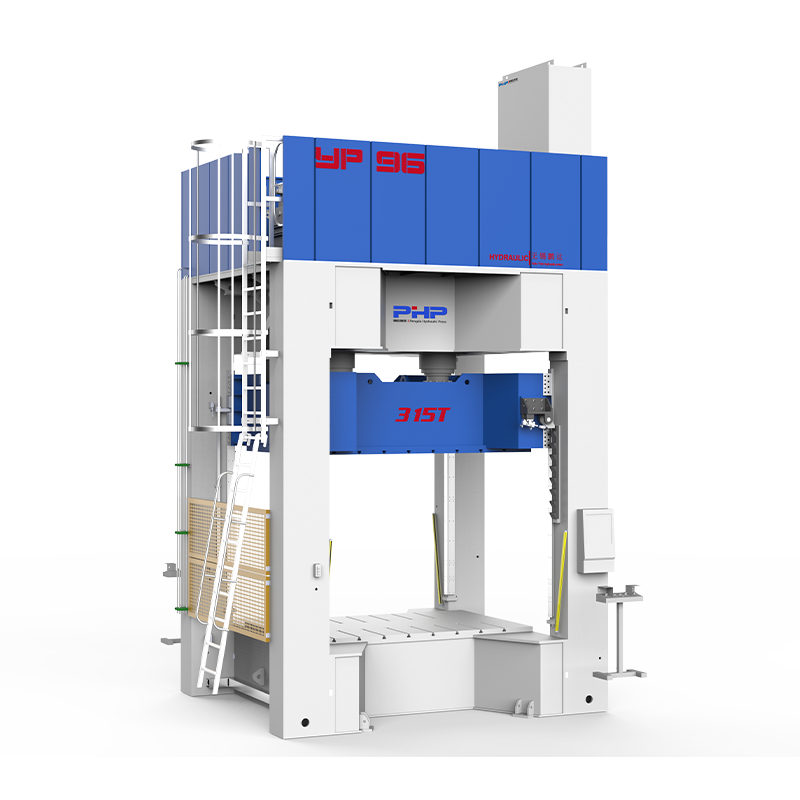
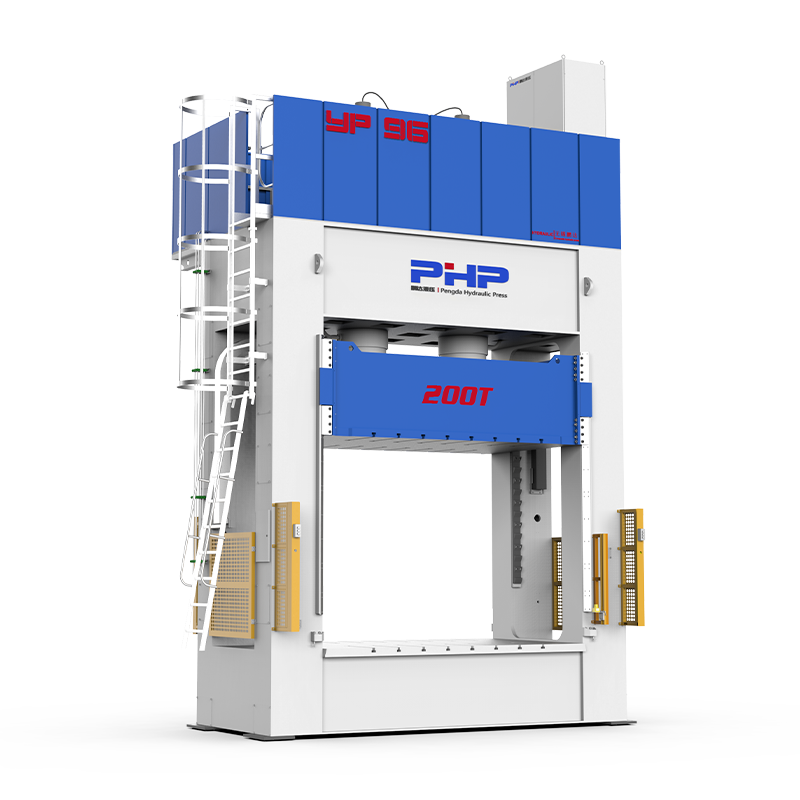
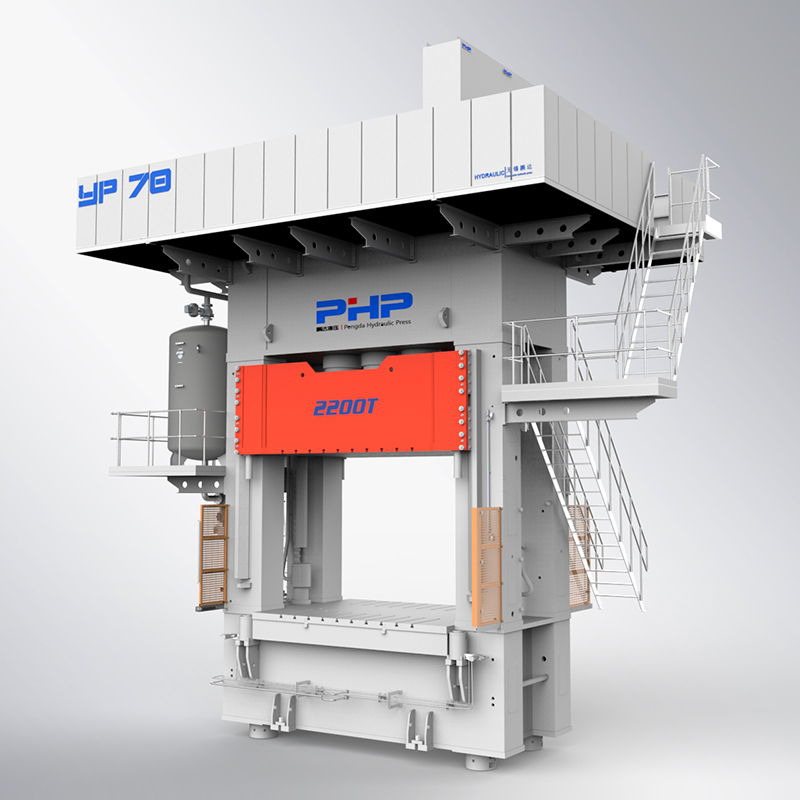
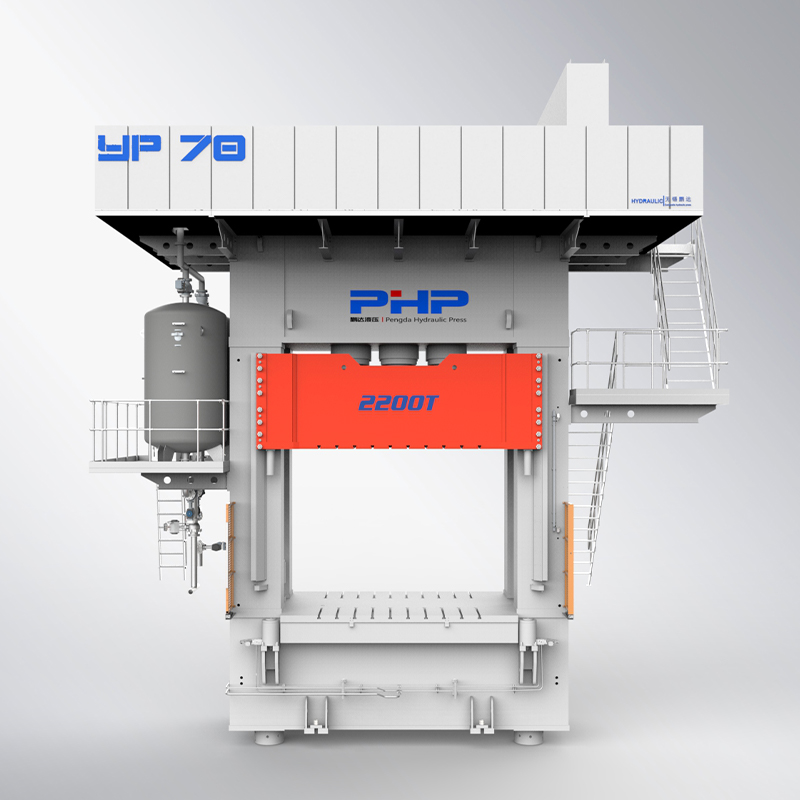
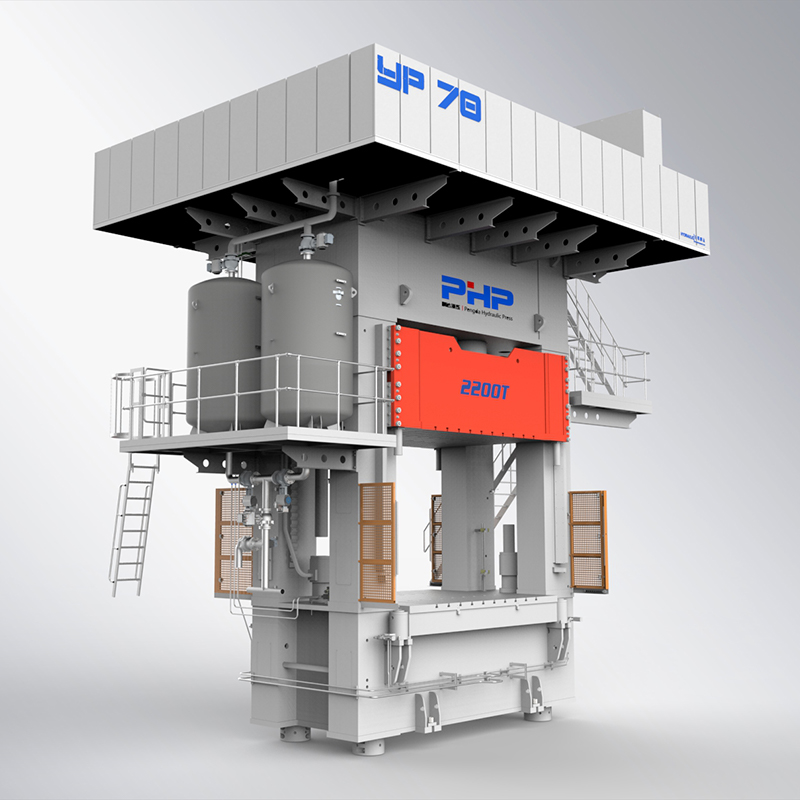
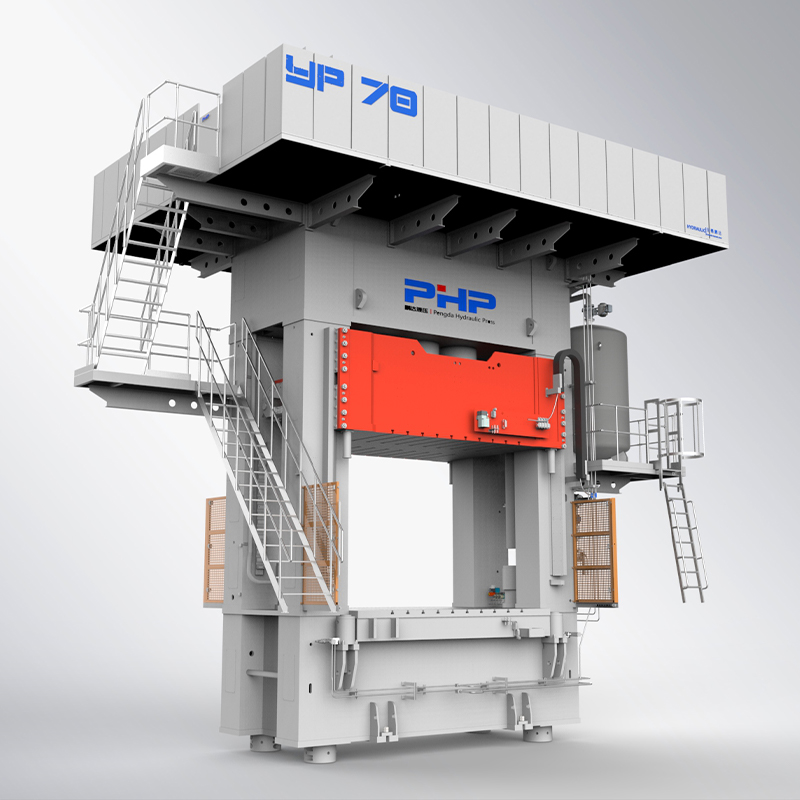
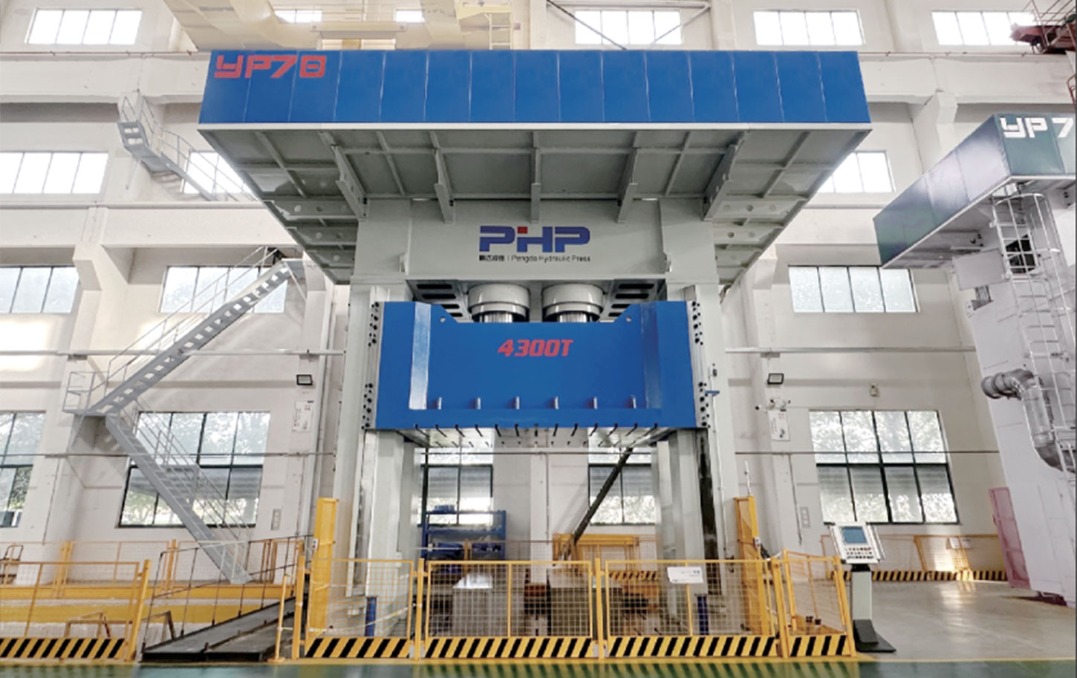
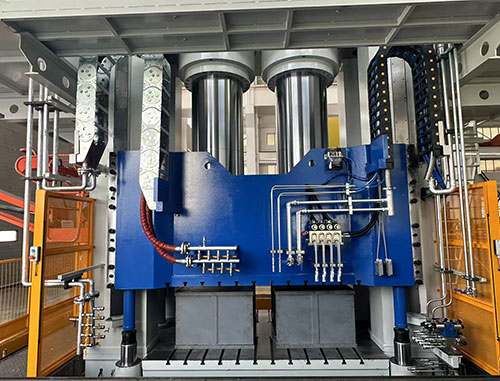
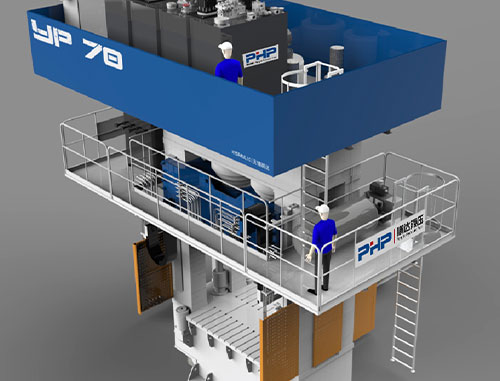
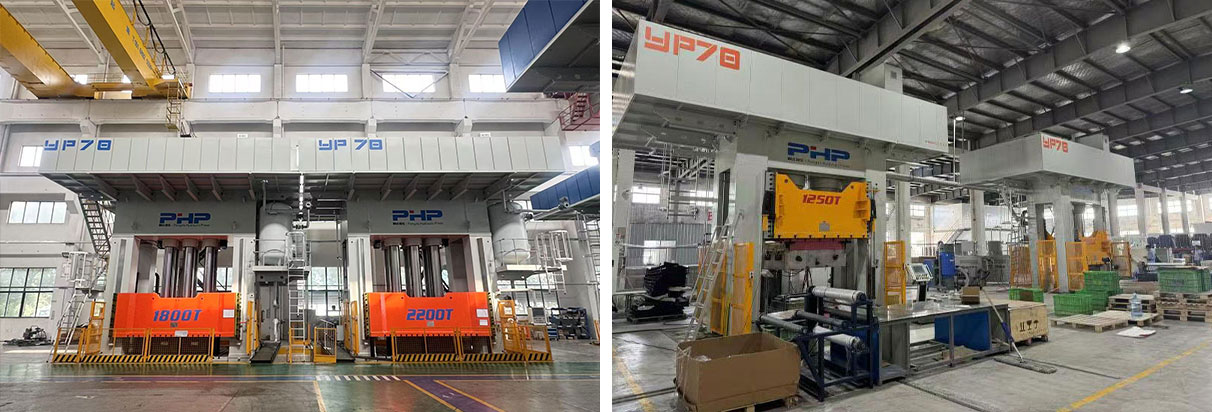
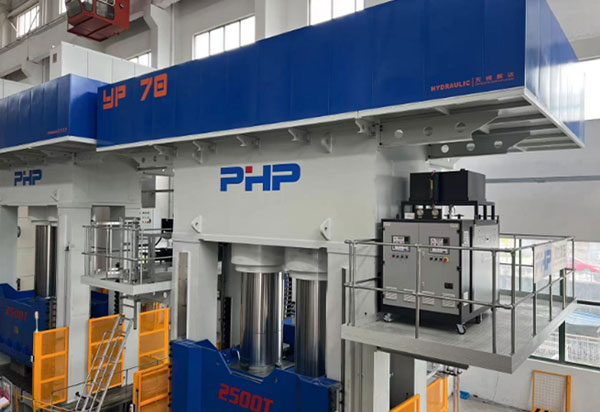
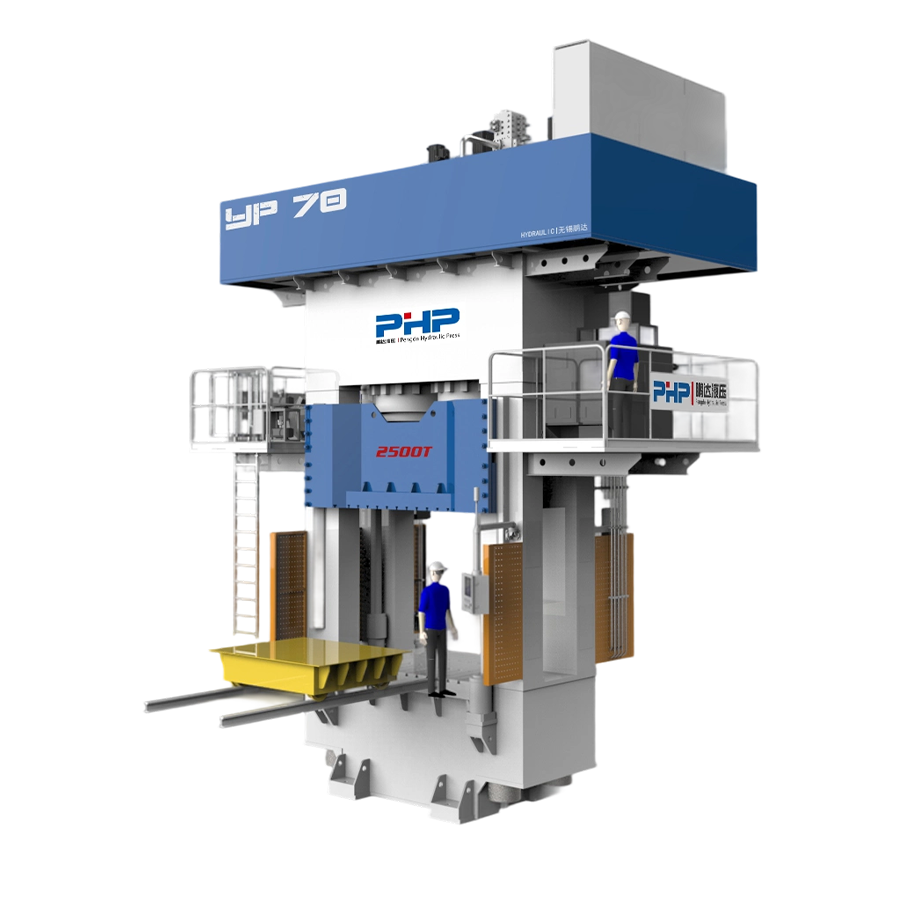
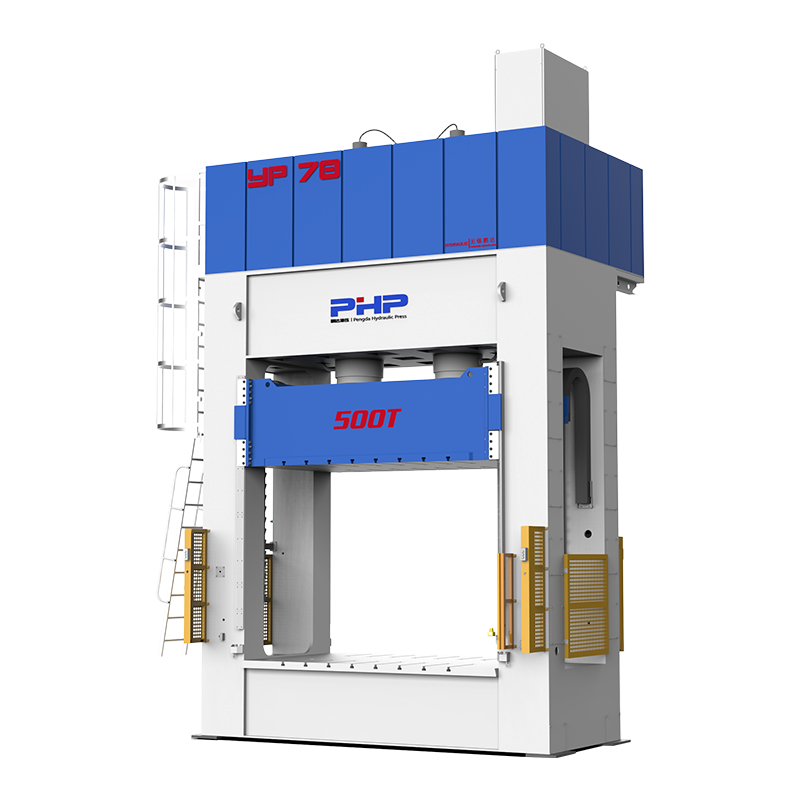
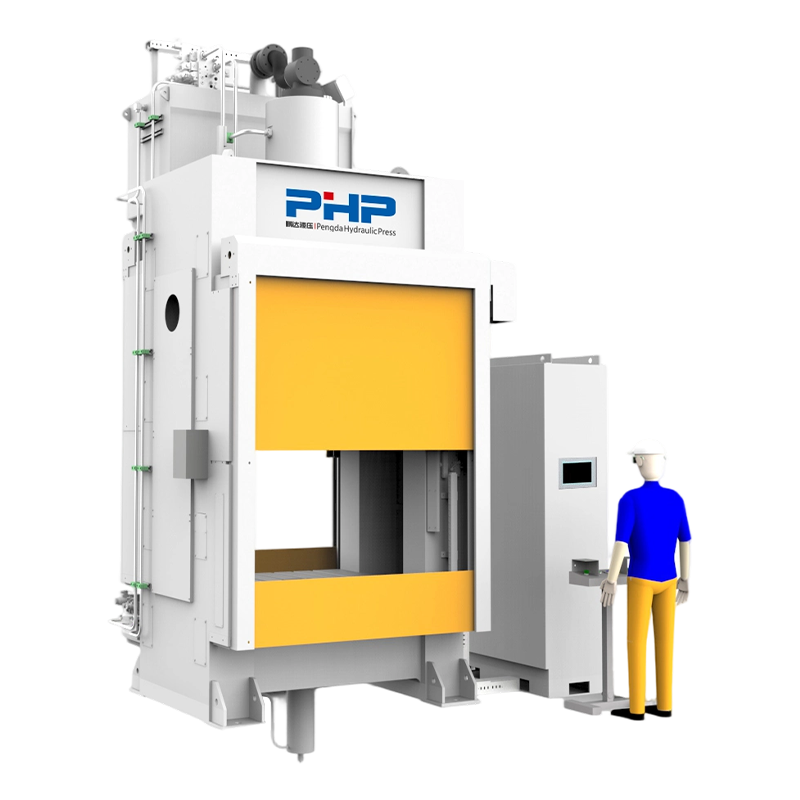
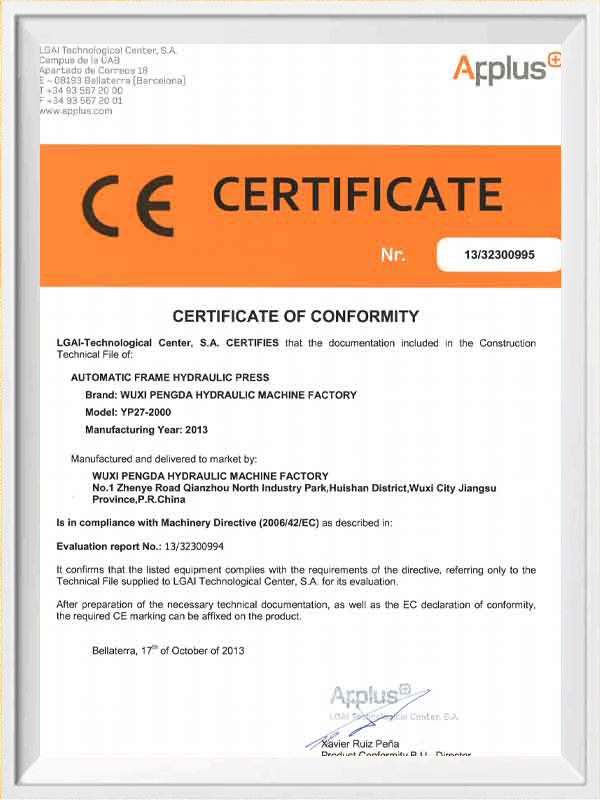
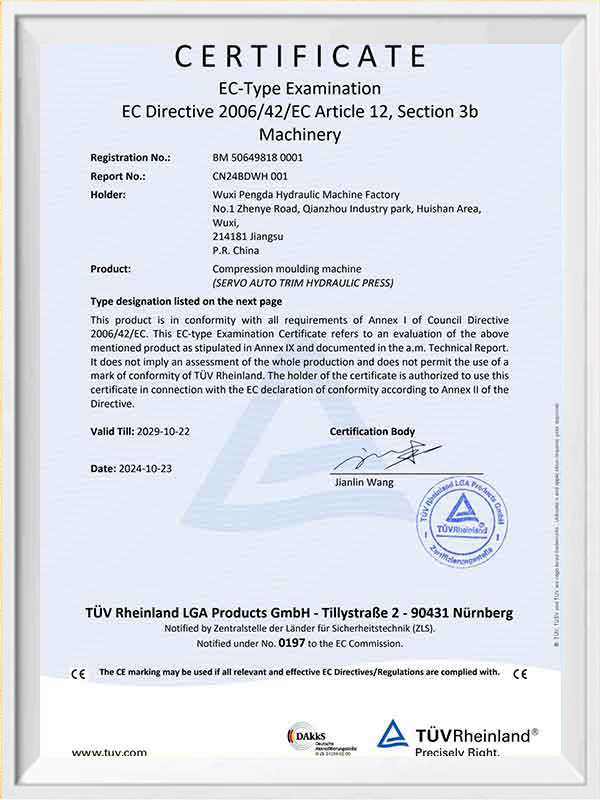
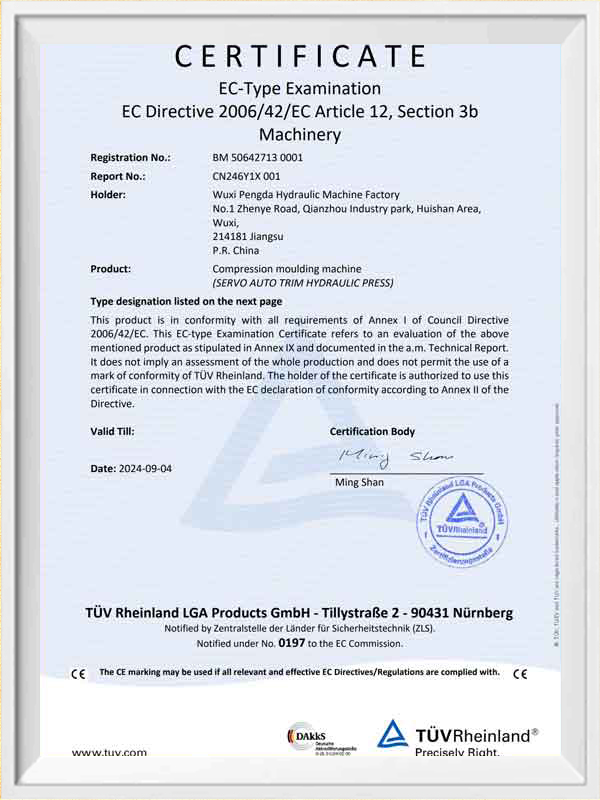
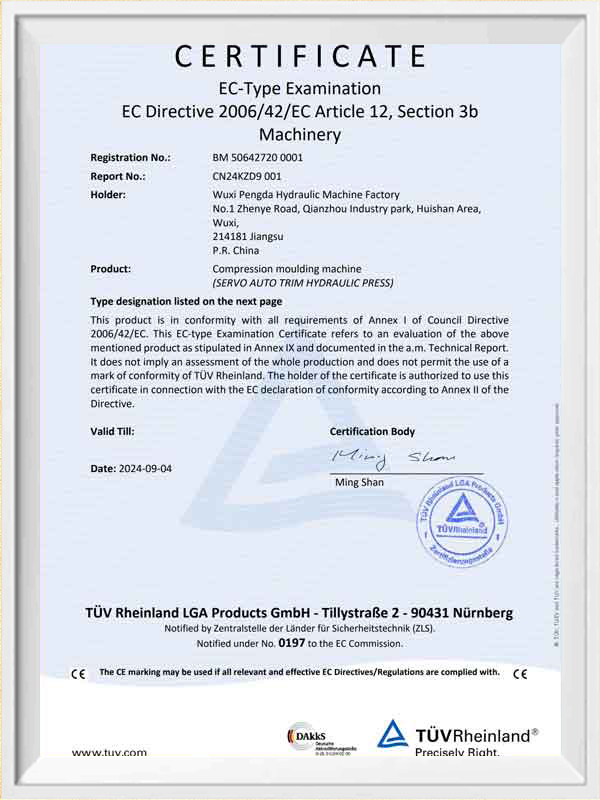
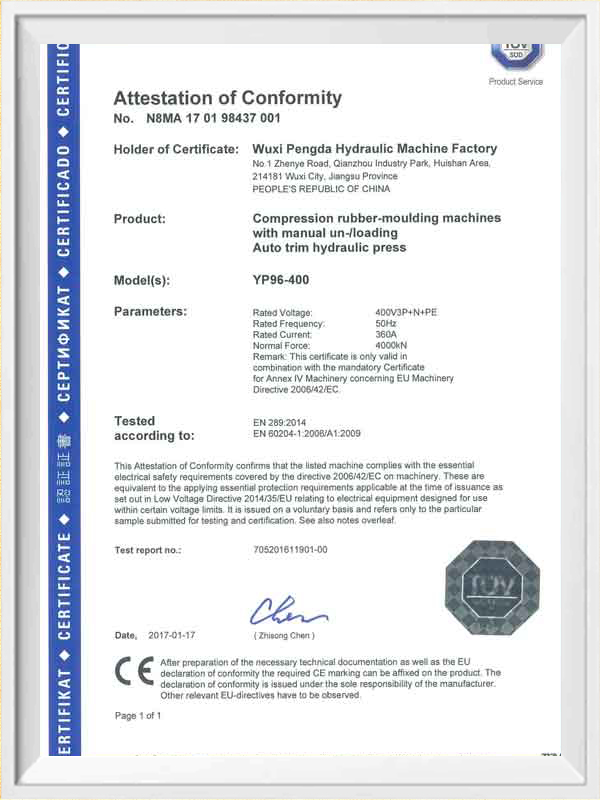
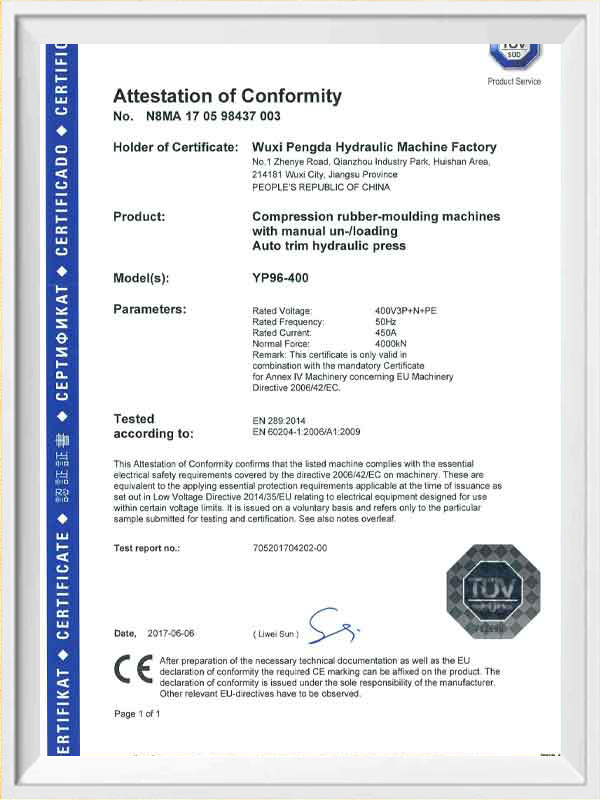
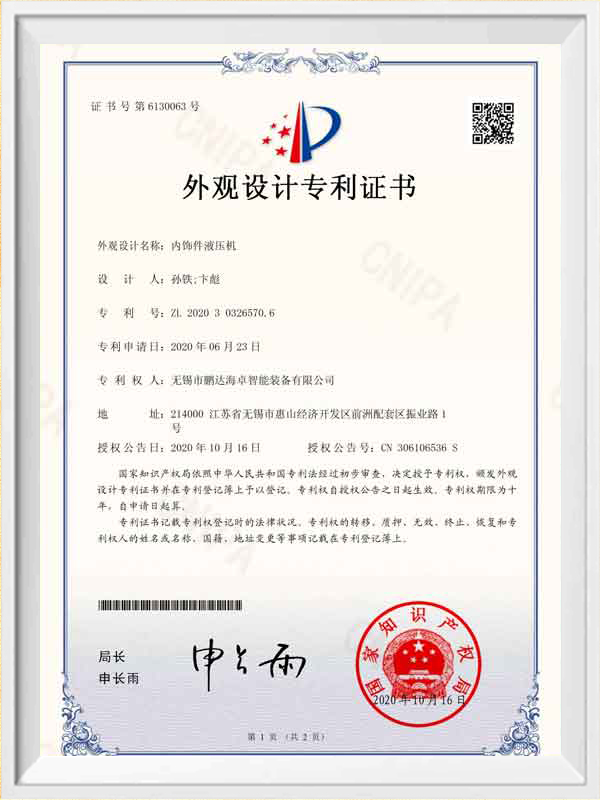
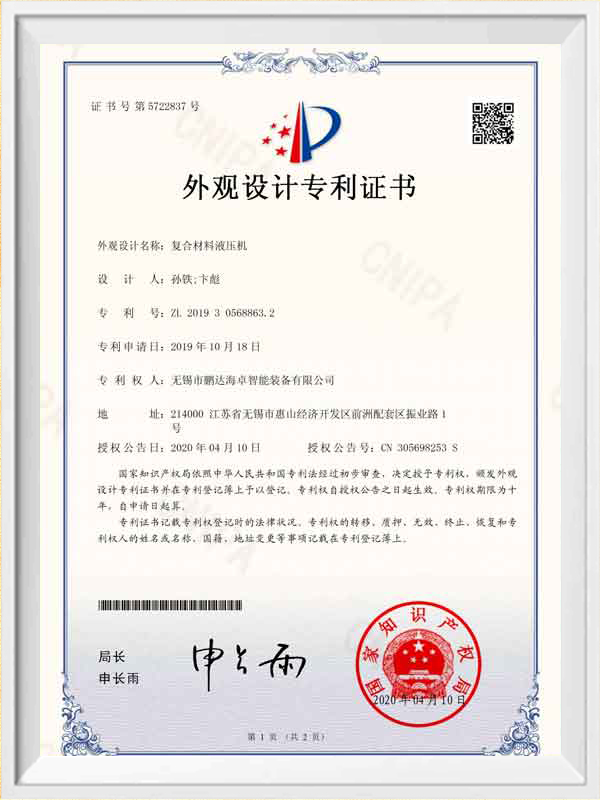
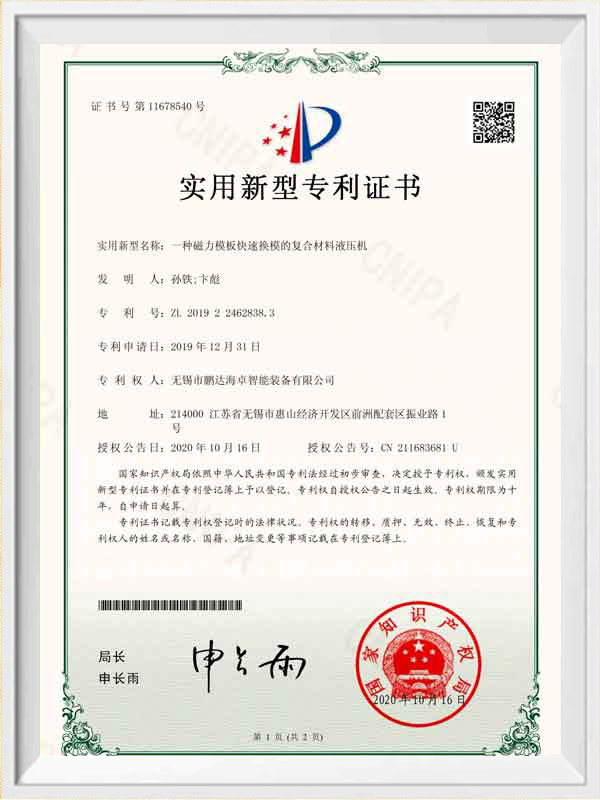
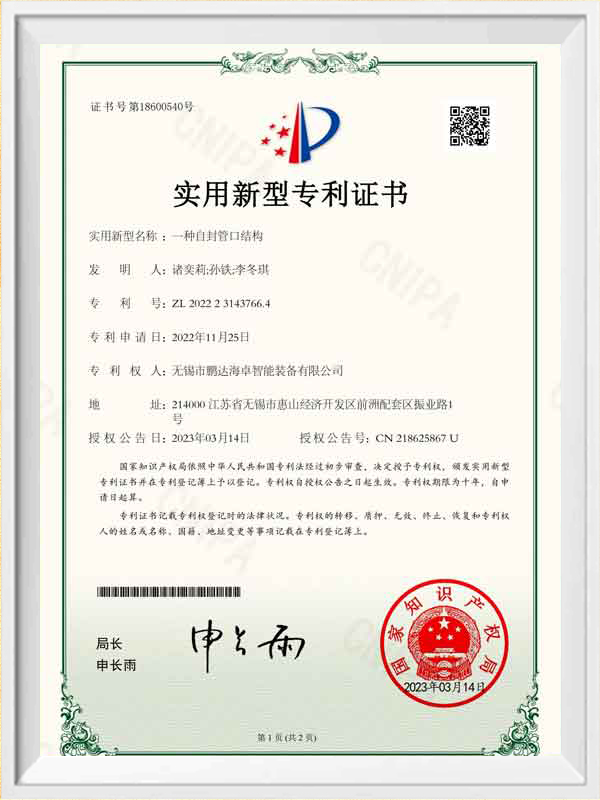
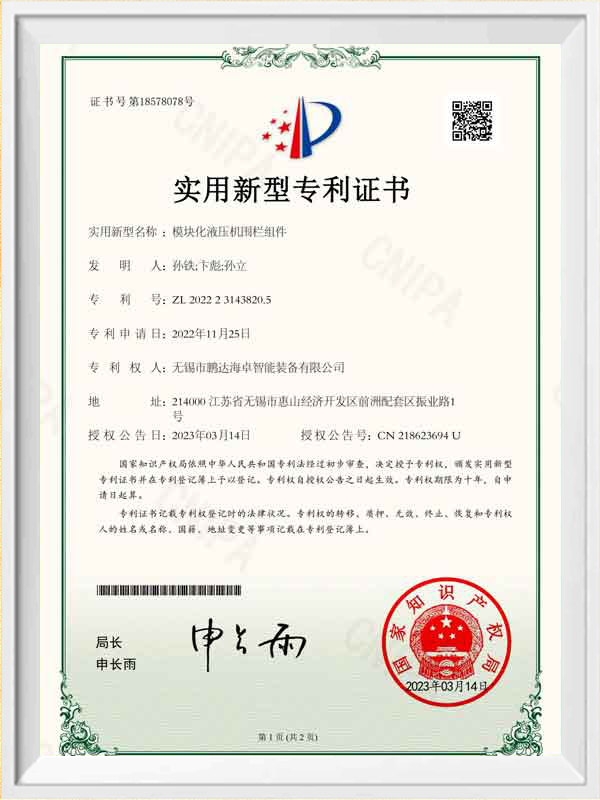
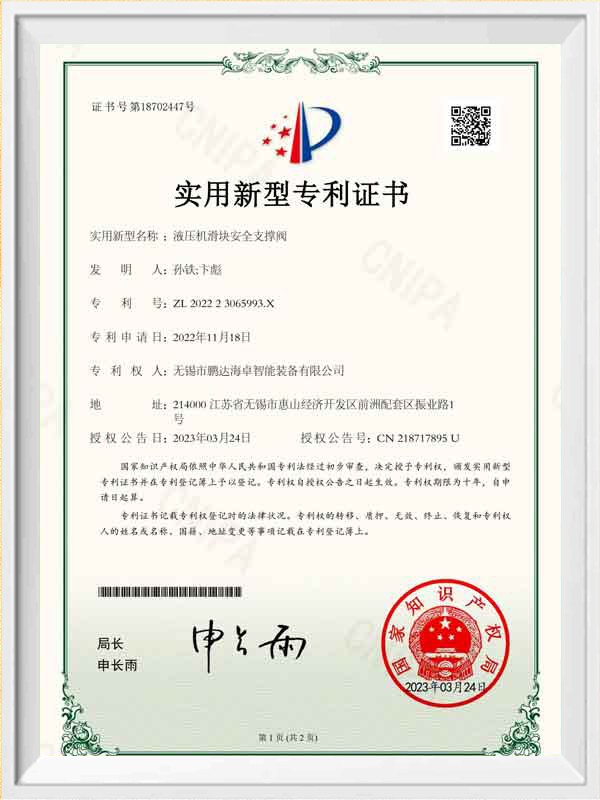
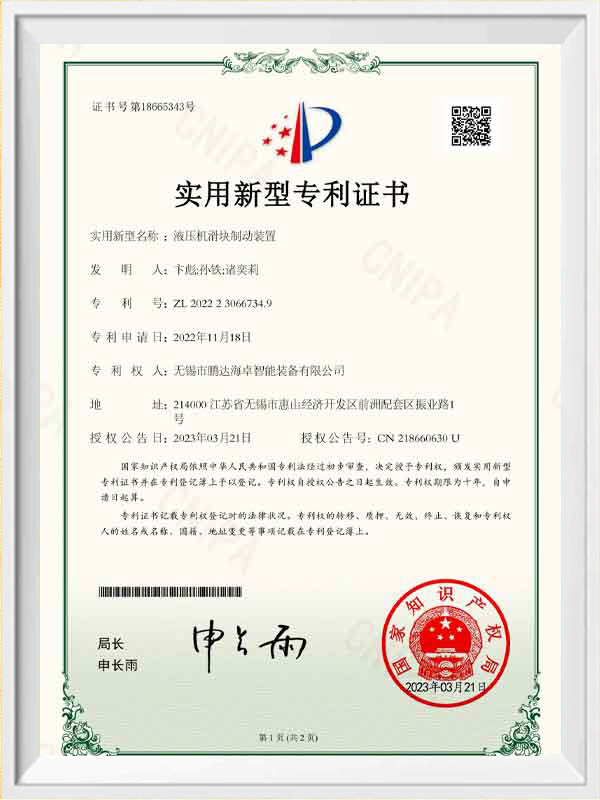
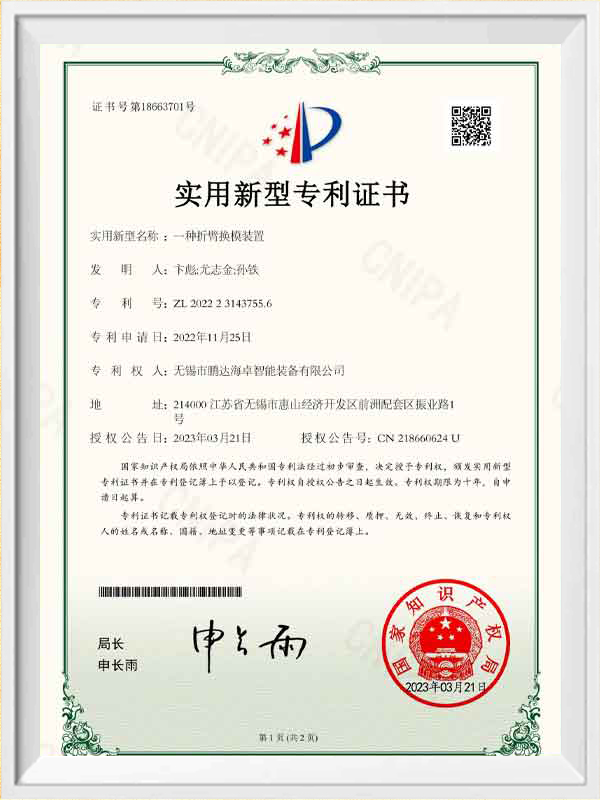
Wuxi PengdaHZ Intelligent Equipment Co., Ltd., under the PHP (Pengda Hydraulic Press) brand, has over 20 years of experience in hydraulic press development and manufacturing. Unlike companies with multiple product lines, Pengda focuses solely on hydraulic presses, with R&D, innovation, manufacturing, and service all centered on this field. This dedication allows continuous improvement in hydraulic control, servo drive solutions, energy-saving algorithms, and digital data interfaces, building a robust technical foundation.
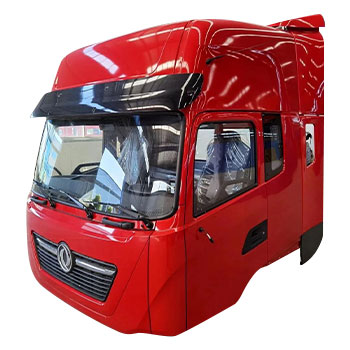
Pengda hydraulic presses are widely applied across automotive exteriors and structural components, rail transit, construction materials, aerospace composites, and automotive interior production. Long-term performance verification in mass production ensures that our equipment not only produces reliably but also supports intelligent, data-driven manufacturing.
Shaping the Future of SMC Production
In the next five years, the competition for composite material forming equipment will focus less on hardware alone and more on process transparency, energy efficiency, and real-world application performance. SMC Servo Molding Presses help manufacturers achieve better process consistency, lower energy consumption, more controllable production rhythms, and higher management transparency, bringing SMC production into a new era of high efficiency, precision, and traceability.
If your company is planning to expand an SMC production line or upgrade existing equipment, PHP (Pengda Hydraulic Press) offers solutions that not only provide machines but also deliver tangible improvements in production efficiency, product quality, and future manufacturing capabilities.

 English
 中文简体
中文简体 Español
 Português
 Deutsch
 русский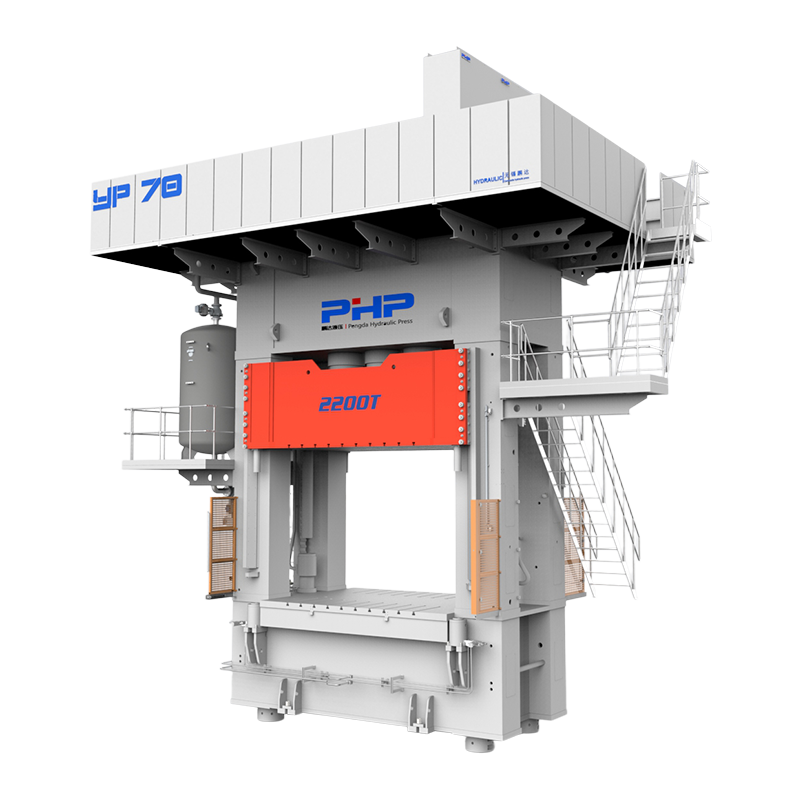


 2026/09/11


