How BMC Servo Molding Press Improves Production Efficiency in Thermoset Molding
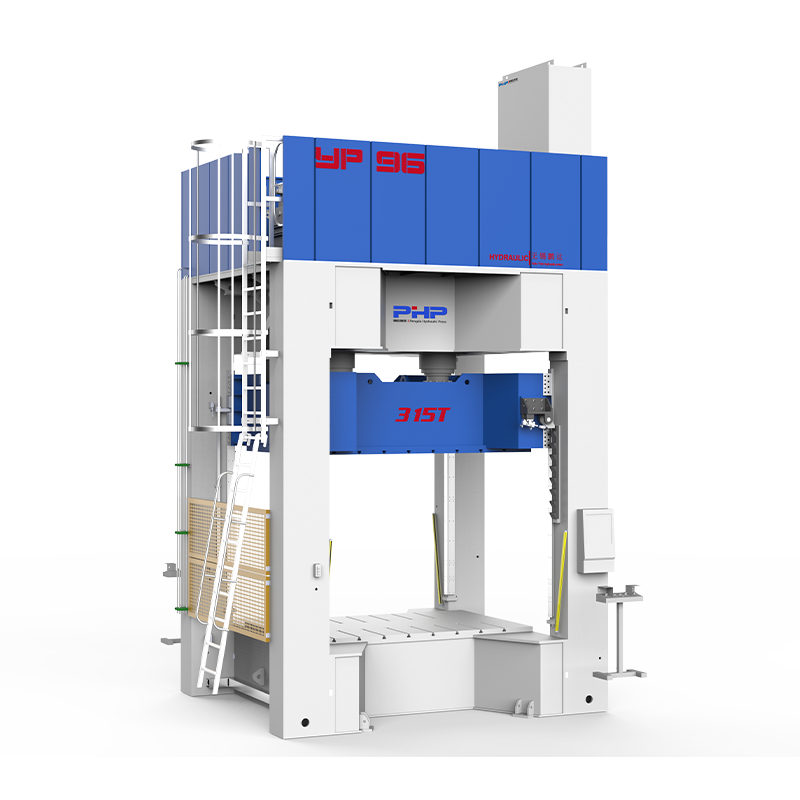
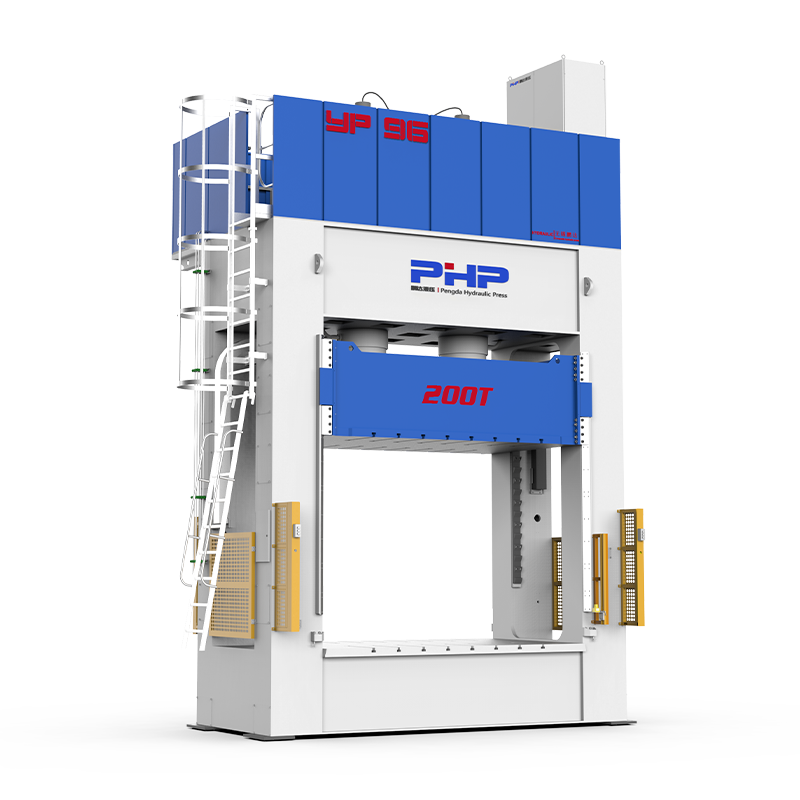
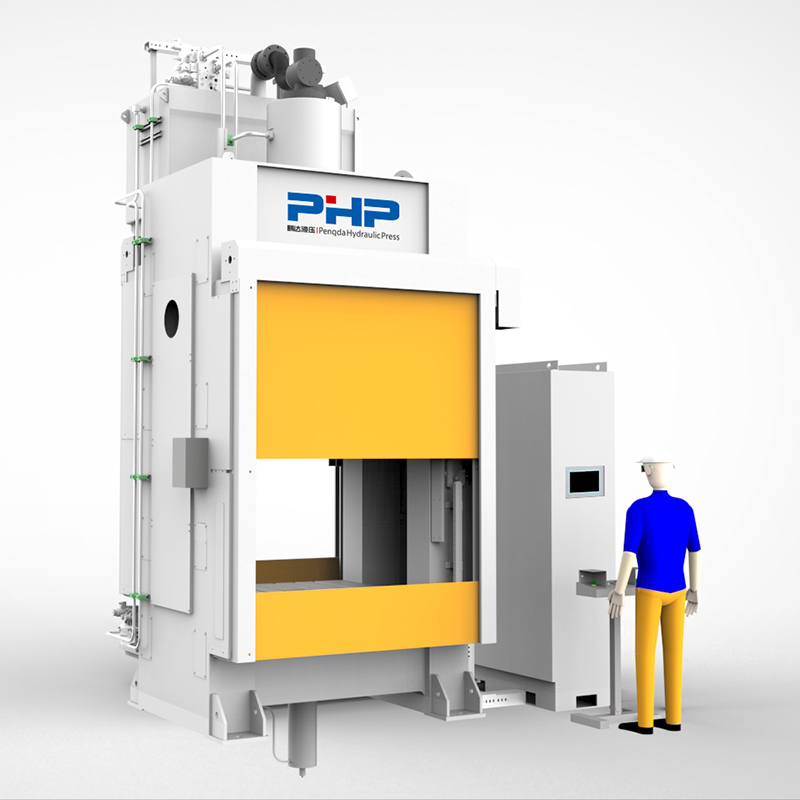
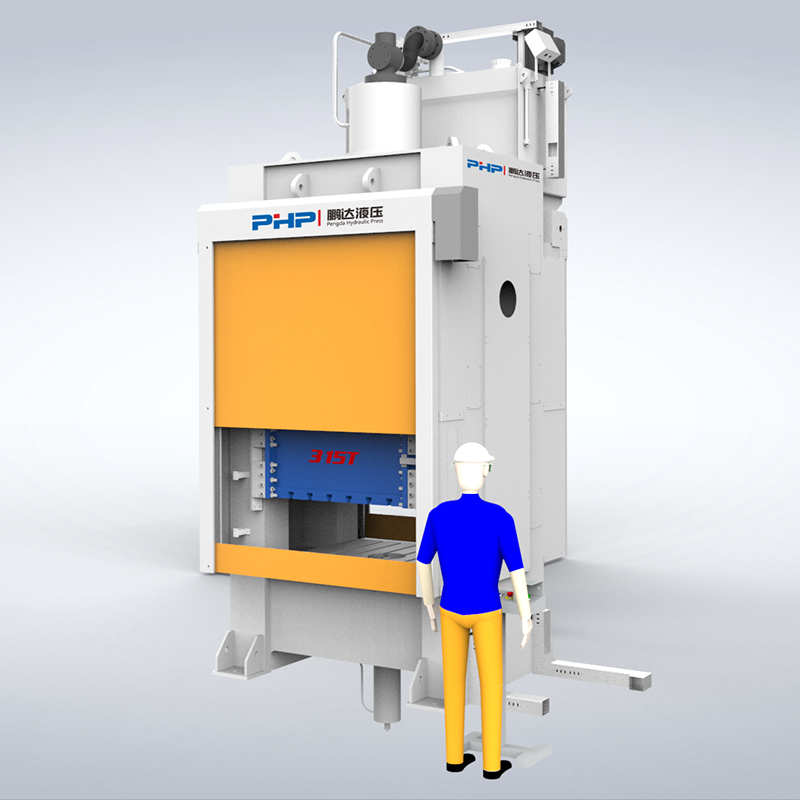
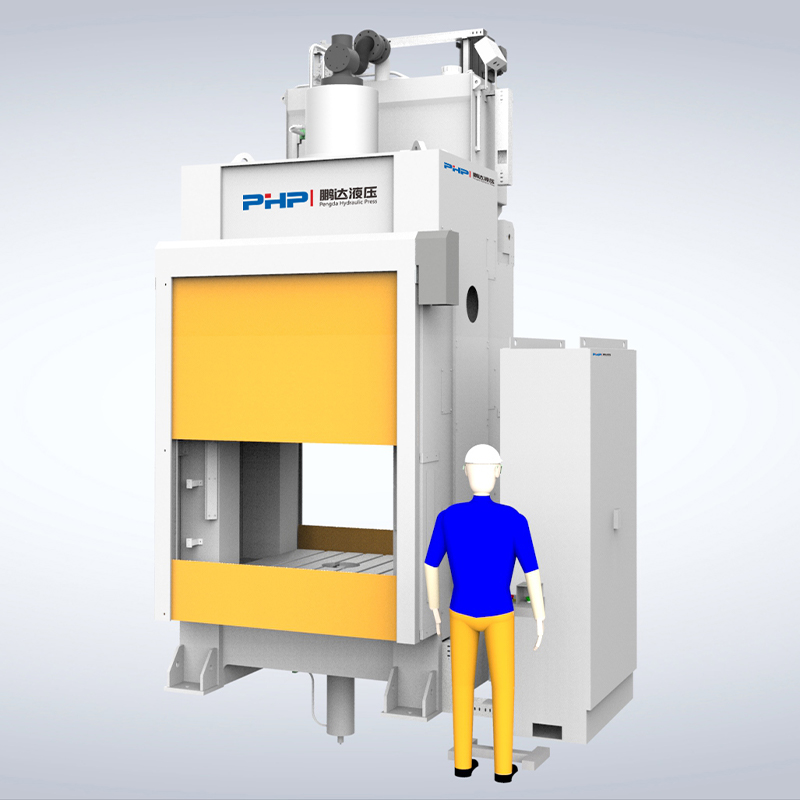
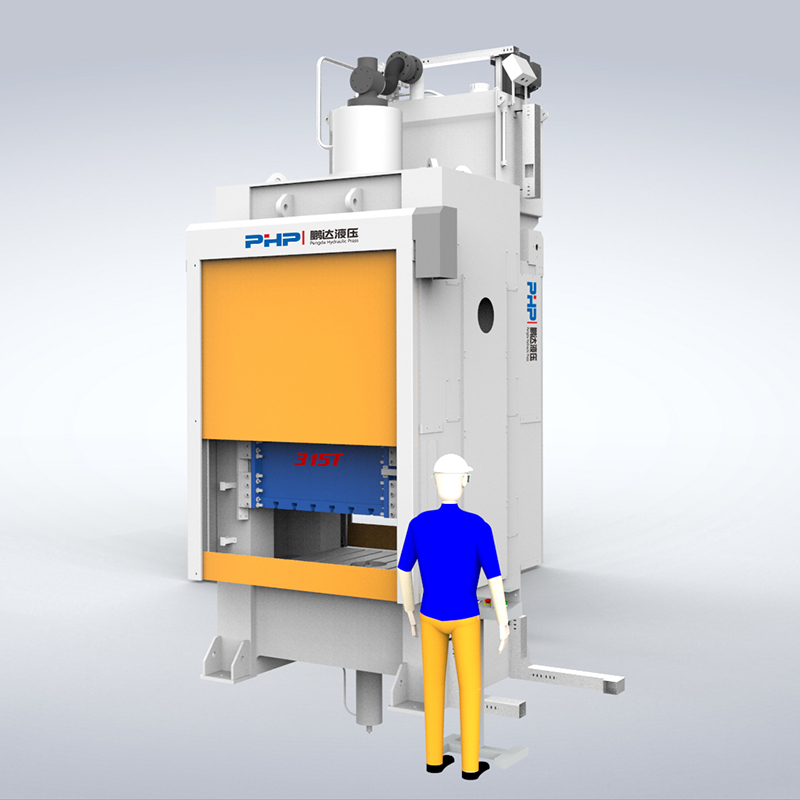
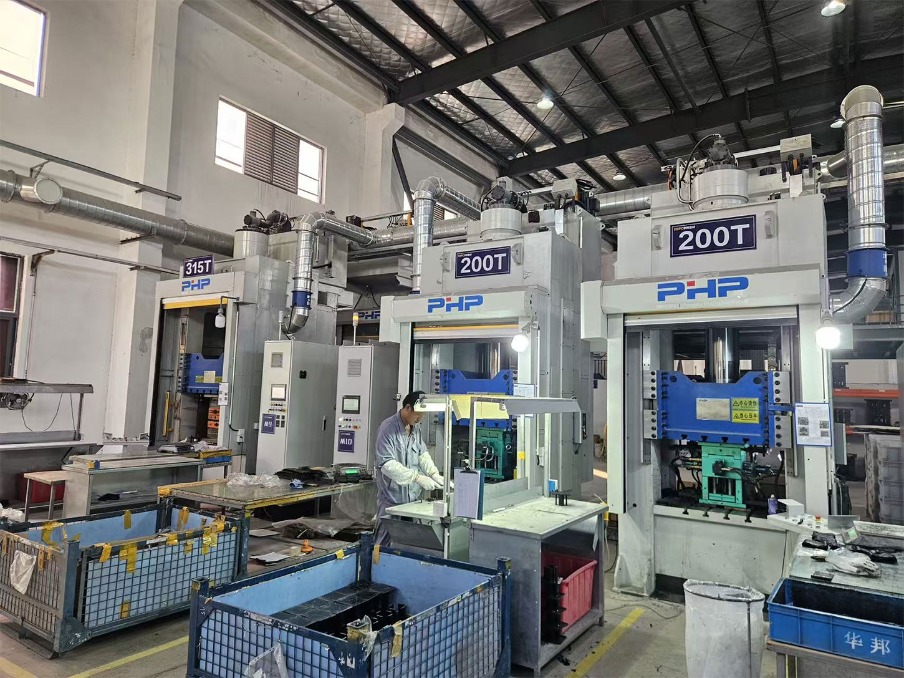
BMC (Bulk Molding Compound) servo molding presses are advanced machines designed to optimize the thermoset molding process. By integrating servo-driven technology, these presses offer precise control, energy efficiency, and faster cycle times, making them ideal for high-volume production in industries such as automotive, electrical, and consumer goods.
1. Enhanced Precision and Control
Servo motors allow for highly accurate control of the molding cycle, including clamping force, injection speed, and pressure. This precision reduces defects and ensures consistent quality in thermoset products, minimizing waste and rework.
2. Faster Cycle Times
Unlike traditional hydraulic presses, BMC servo presses can achieve faster mold opening and closing speeds while maintaining accuracy. This reduces the overall cycle time, allowing more parts to be produced per hour and improving overall production efficiency.
3. Energy Efficiency
Servo-driven systems consume energy only when motion is required, unlike conventional hydraulic systems that run continuously. This results in significant energy savings, lower operating costs, and a smaller environmental footprint.
4. Improved Process Flexibility
The programmable nature of servo presses allows manufacturers to easily adjust molding parameters for different product designs without extensive downtime. This flexibility supports rapid prototyping, small-batch production, and adaptation to changing production demands.
5. Reduced Maintenance and Downtime
With fewer mechanical components under continuous stress, servo presses generally require less maintenance than traditional presses. This leads to reduced downtime, longer machine life, and higher overall equipment effectiveness (OEE).
Investing in a BMC servo molding press can significantly improve production efficiency in thermoset molding by enhancing precision, reducing cycle times, saving energy, and increasing process flexibility. Manufacturers seeking higher output and consistent quality will benefit from adopting this advanced technology.
Comparing BMC Servo Molding Press with Traditional Hydraulic Presses
BMC servo molding presses represent a significant advancement over traditional hydraulic presses in the thermoset and composite molding industry. By integrating servo-driven technology, these presses provide precise control, faster cycle times, and energy efficiency, which are critical for high-quality production in automotive, aerospace, and other advanced manufacturing sectors.
1. Precision and Control
Servo presses use electronic control systems to adjust clamping force, injection speed, and pressure with high accuracy. This allows for consistent product quality and reduced scrap rates. In contrast, traditional hydraulic presses rely on mechanical systems, which can result in variations in force and less precise molding outcomes.
2. Energy Efficiency
BMC servo presses consume energy only during motion, unlike conventional hydraulic systems that operate continuously. This leads to significant energy savings, reduced operating costs, and improved sustainability. PHP(Pengda Hydraulic Press) specializes in designing energy-saving hydraulic presses, combining servo technology with optimized mechanical design to meet green industry principles.
3. Cycle Time and Productivity
The servo-driven system allows faster mold opening and closing without sacrificing accuracy, which shortens the overall cycle time. Traditional presses generally have slower cycles due to mechanical limitations. Faster cycles directly contribute to higher throughput and production efficiency.
4. Flexibility and Application Range
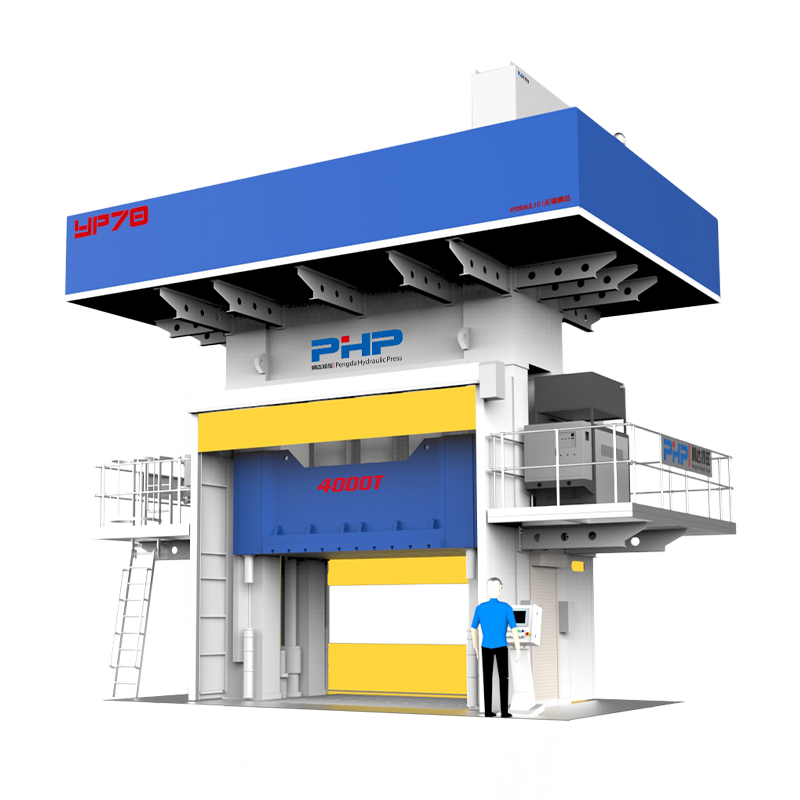
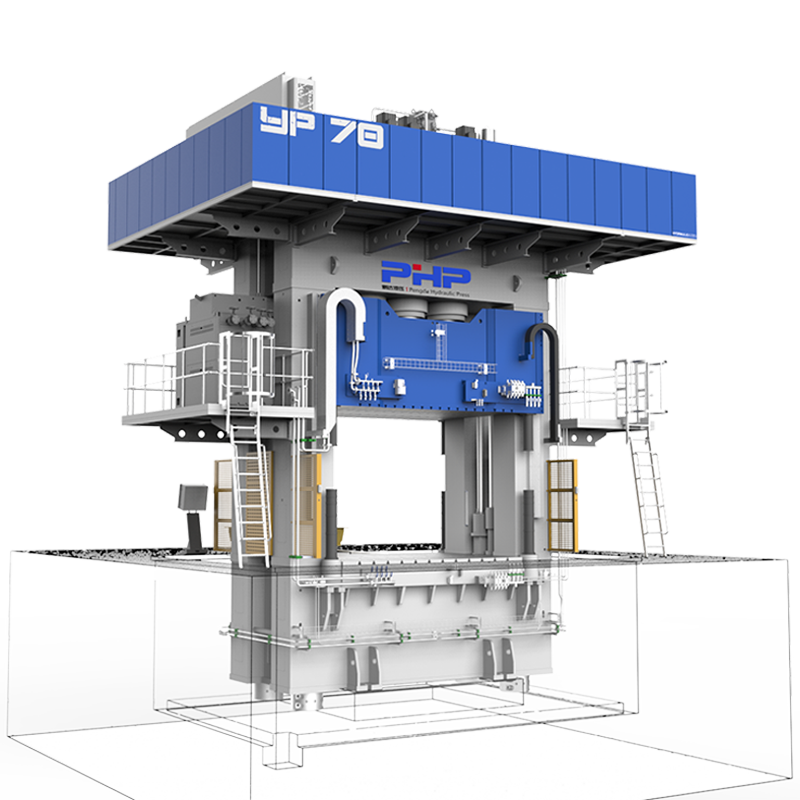
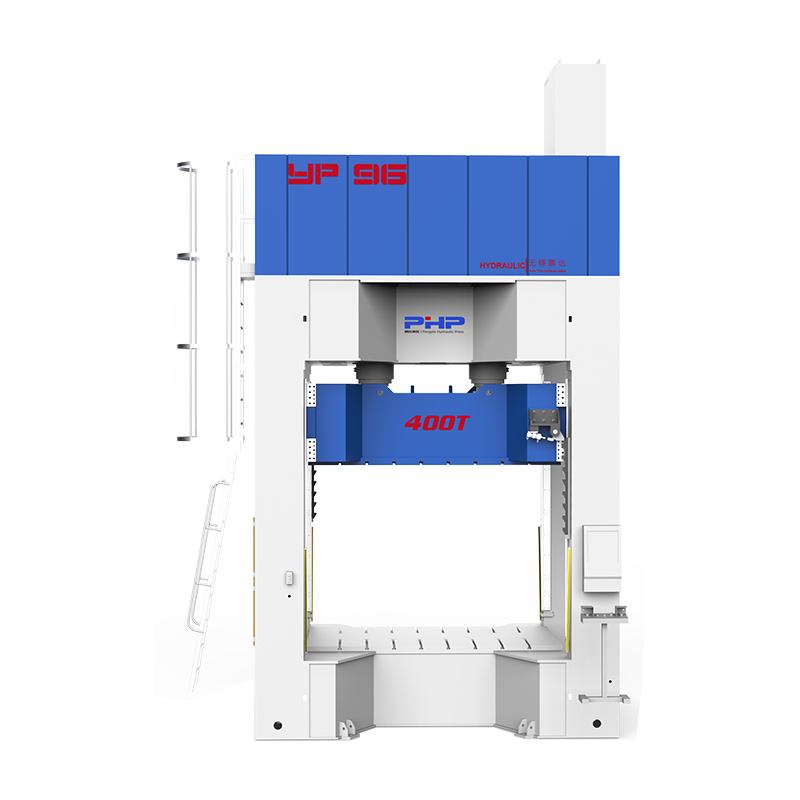
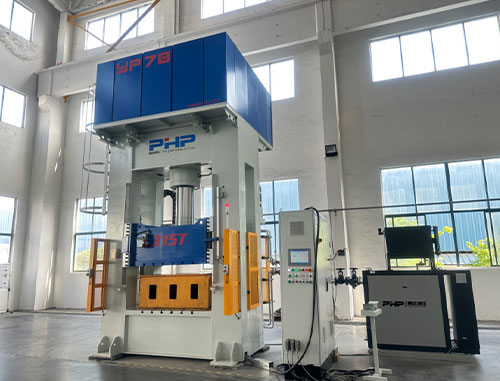
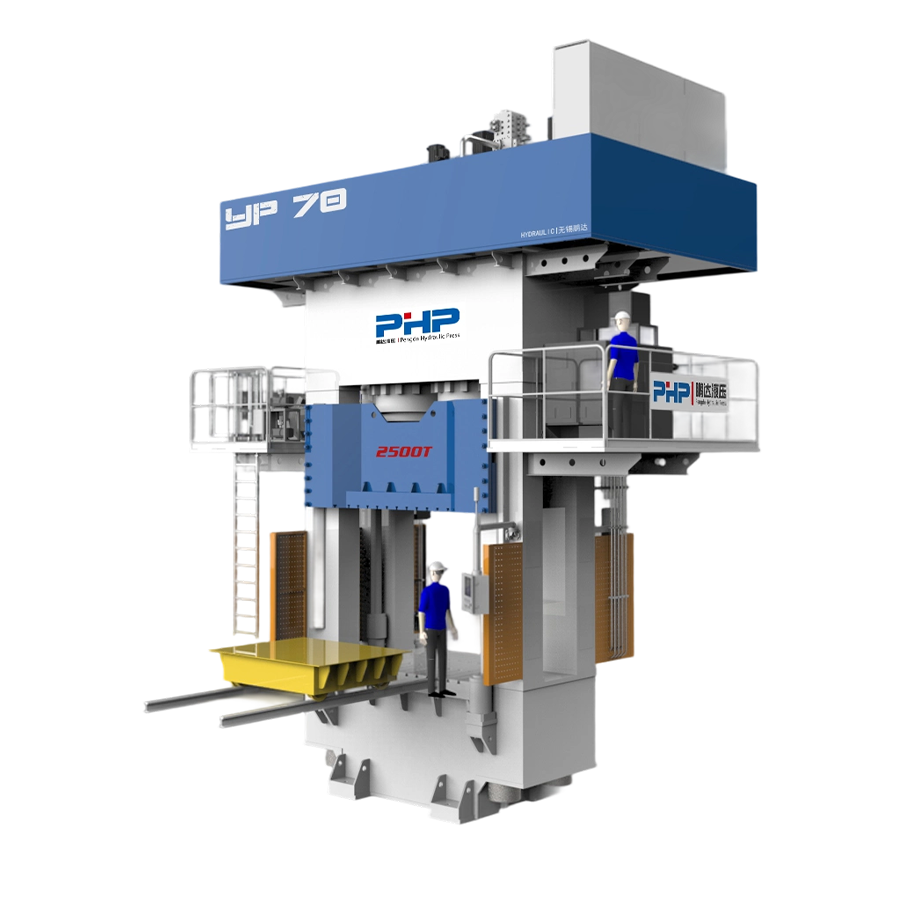
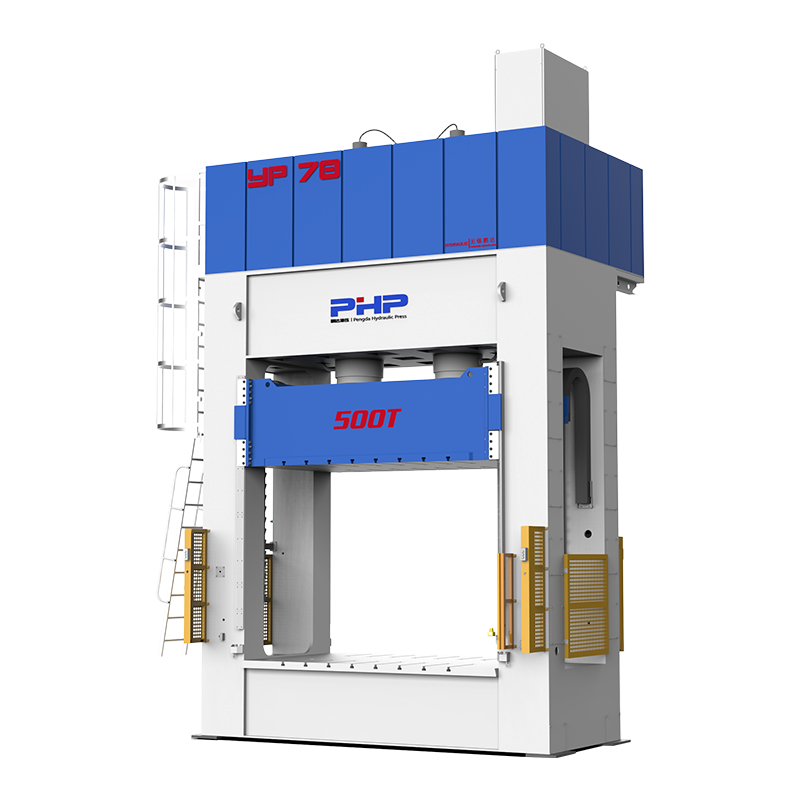
Servo presses can be easily programmed for different molding processes and materials. PHP's R&D focuses on two categories of non-metallic molding presses:
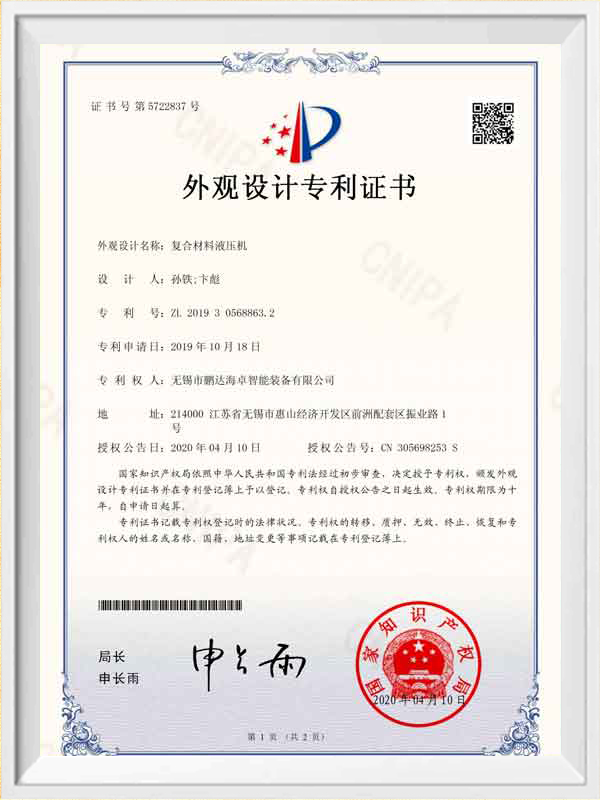
- Servo Composite Hydraulic Presses: Suitable for SMC, LFT-D, GMT, HP-RTM, STM, and carbon fiber high-temperature applications across industries like new energy vehicles, aerospace, rail transit, urban construction, and military products.
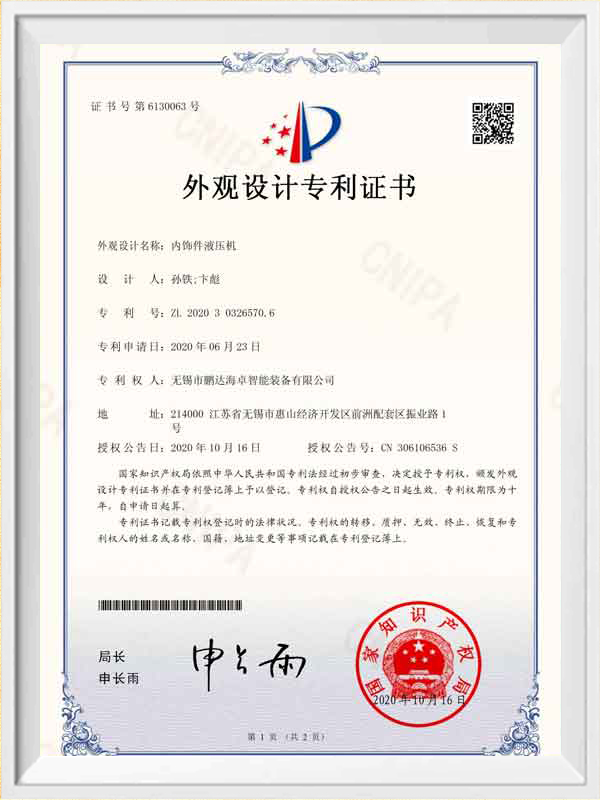
- Servo Interior Parts Hydraulic Presses: Used for automotive interior processes such as molding, compounding, punching, and heating, including overhead liners, carpets, luggage compartments, seats, soundproof components, and wheelhouses.
5. Stability, Safety, and Maintenance
Servo presses offer operational stability with less mechanical wear, leading to reduced maintenance requirements. Advanced safety systems are integrated for operator protection. Traditional hydraulic presses may require more frequent maintenance due to higher mechanical stress.
Parameter Comparison
| Feature |
BMC Servo Molding Press |
Traditional Hydraulic Press |
| Clamping Force Control |
Servo-driven, precise and programmable |
Mechanical/hydraulic, less precise |
| Energy Consumption |
Low, only during motion |
High, continuous operation |
| Cycle Time |
Short, faster mold operations |
Longer, slower mechanical motion |
| Maintenance |
Reduced, less mechanical wear |
Frequent, higher wear on components |
| Applications |
Thermoset composites, SMC, GMT, LFT-D, HP-RTM |
General molding, limited composite capability |
BMC servo molding presses outperform traditional hydraulic presses in terms of precision, energy efficiency, cycle time, and flexibility. PHP(Pengda Hydraulic Press) leverages these technologies to produce stable, reliable, and energy-saving non-metallic presses tailored for diverse industrial applications. Companies seeking high-quality, efficient, and sustainable molding solutions can greatly benefit from adopting servo-driven press technology.

 English
 中文简体
中文简体 Español
 Português
 Deutsch
 русский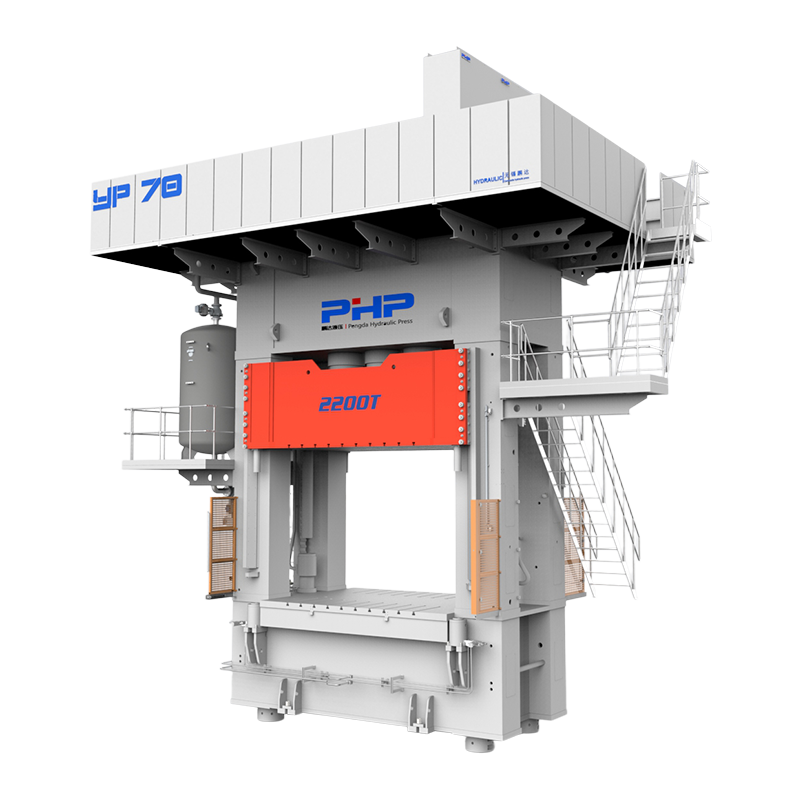


 2026/09/11


