English
 中文简体
中文简体 Español
 Português
 Deutsch
 русский
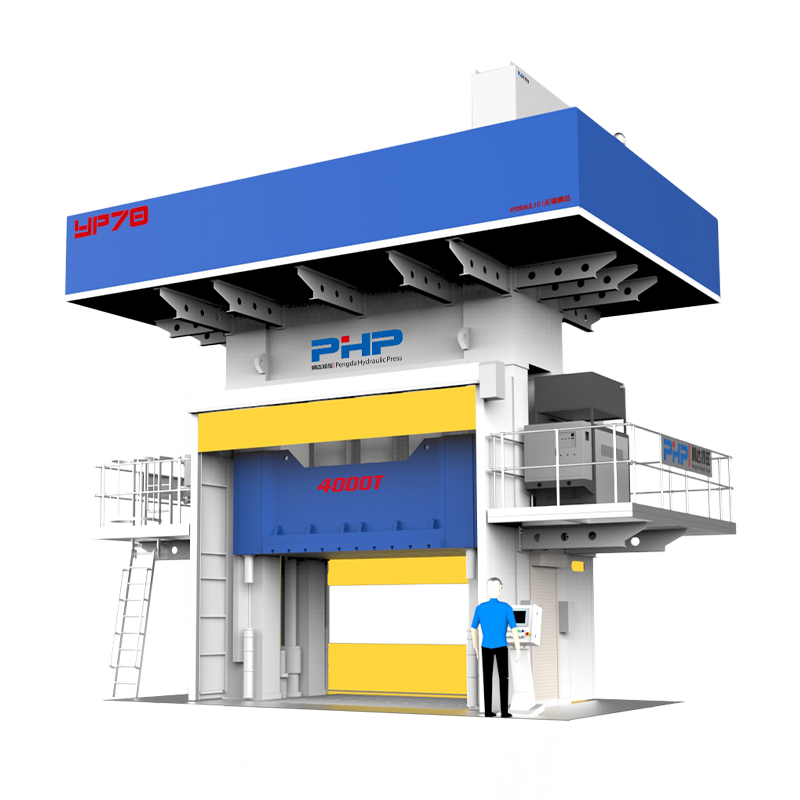
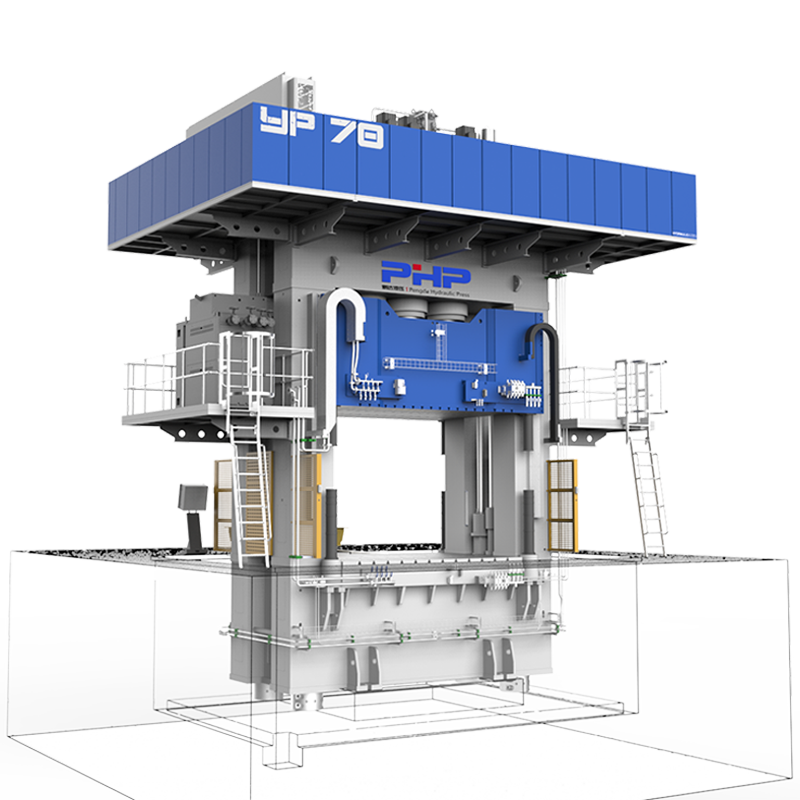
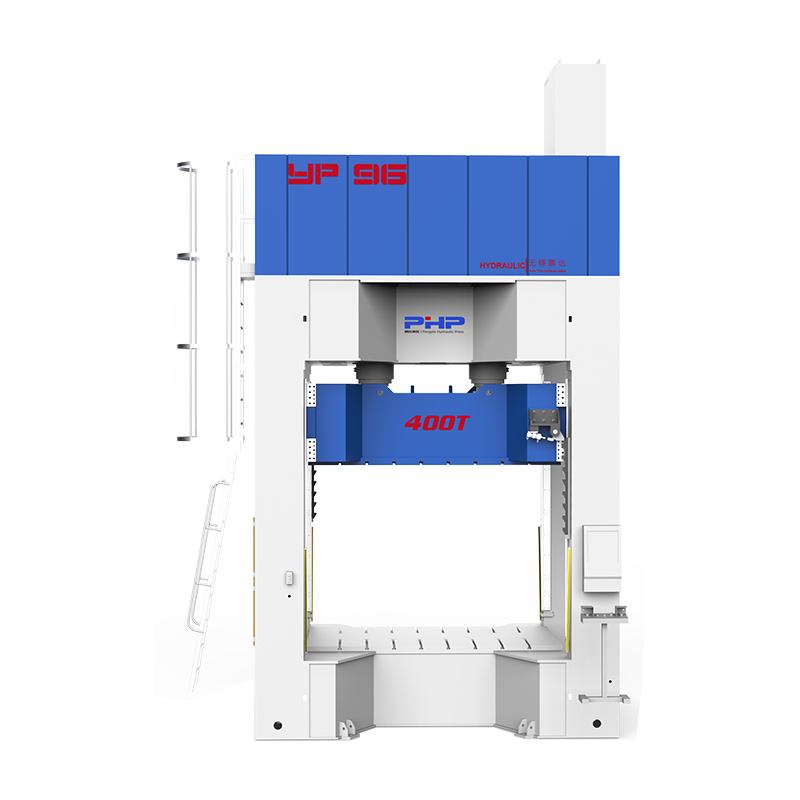
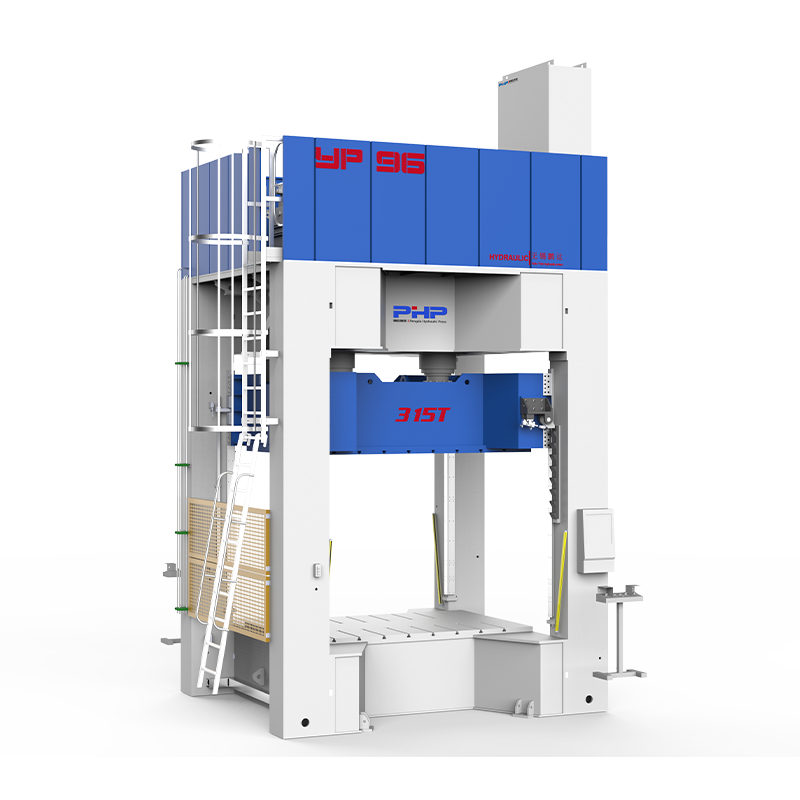
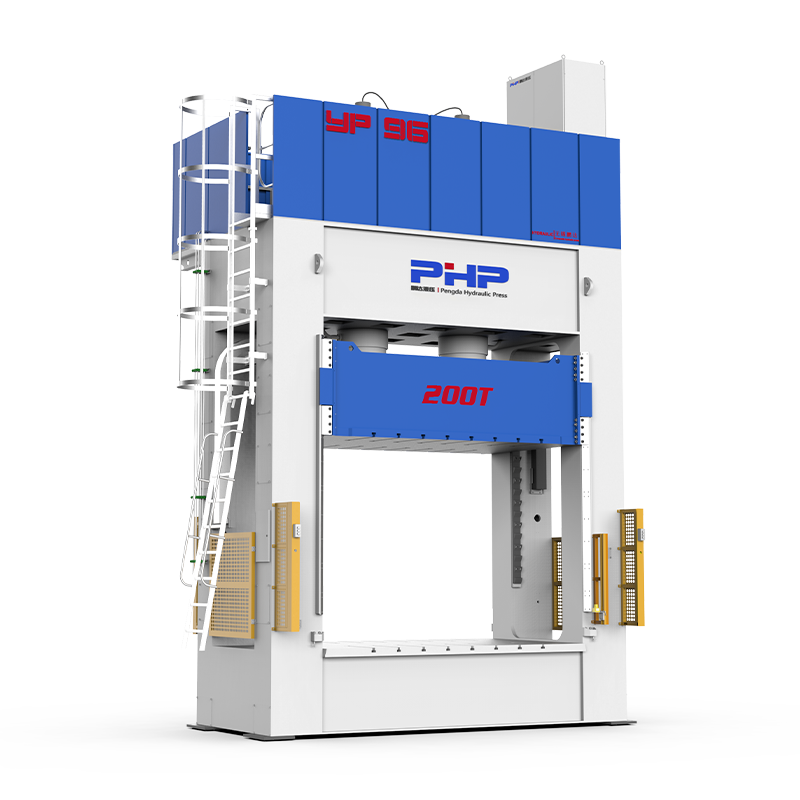


PEEK — polyether ether ketone — occupies the extreme performance end of the engineering thermoplastics spectrum. Its mechanical properties at elevated temperature, its chemical resistance across virtually all industrial solvents and fluids, and its biocompatibility make it the material of choice for applications where every other polymer fails. But these same properties that make PEEK uniquely capable also make it one of the most technically demanding thermoplastics to process. PEEK requires press equipment, mold temperatures, and process conditions that are fundamentally different from standard thermoplastic molding, and using inadequate equipment produces parts with compromised properties that give no warning of failure until they occur in service.
Content
What Makes PEEK Different from Standard Engineering Thermoplastics?
PEEK is a semi-crystalline aromatic polyketone polymer. Its outstanding performance — continuous service temperature of 250°C, peak short-term temperature resistance to 300°C+, tensile strength of 100 MPa (unfilled), flexural modulus of 4.1 GPa, and resistance to virtually all chemicals except concentrated sulfuric acid — derives from the combination of the rigid aromatic backbone structure and the semi-crystalline morphology of the polymer matrix.
The semi-crystalline nature of PEEK is both its greatest asset and its primary processing challenge. PEEK crystallizes within a narrow temperature window: the glass transition temperature (Tg) is approximately 143°C, and the melting point (Tm) is approximately 343°C. Between these temperatures, PEEK is in a rubbery, amorphous state. Below Tg, crystallization is kinetically inhibited — cooling too rapidly produces an amorphous PEEK with significantly lower mechanical properties, reduced chemical resistance, and inferior fatigue performance compared to properly crystallized PEEK. Achieving the target crystallinity — typically 30–35% crystalline fraction for optimal balanced properties — requires precise mold temperature control in the 160–200°C range throughout the forming and cooling cycle.
PEEK Material Grades and Their Molding Implications
Unfilled PEEK
Unreinforced PEEK provides the base mechanical properties of the polymer matrix and the highest biocompatibility — no fiber or filler additives that could affect implant or medical device performance. Unfilled PEEK is the standard for spinal fusion cages, orthopedic implants, and dental abutments where direct tissue contact occurs. It is also used in semiconductor processing equipment where contamination from fiber or filler particles must be eliminated. Processing temperatures: melt temperature 360–400°C, mold temperature 160–200°C for proper crystallization.
Carbon Fiber Reinforced PEEK (CF-PEEK)
Adding 30% short carbon fiber to PEEK dramatically increases its specific stiffness and fatigue resistance while reducing the coefficient of thermal expansion — making CF-PEEK the standard for aerospace structural brackets, aircraft interior structural parts, and precision instrumentation components where dimensional stability across a wide temperature range is critical. CF-PEEK at 30% carbon fiber achieves tensile strength of 210 MPa and flexural modulus of 18 GPa — significantly higher than unfilled PEEK. The carbon fiber reduces the material's electrical resistivity, which may be relevant for some applications.
Glass Fiber Reinforced PEEK (GF-PEEK)
30% glass fiber reinforced PEEK provides improved stiffness over unfilled PEEK while retaining electrical insulation properties and higher impact toughness than CF-PEEK. GF-PEEK is used in electrical connector housings, pump components, valve bodies, and industrial fluid handling applications where both chemical resistance and electrical insulation are required.
PTFE- and Graphite-Filled PEEK
PTFE and graphite additions to PEEK dramatically reduce its coefficient of friction and wear rate, making filled PEEK the standard for bearing and wear surfaces in high-temperature, high-load applications: compressor valves, thrust washers, piston rings, and bushings operating at temperatures where conventional PTFE bearings would deform. The wear rate of PTFE-filled PEEK against steel can be two to three orders of magnitude lower than unfilled PEEK under lubricated conditions.
PEEK Compression Molding: Process Requirements
Temperature Requirements
PEEK compression molding — whether from PEEK sheet stock (thermoforming) or from PEEK granule charge — requires melt temperatures of 360–400°C, which is 100–150°C higher than the processing temperature of standard engineering thermoplastics like PA or PPS, and 200–250°C higher than polypropylene. This temperature requirement has direct implications for the press and mold design: all components in contact with PEEK melt or the forming material must withstand these temperatures continuously, including the platen heating system, the mold tooling, and any handling or ejection components.
Standard press platen heating systems designed for SMC or LFT-D molding (maximum 200°C) are completely inadequate for PEEK processing. PEEK press equipment requires dedicated high-temperature heating systems — electrical resistance heating or high-pressure steam systems — capable of maintaining platen temperatures at 160–200°C for crystallization control while simultaneously providing mold face temperatures that can reach 380–400°C during the forming phase if hot tool processing is used.
PEEK Sheet Thermoforming Process
PEEK sheet thermoforming uses a pre-consolidated PEEK composite sheet (typically CF-PEEK or GF-PEEK) that is heated above the melting point in a separate oven or infrared heating system, then rapidly transferred to the compression press, where it is formed against a temperature-controlled mold. The transfer from oven to press must be completed in seconds — PEEK sheet loses heat rapidly and partially crystallizes below 300°C, losing its formability. The press must close immediately upon charge placement, and the forming speed must be sufficient to complete the shape before the sheet temperature drops below the crystallization window.
After forming, the mold temperature determines the crystallization outcome. A mold maintained at 160–200°C allows the PEEK to crystallize slowly at an optimum rate, producing maximum crystallinity and best mechanical properties. A cold mold (below 143°C) produces amorphous PEEK with inferior properties. For aerospace and structural applications where mechanical performance is the design driver, hot tool PEEK thermoforming with controlled mold temperature is the required process — not cold tool rapid-quench forming.
PEEK Compression Molding from Granule or Powder
For PEEK components with complex three-dimensional geometry that cannot be formed from sheet, compression molding from PEEK granules or powder charge in a fully heated mold is the alternative process. The mold is pre-heated to 380–400°C, the PEEK charge is placed in the cavity, the press closes, and the PEEK melts, flows, and fills the cavity under pressure. The mold is then cooled under maintained pressure through the crystallization window (300°C to 200°C) at a controlled rate, then to the demolding temperature. This process requires presses capable of both high-temperature mold heating and controlled cooling under pressure — a significantly more demanding thermal management requirement than standard thermoplastic or thermoset molding.
Press Specifications Required for PEEK Molding
| Parameter | Standard Thermoplastic Press | PEEK-Capable Press |
|---|---|---|
| Platen temperature (max) | 150–200°C | 400°C minimum; 450°C recommended |
| Heating system | Hot water or steam circulation | Electric resistance or high-pressure steam; multi-zone control |
| Temperature uniformity | ±5–10°C acceptable | ±3°C required across the full platen for crystallization control |
| Cooling capability | Standard water cooling | Controlled cooling rate management — not just fast cooling |
| Pressure control | Standard proportional control | Closed-loop servo pressure control — maintained through crystallization |
| Closing speed | Standard programmable | High-speed close essential for sheet thermoforming — sub-3 seconds |
| Platen material | Standard steel | High-temperature tool steel with insulation backing |
| Insulation | Minimal | Full thermal insulation between the platens and the press frame is required |
| Safety systems | Standard guarding | High-temperature burn protection; enhanced thermal isolation |
Applications That Justify PEEK Molding Investment
Aerospace Structural Components
CF-PEEK composite parts in aircraft structures — brackets, clips, seat track fittings, access panel frames, floor beam attachments — offer specific stiffness competitive with aluminum at 40–50% weight reduction, with no corrosion risk, no fatigue from electrochemical galvanic coupling with carbon fiber composite skins, and full recyclability. The cost premium of PEEK versus standard aerospace thermoset composites (carbon fiber prepreg) is justified by the shorter cycle time of compression molding versus autoclave curing, which can reach several hours per part batch for prepreg laminates.
Medical Device and Implant Components
PEEK's combination of biocompatibility (ISO 10993 compliant), radiolucency (does not block X-ray imaging), modulus close to cortical bone (3–18 GPa depending on reinforcement), and sterilization resistance (autoclave, gamma, ETO) makes it the standard material for spinal interbody fusion devices, trauma fixation plates, and dental prosthetic components. The medical device market accepts the high material and processing cost of PEEK because no alternative polymer meets all of these requirements simultaneously.
Semiconductor and Electronics Manufacturing Equipment
PEEK's chemical resistance to process chemicals used in semiconductor fabrication — acids, solvents, plasmas, high-temperature processing environments — and its extremely low particle generation make it the standard structural material for wafer handling fixtures, process chamber components, and fluid handling systems in semiconductor fabs. The dimensional stability of CF-PEEK at the tight tolerances required in wafer handling automation is an additional advantage over metals, which expand thermally and require compensation in precision positioning systems.
Frequently Asked Questions
Can standard injection molding machines process PEEK?
Yes — PEEK can be processed by injection molding on machines with appropriate barrel and screw materials rated for 400°C+ melt temperatures, and with heated mold temperature control capable of maintaining the 160–200°C crystallization temperature. Standard injection molding machines with standard steel screws, barrels, and unheated molds are not suitable for PEEK processing. The key equipment requirements are: a high-temperature barrel and screw (bimetallic or tool steel), heated mold temperature control to 200°C, and processing knowledge of PEEK's narrow crystallization window. For complex 3D parts in small to medium volumes, injection molding of PEEK is practical. For flat or moderately contoured parts in sheet form for aerospace or structural applications, compression molding and thermoforming are more appropriate.
What is the difference between PEEK sheet thermoforming and PEEK compression molding?
PEEK sheet thermoforming starts from a pre-consolidated flat sheet of PEEK composite (typically CF-PEEK or GF-PEEK), heats it above the melting point, and forms it in a single rapid forming step in a temperature-controlled press. This process is optimal for parts with relatively uniform thickness and moderate curvature — aerospace brackets, structural clips, medical plates — where the continuous fiber architecture of the consolidated sheet provides superior mechanical properties compared to a molded charge. PEEK compression molding from granules or powder starts from unprocessed raw material and forms complex three-dimensional shapes in a fully heated mold — it is more flexible in geometry but produces parts with random short fiber architecture rather than the aligned or quasi-isotropic architecture of consolidated sheet. The choice between the two depends primarily on part geometry and the fiber architecture required for the structural design.
How does PEEK compare to titanium for aerospace brackets?
CF-PEEK brackets with 30% carbon fiber reinforcement achieve specific stiffness (stiffness divided by density) comparable to titanium while offering several practical advantages: no galvanic corrosion risk when in contact with carbon fiber composite skins (titanium also has this advantage over aluminum, but PEEK eliminates the metal-composite interface); electromagnetic transparency (no RF shielding effect); and the ability to mold complex geometry with integrated features in a single part, eliminating the multi-piece assembly required for machined titanium brackets. The disadvantage is higher material and tooling costs for small quantities, and lower in-plane strength than titanium for highly loaded point connections where bearing stress is the design driver. For lightly loaded structural clips, fairings, and access panel frames, CF-PEEK is increasingly specified as a titanium replacement in aircraft interior structures.
PEEK Sheet Thermoforming Press | PEEK Molding Press | Aerospace Industry Solutions | Automotive Industry Solutions | Contact Us