English
 中文简体
中文简体 Español
 Português
 Deutsch
 русский
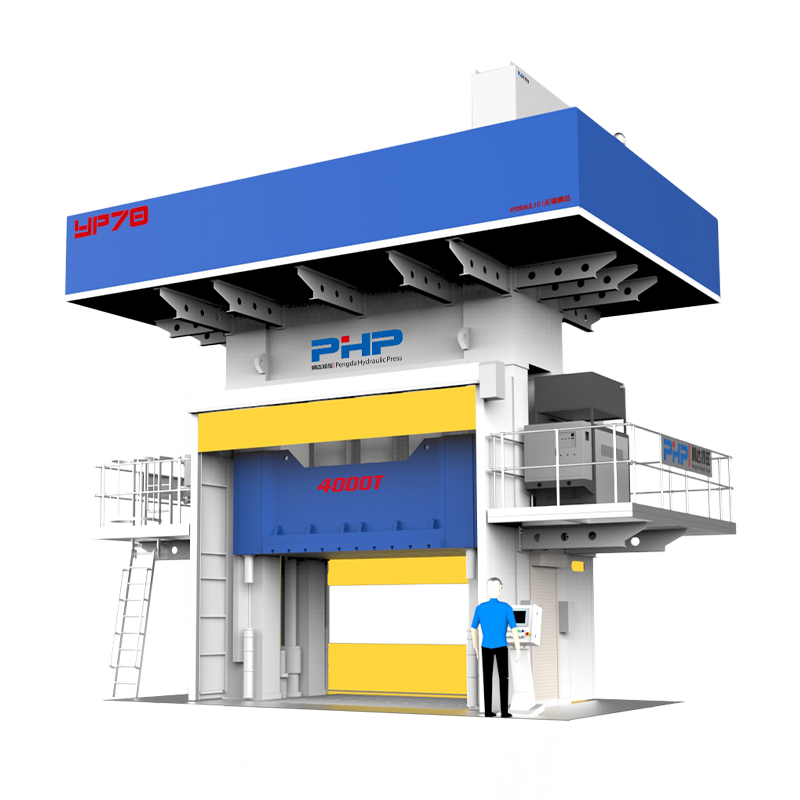
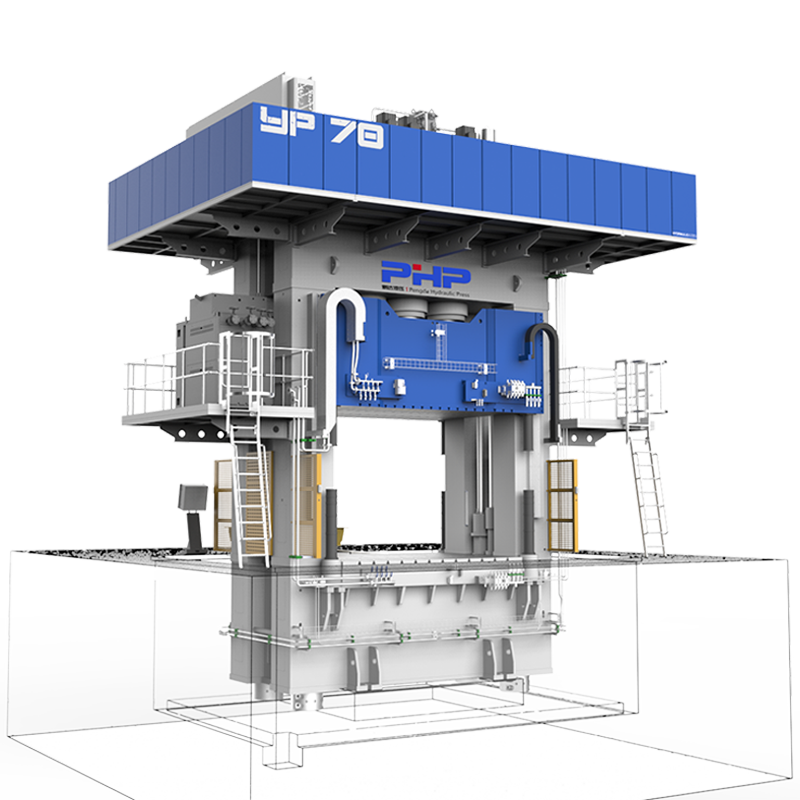
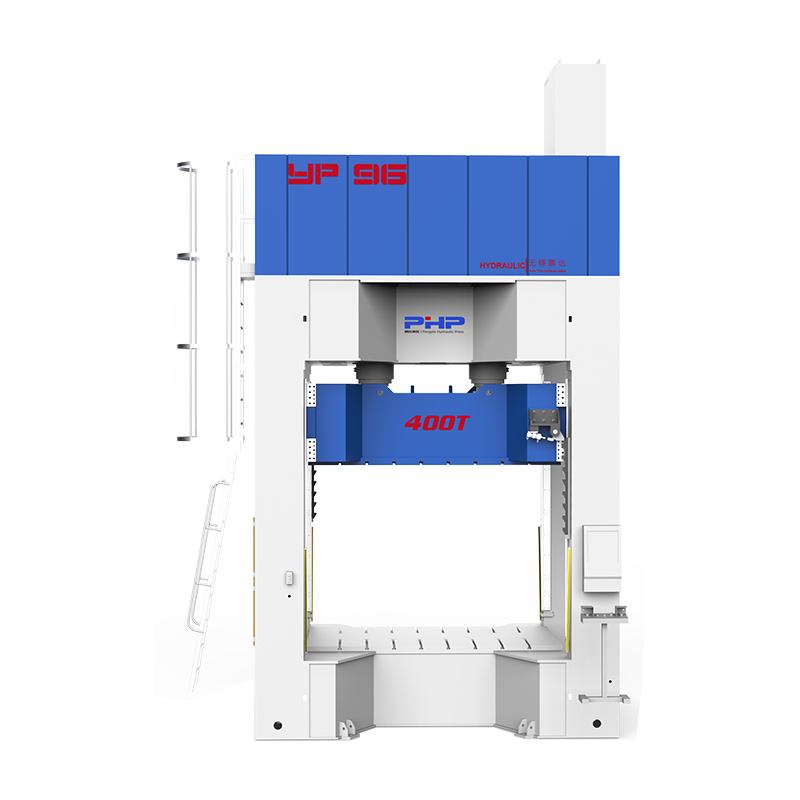
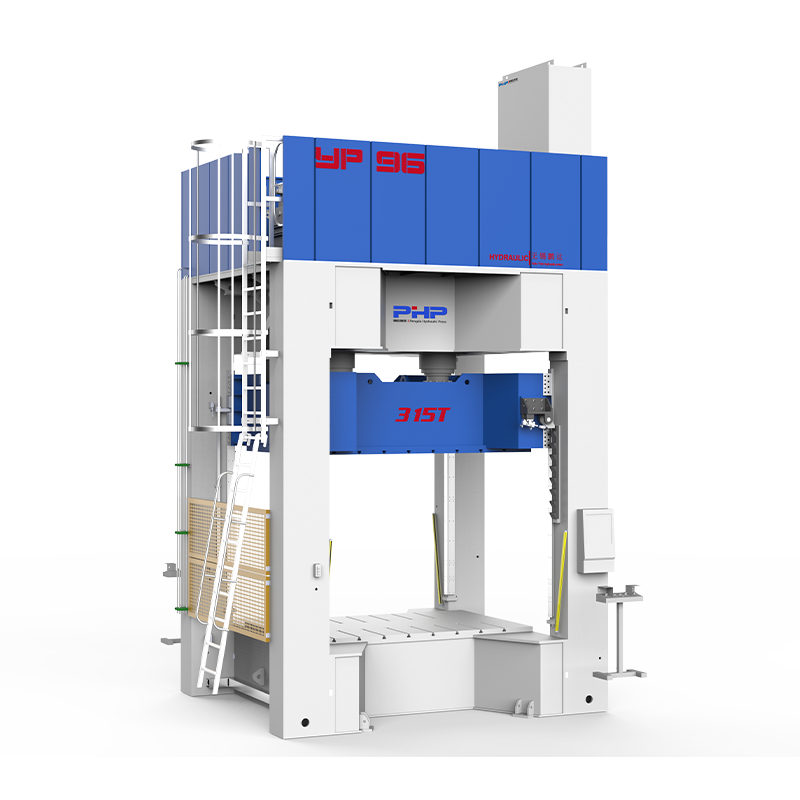
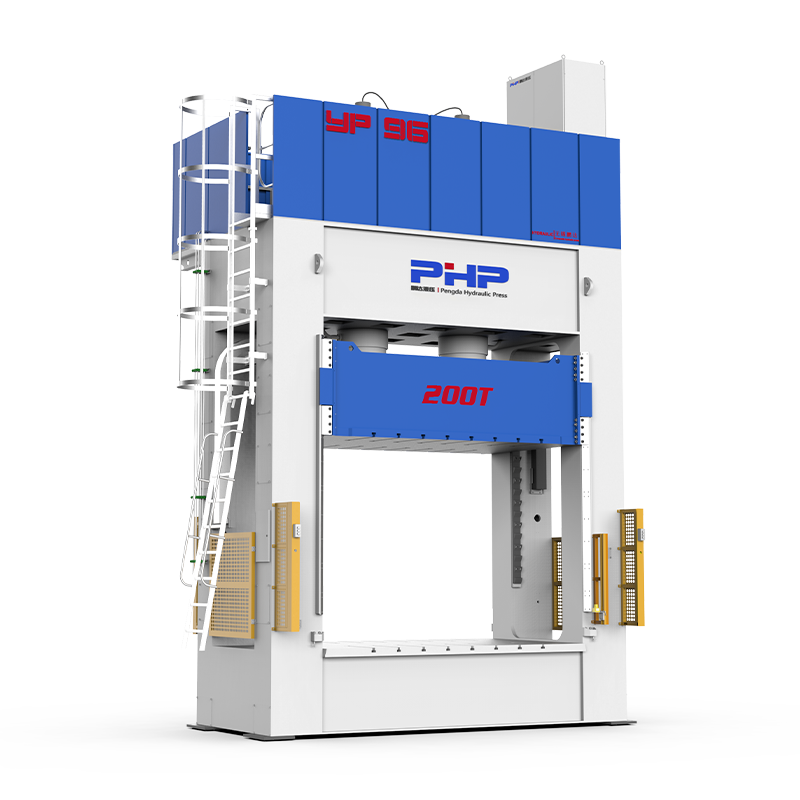


LFT-D — Long Fiber Thermoplastic Direct — is one of the most significant process innovations in automotive composite manufacturing of the past two decades. It has enabled the production of large, structurally capable thermoplastic composite parts at cycle times and cost levels compatible with high-volume automotive production, and it is progressively displacing glass mat thermoplastic (GMT) as the structural composite of choice for automotive underbody, semi-structural, and interior structural applications. For engineers and procurement teams evaluating thermoplastic composite manufacturing processes, understanding how LFT-D works and what differentiates it from GMT and other processes is foundational to making the right technology investment.
Content
What Is LFT-D and How Does It Differ from Standard LFT?
LFT (Long Fiber Thermoplastic) is a broad category of composite materials in which long glass or carbon fibers — typically 10–25mm in finished part — are incorporated into a thermoplastic polymer matrix (polypropylene, polyamide, or PET are the most common). Long fiber reinforcement retains significantly more mechanical performance than the short fibers (under 1mm) in standard injection-molded glass-filled thermoplastics, particularly in impact resistance, creep resistance, and structural stiffness.
LFT-D specifically refers to a direct in-line compounding process: the thermoplastic matrix and glass fiber reinforcement are compounded together immediately before molding, in a continuous process on the same production line. This is the defining distinction from granule-based LFT (also called G-LFT or LFT pellets), where the composite material is compounded in a separate operation, pelletized, stored, and then reprocessed through a second heating cycle at the press. In LFT-D, the material is produced and molded in a single thermal cycle — the fiber and matrix are never allowed to cool and resolidify between compounding and pressing. This single-cycle processing preserves maximum fiber length in the finished part, which is the primary reason LFT-D produces superior mechanical properties compared to equivalent granule-based LFT processed through a conventional compression molding flow.
How the LFT-D Production Line Works
Stage 1: Resin Plasticization
The thermoplastic resin — typically polypropylene (PP) in a high-melt-flow-rate grade formulated for fiber impregnation — is fed as granules into a twin-screw extruder. The extruder melts and homogenizes the resin with any additives: coupling agents that improve fiber-matrix adhesion, UV stabilizers, flame retardants, colorants, and impact modifiers. Melt temperature is maintained in the range of 180–240°C, depending on the resin system.
Stage 2: Fiber Impregnation and Compounding
Glass fiber rovings are fed directly from creels into the extruder at a downstream impregnation zone, where the melted resin wets the fiber bundles under controlled shear. The extruder screw geometry in the impregnation zone is specifically designed to spread and wet the fiber without the high shear that would break fibers to short lengths. Fiber content in LFT-D parts typically ranges from 30% to 50% by weight; higher fiber content requires careful extruder design to achieve complete impregnation without dry fiber bundles.
Stage 3: Charge Formation
The continuous extrudate exits the extruder die as a rope or flat profile of fiber-reinforced melt. A robotic or automated handling system cuts the extrudate into charge pieces of the required weight and places them on the lower mold tool in the predetermined charge pattern. This stage requires precise weight control and consistent placement to achieve part-to-part dimensional consistency and uniform fiber distribution in the molded part. The charge is at melt temperature when loaded into the press — typically 180–220°C — and the press must close quickly to capture the charge before a significant temperature drop occurs.
Stage 4: Compression Molding
The LFT-D press closes rapidly, compressing the hot thermoplastic charge against the temperature-controlled mold surface. Unlike thermoset SMC molding, the mold in LFT-D is cooled — mold temperature is typically 40–80°C, well below the crystallization temperature of the PP matrix. As the press holds at molding pressure, heat flows from the charge into the mold faces, and the PP matrix crystallizes and solidifies. The part can be demolded as soon as the core temperature drops below the softening point — typically 60–90 seconds after press closure for a standard 3–4mm wall thickness part, significantly faster than thermoset SMC cure times.
How LFT-D Compares to GMT
| Feature | LFT-D | GMT (Glass Mat Thermoplastic) |
|---|---|---|
| Material form | In-line compounded melt — no pre-made material stock | Pre-consolidated sheet — requires infrared oven pre-heating |
| Fiber architecture | Random chopped long fiber — isotropic in-plane properties | Continuous random mat — isotropic, better through-thickness |
| Fiber length in part | 10–25mm depending on process settings | Continuous (mat fiber) — theoretically unlimited |
| Fiber content range | 30–50% by weight — adjustable in real time | Fixed at material manufacture — 30–40% typical |
| Material cost | Lower — raw resin + roving, no pre-consolidation premium | Higher — pre-consolidated sheet commands a material premium |
| Formulation flexibility | High — resin, fiber content, and additives are adjustable per program | Fixed at GMT manufacturer — limited customization |
| Cycle time | Competitive — no separate oven heating step required | Requires infrared oven preheating — adds 60–90 seconds per cycle |
| Part complexity | Moderate — ribs and bosses achievable; deep draws challenging | Similar — sheet conformability limits deep draws |
| Recyclability | Excellent — thermoplastic matrix fully recyclable | Excellent — thermoplastic matrix fully recyclable |
| Weldability | Yes — vibration, ultrasonic, hot plate welding, all applicable | Yes — same welding options as LFT-D |
| Surface quality | Structural surface — not Class A without secondary processing | Structural surface — similar to LFT-D |
| Investment cost | Higher — extruder + press + automation system | Lower — press + oven (simpler line) |
| Production volume suitability | Medium to high volume — extruder investment amortized at scale | Low to medium volume — simpler line works at lower volumes |
| Typical applications | Underbody shields, seat structures, cargo floors, door modules | Seat backs, trunk floors, spare wheel covers, door panels |
Press Specifications Critical for LFT-D Molding
Closing Speed and Response Time
LFT-D is a time-critical process: the charge is at melt temperature when loaded, and every second of delay before the press closes represents heat loss and viscosity increase that degrades flow and fiber distribution in the molded part. An LFT-D press must achieve full close from open position in 3–5 seconds — faster than a standard SMC or GMT press requires. This demands a large-bore hydraulic system with rapid response accumulators and a servo control system capable of executing a pre-programmed fast-close to slow-close speed transition as the press contacts the charge.
Parallelism Control
LFT-D parts often have large projected areas — underbody shields of 1.5–2.0 m² are common. Maintaining platen parallelism across this area under a 1,000–3,000 kN pressing force requires active leveling control. Presses equipped with four-corner position sensors and individual hydraulic cylinder servo correction can maintain parallelism to ±0.1mm across the full platen — essential for consistent part thickness and fiber distribution in large structural LFT-D parts.
Mold Temperature Control
LFT-D mold temperature must be maintained consistently in the 40–80°C range for proper PP crystallization kinetics. Temperature too low accelerates skin freeze before the charge has fully flowed, producing unfilled areas. A temperature too high extends cycle time and may cause surface defects from delayed crystallization. Multi-zone water temperature control circuits — cooling the mold to the target temperature while extracting the heat transferred from each hot charge — require a press designed with built-in mold temperature control connections and flow routing.
Ejection System Design
LFT-D parts are typically demolded at temperatures well above ambient — the core may still be at 60–80°C at ejection — to maintain production cycle time targets. Parts at this temperature are more susceptible to distortion from non-uniform ejection force. The press ejection system must provide uniform, controlled ejection force across the full part footprint, with ejector pin patterns engineered to the part geometry. For large structural parts, robot-assisted ejection and controlled placement on cooling fixtures is standard practice.
Applications of LFT-D in Automotive Manufacturing
Underbody Aerodynamic and Protective Panels
Engine undershields, transmission covers, and aerodynamic belly panels produced in LFT-D PP replace equivalent steel stampings at 30–40% lower weight while meeting stone chip impact, temperature resistance (continuous 120°C, peak 150°C for PP-based LFT), and NVH (noise, vibration, harshness) damping requirements. The recyclability of the PP matrix is an increasing program requirement from European automakers targeting end-of-life vehicle recycling compliance.
Load Floor and Cargo Structures
Trunk load floors, cargo area floors in SUVs and commercial vans, and spare wheel covers are high-volume LFT-D applications where the material's stiffness-to-weight ratio, dimensional stability, and low tool cost relative to sheet metal stamping create a compelling cost case. LFT-D load floors can integrate ribs, attachment points, and service access cutouts in a single molding, eliminating the multi-piece assembly required in equivalent steel constructions.
Front-End Module Carriers
Front-end module (FEM) carrier structures — which support the radiator, headlights, and front bumper assembly — in LFT-D PA (polyamide) or PP provide the dimensional accuracy and structural stiffness required for this precision-located assembly while enabling the complex rib and boss geometry needed for component mounting in a single molded part. PA-based LFT-D provides better temperature resistance than PP for engine-adjacent applications where sustained temperatures above 120°C are expected.
Frequently Asked Questions
What fiber length does LFT-D achieve in the finished part?
LFT-D in-line compounding preserves fiber lengths of 10–25mm in the finished molded part, compared to 0.2–0.5mm for injection-molded short fiber reinforced thermoplastics. Fiber length in the finished part is influenced by extruder screw design, impregnation zone configuration, and the flow experienced during mold filling — higher flow velocities and more complex mold geometries cause more fiber breakage during molding. Optimizing the LFT-D process to maximize retained fiber length requires careful balancing of extruder settings, charge pattern, and press closing speed. Suppliers offering LFT-D press systems should provide documented fiber length data from representative part production, not just theoretical extruder output.
Can LFT-D be used with carbon fiber instead of glass fiber?
Yes — LFT-D with carbon fiber reinforcement (CF-LFT-D) is technically feasible and is an active area of development for applications requiring higher specific stiffness than glass fiber provides. Carbon fiber LFT-D achieves significantly higher stiffness-to-weight performance than glass fiber LFT-D, but at a higher material cost (carbon fiber roving is 5–10× the cost of equivalent glass fiber roving). Current applications of CF-LFT-D are primarily in premium automotive structural components, motorsport, and aerospace, where the weight-performance premium is economically justified. Extruder and impregnation zone design for carbon fiber requires specific adaptations compared to glass fiber processing — carbon fiber's higher tensile modulus and brittleness make fiber preservation during compounding more challenging.
How does LFT-D cycle time compare to injection molding?
For large structural parts in the 1–3 kg weight range, LFT-D compression molding achieves cycle times of 60–120 seconds — comparable to or faster than injection molding at equivalent part size, without the injection molding's high gate pressure that limits fiber length retention. Injection molding of large parts requires extended fill times and high injection pressures that break long fibers to short lengths, negating the structural reinforcement advantage. For parts where structural properties and part size favor LFT-D, cycle time is not a disadvantage relative to injection molding alternatives.
What resin systems can be used in LFT-D processing?
Polypropylene (PP) is the dominant matrix resin in LFT-D processing due to its low melt viscosity (enabling good fiber impregnation), low cost, recyclability, and adequate performance for most underbody and interior structural applications. Polyamide 6 (PA6) and Polyamide 66 (PA66) are used for higher-temperature applications — engine compartment components, thermally loaded structural parts — where PP's 120°C continuous temperature limit is insufficient. PET-based LFT-D is used in specific applications requiring chemical resistance or dimensional stability at elevated temperatures. Each resin system requires a specific extruder configuration, melt temperature range, and mold temperature management for successful processing.
LFT-D Servo Molding Press | GMT Servo Molding Press | SMC Servo Molding Press | Automotive Industry Solutions | Contact Us