English
 中文简体
中文简体 Español
 Português
 Deutsch
 русский
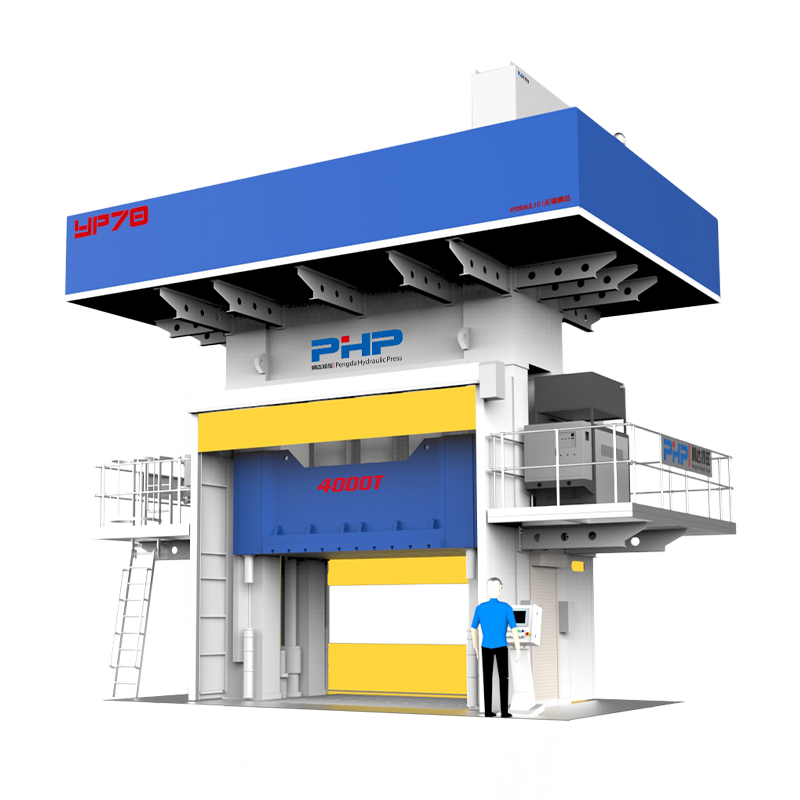
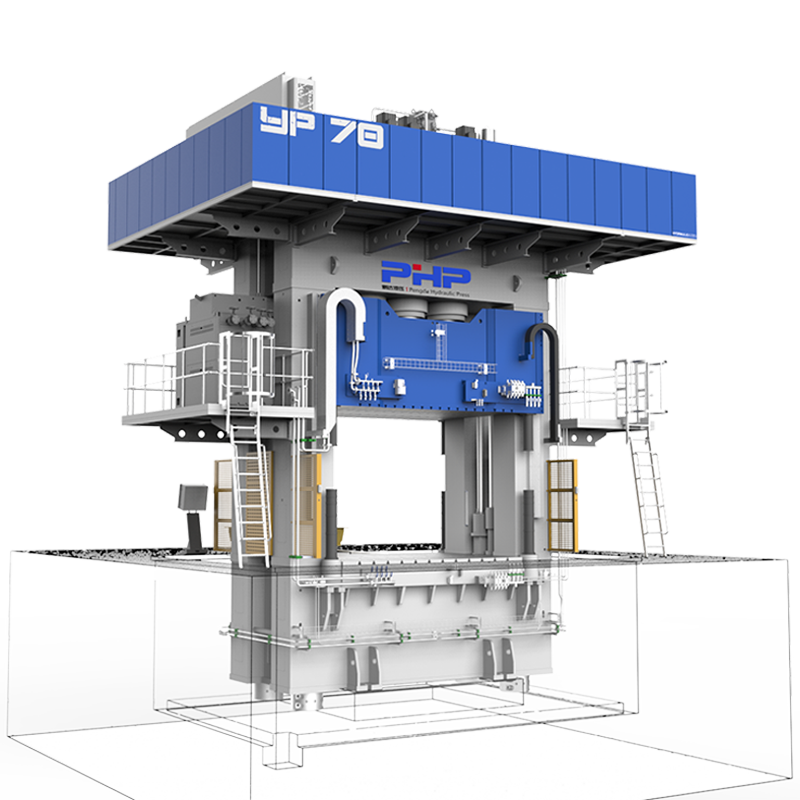
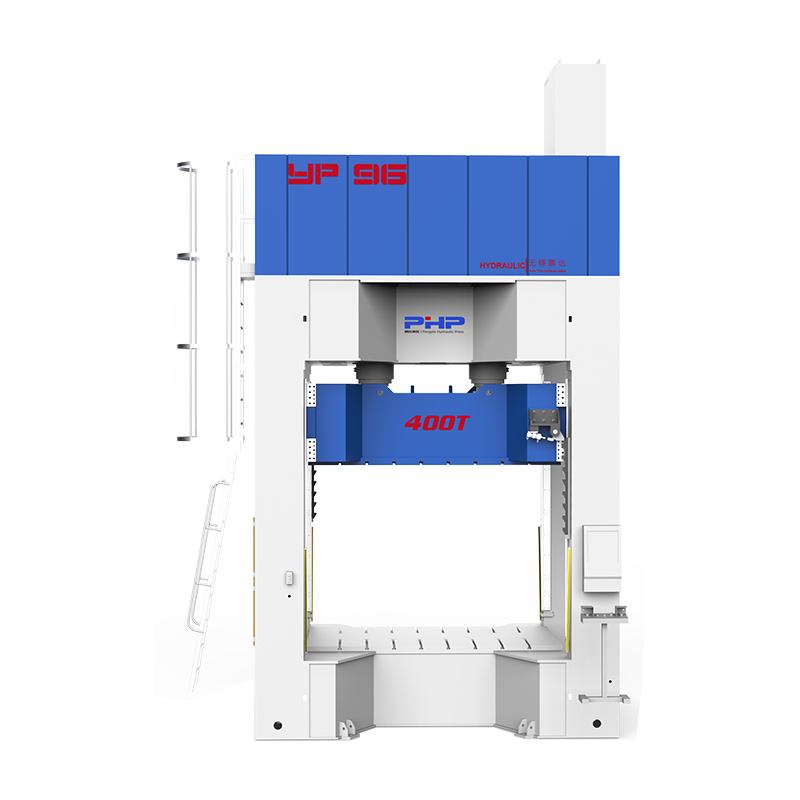
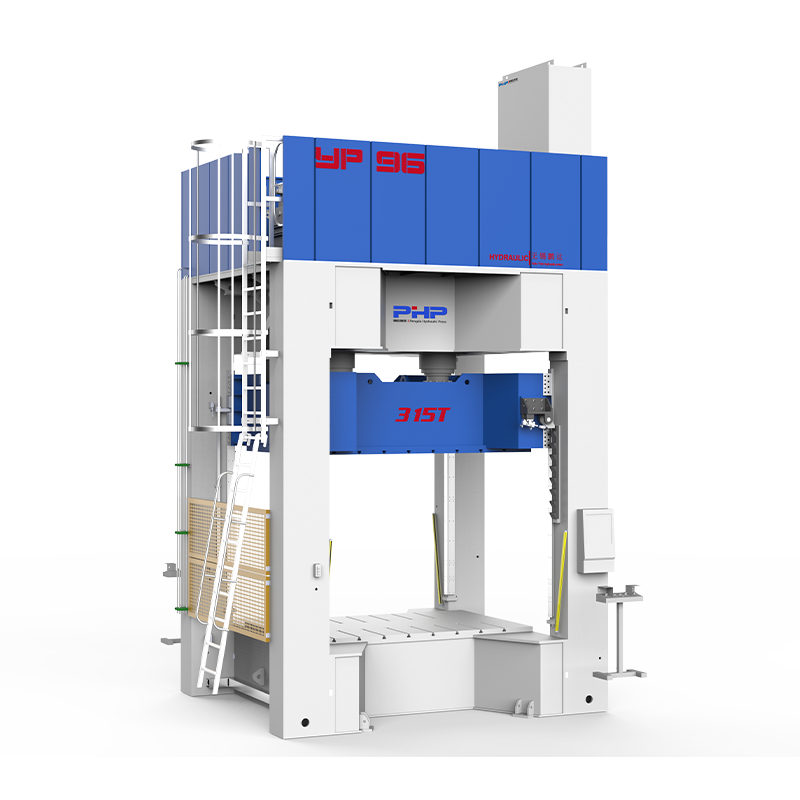
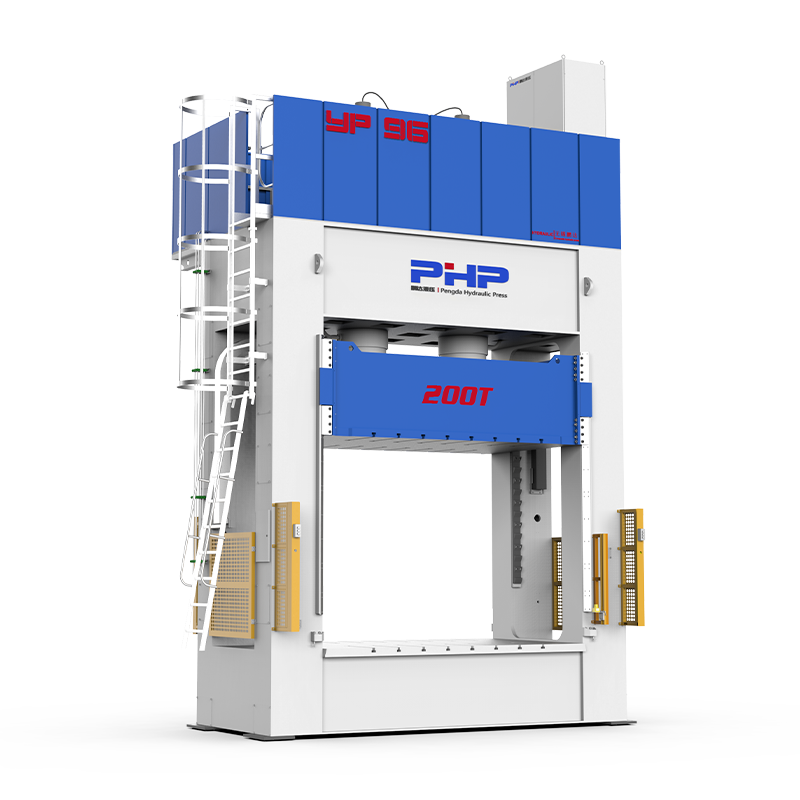


Sheet Molding Compound — universally referred to as SMC — is one of the most widely used fiber-reinforced thermoset composite materials in industrial manufacturing. It is the material behind the hood panels of commercial trucks, the housings of electrical switchgear, the body panels of transit buses, and a growing number of structural components in passenger cars, targeting weight reduction. Understanding what SMC is, how it is manufactured, and how the compression molding press process works is foundational knowledge for any engineering or procurement team evaluating composite manufacturing for new applications.
Content
What Is SMC (Sheet Molding Compound)?
SMC is a ready-to-mold fiber-reinforced thermoset composite material supplied in sheet or roll form. It consists of three primary constituents: chopped glass fiber (typically 25–50mm lengths), an unsaturated polyester or vinyl ester resin system, and a mineral filler (usually calcium carbonate). These components are combined with additional formulation ingredients — thickeners, mold release agents, catalysts, pigments, and low-profile additives — during the SMC manufacturing process to produce a paste that is sandwiched between polyethylene carrier films, rolled into a sheet, and allowed to mature (thicken) before molding.
The glass fiber content of SMC typically ranges from 25% to 35% by weight in standard formulations, rising to 50–65% in structural SMC (HMC — High Strength Molding Compound), where higher mechanical performance is required. The resin matrix is thermoset — it undergoes an irreversible chemical crosslinking reaction during molding when heated under pressure, transitioning from a viscous paste to a rigid, dimensionally stable solid. This crosslinking reaction is what distinguishes thermoset composites like SMC from thermoplastic composites: once cured, SMC cannot be remelted or reformed.
How Is SMC Material Manufactured?
SMC is produced on a specialized compounding line. The resin paste — a mixture of polyester resin, filler, thickener, and additives — is spread onto a moving polyethylene carrier film. Glass fiber rovings are simultaneously chopped to the specified length (typically 25mm for standard SMC) and deposited uniformly onto the resin paste layer. A second layer of resin paste is applied over the fiber layer, and a second carrier film is placed on top of the assembly. The sandwich structure passes through a series of compaction rolls that wet the fibers with resin and consolidate the sheet to a uniform thickness.
After compounding, the SMC sheet is rolled and placed in a temperature-controlled maturation room. Over 24–72 hours at controlled temperature (typically 25–35°C), the thickening agent — magnesium oxide or similar — reacts with the polyester resin to increase the compound's viscosity from a liquid paste to a handleable, dough-like sheet with a leather-like consistency. This maturation process is essential: under-matured SMC sticks to the mold surface and produces surface defects; over-matured SMC does not flow adequately during pressing and leaves unfilled areas in the molded part.
How Does the SMC Compression Molding Process Work?
Step 1: Charge Preparation
The operator removes the carrier films from the matured SMC sheet and cuts it into a predetermined "charge" — a stack of SMC pieces sized and positioned to achieve the target weight and coverage area for the specific part being molded. Charge weight is calculated from the part volume and SMC density (typically 1.85–2.0 g/cm³). Charge pattern — the shape and stacking arrangement of the SMC pieces — is engineered to promote uniform flow across the mold cavity during pressing and minimize knit lines in critical structural areas.
Step 2: Mold Loading
The SMC charge is placed on the lower mold half (cavity tool) in the pre-heated compression press. Mold temperature is typically maintained at 140–160°C — high enough to activate the peroxide catalyst and initiate crosslinking, but controlled precisely to ensure adequate flow time before gelation. Mold temperature uniformity across the tool face is critical: temperature variations of ±5°C or more produce differential cure rates that manifest as surface waviness, sink marks, or internal stress in the molded part.
Step 3: Compression and Cure
The press closes at a controlled approach speed, then transitions to full molding pressure — typically 5–15 MPa (50–150 bar) — as the mold faces contact the SMC charge. The applied pressure forces the SMC to flow and fill the mold cavity, compacting the glass fibers against the mold surfaces and expelling entrapped air through the parting line vents. The press holds at full pressure for the cure time — typically 60–180 seconds, depending on part thickness, mold temperature, and SMC formulation — during which the resin undergoes complete crosslinking.
Step 4: Part Ejection and Demolding
After the cure cycle completes, the press opens, and the molded part is ejected from the tool using ejector pins or a stripper plate. The part emerges at mold temperature — typically 140–160°C — and is placed on a cooling fixture to maintain dimensional accuracy during the post-cure cooling period. SMC parts have a tendency to warp during cooling if unsupported, particularly for large, thin-walled parts, so cooling fixture design is an important aspect of the overall process.
Why Press Specifications Matter for SMC Molding
Tonnage and Pressure Uniformity
The pressing force required for SMC molding is determined by the projected area of the part and the required molding pressure. For a 0.5 m² part at 10 MPa molding pressure, the required press force is 5,000 kN (500 tonnes). A press that provides this force but with non-uniform platen deflection — bowing under load — will produce parts with non-uniform thickness, incomplete fill at the platen extremities, and inconsistent surface quality. High-quality SMC presses use four-column or frame structures with actively controlled platen parallelism to maintain uniform pressure distribution across the full tool area.
Closing Speed Control
The approach speed profile of the press during mold closing directly affects part quality. A fast approach speed to within a few millimeters of contact, followed by a precisely controlled slow closing speed as the press contacts the SMC charge, prevents the charge from being "shocked" and developing flow marks or fiber wash patterns. Servo-controlled hydraulic presses provide the programmable multi-stage closing speed profiles that SMC molding requires — conventional fixed-speed hydraulic presses cannot match this process control capability.
Pressure Control and Hold Accuracy
The pressure hold phase — maintaining constant molding pressure throughout the cure cycle — requires stable hydraulic system performance. Pressure fluctuations during cure produce density variations in the molded part that manifest as surface defects and mechanical property inconsistencies. Servo hydraulic systems with closed-loop pressure control maintain the set pressure to ±0.5% throughout the hold phase, significantly more stable than conventional proportional valve systems.
Platen Heating Uniformity
Consistent mold temperature requires uniform platen heating. Steam, hot water, or electric cartridge heating systems each have different uniformity characteristics. For SMC molding, where temperature variation directly affects cure rate and part quality, platen temperature uniformity specifications of ±3°C or better across the full platen area should be confirmed when evaluating press equipment. Multi-zone heating control — dividing the platen into independently controlled heating zones — is the most effective approach for large platens where temperature gradients would otherwise be difficult to control.
SMC vs BMC: Key Differences
| Feature | SMC (Sheet Molding Compound) | BMC (Bulk Molding Compound) |
|---|---|---|
| Physical form | Sheet/roll — handled as a flat charge | Bulk/dough — weighed and placed as a lump |
| Fiber length | 25–50mm chopped fiber | 6–25mm chopped fiber (shorter) |
| Glass fiber content | 25–65% by weight | 15–25% by weight (typically lower) |
| Flow in the mold | Sheet flows as a mass — good for large panels | Flows as a mass — good for complex 3D geometries |
| Mechanical properties | Higher — longer fibers, higher glass content | Lower — shorter fibers, lower glass content |
| Surface quality | Class A surface achievable with LPA additives | Good surface quality, slightly inferior to SMC |
| Part size | Better suited to large, flat-to-moderate complexity parts | Better suited to small, complex 3D parts |
| Typical applications | Body panels, hoods, doors, enclosures, and structural panels | Electrical housings, small brackets, complex-geometry parts |
| Press type | Compression molding press | Compression or injection-compression press |
Applications of SMC Compression Molding
Automotive Body and Structural Panels
SMC is the dominant composite material for large automotive exterior and structural panels in commercial vehicle and mass-transit applications. Truck hood assemblies, bus body panels, and van roof structures are molded in SMC because it delivers metal-quality surface finish at lower weight — typically 25–30% weight savings versus equivalent steel — with inherent corrosion immunity. In passenger car applications, structural SMC (HMC) is used for underbody shields, seat back panels, and spare wheel wells where stiffness and impact resistance at low mass are the design drivers.
Electrical and Energy Infrastructure
The electrical insulation properties of glass-fiber reinforced polyester SMC — combined with its dimensional stability, moisture resistance, and UL94 flame rating capability — make it the standard material for medium-voltage switchgear enclosures, electrical distribution boxes, transformer covers, and bus duct housings. SMC parts in electrical applications are typically pigmented in the compound rather than painted, achieving UV-stable color in a single process step.
Rail Transit and Mass Transportation
Train interior panels, seat structures, roof modules, and end-cap assemblies in rail transit vehicles are widely produced in SMC because the material meets the stringent fire, smoke, and toxicity (FST) requirements of EN 45545 and equivalent standards when formulated with appropriate halogen-free flame retardant packages. The ability to produce large, complex single-piece panels in SMC reduces assembly part count and simplifies the railcar interior production process significantly compared to metal fabrication alternatives.
Frequently Asked Questions
What is the shelf life of SMC material before molding?
Matured SMC has a shelf life of typically 30–90 days when stored at controlled temperature (below 25°C) in sealed packaging. As SMC ages beyond its optimal processing window, continued thickening increases viscosity to the point where mold flow is insufficient, resulting in short shots and incomplete parts. The maturation date and recommended processing window are specified on the SMC manufacturer's material certification. For production operations, first-in-first-out material management and temperature-controlled storage are essential practices to avoid processing out-of-window material.
Can SMC achieve a Class A automotive surface finish?
Yes — SMC formulated with low-profile additives (LPA) achieves a Class A surface finish (waviness values Wa below 0.6 μm) suitable for painted automotive exterior panels when processed on a well-maintained press with precise temperature control and a high-quality, polished tool. Class A SMC molding requires close attention to charge pattern, mold temperature uniformity, closing speed profile, and in-mold coating (IMC) or post-mold painting systems. Not all SMC formulations are Class A capable — the material datasheet should specify whether the compound is formulated and tested for Class A surface applications.
How does SMC compare to steel for automotive panels?
SMC panels offer three significant advantages over equivalent steel stamping: weight reduction of 25–35% at equivalent stiffness; inherent corrosion immunity eliminating the need for galvanizing or cathodic protection; and the ability to integrate multiple steel parts into a single SMC molding, reducing assembly cost and part count. The primary disadvantages are lower impact resistance compared to high-strength steel (relevant for pedestrian safety zones) and higher tooling cost for low-volume programs where the amortized tooling cost per part is higher than steel. For programs with approximately 30,000–50,000 parts per year, SMC becomes cost-competitive with steel on a total cost of ownership basis.
What press tonnage is required for SMC molding?
Required press tonnage is calculated as: projected part area (cm²) × molding pressure (MPa) ÷ 10. For a 2,000 cm² part at 10 MPa, the required force is 2,000 kN (200 tonnes). Standard SMC molding pressure ranges from 5 to 15 MPa, depending on part complexity and SMC formulation; structural SMC with higher glass content typically requires higher pressure (10–15 MPa) to achieve full consolidation. Most automotive SMC programs require presses in the 500–3,000 tonne range, depending on panel size. Press selection should include a margin above the calculated minimum — typically 120–130% of the calculated requirement — to account for edge flash containment and maintain pressure reserve for process adjustments.
SMC Servo Molding Press | BMC Servo Molding Press | GMT Servo Molding Press | Automotive Industry Solutions | Contact Us