English
 中文简体
中文简体 Español
 Português
 Deutsch
 русский
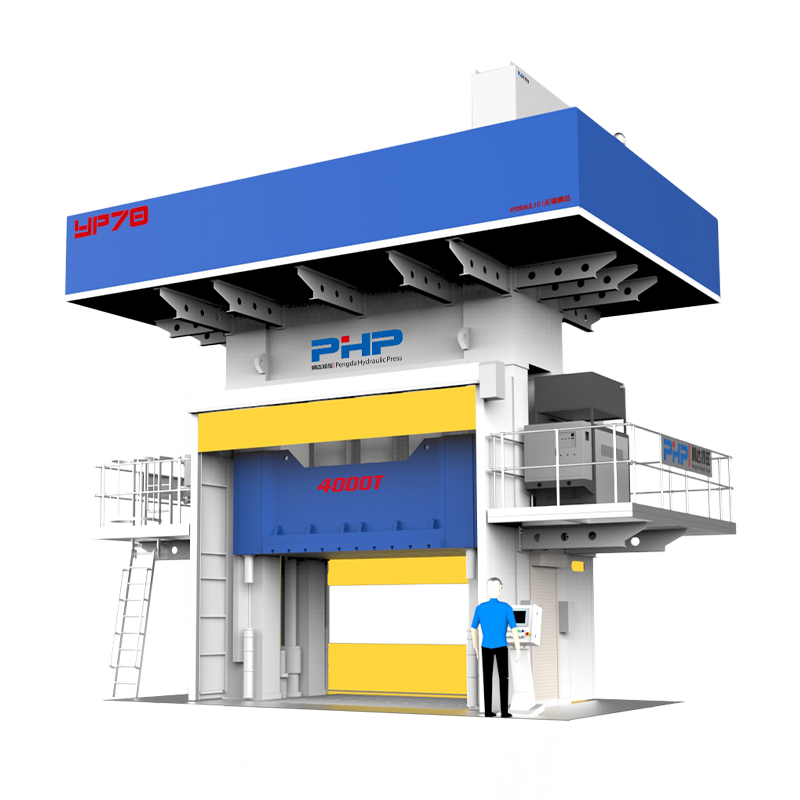
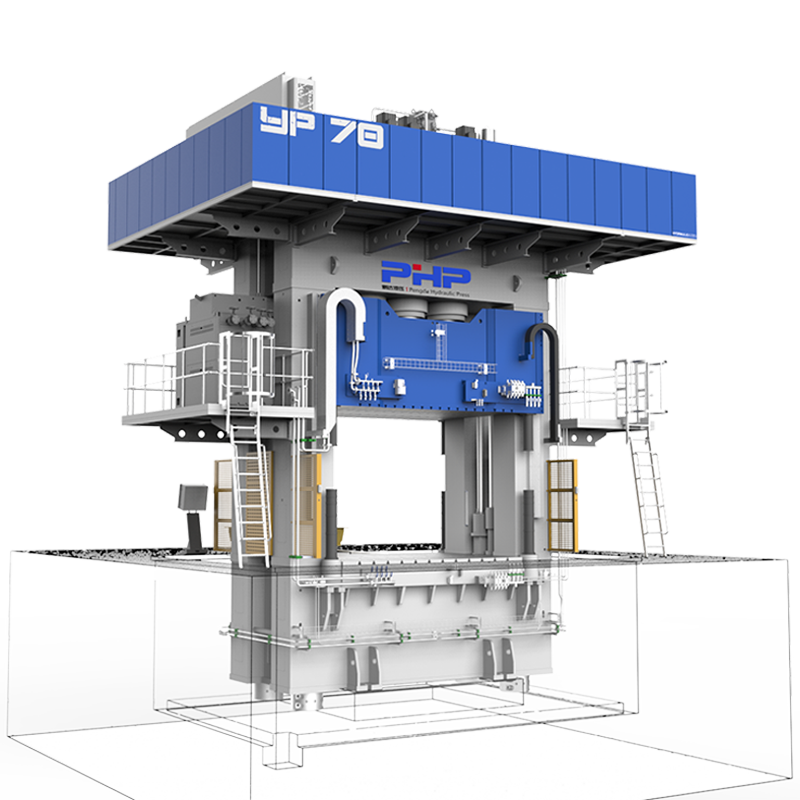
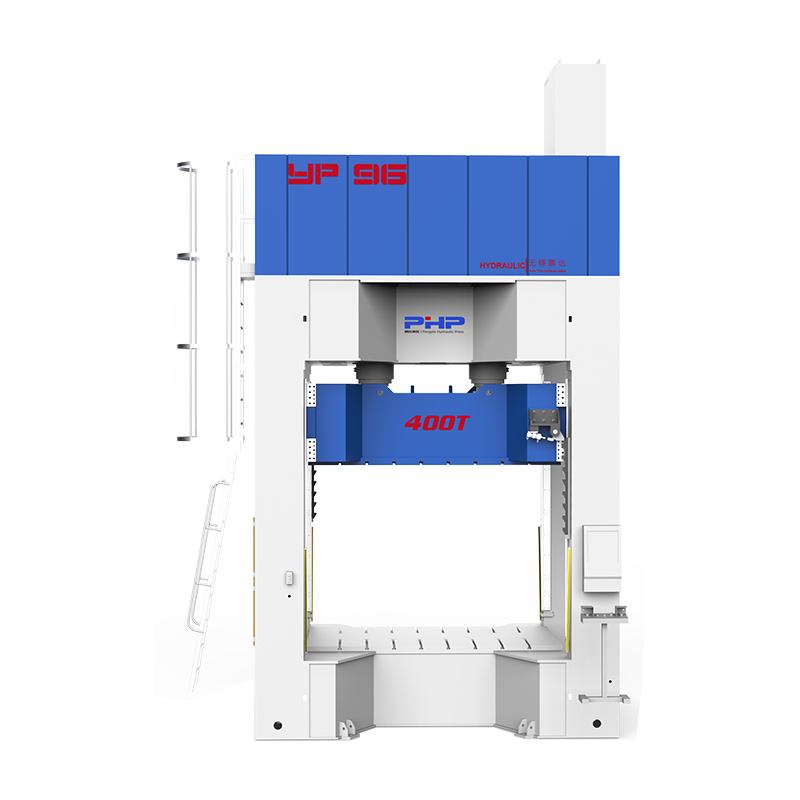
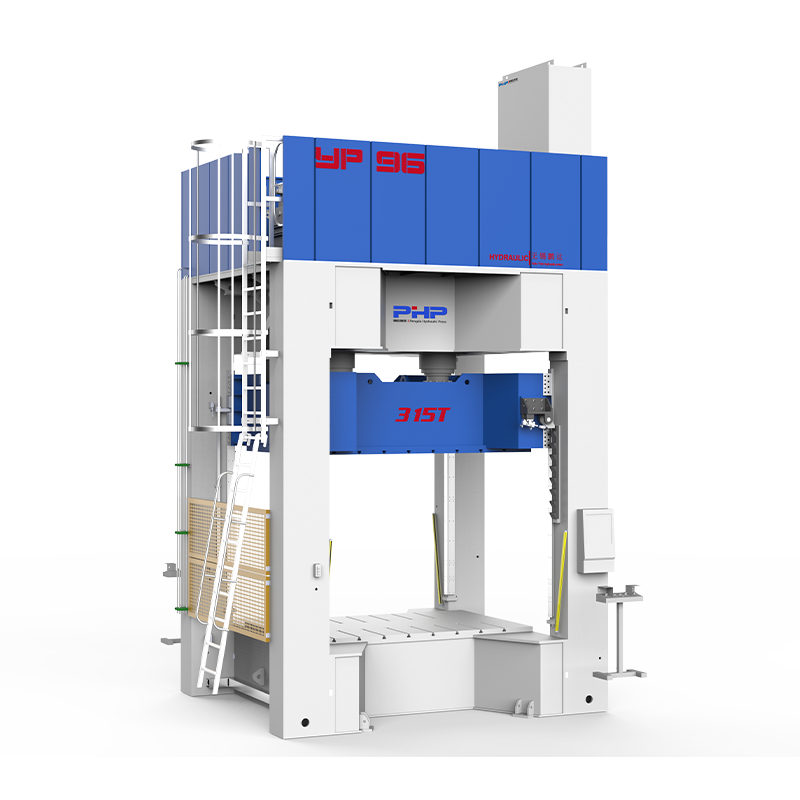
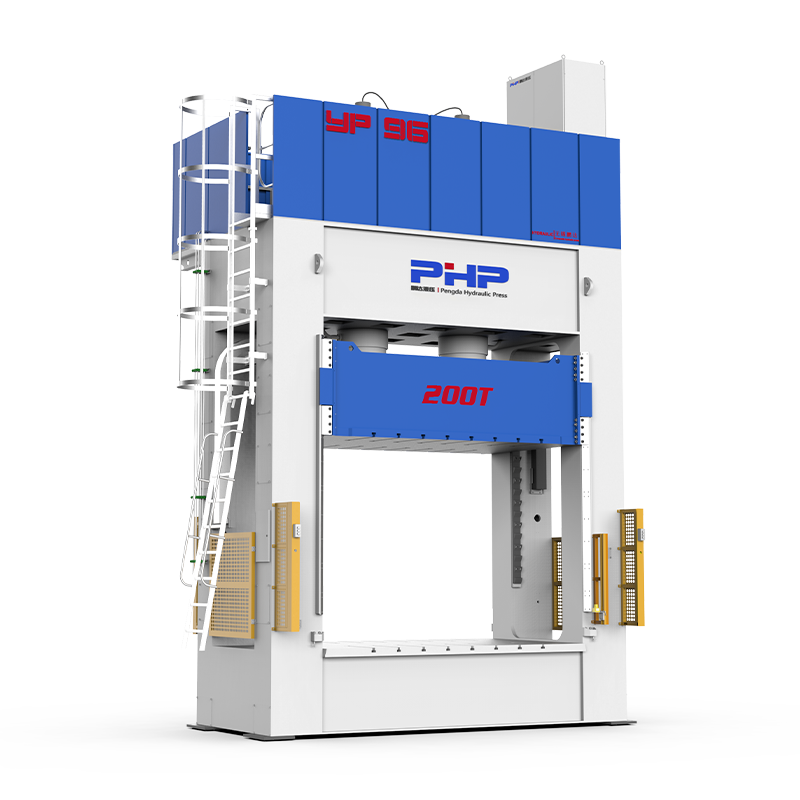

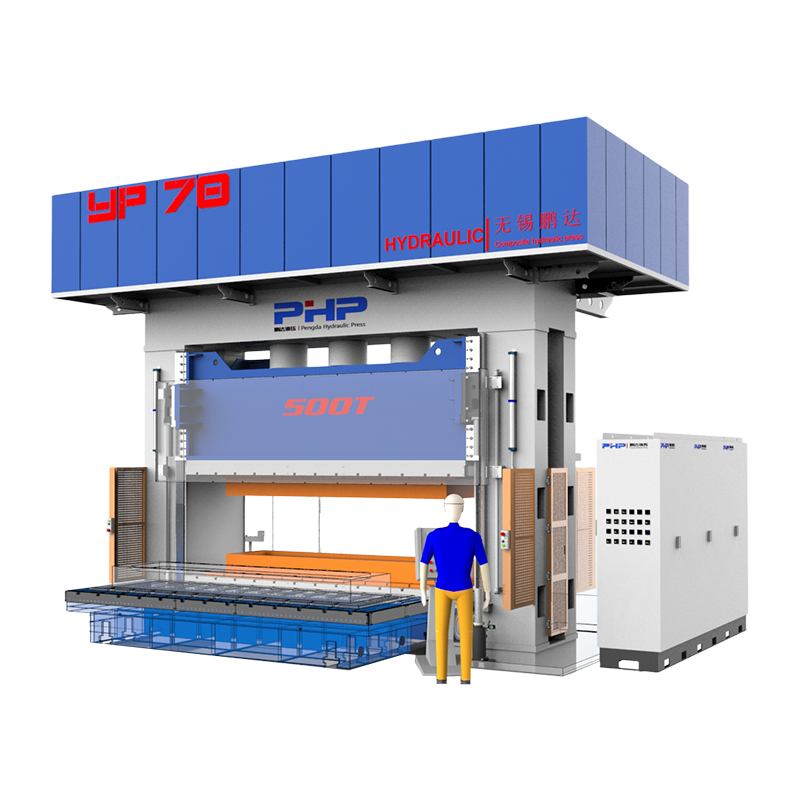

Resin Transfer Molding (RTM) and High Pressure Resin Transfer Molding (HP-RTM) are two liquid composite molding processes that share the same fundamental concept — injecting liquid resin into a closed mold containing a dry fiber preform — but differ significantly in injection pressure, cycle time, fiber volume fraction capability, and the press equipment they require. As carbon fiber composite parts expand from aerospace-only applications into automotive structural components, the choice between RTM and HP-RTM is one of the most consequential technology decisions in composite manufacturing line investment.
Content
How RTM Works
In standard RTM, a dry fiber preform — typically woven, braided, or non-crimp fabric (NCF) carbon or glass fiber cut and shaped to the part geometry — is placed in a matched metal tool (upper and lower mold halves). The mold closes and is clamped, and liquid resin (typically epoxy, vinyl ester, or polyester) is injected at low pressure — typically 1–10 bar — through one or more injection ports. The resin flows through the fiber preform, displacing air through vent ports on the opposite side of the mold, until the mold is filled. The resin then cures — at room temperature for some systems, or at elevated temperature (60–120°C) for faster-curing epoxy systems — and the part is demolded after full cure.
Standard RTM is a well-established process with a long history in aerospace, marine, and wind energy applications. Its low injection pressure allows the use of relatively low-cost tooling — including reinforced composite molds rather than machined aluminum or steel — and the process is adaptable to complex 3D geometries that would be difficult to fill with other molding processes. The primary limitation is cycle time: at low injection pressures, resin flow through the fiber preform is slow, and cure times for standard epoxy systems at low temperature are long — total cycle times of 30–90 minutes per part are typical for standard RTM.
How HP-RTM Works
HP-RTM uses the same fundamental concept as standard RTM — dry preform in a closed matched mold, liquid resin injection — but operates at dramatically higher injection pressures: 30–120 bar, compared to 1–10 bar for standard RTM. This higher injection pressure is achieved by a high-pressure mixing and injection system (typically a high-pressure impingement mixing head, similar to that used in polyurethane RIM processing) that delivers two-component reactive resin at precisely controlled mixing ratio directly into the mold cavity.
The high injection pressure in HP-RTM has two critical process consequences. First, it dramatically accelerates resin flow through the fiber preform, enabling complete mold fill in 10–60 seconds rather than the 5–30 minutes of standard RTM — even for large, complex parts with high fiber volume fractions. Second, it enables the use of fast-reacting resin systems — modified epoxies with pot lives of 60–120 seconds — that would be unworkable at the slow fill rates of standard RTM. These fast resin systems can cure fully in 2–5 minutes at 80–120°C mold temperatures, enabling total cycle times of 3–8 minutes per part for structural carbon fiber components.
RTM vs HP-RTM: Direct Comparison
| Feature | Standard RTM | HP-RTM |
|---|---|---|
| Injection pressure | 1–10 bar | 30–120 bar |
| Resin mixing | Pre-mixed and degassed in an external vessel | High-pressure impingement mixing at the injection head |
| Resin pot life requirement | Minutes to hours — compatible with standard epoxy | 60–120 seconds — requires fast-reacting resin formulation |
| Mold fill time | 5–30 minutes for typical parts | 10–60 seconds for comparable parts |
| Cure time at temperature | 30–90 minutes typical | 2–5 minutes with fast-cure epoxy at 80–120°C |
| Total cycle time | 30–120 minutes | 3–10 minutes |
| Fiber volume fraction (Vf) | 45–60% Vf achievable | 55–65% Vf achievable with optimized preform and injection |
| Void content | 1–3% typical — vacuum assistance reduces to <1% | <0.5% achievable with controlled injection and mold design |
| Tooling pressure requirement | Low — composite or low-cost aluminum tools are viable | High — steel tools required for injection pressure containment |
| Press requirement | Low-tonnage clamping press — 100–500 tonnes typical | High-tonnage servo press — 500–3,000 tonnes depending on part area |
| Surface quality | Good — both faces against the mold surface | Excellent — both faces, lower void content, better surface consistency |
| Part complexity | High — complex 3D performs well at low fill rates | Moderate — high fill rate challenges complex preform wetting uniformly |
| Automation level | Semi-automated to manual | Highly automated — perform handling, injection, and demolding robotized |
| Annual volume suitability | 100–10,000 parts/year | 5,000–100,000+ parts/year |
| Capital investment | Moderate — press + injection equipment + tooling | High — servo press + HP mixing system + automation + steel tooling |
| Typical applications | Aerospace structures, motorsport, marine, wind energy | Automotive structural parts, B-pillars, roof panels, floor structures |
The Press in HP-RTM: Why It Is Different from a Standard Composite Press
An HP-RTM press is not simply a clamping mechanism — it is an active process participant throughout the injection and cure cycle. The press must provide several capabilities simultaneously that standard composite presses are not designed for.
High Clamping Force Under Injection Pressure
At 100 bar injection pressure, the mold separation force on a 1 m² part is 1,000 kN (100 tonnes). For automotive-scale structural parts of 2–3 m² projected area, the injection pressure alone generates 2,000–3,000 kN of mold opening force. The press clamping force must exceed this throughout the injection phase, while also maintaining precise platen parallelism so that the mold parting line does not open and allow resin to flash. HP-RTM presses in automotive production are typically specified at 1,000–3,000 tonnes clamping capacity.
Controlled Breathing During Injection
A critical feature of HP-RTM press control is "breathing" — a controlled programmed opening of the mold by a few tenths of a millimeter at the start of resin injection, then closing back to full clamp as the mold fills. This controlled opening creates a momentary gap at the parting line that allows air to escape ahead of the advancing resin front, significantly reducing void content in the finished part. The breathing sequence requires servo-controlled press motion with position accuracy of ±0.05mm — not achievable with conventional hydraulic press control systems.
Thermal Management Integration
The mold temperature in HP-RTM must be maintained precisely at 80–120°C throughout the production cycle to activate the fast-cure resin system. The press platen heating circuits supply thermal energy to the steel mold through intimate contact — any thermal resistance between platen and mold reduces temperature uniformity and creates cure rate variation across the part. HP-RTM presses are designed with direct mold mounting interfaces that maximize thermal contact, and with heating system capacity sufficient to maintain target temperature despite the heat loss between cycles.
Integration with the Injection System
The high-pressure mixing head — which delivers two-component resin at 30–120 bar through a port in the mold — must be physically integrated with the press in a way that allows the injection head to engage with the mold injection port as the press closes, and retract before the press opens for demolding. This integration requires custom engineering of the press-injection system interface and communication between the press control system and the injection unit controller to synchronize the injection sequence with the press motion and position.
When to Choose RTM and When to Choose HP-RTM
Choose RTM When:
Production volume is below approximately 5,000 parts per year — at this volume, the capital cost of HP-RTM automation and servo press equipment cannot be amortized over sufficient parts to be cost-competitive. Part geometry is highly complex in three dimensions — irregular geometries where resin must flow long distances through tight fiber architecture benefit from the longer fill time available in standard RTM with pre-mixed resin. Applications are in aerospace, motorsport, or marine, where cycle time is secondary to maximum fiber volume fraction and structural performance.
Choose HP-RTM When:
Production volume exceeds 5,000 parts per year, and cycle time directly affects production line throughput. The application is automotive structural — B-pillars, roof panels, door structures, subframe components — where 3–8 minute cycle times are necessary for integration with automotive assembly line takt times. Surface quality requirements on both mold faces are demanding. A carbon fiber volume fraction of 55–65% is required for structural performance at minimum weight. The program justifies investment in steel tooling, servo press, and automated preform and part handling systems.
Frequently Asked Questions
What resin systems are used in HP-RTM?
HP-RTM uses two-component reactive resin systems — most commonly epoxy systems specifically formulated for low viscosity (to flow under high pressure through tight fiber preforms), fast reactivity (to cure fully in 2–5 minutes at 80–120°C), and adequate pot life at the mixing head (60–120 seconds to complete injection before gelation). Standard aerospace epoxies with pot lives of 30+ minutes are incompatible with HP-RTM — they would not complete cure within the process cycle time even at elevated mold temperatures. Specialty fast-cure epoxy systems from suppliers including Huntsman, Hexion, and Olin are the standard choices for automotive HP-RTM production. Polyurethane matrix composites are also processed via HP-RTM (often called HP-PURIM) for applications requiring toughness and impact resistance superior to epoxy.
Can HP-RTM process woven carbon fiber fabric?
Yes — HP-RTM processes woven fabrics, non-crimp fabrics (NCF), and chopped fiber mats, or combinations of these in a preform stack designed for the specific part's structural requirements. Woven fabrics provide the most controlled fiber architecture but are more sensitive to fiber distortion during high-pressure injection than NCF; NCF (0°/90° or multiaxial layups) provides better in-plane property uniformity and is less sensitive to flow-induced fiber movement. Chopped fiber mat layers are sometimes included in HP-RTM preforms to provide through-thickness reinforcement and improve surface quality by providing a resin-rich surface layer. Preform design — fiber architecture, layer sequence, preform permeability — is one of the most critical engineering activities in HP-RTM part development and directly determines filling behavior, void content, and mechanical performance of the finished part.
How does HP-RTM compare to prepreg autoclave processing for carbon fiber structural parts?
Prepreg autoclave processing achieves the highest fiber volume fractions (60–70% Vf) and best mechanical properties of any carbon fiber process, but requires autoclave cure times of 1–4 hours per batch and dedicated autoclave infrastructure. HP-RTM achieves 55–65% Vf with cycle times of 3–10 minutes per part — competitive with injection molding for part rate — and does not require autoclave equipment. For aerospace primary structure where maximum performance is the design driver regardless of production rate, prepreg autoclave remains the standard. For automotive structural parts where 50,000+ annual volumes are required and 3–8 minute cycle times are necessary, HP-RTM is the only CFRP process that meets the production rate requirement. The mechanical performance gap between HP-RTM and autoclave prepreg has narrowed as fast-cure resin systems improve and performance technology advances.
What annual production volume justifies an HP-RTM press investment?
The break-even volume for HP-RTM versus standard RTM depends on the specific part, tooling costs, and local labor rates, but a general guideline for automotive programs is approximately 3,000–8,000 parts per year as the minimum volume at which HP-RTM's higher capital cost per part is offset by the lower cycle time and operating cost per part at scale. Below this volume, standard RTM or vacuum-assisted RTM (VARTM) with composite tooling is typically more economical. Above 20,000 parts per year, HP-RTM with full press and handling automation is the dominant cost-effective option for structural CFRP automotive production.
HP-RTM Servo Molding Press | RTM Molding Press | SMC Servo Molding Press | Automotive Industry Solutions | Aerospace Industry Solutions | Contact Us