English
 中文简体
中文简体 Español
 Português
 Deutsch
 русский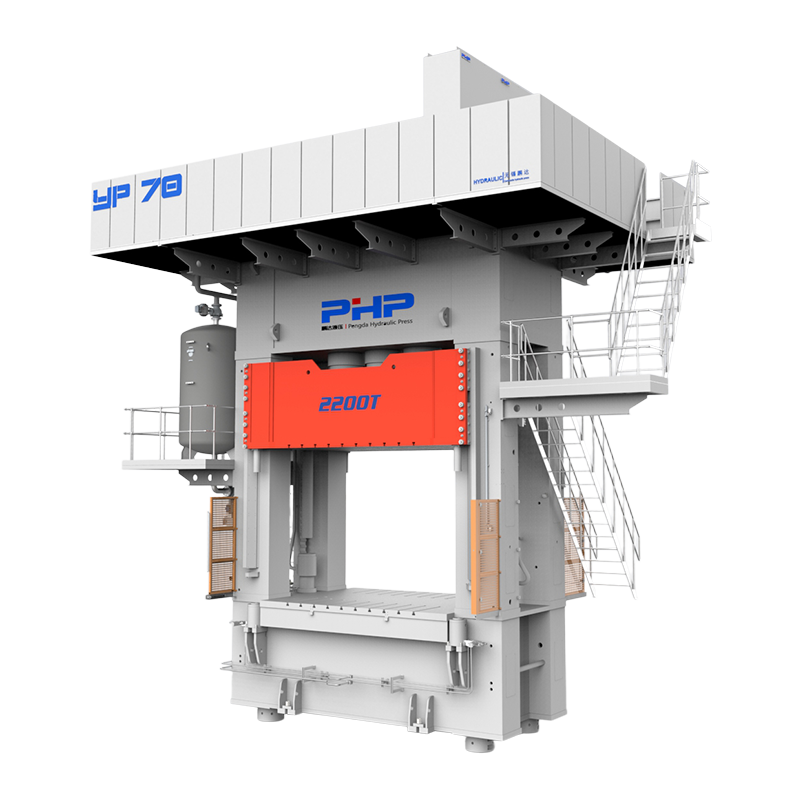
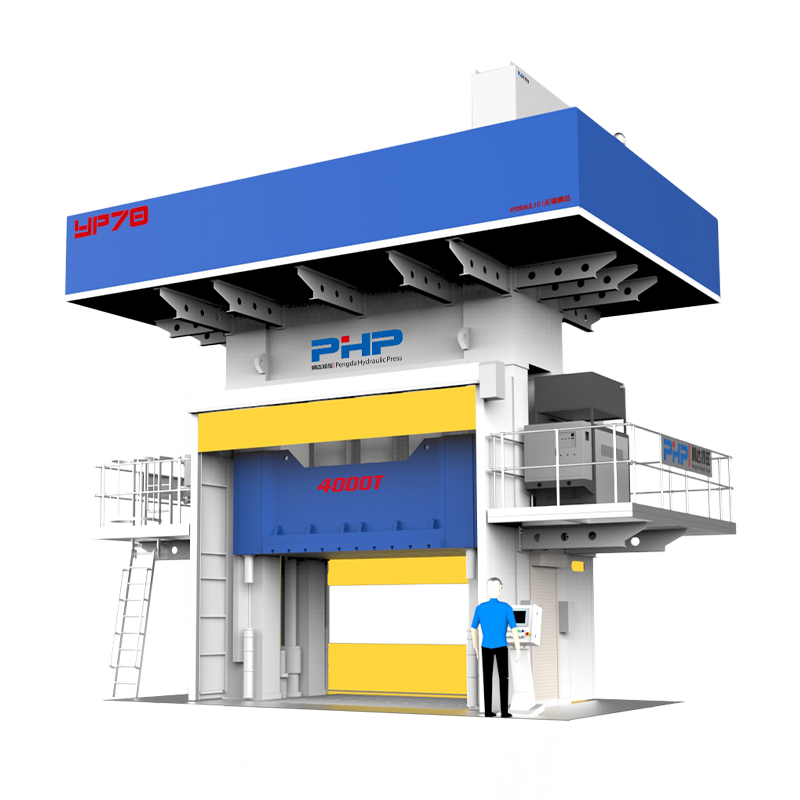
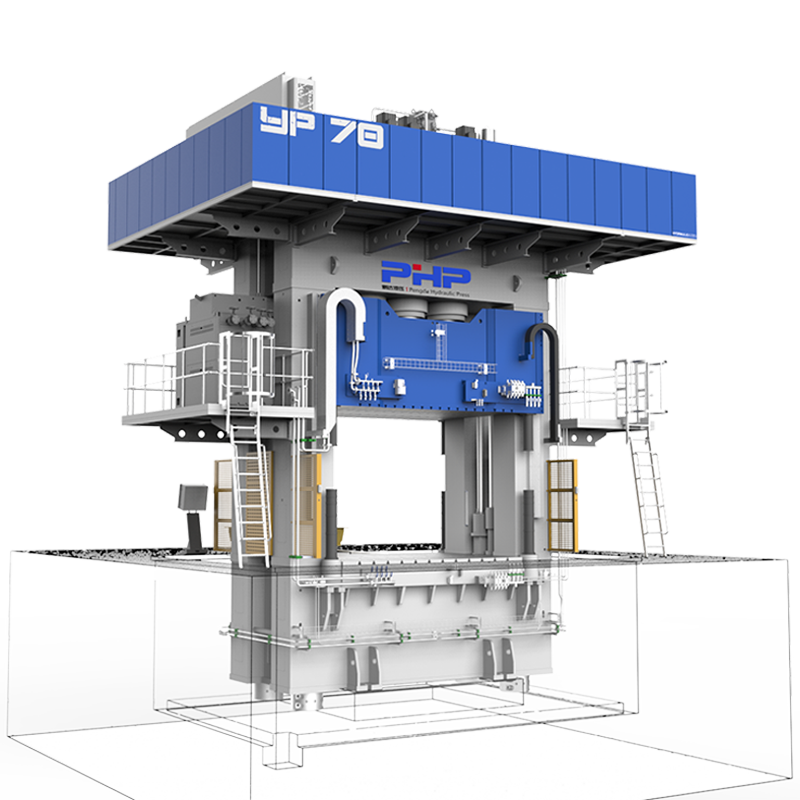
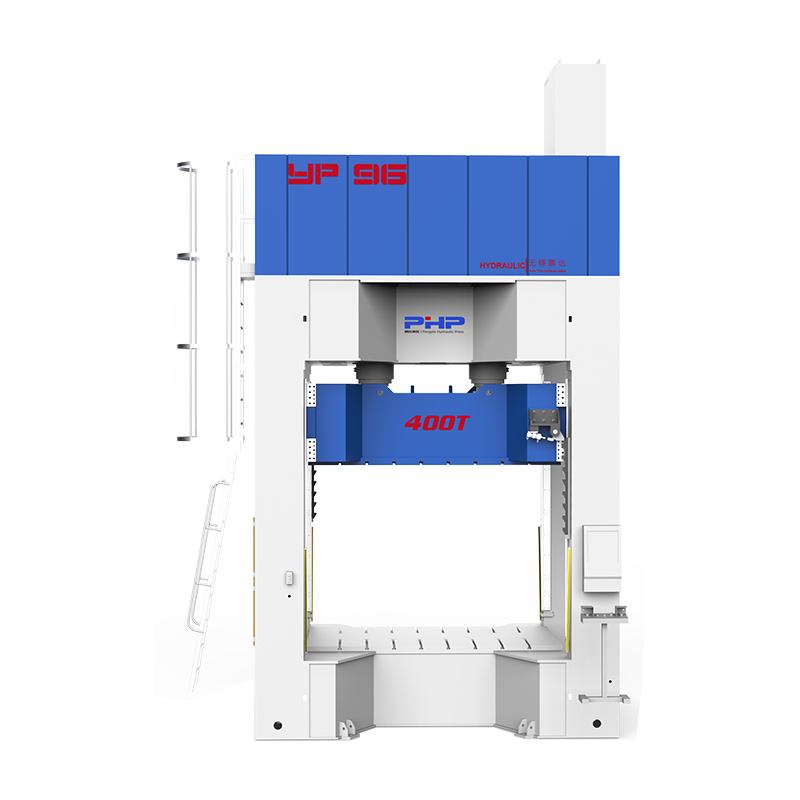
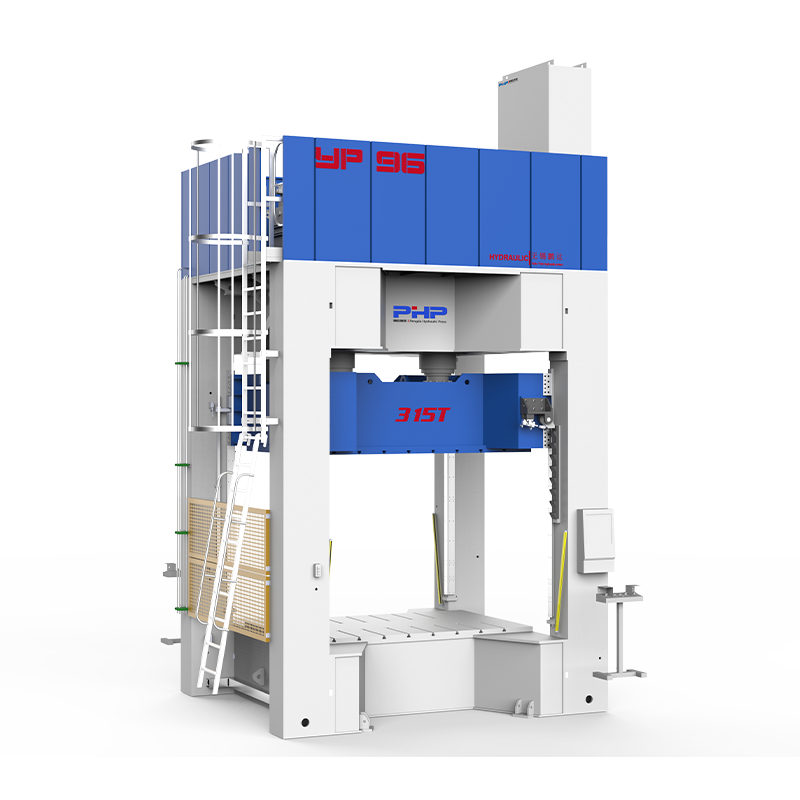
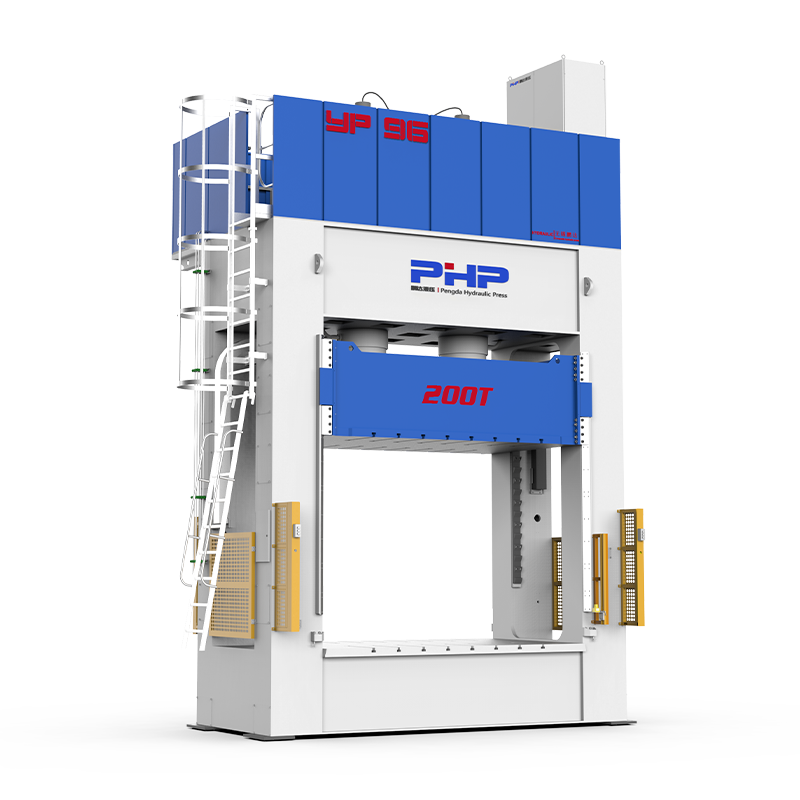

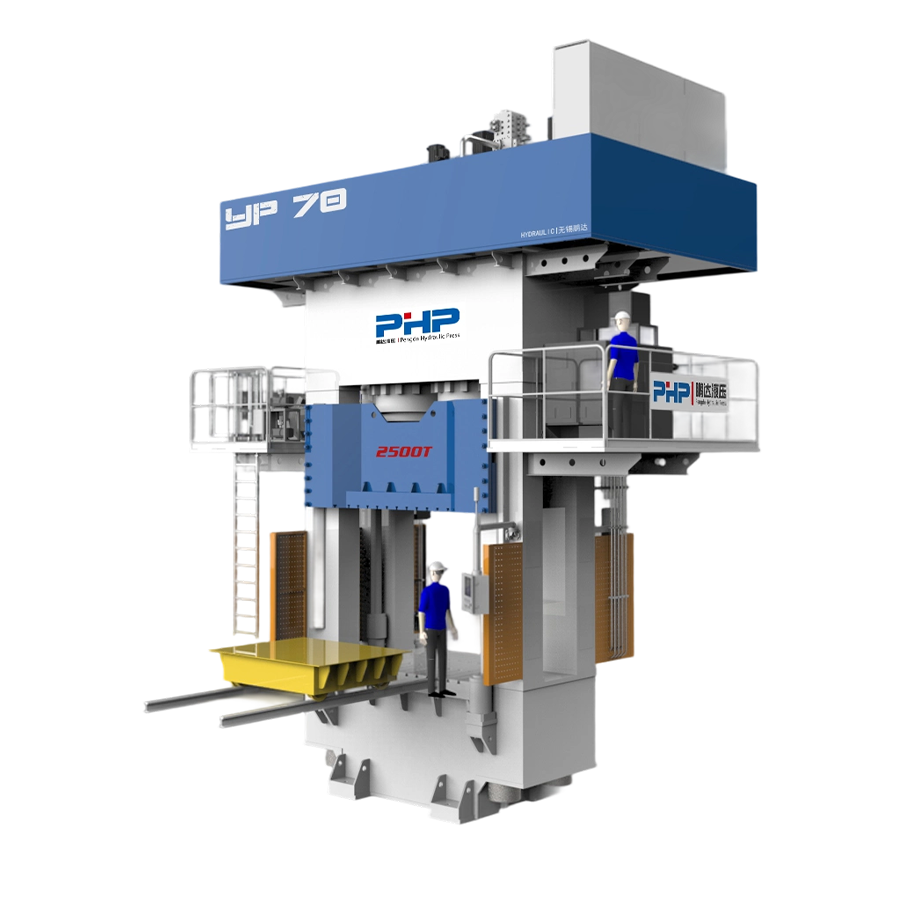
A hydraulic molding press is a high-precision forming equipment driven by a hydraulic system, which can apply stable and controllable pressure to mold materials to achieve efficient and high-quality molding production. It has become the core equipment in the modern manufacturing industry due to its excellent pressure stability, wide material adaptability, and high forming precision. Compared with mechanical molding equipment, a hydraulic molding press can provide uniform pressure output in the full stroke range, support the molding of various composite materials, plastic materials, rubber materials and metal materials, and effectively improve the qualification rate of formed products and production efficiency.
In actual industrial production, the hydraulic molding press can realize automatic control of pressure, temperature and holding time, reduce manual operation errors, and meet the production requirements of different specifications of molded parts. Its core advantage lies in the perfect combination of hydraulic drive and mold design, which can complete complex forming processes in a single operation, and is widely used in automotive manufacturing, aerospace, electrical appliances, construction materials and other fields. For enterprises, selecting a hydraulic molding press matching production needs can reduce production costs, extend mold service life, and enhance the overall competitiveness of production lines.
Content
- 1 Working Principle and Core Structure of Hydraulic Molding Press
- 2 Classification and Application Scenarios of Hydraulic Molding Press
- 3 Key Technical Parameters and Performance Advantages
- 4 Operation Process and Standardized Operating Procedures
- 5 Daily Maintenance and Fault Troubleshooting
- 6 Safety Operation Standards and Protective Measures
- 7 Development Trend and Technological Innovation of Hydraulic Molding Press
Working Principle and Core Structure of Hydraulic Molding Press
Basic Hydraulic Driving Principle
The hydraulic molding press relies on Pascal's principle for power transmission, converting hydraulic energy into mechanical energy to complete the molding operation. The hydraulic pump converts mechanical energy into pressure energy of hydraulic oil, and the hydraulic cylinder converts the pressure energy back into mechanical energy to drive the mold to move up and down. The entire hydraulic system is equipped with a pressure control valve, flow control valve and direction control valve, which can accurately adjust the pressure value, moving speed and action direction of the slider, ensuring the stability of the molding process.
The closed hydraulic circuit design is the key to ensuring stable pressure output. It can maintain constant pressure during the holding stage, avoid pressure fluctuations caused by external interference, and ensure that the internal stress of the molded material is uniform. This working principle enables the hydraulic molding press to output stable pressure from low pressure to high pressure, which is difficult to achieve by mechanical molding equipment.
Key Component Composition
The hydraulic molding press is composed of four core modules, and the coordinated operation of each module determines the overall performance of the equipment:
- Frame structure: It is the load-bearing foundation of the equipment, usually made of high-strength steel, with good rigidity and stability, resisting deformation during high-pressure molding;
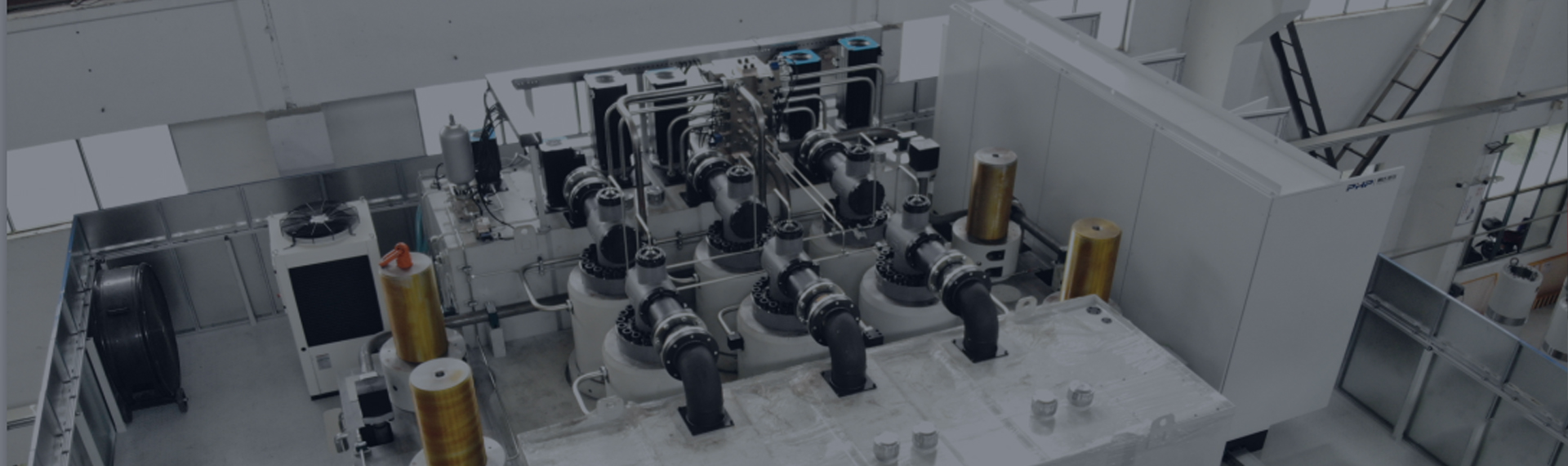
- Hydraulic system: Including hydraulic pump, hydraulic cylinder, valve group and oil tank, responsible for power output and pressure control;
- Mold system: Matching molds for different products, directly determining the shape and precision of formed parts;
- Control system: Electrical control panel or PLC control system, realizing automatic adjustment of pressure, temperature, time and other parameters.
Each component has a clear division of labor. The frame provides support, the hydraulic system provides power, the mold system shapes the material, and the control system ensures the accuracy of the process. The failure of any component will affect the normal operation of the molding press, so the quality and matching of core components are crucial.
Classification and Application Scenarios of Hydraulic Molding Press
Classification by Structural Form
According to the frame structure and operation mode, hydraulic molding presses can be divided into vertical and horizontal types, which are suitable for different production scenarios:
- Vertical hydraulic molding press: The mold moves vertically, with a small floor area, suitable for small and medium-sized molded parts, such as electronic components, rubber seals, plastic buttons;
- Horizontal hydraulic molding press: The mold moves horizontally, with a larger opening stroke, suitable for large-size and heavy-duty molded parts, such as automotive interior parts, composite plates, large rubber products.
In addition, according to the pressure level, it can be divided into low-pressure, medium-pressure and high-pressure hydraulic molding presses. High-pressure models are mostly used for metal and high-strength composite molding, while low-pressure models are suitable for plastic and soft rubber materials.
Main Industrial Application Fields
Hydraulic molding presses have extremely wide applicability in the manufacturing industry, covering almost all fields that require material forming. In the automotive industry, it is used to mold automotive bumpers, interior trim panels, sealing strips and other components, with high production efficiency and product consistency; in the aerospace field, it is used for high-precision molding of composite materials, meeting the strict requirements of lightweight and high strength of aerospace parts.
In the electrical and electronic industry, hydraulic molding presses produce insulating parts, switch shells and electronic component packaging parts, with precise size and stable performance; in the construction and decoration industry, it is used for molding decorative plates, rubber floor mats and sealing materials; in the hardware and metal processing industry, it realizes stamping and forming of small metal parts, replacing traditional manual stamping with higher safety and precision.
With the development of new materials, the application scope of hydraulic molding presses is further expanding. The molding demand of new composite materials and biodegradable materials has promoted the technological innovation of hydraulic molding presses, making them an indispensable key equipment in the new material manufacturing industry.
Key Technical Parameters and Performance Advantages
Core Technical Parameters
The performance of hydraulic molding press is mainly determined by several core technical parameters, which are the key basis for enterprises to select equipment:
| Parameter Name | Function Description |
|---|---|
| Rated Pressure | Maximum output pressure of the equipment, determining the molding capacity of materials |
| Slider Stroke | Moving range of the mold, adapting to products of different heights |
| Pressure Holding Time | Duration of constant pressure, affecting the compactness of formed products |
| Control Accuracy | Error range of pressure and temperature, determining product precision |
These parameters can be adjusted according to production needs. Modern hydraulic molding presses adopt digital control systems, and the parameter adjustment accuracy is controlled within a small range, ensuring the stability of each molding process.
Comprehensive Performance Advantages
Compared with other forming equipment, hydraulic molding presses have obvious performance advantages. First, pressure stability is outstanding, the pressure fluctuation during the working process is extremely small, avoiding product defects caused by uneven force; second, the operation is flexible, and the pressure, speed and time can be adjusted steplessly to adapt to the molding of various materials and products.
In terms of production efficiency, the hydraulic molding press has a fast working cycle and can realize continuous automatic production, which is several times higher than manual operation; in terms of product quality, the formed parts have high dimensional accuracy, smooth surface and uniform internal density, and the product qualification rate is significantly improved; in terms of equipment life, the hydraulic system has low wear and long service life, and the daily maintenance cost is low.
In addition, the hydraulic molding press has good safety performance, equipped with overpressure protection, emergency stop, safety door and other devices, which can effectively avoid safety accidents during operation and protect the personal safety of operators.
Operation Process and Standardized Operating Procedures
Pre-operation Preparation Work
Standardized pre-operation preparation is the premise to ensure the normal operation of the hydraulic molding press and the quality of formed products. First, check the appearance of the equipment, confirm that the frame, mold and hydraulic pipeline are intact, without oil leakage, damage and other faults; second, check the hydraulic oil level, ensure that the oil volume is within the standard range, and replace the hydraulic oil regularly according to the use time to avoid oil deterioration affecting the system performance.
Then, install and fix the mold according to the production requirements, adjust the mold position to ensure accurate alignment; set the core parameters such as pressure, temperature, holding time and slider speed through the control system, and conduct a test run to confirm that the equipment action is normal before formal production.
Formal Operation Steps
- Put the prepared raw materials evenly into the mold cavity, ensure that the material distribution is uniform, and avoid local shortage or accumulation;
- Start the equipment, the slider drives the mold to close slowly, and the hydraulic system outputs set pressure to compact the materials;
- Enter the pressure holding stage, maintain constant pressure for a specified time to complete the material forming and curing;
- After the pressure holding is completed, the slider rises, the mold opens, and the formed product is taken out;
- Clean the mold cavity, remove residual materials, and repeat the above steps for cyclic production.
During the operation, the operator needs to monitor the equipment status in real time. If abnormal noise, pressure fluctuation, oil leakage and other problems are found, stop the machine immediately for inspection to avoid expanding the fault. At the same time, strictly abide by the operating specifications, do not adjust the parameters at will, and do not put hands and tools into the mold working area.
Post-operation Shutdown Procedures
After the production is completed, the hydraulic molding press needs to be shut down according to the standard process. First, stop the feeding and forming operation, return the slider to the initial position; second, turn off the control system and hydraulic pump in turn, cut off the total power supply; then clean the mold, equipment surface and working environment, remove residual materials and oil stains; finally, record the equipment operation time, production quantity and fault conditions, and make a good shift handover record.
Daily Maintenance and Fault Troubleshooting
Daily Routine Maintenance
Daily maintenance can extend the service life of the hydraulic molding press and reduce the failure rate. Daily maintenance work includes: checking the hydraulic oil pipeline and joint for oil leakage every day, and dealing with the leakage point in time; cleaning the dust and impurities on the surface of the control system and heat dissipation device to ensure good heat dissipation; lubricating the moving parts of the frame regularly to reduce mechanical wear.
Regularly check the quality of hydraulic oil, test the viscosity and impurity content of hydraulic oil every quarter, and replace it completely if it exceeds the standard; regularly inspect and calibrate the pressure gauge, temperature sensor and other measuring components to ensure the accuracy of parameter detection; tighten the fixing bolts of the frame and mold regularly to avoid loosening caused by long-term vibration.
Common Faults and Solutions
The hydraulic molding press may have some common faults during long-term use, and most faults can be quickly resolved through standardized troubleshooting:
- Insufficient output pressure: Check whether the hydraulic pump is worn, the pressure control valve is blocked, and the hydraulic oil is insufficient, and replace or adjust the corresponding components;
- Mold action is slow: Clean the blocked flow control valve, check the hydraulic oil viscosity, and adjust the system flow parameters;
- Severe oil leakage: Replace the damaged sealing ring, tighten the loose pipeline joint, and repair the cracked pipeline;
- Unstable pressure: Calibrate the pressure control valve, remove impurities in the hydraulic oil, and check the hydraulic cylinder for internal leakage.
For faults that cannot be resolved by daily maintenance, professional maintenance personnel should be invited to carry out overhaul, and do not disassemble the hydraulic system and control components without permission to avoid secondary damage to the equipment.
Safety Operation Standards and Protective Measures
Basic Safety Operation Norms
Safety is the top priority in the operation of hydraulic molding press. Operators must receive professional training and be familiar with the equipment structure and operating specifications before taking up their posts. During operation, it is forbidden to touch the moving parts, mold and hydraulic pipeline with hands; it is forbidden to adjust the parameters, replace the mold and clean the equipment when the equipment is running; it is forbidden to place tools, materials and other sundries on the equipment surface to avoid falling into the mold or hydraulic system.
Before starting the equipment, confirm that there are no personnel and sundries in the working area, and test the emergency stop device to ensure it can be used normally. In case of emergency during operation, press the emergency stop button immediately to cut off the power supply and hydraulic system, and then check and handle the fault after the equipment stops completely.
Equipment Safety Protection Devices
Modern hydraulic molding presses are equipped with complete safety protection devices to ensure the safety of operators and equipment. Overpressure protection device can automatically relieve pressure when the system pressure exceeds the rated value, avoiding equipment damage caused by overpressure; safety grating and safety door can prevent operators from entering the dangerous area during mold operation;
Temperature protection device will automatically alarm and stop when the hydraulic oil temperature is too high, preventing system damage caused by high temperature; electrical safety protection includes leakage protection, overload protection and other functions, avoiding electrical safety accidents. These protection devices are important components of the equipment and must not be dismantled or failed to use.
Development Trend and Technological Innovation of Hydraulic Molding Press
Intelligent and Automatic Development
With the development of intelligent manufacturing, hydraulic molding presses are moving towards full automation and intelligence. The new generation of equipment is equipped with advanced PLC control system and human-computer interaction interface, which can realize automatic feeding, automatic forming, automatic product output and automatic quality detection. The intelligent system can store multiple sets of process parameters, and quickly switch production programs according to different products, greatly improving production flexibility.
In addition, the remote monitoring and fault diagnosis function is gradually popularized. Managers can monitor the equipment operation status, production data and fault information in real time through the terminal, and carry out remote troubleshooting and parameter adjustment, realizing the intelligent management of the production line.
Energy Saving and Environmental Protection Innovation
Energy conservation and environmental protection have become an important direction of technological innovation of hydraulic molding presses. The traditional hydraulic system has large energy consumption, while the new energy-saving hydraulic system adopts variable frequency control and servo drive technology, which can adjust the power output according to the actual load, reducing energy consumption by a large margin. This technological innovation not only reduces production costs, but also meets the national environmental protection and energy conservation requirements.
At the same time, the research and development of low-noise, pollution-free hydraulic oil and sealing materials reduces the noise and oil pollution generated during equipment operation, making the production process more environmentally friendly and in line with the development trend of green manufacturing.
High Precision and Multi-function Integration
The future hydraulic molding press will further improve the forming precision, and the pressure and temperature control accuracy will be upgraded to meet the production needs of high-precision micro parts. At the same time, the equipment will realize multi-function integration, integrating molding, trimming, punching, surface treatment and other processes in one machine, completing multiple processing procedures in a single operation, and further improving production efficiency and product quality.
The combination with new materials technology will also promote the innovation of hydraulic molding presses. For the molding characteristics of new composite materials, biodegradable materials and special materials, the equipment will develop a dedicated hydraulic system and mold design, expanding the application boundary of material forming.