English
 中文简体
中文简体 Español
 Português
 Deutsch
 русский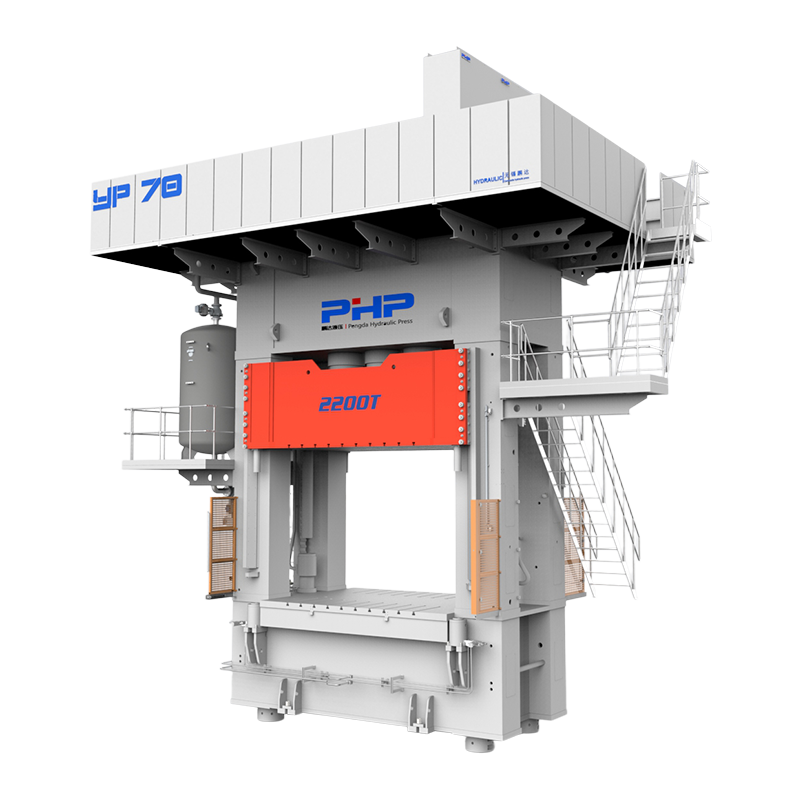
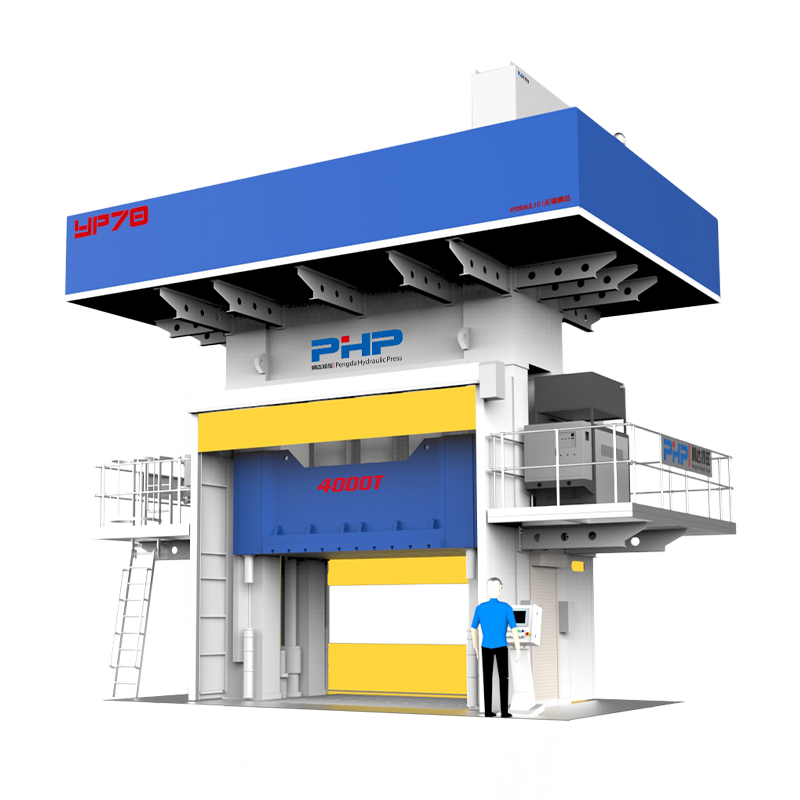
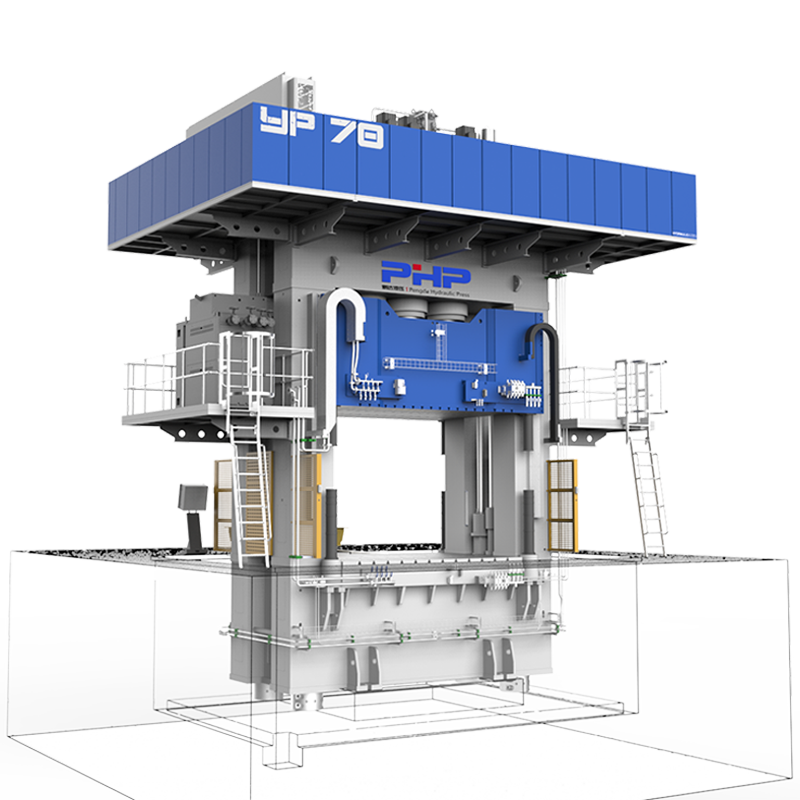
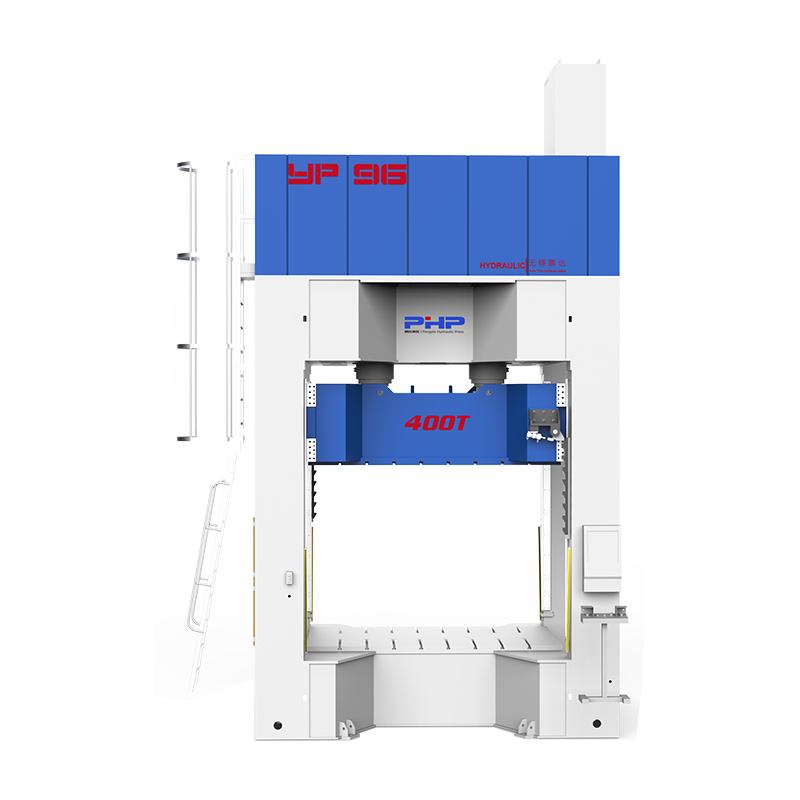
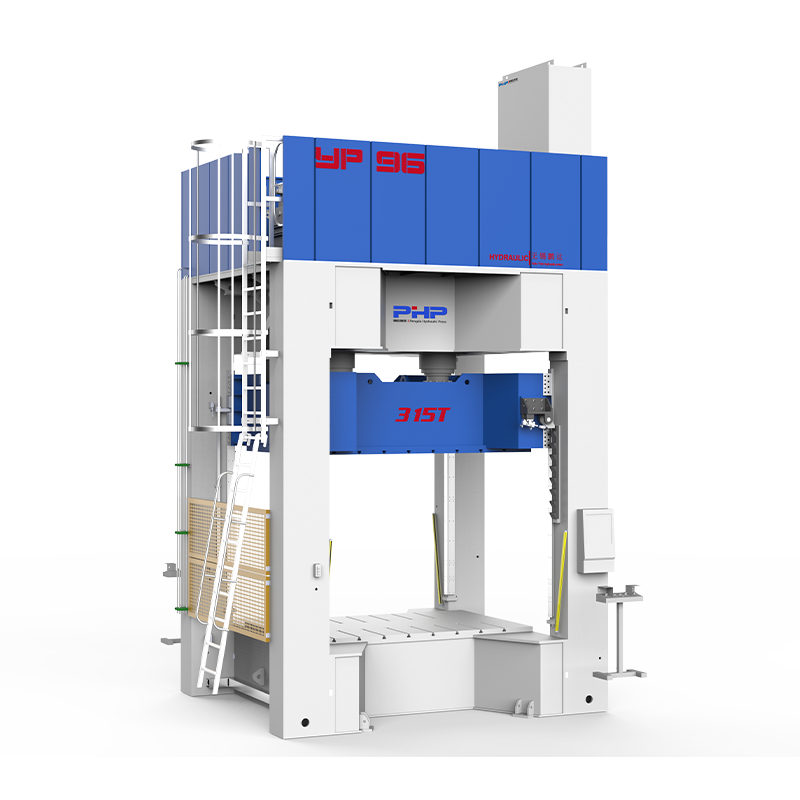
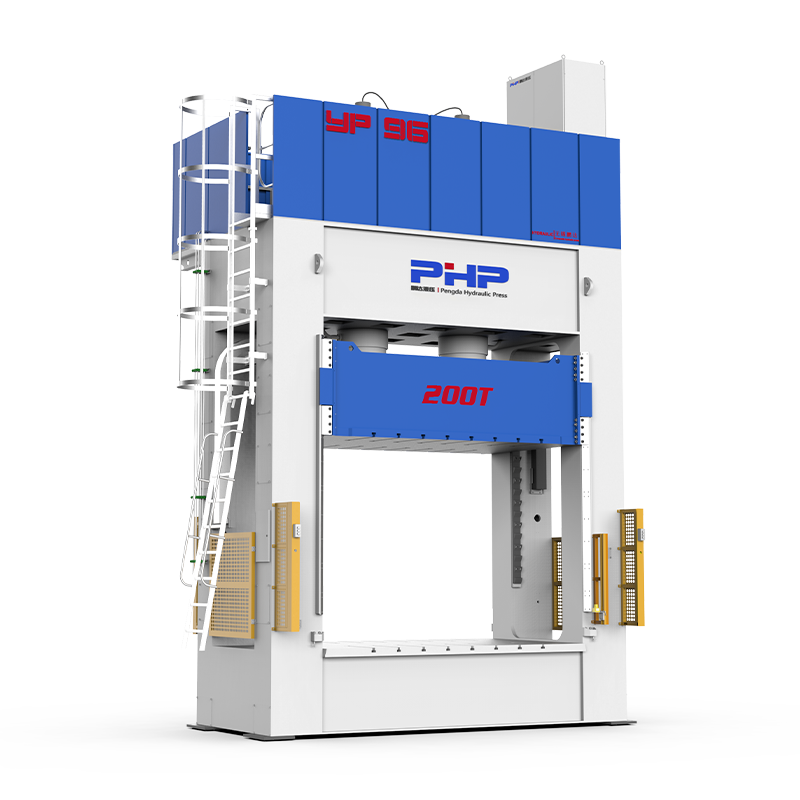
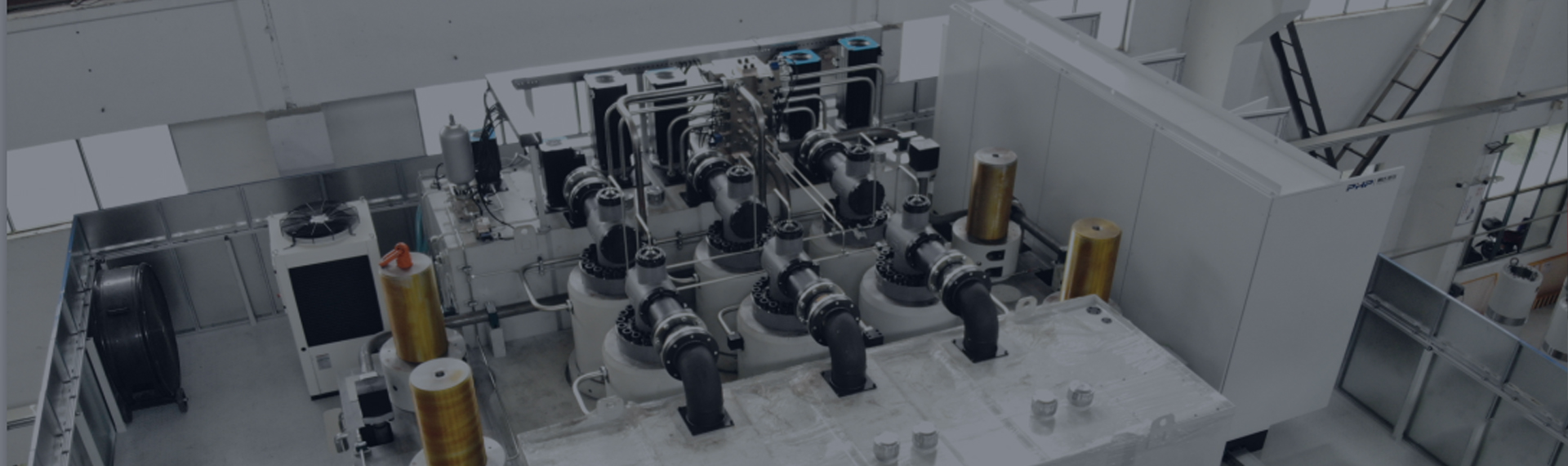
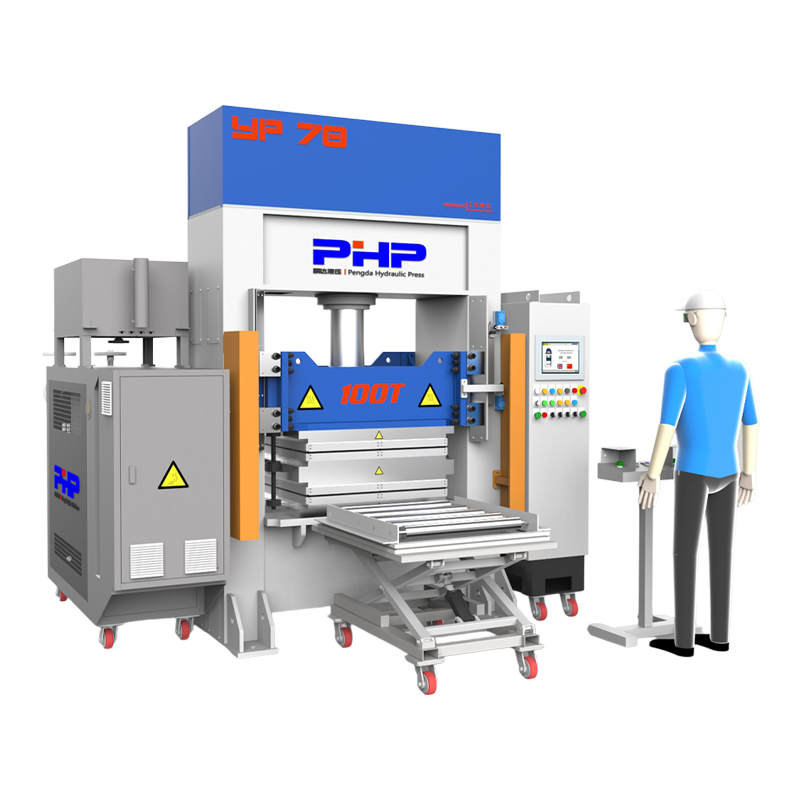

The direct conclusion is that hot press technology remains one of the most reliable, efficient, and versatile methods for permanently bonding, forming, and modifying advanced materials under controlled thermal and mechanical conditions. By simultaneously applying heat and pressure, this process forces material interfaces to fuse at a molecular level, creating bonds that often exceed the strength of the base materials themselves. Unlike adhesive bonding or mechanical fastening, a hot press eliminates the need for additional consumables, resulting in cleaner, more durable, and structurally superior end products. Whether manufacturing high-performance composite panels, shaping thermoplastic components, or producing laminated electronics, the hot press stands out as an indispensable tool for modern industrial production.
The fundamental advantage of this technology lies in its ability to precisely control the thermal and kinetic energy transferred to the workpiece. This dual-force approach ensures that polymers reach their melting point uniformly while the applied pressure eliminates air voids and ensures intimate contact between layers. As industries continue to push the boundaries of material science, the role of hot press equipment has expanded from simple flat panel lamination to highly complex three-dimensional molding and advanced sintering applications.
Content
- 1 Fundamental Working Principles of a Hot Press
- 2 Core Components That Define Hot Press Performance
- 3 Industrial Applications Across Multiple Sectors
- 4 Material Compatibility and Processing Characteristics
- 5 Advantages Over Alternative Bonding Methods
- 6 Essential Operational Best Practices
- 7 Troubleshooting Common Hot Press Defects
- 8 Future Trends in Hot Press Technology
Fundamental Working Principles of a Hot Press
Understanding the mechanics behind a hot press requires a breakdown of its three primary operational phases: heating, pressing, and cooling. Each phase must be meticulously calibrated to suit the specific material being processed, as deviations in temperature or pressure can lead to defects such as warping, blistering, or incomplete bonding.
The Heating Phase
The process begins with the heating phase, where thermal energy is introduced to the material stack. Most industrial hot presses utilize electric heating elements, oil heating, or steam-heated platens to transfer heat. The objective is to raise the temperature of the working material—usually a thermoset resin, a thermoplastic polymer, or a composite matrix—to a specific target range. For thermoplastics, this means exceeding the glass transition temperature or melt flow point. For thermosets, the heat initiates a chemical cross-linking reaction known as curing. Uniform heat distribution across the entire platen surface is critical, as cold spots will result in weak areas, while hot spots can cause material degradation.
The Pressing Phase
Once the material reaches the target temperature, the pressing phase commences. The hydraulic or pneumatic system drives the moving platen downward, applying a predetermined amount of force measured in pressure per square inch or bar. This force serves multiple purposes: it forces the viscous polymer to flow and wet out the reinforcing fibers in composites, it collapses any trapped air pockets or voids between layers, and it maintains the dimensional tolerance of the final part. The duration of this phase, known as dwell time, varies significantly depending on the material thickness and thermal conductivity. Thick composite laminates may require hours under pressure, while thin thermoplastic films might fuse in seconds.
The Cooling Phase
The final stage is the cooling phase, which is crucial for dimensional stability. In thermoplastic processing, the material must be held under pressure while the temperature drops below the glass transition temperature. If pressure is released too early, residual internal stresses will cause the part to warp or deform. In thermoset processing, cooling is primarily required to safely handle the part and prevent thermal shock. Controlled cooling rates are essential to prevent micro-cracking in brittle composite matrices, ensuring the structural integrity of the finished product.
Core Components That Define Hot Press Performance
The reliability and precision of a hot press are dictated by the quality of its core components. While the external frame provides structural rigidity against massive opposing forces, the internal mechanisms determine the accuracy and repeatability of the manufacturing process.
The Frame Structure
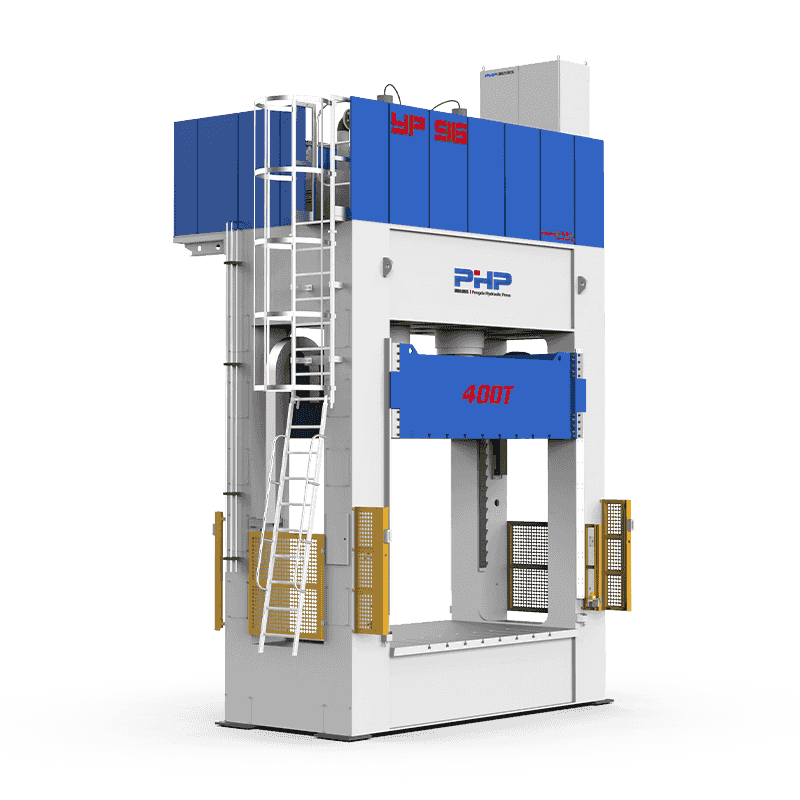
The frame acts as the skeleton of the machine, absorbing the full reactionary force generated during the pressing cycle. There are primarily two designs: the column frame and the straight-side frame. Column frames are easier to manufacture and maintain, making them popular for standard laminating tasks. Straight-side frames, welded from heavy steel plates, offer superior rigidity and are preferred for high-precision applications where platen deflection must be kept to an absolute minimum. A robust frame ensures that the pressure is distributed evenly across the entire surface area of the workpiece.
Hydraulic and Pneumatic Actuation Systems
The vast majority of industrial hot presses rely on hydraulic systems due to their ability to generate immense force smoothly and maintain consistent pressure over long dwell times. A typical hydraulic system consists of a motor, a high-pressure pump, control valves, and one or more large cylinders. Pneumatic systems, utilizing compressed air, are faster but limited in force generation, making them suitable for light-duty applications such as thin film lamination or small electronic component bonding. Hydraulic systems can routinely generate several hundred tons of clamping force, allowing them to process large surface areas with exceptional uniformity.
Heating Platens and Thermal Control
Platens are the heavy, flat steel plates that directly contact the material or the tooling. They are drilled with intricate networks of channels through which hot oil, steam, or electrical heating cartridges circulate. The surface of these platens must be machined to extreme flatness and polished to prevent marking the finished product. Advanced hot presses utilize closed-loop thermal control systems, employing multiple thermocouples embedded in the platen to provide real-time temperature feedback to the central controller, ensuring temperature variations are kept within a very tight tolerance across the entire working area.
Industrial Applications Across Multiple Sectors
The versatility of hot press technology allows it to serve as a primary manufacturing method in vastly different industries. The ability to customize pressure, temperature, and platen size means the same fundamental technology can be used to make a delicate circuit board or a bulletproof armor panel.
Aerospace and Automotive Composites
In the aerospace and automotive sectors, weight reduction is a constant driving force. Hot presses are extensively used to manufacture composite laminates from carbon fiber and fiberglass pre-pregs. These materials consist of structural fibers pre-impregnated with a partially cured resin. The hot press applies the precise temperature and pressure required to flow the resin, eliminate voids, and complete the curing process. The resulting components offer exceptional strength-to-weight ratios and are used for aircraft interior panels, automotive body parts, and structural reinforcement beams. Composite parts produced via hot pressing can achieve void contents below one percent, a critical requirement for aerospace structural integrity.
Electronics and Printed Circuit Boards
The manufacturing of multi-layer printed circuit boards relies heavily on hot press lamination. Copper foil layers are interleaved with sheets of prepreg resin and placed in a hot press. The heat melts the resin, and the pressure forces the layers together, permanently bonding the copper foils to the dielectric substrate while simultaneously curing the resin into a solid, insulating layer. This process requires extreme precision, as even microscopic misalignment or uneven pressure can cause electrical failures in the final circuit board.
Woodworking and Furniture Manufacturing
The woodworking industry utilizes hot presses primarily for laminating decorative surfaces onto engineered wood products like particleboard and medium-density fiberboard. Thermally activated adhesives, such as urea-formaldehyde or polyvinyl acetate, are placed between the core board and the decorative veneer or melamine paper. The hot press rapidly raises the temperature of the adhesive, causing it to cure and form a permanent bond. This process is highly efficient, allowing furniture manufacturers to produce large volumes of laminated panels with consistent quality and strong surface adhesion.
Thermoplastic Forming and Packaging
In the packaging industry, hot presses are used to form rigid plastic containers, blister packs, and clamshell packaging. Sheets of thermoplastic, such as PET or PVC, are heated until pliable and then pressed into a mold using the hot press. Because the mold is also heated, the plastic remains malleable during the forming process, allowing it to stretch into deep cavities without thinning excessively or tearing. This method is highly efficient for mass-producing uniform, hygienic, and transparent packaging solutions for consumer goods, pharmaceuticals, and food products.
Material Compatibility and Processing Characteristics
Not all materials respond to heat and pressure in the same way. Understanding the thermal and mechanical behaviors of different material classes is necessary to optimize the hot pressing parameters and avoid costly manufacturing defects.
| Material Type | Behavior Under Heat | Pressure Role |
|---|---|---|
| Thermoplastics | Melt and flow reversibly | Shape forming and void removal |
| Thermosets | Undergo irreversible chemical cross-linking | Resin flow promotion and layer consolidation |
| Metals (Powder) | Sinter and diffuse at high temperatures | Particle contact and density enhancement |
| Elastomers | Vulcanize and cross-link | Mold cavity filling and flash control |
Thermoplastics require careful temperature management to prevent degradation, as overheating can break polymer chains and ruin the mechanical properties of the part. Thermosets, on the other hand, require an exact cure profile; under-curing leaves the part soft and weak, while over-curing makes it brittle. When processing metal powders through hot pressing—a process closely related to powder metallurgy—the temperatures are vastly higher, often requiring specialized vacuum hot presses to prevent oxidation of the metal particles during the sintering phase.
Advantages Over Alternative Bonding Methods
To fully appreciate the value of a hot press, it is helpful to compare it against other common manufacturing and bonding techniques. Each method has its niche, but the hot press offers a unique combination of benefits that make it the superior choice for many high-performance applications.
- Superior bond strength: Because the heat and pressure cause materials to fuse at a molecular level, the resulting joint is inherently stronger than an adhesive bond, which relies on surface adhesion and is susceptible to environmental degradation over time.
- Elimination of consumables: Unlike adhesive bonding or mechanical fastening, hot pressing does not require glues, solvents, screws, or rivets. This reduces material costs, simplifies supply chains, and makes the end product easier to recycle.
- Excellent surface finish: The flat, polished platens of a hot press impart a smooth, high-quality finish directly onto the material. This often eliminates the need for secondary machining or surface finishing operations.
- High repeatability: Once the optimal temperature, pressure, and time parameters are programmed into the controller, a hot press can produce thousands of identical parts with minimal variance, ensuring strict quality control standards are met.
- Void reduction: The application of high pressure actively squeezes out trapped air and volatile gases from the material stack, resulting in a dense, void-free microstructure that is essential for structural and electrical applications.
Essential Operational Best Practices
Achieving optimal results with a hot press requires more than just turning on the machine. Operators must adhere to strict protocols regarding material preparation, tooling maintenance, and process monitoring to ensure consistent quality and prolong the lifespan of the equipment.
Material Preparation and Stack Assembly
The quality of the final pressed part is largely determined before the machine even cycles. Materials must be cut accurately to prevent overlapping, which can cause uneven pressure distribution and damage the platens. In composite layups, the orientation of the fiber layers must be precise. Additionally, the use of release films and breathable breather fabrics is often necessary to prevent the melted resin from sticking to the platen and to allow volatile gases to escape the stack efficiently.
Platen Maintenance and Cleaning
The platens are the most critical and expensive components to maintain. Any residue, cured adhesive, or foreign object left on the platen surface will be imprinted onto every subsequent part produced. Operators must routinely clean the platens with approved non-abrasive solvents. Furthermore, the sealing surfaces of the heating channels must be inspected for leaks, as a loss of hot oil or steam will cause severe temperature non-uniformity that can ruin entire production batches.
Calibration and Parameter Verification
Regular calibration of the pressure gauges and temperature sensors is a non-negotiable aspect of hot press operation. A malfunctioning thermocouple can cause the controller to underheat or overheat the platens without triggering an alarm. Pressure calibration should be verified using certified load cells at least once a quarter to ensure that the actual force being applied to the workpiece matches the reading on the control panel. Failing to calibrate can lead to a slow, unnoticed decline in product quality.
Troubleshooting Common Hot Press Defects
Even with well-maintained equipment, defects can occur. Identifying the root cause of a defect quickly is vital to minimizing scrap and downtime. Most defects fall into a few recognizable categories, each pointing toward a specific process variable that needs adjustment.
- Blistering or delamination: This typically occurs when trapped moisture or volatile gases expand rapidly during the heating phase. It is usually solved by increasing the breathing time in the cycle, slowing the heating rate, or ensuring the raw materials are properly dried before processing.
- Uneven thickness or warping: This indicates non-uniform pressure or temperature across the platen. Causes can include a tilted platen, worn guide bearings, or clogged heating channels. Verifying platen parallelism and checking for temperature gradients across the surface will usually reveal the issue.
- Incomplete curing or soft spots: If the part remains tacky or structurally weak, the material likely did not reach the required curing temperature or did not hold that temperature long enough. Verifying the actual internal temperature of the material stack with a temporary thermocouple can confirm if the platen temperature is transferring efficiently.
- Surface marking or sticking: This is a tooling issue. The use of improper release agents, degraded release films, or a scratched platen surface will transfer imperfections to the part. Replacing the barrier materials and polishing the platen surface are the standard corrective actions.
Future Trends in Hot Press Technology
While the fundamental physics of hot pressing have remained consistent for decades, the control systems, energy efficiency, and integration capabilities of modern equipment are undergoing significant evolution. As manufacturing moves toward Industry 4.0 standards, hot presses are becoming smarter and more efficient.
One major trend is the integration of advanced sensors and IoT connectivity. Modern hot presses are being equipped with wireless sensors that monitor platen deflection in real-time, hydraulic fluid cleanliness, and pump efficiency. This data is streamed to cloud-based dashboards, allowing plant managers to implement predictive maintenance schedules. By identifying a failing seal or a degrading heating element before it causes a defect, manufacturers can drastically reduce unplanned downtime.
Energy efficiency is another critical area of development. Traditional hot presses keep their massive platens at operating temperature continuously, consuming vast amounts of energy during idle periods. Newer systems utilize rapid-heating technologies, such as induction heating or ceramic infra-red elements, combined with advanced thermal insulation, to reduce idle energy consumption significantly. Next-generation systems can reduce energy consumption during standby modes by over half compared to legacy hydraulic models.
Finally, the integration of artificial intelligence into the process control loop is beginning to emerge. AI algorithms can analyze decades of historical press cycle data to automatically adjust heating and pressure profiles in real-time to compensate for slight variations in ambient humidity, material batch inconsistencies, or tooling wear. This closed-loop intelligence ensures that the first part off the press is identical to the thousandth, pushing the boundaries of quality control in composite and laminated material manufacturing.