
 English
 中文简体
中文简体 Español
 Português
 Deutsch
 русский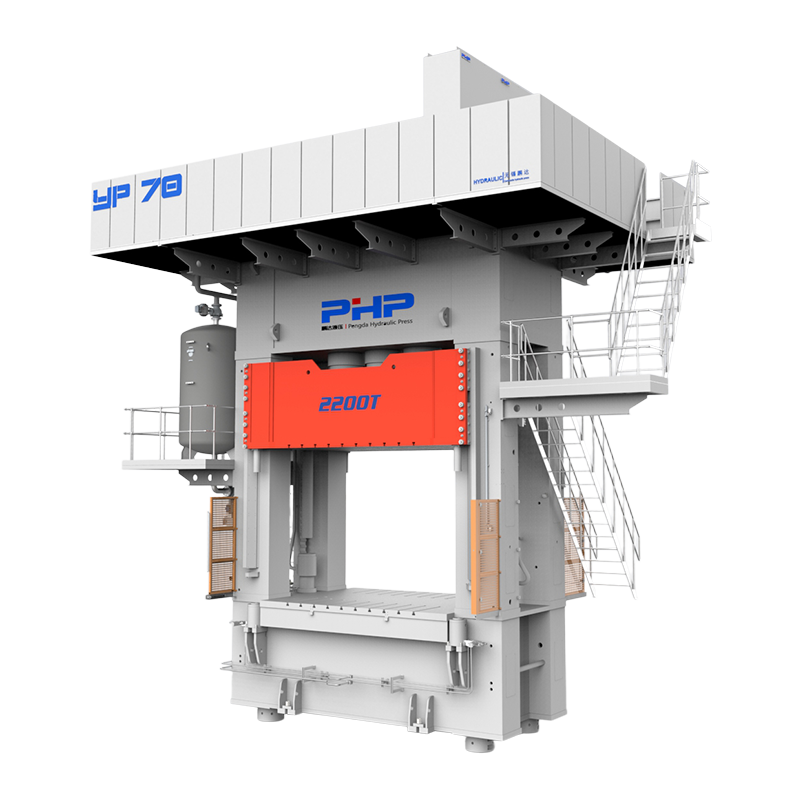
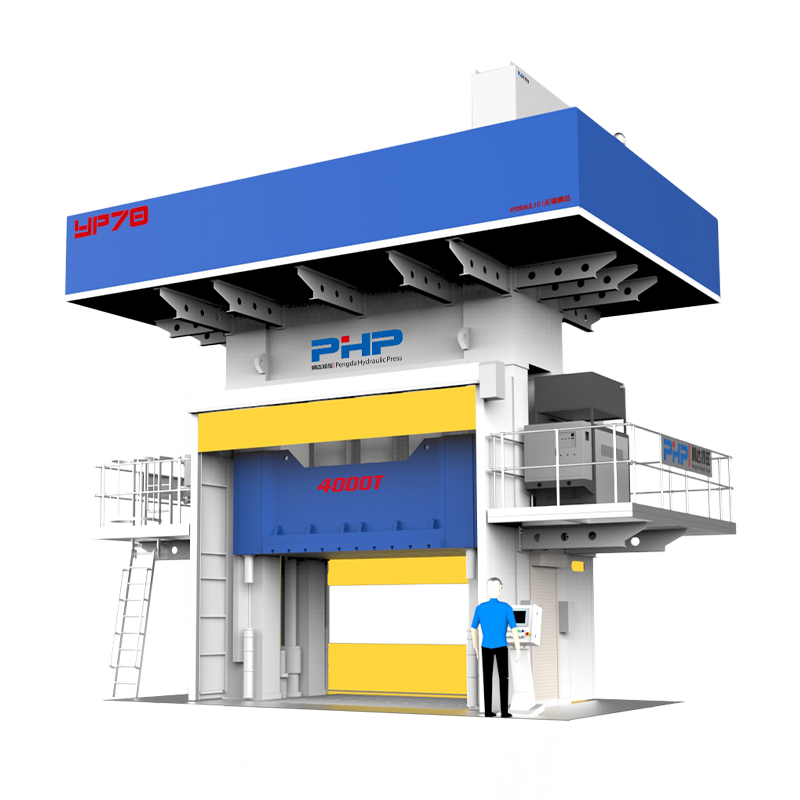
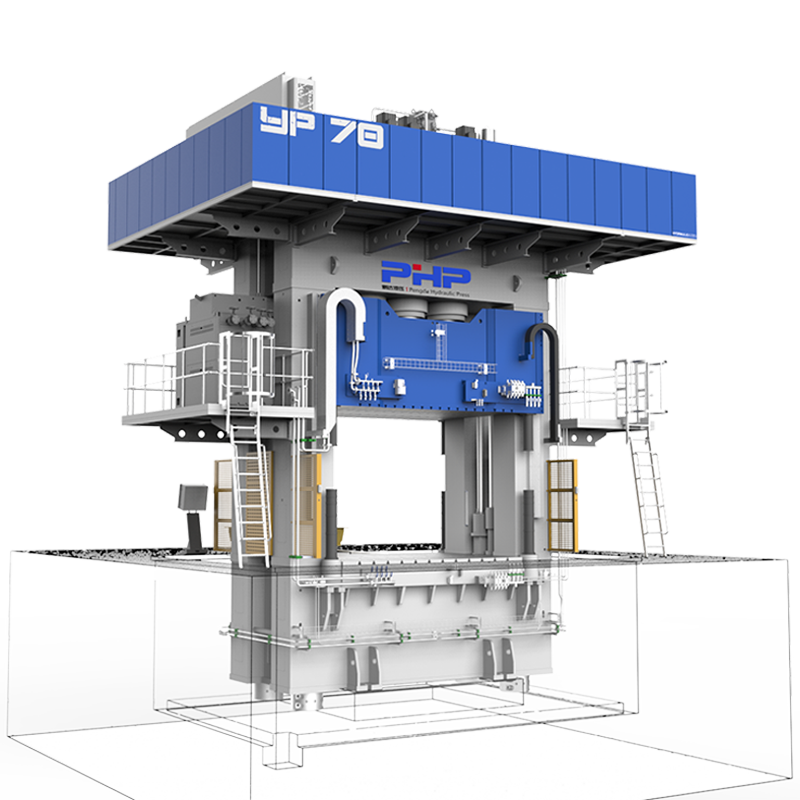
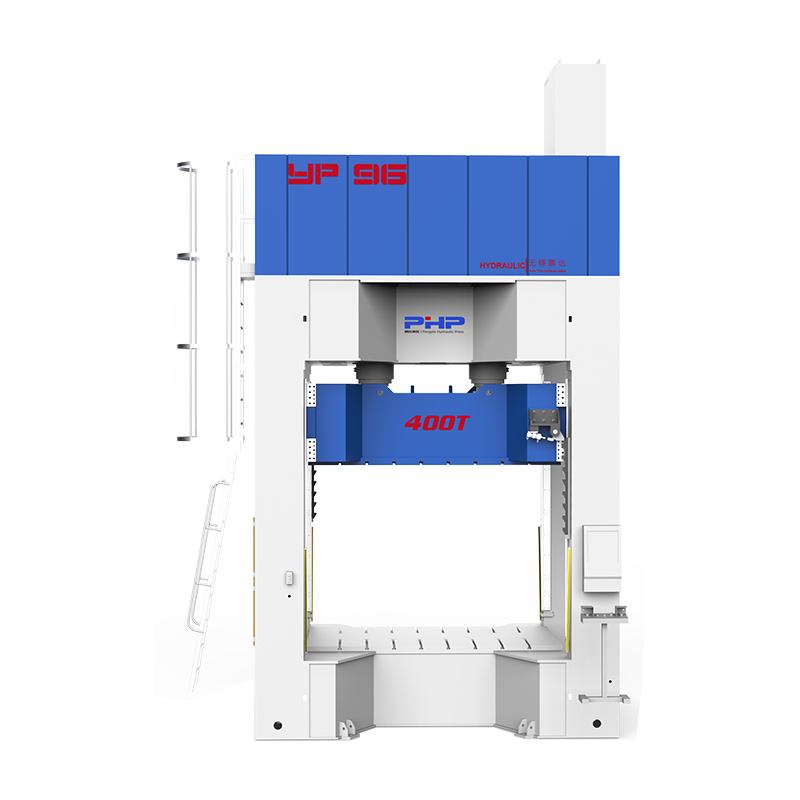
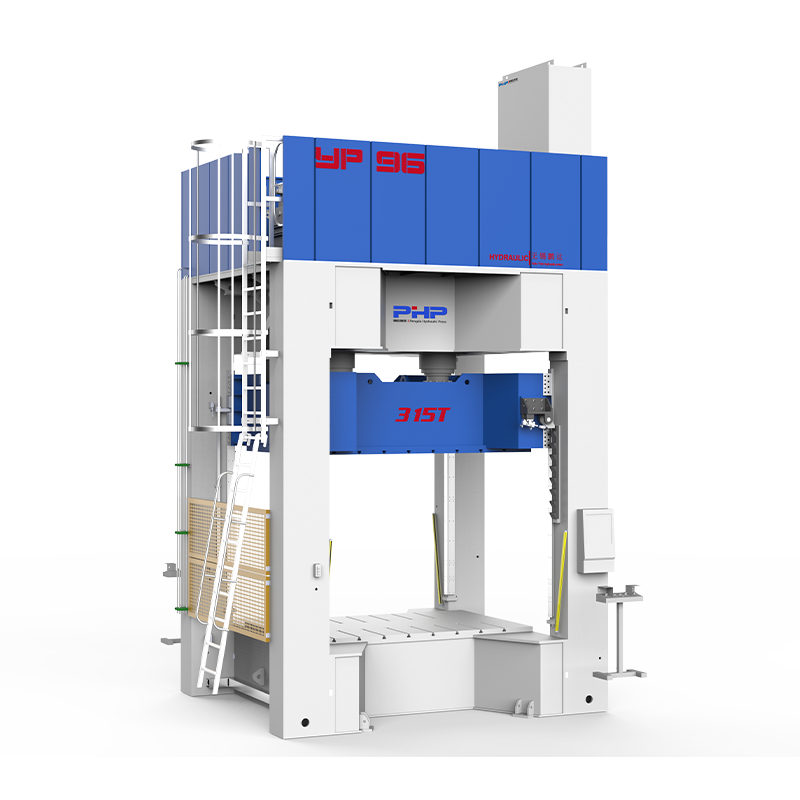
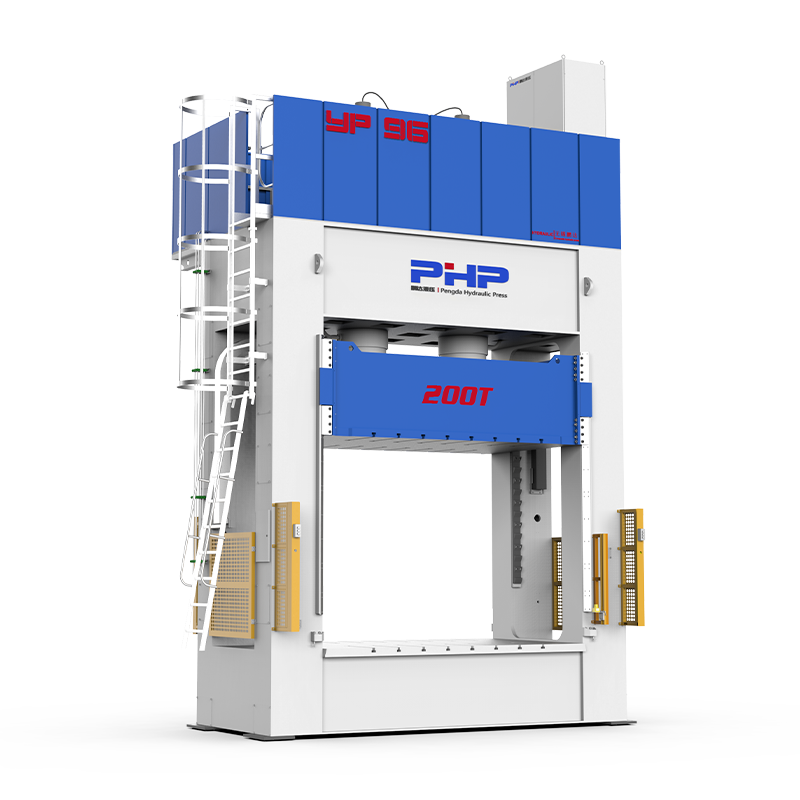
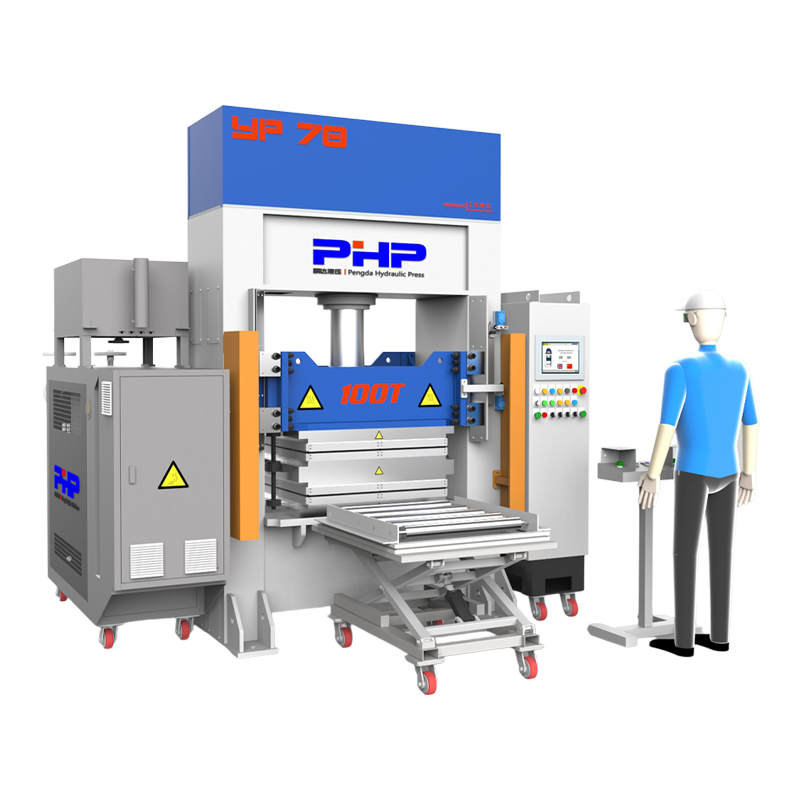

The hydraulic molding press is a core forming equipment that uses hydraulic system-driven pressure to shape solid materials into fixed-structure products through molds. It delivers stable and controllable pressure output, high forming precision, and strong adaptability to various materials, making it irreplaceable in modern industrial manufacturing.
Unlike mechanical presses, hydraulic molding presses achieve continuous and uniform pressure through liquid transmission, avoiding impact loads and ensuring consistent product quality. Its core advantages lie in high-pressure stability, mold compatibility, low failure rate, and suitability for mass production and high-precision component manufacturing. In practical applications, it can process plastic, rubber, composite materials, metal sheets, and other materials, covering automotive, construction, electrical, aerospace, and daily hardware industries.
To maximize equipment performance, users must focus on hydraulic system maintenance, mold accuracy control, operating parameter adjustment, and safety protection. With proper operation and regular upkeep, hydraulic molding presses can maintain over 95% operating efficiency and extend service life to more than 15 years, creating stable production capacity and economic value for industrial enterprises.
Content
- 1 Working Principle of Hydraulic Molding Press
- 2 Key Components and Structural Composition
- 3 Standard Operation Process of Hydraulic Molding Press
- 4 Material Adaptability and Application Scope
- 5 Advantages Compared with Other Forming Equipment
- 6 Daily Maintenance and Fault Troubleshooting
- 7 Safety Operation Specifications
- 8 Development Trend and Technological Innovation
- 9 Selection Principles and Application Suggestions
Working Principle of Hydraulic Molding Press
The working principle of hydraulic molding press is based on Pascal's Law, which means that sealed liquid can transmit pressure uniformly in all directions. The entire system consists of a power source, control unit, execution unit, and auxiliary components, collaborating to complete material forming.
Hydraulic System Transmission Mechanism
The hydraulic pump converts mechanical energy into pressure energy of hydraulic oil, pushing the liquid to flow. The pressure is transmitted to the main cylinder through pipelines and control valves, driving the piston and slider to move up and down. During the pressing process, the liquid pressure remains stable, ensuring the slider applies uniform force to the mold and material.
A key feature is that pressure can be adjusted steplessly. Operators set pressure values via the control system according to material characteristics and product requirements, and the hydraulic system automatically maintains stability, avoiding overpressure or insufficient pressure that causes product defects.
Mold Forming Process
Mold is the direct carrier for material forming. The hydraulic molding press matches upper and lower molds: the lower mold fixes the material, and the upper mold moves downward under pressure to extrude the material into the mold cavity. The entire process includes feeding, pressing, pressure holding, cooling, and demolding, with pressure holding being critical for product density and stability.
For thermosetting materials, pressure holding assists in solidification; for thermoplastic materials, it helps shape and eliminate internal stress. The equipment’s pressure holding time can be adjusted flexibly, usually ranging from a few seconds to minutes, depending on material thickness and performance requirements.
Key Components and Structural Composition
The hydraulic molding press is composed of multiple core components, each undertaking important functions. The stability and quality of components directly determine the equipment’s service life and forming effect.
Main Body Structure
The main body includes the frame, slider, workbench, and mold installation system. The frame is made of high-strength steel, resistant to deformation under high pressure and ensuring long-term operation stability. The slider connects to the main cylinder and moves vertically with high guidance accuracy to avoid mold offset.
The workbench carries the lower mold, with a smooth and high-hardness surface. Mold installation systems use quick-clamping or bolt-fixing structures, supporting rapid mold replacement and adapting to diversified product production.
Hydraulic System Components
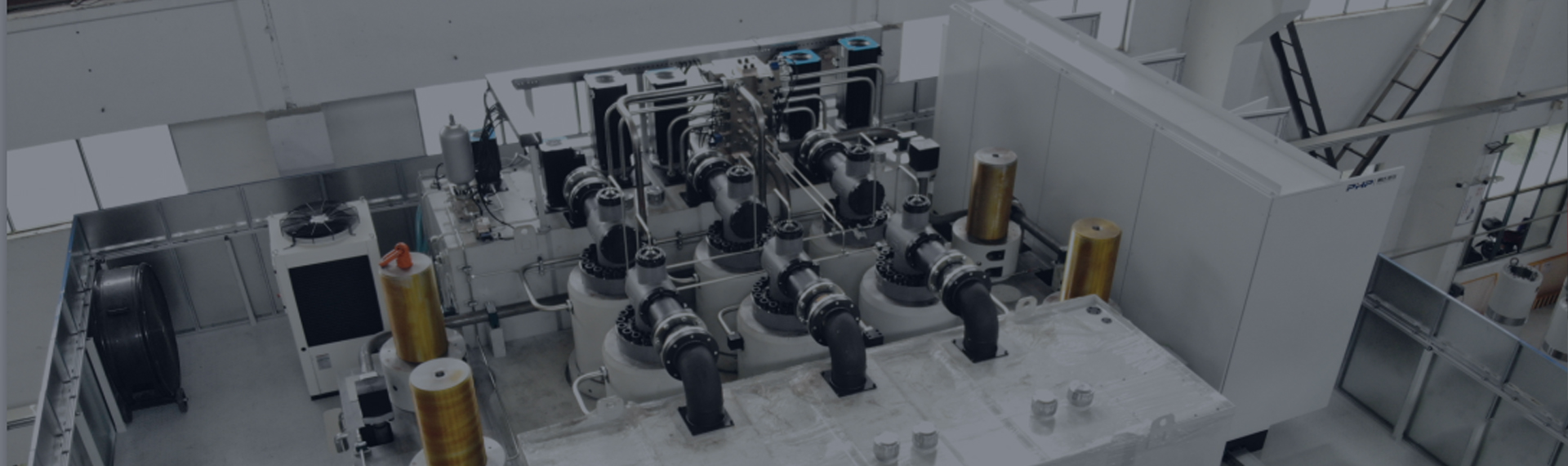
- Hydraulic pump: provides continuous power, commonly gear pumps and plunger pumps for high-pressure scenarios
- Control valves: regulate pressure, flow, and direction, realizing automatic control of the pressing process
- Main cylinder: core execution component, converts pressure energy into mechanical thrust
- Hydraulic oil tank: stores and cools hydraulic oil, ensuring stable system temperature
- Pipeline and sealing components: prevent liquid leakage, guaranteeing efficient pressure transmission
Electrical Control System
Modern hydraulic molding presses are equipped with PLC and touch screen control systems, supporting parameter setting, automatic operation, fault alarm, and data recording. The control system realizes automatic cycle operation, reducing manual operations and improving production efficiency and consistency.
Standard Operation Process of Hydraulic Molding Press
Standardized operation is the key to ensuring product quality, equipment safety, and personnel safety. The complete operation process is divided into six steps, each requiring strict compliance with specifications.
Pre-Operation Inspection
Before starting, check hydraulic oil level, sealing parts for leakage, mold installation firmness, and electrical system connections. Ensure all protective devices are effective and eliminate potential safety hazards.
Parameter Setting
Set pressure, pressing speed, pressure holding time, and demolding time based on material and product requirements. Reasonable parameter matching can increase production efficiency by over 30% and reduce defective rates.
Feeding and Mold Closing
Place raw materials evenly in the lower mold cavity, avoid deviation or accumulation, then start the mold closing function. The slider descends slowly to protect the mold and ensure uniform stress on materials.
Pressing and Pressure Holding
The system automatically boosts to the set pressure and maintains it. During this stage, materials fully fill the mold cavity and complete physical or chemical changes to form stable structures.
Cooling and Demolding
After pressure holding, cool naturally or with auxiliary equipment, then start demolding. The slider rises, and the ejector device pushes out the product to avoid damage or deformation.
Post-Operation Cleaning and Maintenance
Clean mold surface residues, check equipment status, record operating data, and perform daily maintenance to extend service life.
Material Adaptability and Application Scope
Hydraulic molding presses have excellent material adaptability, processing almost all industrial-forming materials. Different materials correspond to different operating parameters and mold designs.
Commonly Processed Materials
| Material Type | Forming Characteristics | Typical Products |
|---|---|---|
| Plastic | Good fluidity, fast forming | Shell parts, insulation components |
| Rubber | High elasticity, requires vulcanization | Seals, shock absorption parts |
| Composite Material | High strength, stable performance | Aerospace components |
| Metal Sheet | High pressure resistance, good plasticity | Hardware parts, automotive panels |
Major Industrial Application Fields
In the automotive industry, it manufactures bumpers, door panels, seals, and structural components, with high precision meeting assembly requirements. In construction, it produces decorative panels, waterproof components, and insulation parts with stable durability.
In electrical and electronics, it makes insulation shells, heat dissipation components, and connector parts with excellent insulation and safety. In aerospace, it forms high-performance composite components with lightweight and high-strength features. In daily hardware, it produces kitchenware, sanitary ware, and tool parts with high efficiency and low cost.
Advantages Compared with Other Forming Equipment
Hydraulic molding presses have obvious competitive advantages over mechanical presses, pneumatic presses, and injection molding machines, making them preferred for high-precision and high-strength forming.
Core Performance Advantages
Pressure stability: Hydraulic transmission provides uniform pressure without impact, reducing product deformation and cracking. Stepless adjustment: Pressure and speed can be adjusted freely to adapt to various materials and products.
Low noise and vibration: creating a safer and more comfortable production environment. High automation: supports continuous production, reducing labor costs and improving efficiency. Strong mold adaptability: compatible with various mold structures for diversified products.
Economic and Practical Advantages
The equipment has a low failure rate and low maintenance cost, with a long service life. The one-time investment can be amortized over many years, reducing enterprise production costs. High product qualification rate reduces material waste and improves economic benefits.
Small floor space, flexible layout, suitable for various factory workshops. Simple operation training, short staff proficiency cycle, reducing enterprise training costs.
Daily Maintenance and Fault Troubleshooting
Regular maintenance can reduce failure rates by more than 80% and ensure long-term stable operation. Maintenance is divided into daily, weekly, and monthly tasks, with standardized troubleshooting for common faults.
Daily Maintenance Items
- Check hydraulic oil level and replenish in time if insufficient
- Clean mold surface and equipment residues to keep clean
- Inspect pipelines and joints for oil leakage and handle promptly
- Test control buttons and safety devices to ensure effectiveness
Common Faults and Solutions
Insufficient pressure: mostly caused by oil leakage, worn pump parts, or valve blockage. Check sealing parts, replace worn components, and clean valves.
Unstable slider operation: due to guide rail lubrication shortage or air in hydraulic oil. Add lubricant and exhaust air from the system.
Overheating of hydraulic oil: caused by high ambient temperature, clogged cooler, or excessive load. Improve ventilation, clean the cooler, and reduce continuous working time.
Product forming defects: uneven feeding, inappropriate pressure, or worn molds. Adjust feeding, optimize parameters, and repair or replace molds.
Safety Operation Specifications
Safety is the top priority in hydraulic molding press operation. Strict compliance with specifications prevents personal injury and equipment damage.
Personnel Safety Requirements
Operators must receive professional training and master operation and safety knowledge before working. They should wear protective equipment and avoid loose clothing or accessories to prevent involvement in equipment.
Non-professionals are prohibited from operating or adjusting parameters. Do not place hands or objects in the mold area during operation to avoid extrusion injuries.
Equipment Safety Protection Measures
Equip safety doors, emergency stop buttons, and pressure relief devices, and ensure they are effective before use. Set up warning signs around the equipment and keep the work area tidy.
Do not overload operation; strictly follow rated pressure and load ranges. In case of abnormality, immediately press emergency stop, cut off power, and inspect before restarting.
Development Trend and Technological Innovation
With industrial intelligent upgrading, hydraulic molding presses are developing towards intelligence, energy saving, high efficiency, and integration, with major technological innovations in recent years.
Intelligent Control Technology
New equipment adopts servo hydraulic systems, IoT sensors, and big data analysis, realizing remote monitoring, automatic parameter adjustment, predictive maintenance, and fault early warning. Intelligent systems can automatically optimize parameters based on material types, improving product consistency and reducing energy consumption by over 25%.
Energy-Saving and Environment-Friendly Design
Energy-saving hydraulic pumps, low-resistance pipelines, and high-efficiency cooling systems reduce power consumption and noise. Environmentally friendly sealing materials and biodegradable hydraulic oil reduce pollution, complying with green manufacturing standards.
Integrated and Compact Structure
Integrated mold heating, cooling, and demolding systems shorten production cycles and improve efficiency. Compact structures reduce floor space, suitable for automated production lines and flexible manufacturing units.
High-Precision and High-Strength Development
Higher control accuracy meets demand for micro and precision components. Stronger frame and cylinder designs adapt to large-size and high-strength material forming, expanding application in aerospace and new energy industries.
Selection Principles and Application Suggestions
Correct selection ensures production needs and cost control. Enterprises should choose based on product characteristics, material types, precision requirements, and production capacity.
Core Selection Factors
- Pressure range: select 10%-20% higher than actual required pressure for safety margin
- Table size: match product and mold dimensions for easy installation and operation
- Control system: choose PLC automatic control for mass production, manual for small-batch processing
- Precision requirements: select high-precision guided structures for precision products
- Budget and maintenance: balance performance and cost, prioritize easy-maintenance structures
Practical Application Suggestions
Establish complete operation and maintenance files, record parameters and faults, and summarize experience. Train professional operators to improve skill levels and reduce human errors.
Regularly calibrate pressure and position control systems to maintain accuracy. Establish spare parts reserves for quick replacement of vulnerable components and reduce downtime.
Combine production needs to upgrade equipment gradually, introducing intelligent functions to improve competitiveness. Strengthen safety management to eliminate hidden dangers and ensure sustainable and stable production.


