English
 中文简体
中文简体 Español
 Português
 Deutsch
 русский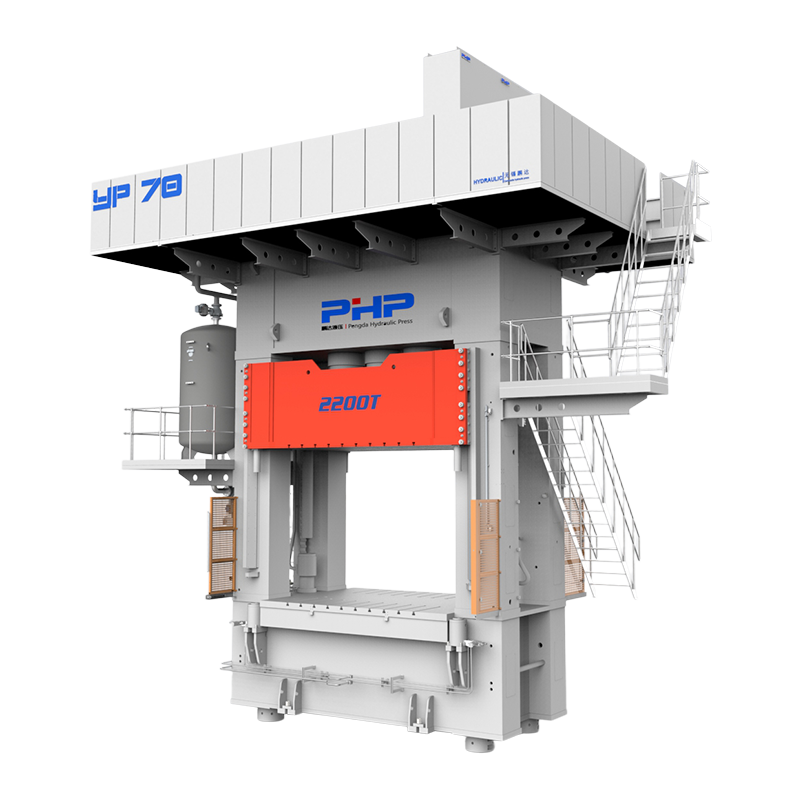
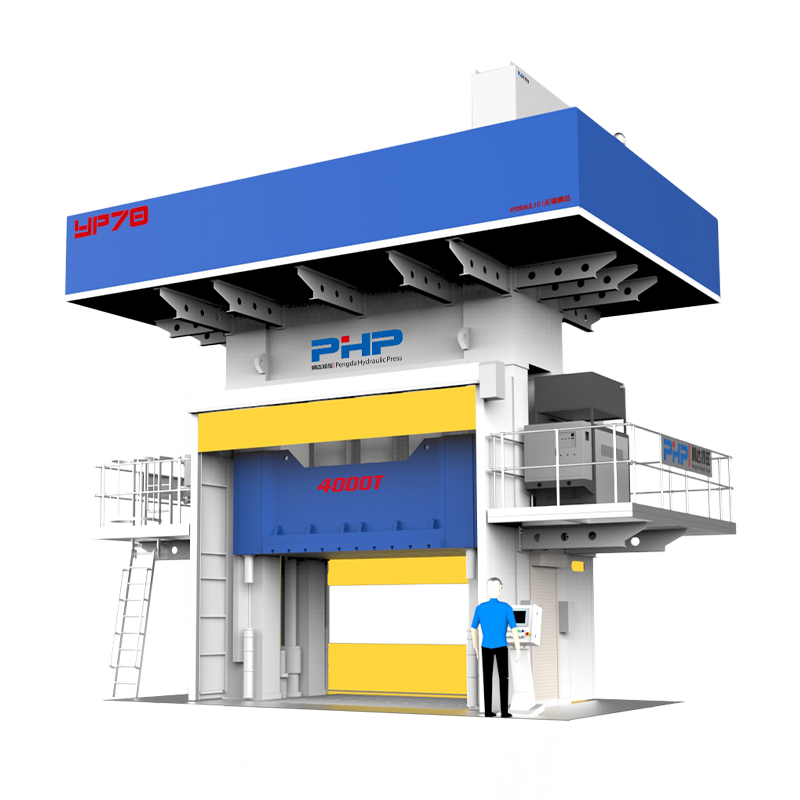
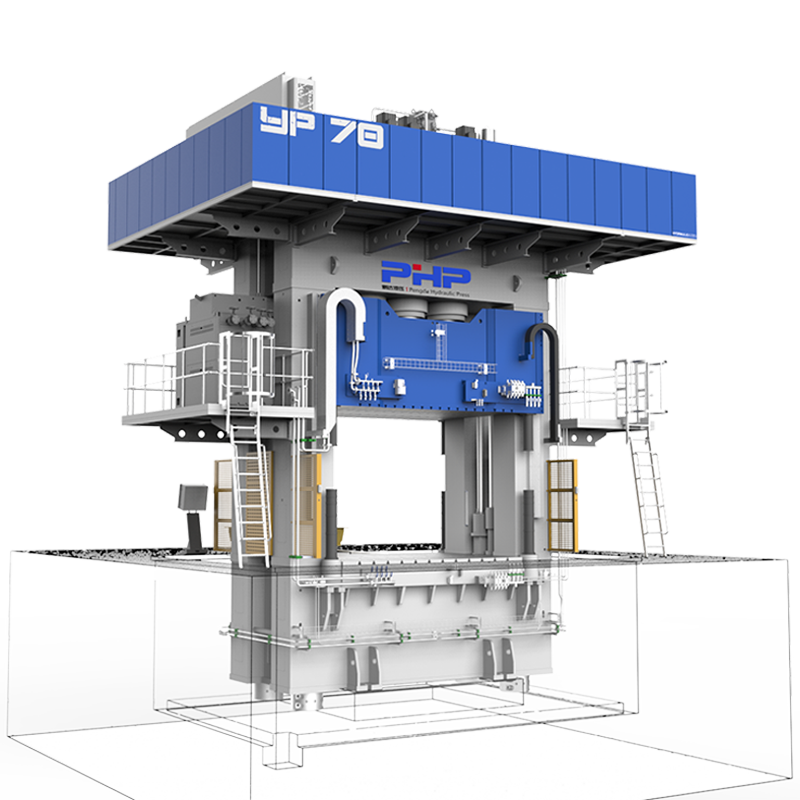
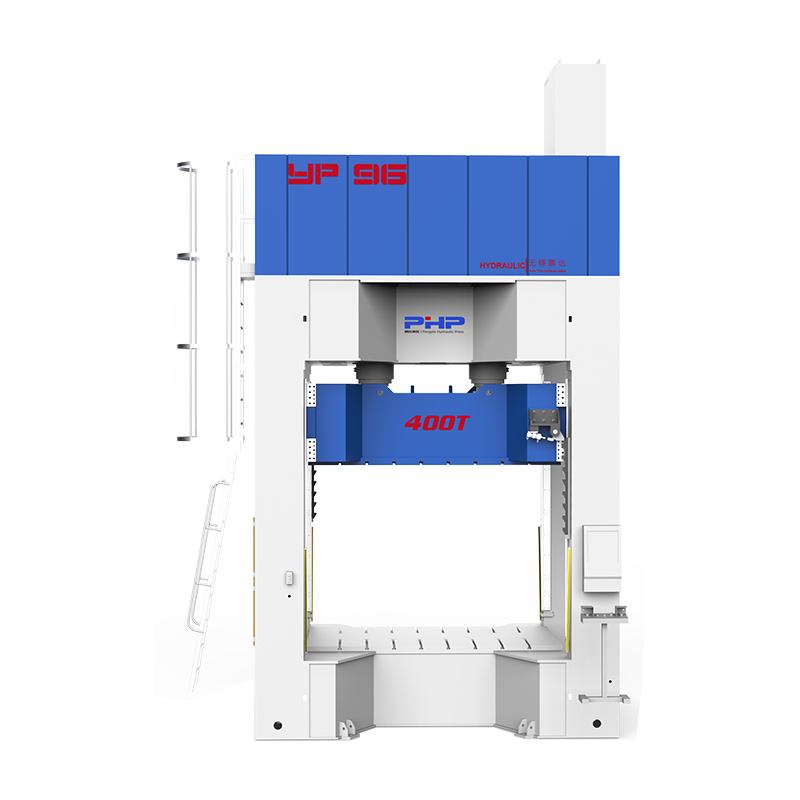
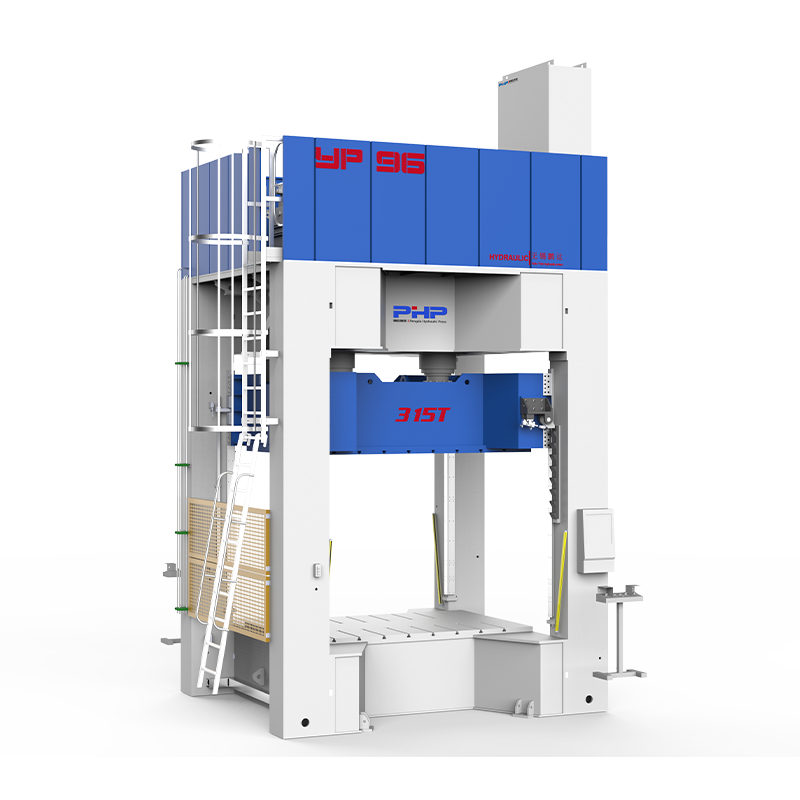
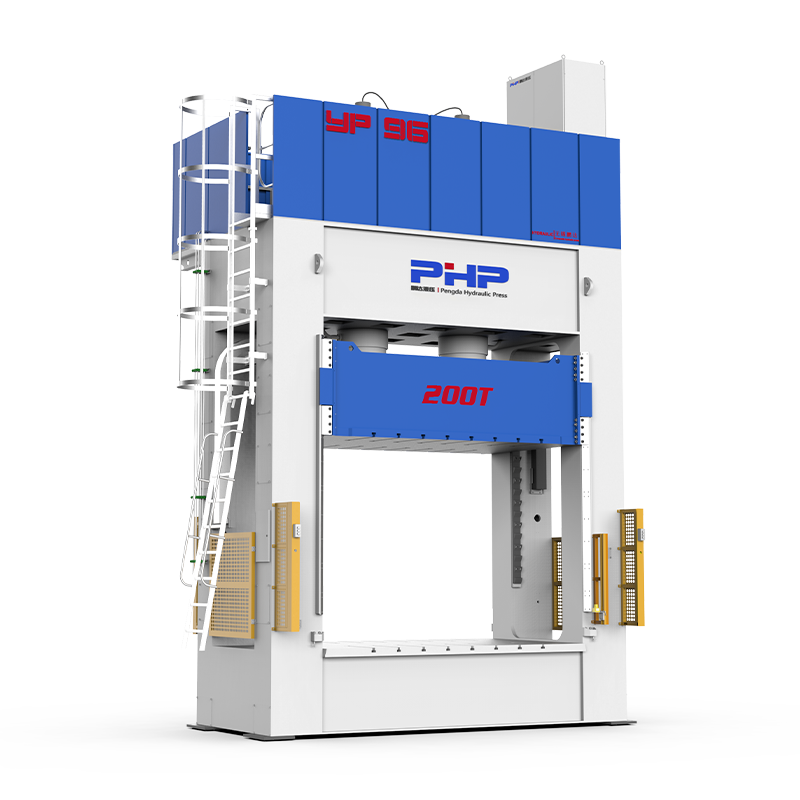
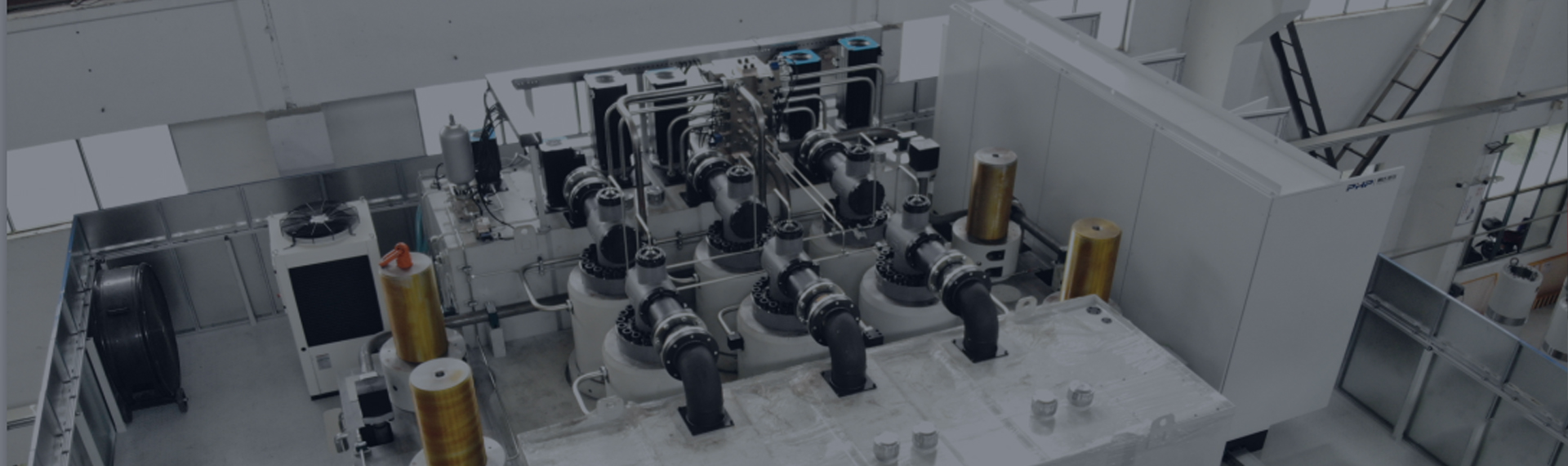

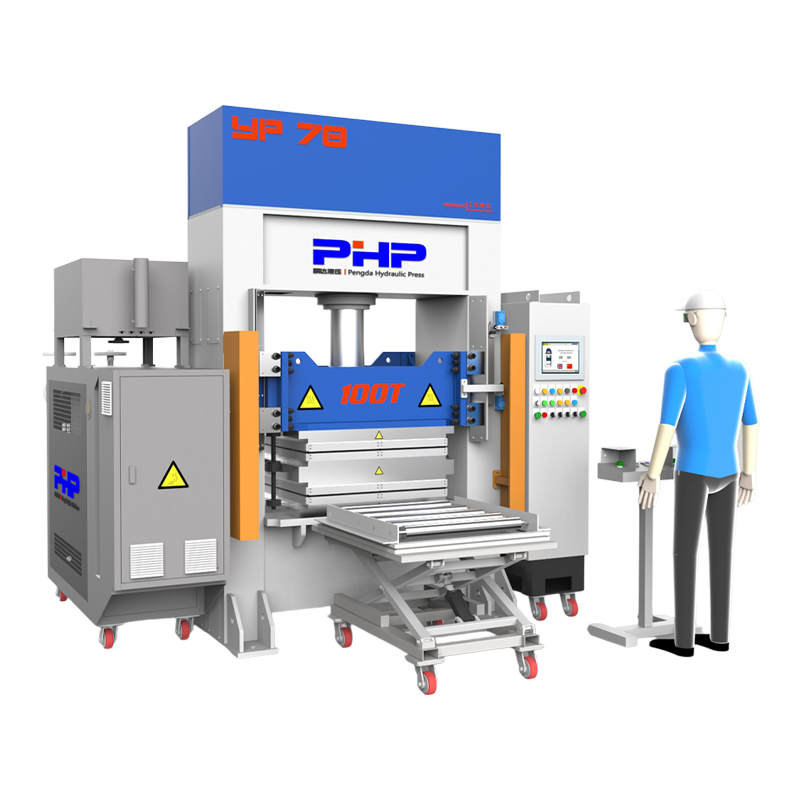
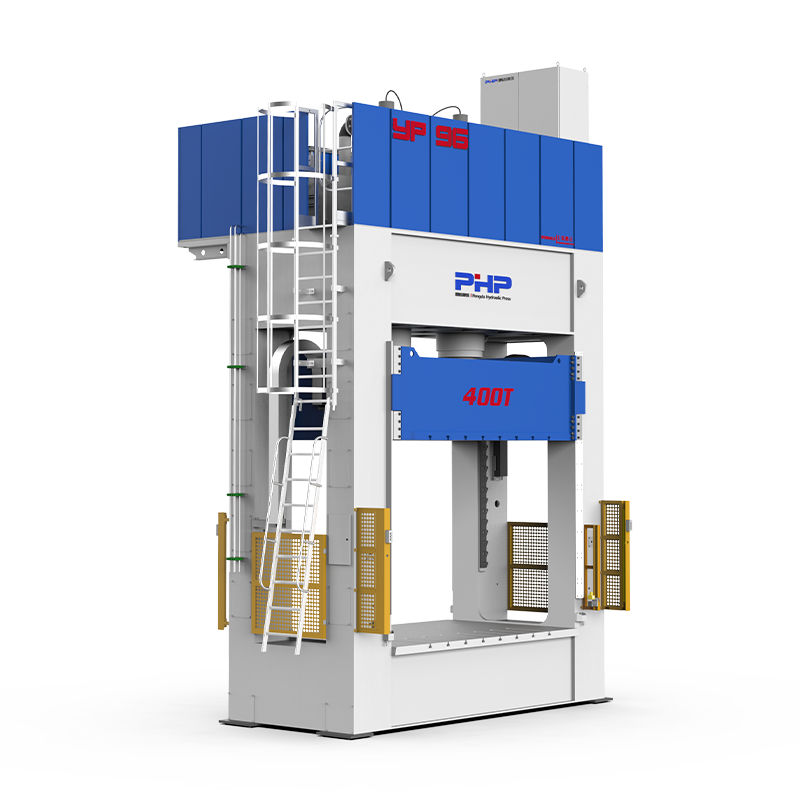
Compression moulding is a high-efficiency, cost-effective closed-mould manufacturing process that places preheated raw materials into an open mould cavity, applies pressure and heat to shape materials into finished parts, and is particularly suitable for producing large, flat, or complex reinforced composite components with excellent dimensional stability and mechanical properties. Compared with injection moulding and other processes, it features lower mould investment, less material waste, and better compatibility with fiber-reinforced materials, making it irreplaceable in automotive, aerospace, electrical, and construction industries.
The core advantages of this process are concentrated in three aspects: stable product quality, strong material adaptability, and scalable production capacity. It can maintain high consistency in mass production while meeting the performance requirements of high-strength, heat-resistant, and corrosion-resistant parts. For manufacturers pursuing a balance between production cost and product performance, compression moulding is one of the most practical and reliable forming processes.
Content
- 1 Basic Principles and Operating Mechanism of Compression Moulding
- 2 Standard Step-by-Step Compression Moulding Workflow
- 3 Suitable Materials for Compression Moulding
- 4 Key Advantages of Compression Moulding
- 5 Main Industrial Applications of Compression Moulding
- 6 Comparison Between Compression Moulding and Other Forming Processes
- 7 Key Process Parameters and Quality Control Methods
- 8 Development Trends and Future Outlook of Compression Moulding
Basic Principles and Operating Mechanism of Compression Moulding
Fundamental Working Principle
Compression moulding relies on the combined action of heat and pressure to complete the forming and curing of materials. The entire process follows the laws of thermosetting and thermoplastic material deformation: preheated materials become flowable under high temperature, fill the mould cavity evenly under controlled pressure, and then undergo physical or chemical curing to form a rigid part that matches the mould shape.
Unlike injection moulding, which injects materials into a closed mould, compression moulding uses an open mould feeding method, which reduces the shear force on materials and protects the integrity of internal fibers. This is the key reason why the process can produce high-performance composite parts with fiber retention rates exceeding 85%.
Core Equipment Components
The complete compression moulding system consists of four key modules, each of which directly affects the final product quality:
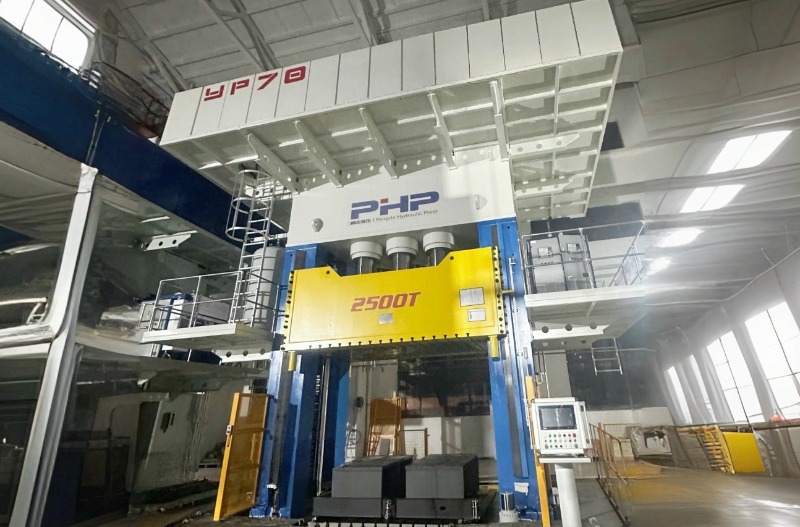
- Hydraulic press: Provides stable forming pressure, usually ranging from 50 to 4000 tons, matching the size and material requirements of parts
- Heated mould set: Divided into upper and lower moulds, equipped with a temperature control system to maintain uniform heating
- Material preheating device: Improves material flowability and shortens the overall moulding cycle
- Control system: Monitors pressure, temperature, and time in real time to ensure process stability
Classification of Compression Moulding Processes
According to material types and operating modes, compression moulding is divided into two main categories, applicable to different production scenarios:
- Thermosetting compression moulding: Mainly for epoxy, phenolic, and unsaturated polyester resins, forming permanent chemical cross-linking under heat and pressure
- Thermoplastic compression moulding: For polypropylene, nylon, and other thermoplastics, shaped by cooling and solidification after heating and pressing
Standard Step-by-Step Compression Moulding Workflow
Material Preparation and Preheating
The first step of the process is to prepare raw materials in accordance with product design requirements, including resin, fiber reinforcement, fillers, and additives. Thermosetting materials are usually made into preforms, sheets, or granules, while thermoplastic materials are mostly used in sheet or granular form. Preheating is a critical step: heating materials to 60°C to 120°C in advance can reduce mould pressure requirements, shorten curing time, and improve surface finish.
Mould Loading and Closing
Operators place preheated raw materials accurately into the lower mould cavity, ensuring uniform distribution to avoid local shortages or excess materials. The hydraulic press then drives the upper mould down slowly, and the mould closes gradually. During this stage, controlled closing speed prevents material splashing and ensures even material distribution inside the cavity.
Pressure Holding and Curing
This is the longest stage in the entire process. After the mould is completely closed, the system maintains set pressure and temperature until the material is completely cured. Thermosetting materials require chemical cross-linking, with a curing time ranging from 30 seconds to 15 minutes depending on part thickness. Thermoplastic materials only need cooling and solidification, with a shorter cycle. Pressure holding ensures that materials fully fill every detail of the mould and eliminates internal pores.
Mould Opening and Product Demoulding
Once the curing process is completed, the hydraulic press lifts the upper mould, and the formed part is removed from the cavity, either manually or with demoulding tools. Most parts can be directly put into use after simple trimming of excess flash, and complex parts may require minor post-processing such as drilling and polishing.
Mould Cleaning and Recycling
After demoulding, clean the mould cavity to remove residual materials and debris, then apply a release agent to prepare for the next cycle. Regular cleaning and maintenance can extend mould service life and ensure consistent product quality in continuous production.
Suitable Materials for Compression Moulding
Thermosetting Composite Materials
Thermosetting materials are the most widely used in compression moulding, accounting for more than 70% of the total application volume. They form irreversible chemical bonds during curing, offering outstanding heat resistance, dimensional stability, and mechanical strength.
- Phenolic resins: Excellent heat insulation and flame retardancy, suitable for electrical and construction parts
- Epoxy resins: High adhesion and mechanical strength, widely used in aerospace and automotive components
- Unsaturated polyesters: Cost-effective, the mainstream material for automotive exterior parts and sanitary ware
- Bulk molding compounds (BMC): High flowability, ideal for small, complex precision parts
- Sheet molding compounds (SMC): Suitable for large, flat parts with high surface quality requirements
Thermoplastic Materials
Thermoplastic compression moulding has grown rapidly in recent years, benefiting from its recyclability and short forming cycle. These materials soften when heated and harden when cooled, supporting multiple forming processes and recycling.
- Reinforced polypropylene: Lightweight and corrosion-resistant, used in automotive and packaging industries
- Nylon (polyamide): Good wear resistance and toughness, for mechanical structural parts
- Polycarbonate: High impact resistance and transparency, suitable for optical and protective parts
Reinforcement Materials
Reinforcements significantly enhance the mechanical properties of moulded parts, and common types include glass fiber, carbon fiber, aramid fiber, and natural fiber. Glass fiber is the most cost-effective choice, while carbon fiber provides ultra-high strength-to-weight ratio for high-end applications.
Key Advantages of Compression Moulding
Outstanding Product Performance
Compression moulding minimizes fiber breakage during forming, allowing products to retain excellent mechanical properties. The internal structure is dense with almost no pores, so parts have higher tensile strength and fatigue resistance than those made by injection moulding. Additionally, the process produces uniform shrinkage, leading to superior dimensional stability and minimal deformation during long-term use.
Cost and Production Efficiency
Mould manufacturing costs for compression moulding are 30% to 60% lower than injection moulds, as the mould structure is simpler without complex gating systems. The process generates very little waste, with material utilization rates up to 95%, reducing raw material costs. It is highly compatible with automated production lines, enabling stable mass production with low rejection rates.
Wide Design and Material Adaptability
This process can produce ultra-large parts exceeding several meters in size and small precision components, accommodating diverse product designs. It supports various fillers and reinforcements, allowing manufacturers to adjust material formulas to meet specific performance needs such as flame retardancy, electrical insulation, and chemical corrosion resistance.
Operational Flexibility and Safety
Compression moulding equipment is easy to operate and adjust, making it suitable for both small-batch customized production and large-scale mass production. The closed mould and low-pressure operating environment reduce harmful gas emissions and operational risks, complying with modern industrial safety and environmental protection standards.
Main Industrial Applications of Compression Moulding
Automotive Industry
The automotive sector is the largest application field of compression moulding, consuming over 40% of total moulded parts. The process is widely used to manufacture lightweight components such as battery casings for electric vehicles, bumper reinforcements, interior panels, and engine hoods. These parts reduce vehicle weight while improving safety and energy efficiency, perfectly matching the industry's lightweight and low-carbon development trends.
Aerospace and Defense
In aerospace, compression moulding produces high-performance composite parts for aircraft interiors, cabin components, wing structures, and satellite components. The parts offer excellent strength-to-weight ratio, corrosion resistance, and temperature resistance, meeting the strict performance requirements of the aerospace industry while reducing overall equipment weight.
Electrical and Electronics Industry
Electrical applications focus on insulation and heat resistance: insulators, switch housings, transformer components, and circuit board bases are all typical products. Compression moulded parts provide stable electrical insulation performance even under high voltage and high temperature conditions, ensuring the safe operation of electrical equipment.
Construction and Sanitary Ware
The construction industry uses compression moulding to produce decorative panels, drainage components, and insulation parts. In sanitary ware, the process manufactures integrated bathtubs, washbasins, and toilet components with smooth surfaces, high strength, and easy cleaning, replacing traditional ceramic materials with better drop resistance and longer service life.
General Industrial and Consumer Goods
Other applications include mechanical seals, pump casings, sporting goods, and kitchenware. The versatility of compression moulding makes it suitable for almost all industrial fields requiring high-performance plastic and composite parts.
Comparison Between Compression Moulding and Other Forming Processes
To better understand the positioning of compression moulding, we compare it with injection moulding and transfer moulding, the two most common forming processes:
| Process Type | Mould Cost | Fiber Protection | Suitable Parts | Production Cycle |
|---|---|---|---|---|
| Compression Moulding | Low | Excellent | Large, flat, composite parts | Medium |
| Injection Moulding | High | Poor | Small, complex parts | Short |
| Transfer Moulding | Medium | Medium | Precision insulated parts | Medium |
The data shows that compression moulding has absolute advantages in large composite parts production, fiber protection, and mould cost, making it the optimal choice for applications prioritizing product performance and cost control.
Key Process Parameters and Quality Control Methods
Critical Process Parameters
Stable control of three core parameters directly determines the quality of compression-moulded parts:
- Mould temperature: Generally controlled at 130°C to 180°C for thermosetting materials; uneven temperature causes incomplete curing or thermal deformation
- Forming pressure: Ranges from 10 to 150 MPa, adjusted according to material flowability and part thickness; insufficient pressure leads to pores and low density
- Curing time: Determined by part thickness, typically 1 to 2 minutes per millimeter of thickness; insufficient curing reduces mechanical strength
Common Defects and Solutions
In actual production, common quality defects include pores, incomplete filling, flash, deformation, and poor surface finish. Targeted solutions can effectively reduce rejection rates:
- Pores: Increase holding pressure, extend preheating time, and improve material exhaust design
- Incomplete filling: Raise mould temperature, increase material dosage, or optimize mould cavity structure
- Excessive flash: Reduce material dosage and lower forming pressure appropriately
- Product deformation: Extend cooling time and optimize product structure design to ensure uniform wall thickness
Long-Term Quality Assurance
Regular maintenance of moulds and equipment is essential for long-term stable production. Mould surfaces should be polished and cleaned regularly to maintain smoothness. The hydraulic system and temperature control system require periodic calibration to ensure parameter accuracy. Establishing a complete production record system allows quick traceability of parameter adjustments when quality problems occur.
Development Trends and Future Outlook of Compression Moulding
Intelligent and Automated Production
The future of compression moulding is moving toward full automation and intelligence. Automated feeding, robotic demoulding, online quality inspection, and real-time parameter monitoring systems will become standard configurations. Intelligent control systems can automatically adjust parameters based on material characteristics and environmental changes, further improving production efficiency and product consistency, with production efficiency expected to increase by 25% to 40%.
High-Performance Composite Material Innovation
The development of new materials will expand the application scope of compression moulding. Carbon fiber reinforced thermoplastic composites, bio-based environmentally friendly composites, and multi-functional composite materials with electrical conductivity and self-healing properties are being rapidly applied. These new materials endow moulded parts with higher performance and meet the needs of emerging industries such as new energy, intelligent manufacturing, and biomedicine.
Green and Sustainable Manufacturing
Environmental protection requirements drive the green transformation of compression moulding. Recyclable thermoplastic materials will replace part of thermosetting materials, and low-energy mould heating systems and waste recycling technologies will be widely adopted. The entire process will achieve low energy consumption, low emissions, and high material utilization, fully aligning with global sustainable manufacturing goals.
Expansion of High-End Application Fields
Compression moulding will further expand in high-end fields such as aerospace, high-speed rail, and marine engineering. The demand for large, integrated, high-performance composite components will drive technological upgrades in mould design, material formulation, and process control, making compression moulding a core forming process in advanced manufacturing.