
 English
 中文简体
中文简体 Español
 Português
 Deutsch
 русский

Content
- 1 Auto Trim Parts Press Operations Deliver High Precision for Interior Components
- 2 Understanding the Role of Press Operations in Auto Trim Manufacturing
- 3 Primary Materials Processed in Trim Press Facilities
- 4 Key Press Types Utilized for Interior Trim Components
- 5 Die Design and Tooling Considerations for Interior Parts
- 6 Quality Control and Defect Mitigation Strategies
- 7 Integration of Automation in Press Operations
Auto Trim Parts Press Operations Deliver High Precision for Interior Components
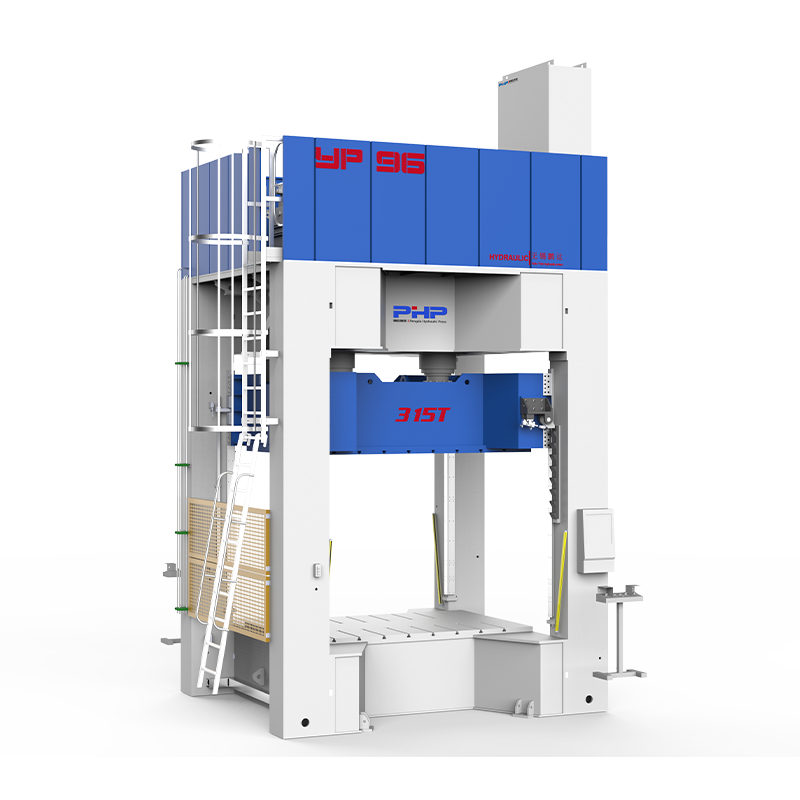
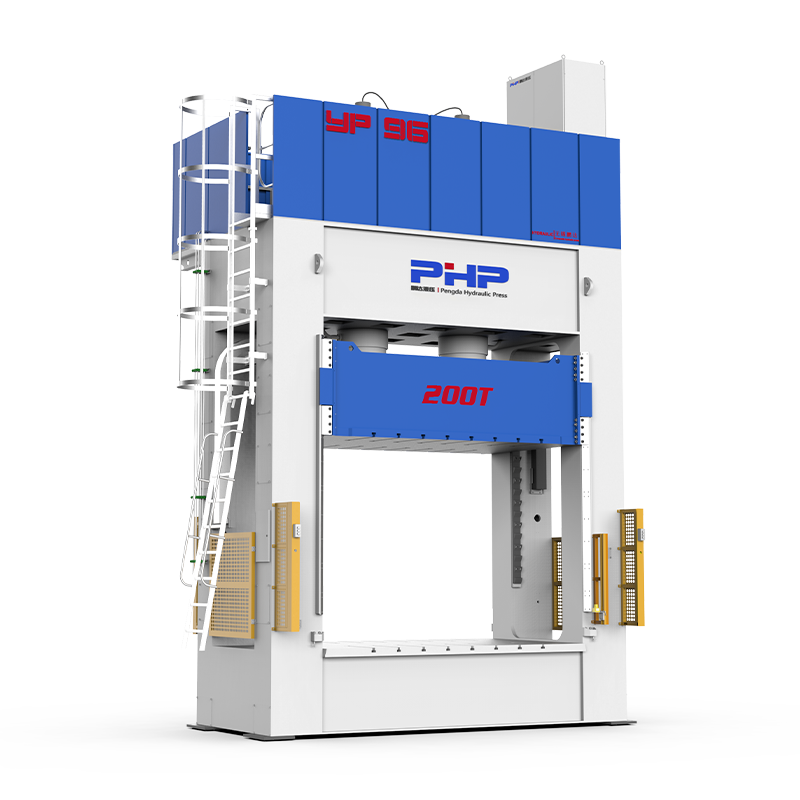
The core conclusion regarding auto trim parts press manufacturing is that utilizing specialized stamping and forming presses is the most efficient, precise, and cost-effective method for producing high-quality vehicle interior components. Press operations consistently achieve dimensional tolerances within fractions of a millimeter, ensuring that dashboard panels, door trims, and console overlays fit seamlessly into the final vehicle assembly. By leveraging mechanical and hydraulic press systems, manufacturers can transform raw sheet metal, plastic composites, and lightweight alloys into complex, rigid, and aesthetically pleasing interior structures at a high production rate. This methodology remains fundamentally irreplaceable in the automotive supply chain due to its unparalleled ability to combine rapid output with strict structural integrity.
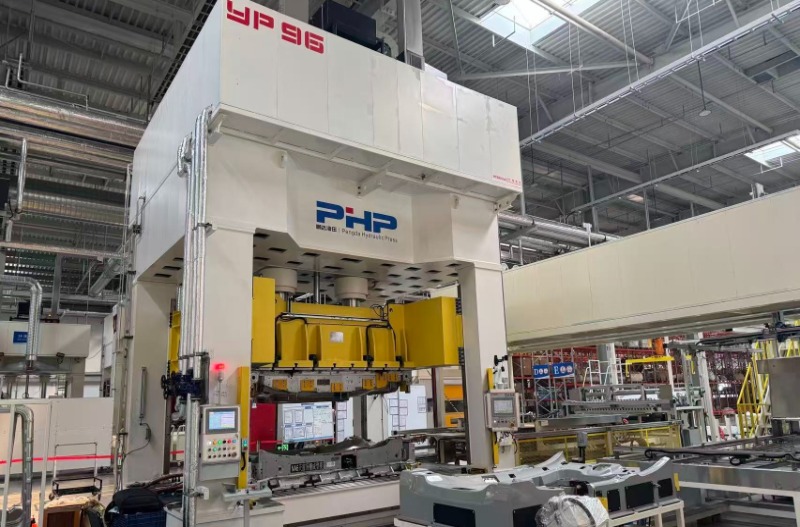
The importance of this process becomes evident when examining the sheer volume of interior parts required by the global automotive industry. Every vehicle contains dozens of distinct trim components that must meet rigorous safety, aesthetic, and durability standards. The press environment provides the necessary controlled force to shape these parts without causing micro-fractures or surface defects. Furthermore, modern press operations integrate seamlessly with automated feeding and unloading systems, minimizing human error and maximizing throughput. This establishes the auto trim parts press not merely as a piece of machinery, but as a comprehensive manufacturing solution that dictates the quality cadence of the entire vehicle interior production line.
Understanding the Role of Press Operations in Auto Trim Manufacturing
In the context of vehicle interiors, the term "trim" encompasses all non-structural visual and tactile components. These include instrument cluster bezels, center stack overlays, gear selector surrounds, air vent housings, and decorative metal inlays. The auto trim parts press is specifically tasked with shaping the rigid substrates that sit beneath soft-touch surfaces or serve as standalone decorative elements. Unlike exterior body panels that require deep drawing and immense structural rigidity, trim parts often demand intricate geometric details, sharp creases, and flawless surface finishes free of visible tooling marks.
The press achieves this through a carefully calibrated interaction between the upper die and the lower die. When the ram descends, the material is forced to take the exact negative shape of the die cavity. For auto trim parts, this often means creating embossed logos, pierced speaker grilles, or complex stepped contours that accommodate underlying electronic screens and wiring harnesses. A typical trim press cycle can be completed in a matter of seconds, allowing production lines to output thousands of identical components per shift. This speed is critical for maintaining the economies of scale required in modern automotive manufacturing, where delays in trim component availability can halt the final assembly of a vehicle entirely.
Primary Materials Processed in Trim Press Facilities
The auto trim parts press is a versatile system capable of processing a wide array of materials, each chosen for specific functional and aesthetic properties within the vehicle cabin. The selection of material directly influences the press parameters, including tonnage requirements, die clearance, and lubrication strategies. Understanding these materials is essential for optimizing the stamping process and ensuring the longevity of the tooling.
Lightweight Alloys and Sheet Metals
Aluminum and magnesium alloys are increasingly dominant in premium vehicle interiors due to their exceptional strength-to-weight ratios. Aluminum is frequently used for structural dashboard substrates and premium decorative trim strips. When processed through a trim press, aluminum requires precise control of the blank holder pressure to prevent wrinkling, while simultaneously avoiding tearing in areas with tight radii. Magnesium, being even lighter, is often stamped at elevated temperatures to increase its formability, requiring specialized press setups that can maintain thermal consistency throughout the stamping cycle.
Advanced Polymers and Composites
While traditional stamping brings metal to mind, modern auto trim parts presses frequently handle non-metallic materials. Fiber-reinforced polymers and thermoplastic composites are stamped to create durable, lightweight backings for door panels and seat structures. The pressing of plastics differs significantly from metal; it often involves a thermal forming process where the sheet is heated to a pliable state before being pressed into a cold die to rapidly set the shape. Stamping composite materials can reduce component weight by significant margins compared to traditional steel, directly contributing to improved vehicle fuel efficiency and electric vehicle range.
Decorative Metals and Finishes
Stainless steel and brushed aluminum are staples for interior brightwork, such as window bezels and pedal trims. These materials are typically passed through a progressive press that performs multiple operations in a single pass: blanking, forming, coining to create a textured surface, and final trimming. The press must be exceptionally rigid to perform coining operations effectively, as this process displaces the metal rather than cutting it, creating a highly reflective, durable surface that resists scratching from daily driver interaction.
Key Press Types Utilized for Interior Trim Components
Not all press systems are created equal, and the selection of the press type is dictated by the specific geometry, material, and volume requirements of the auto trim part. Manufacturing facilities typically maintain a diverse fleet of presses to handle the varied demands of a complete vehicle interior lineup.
| Press Type | Primary Mechanism | Best Application in Auto Trim |
|---|---|---|
| Mechanical Press | Flywheel and crankshaft | High-volume metal trim stamping |
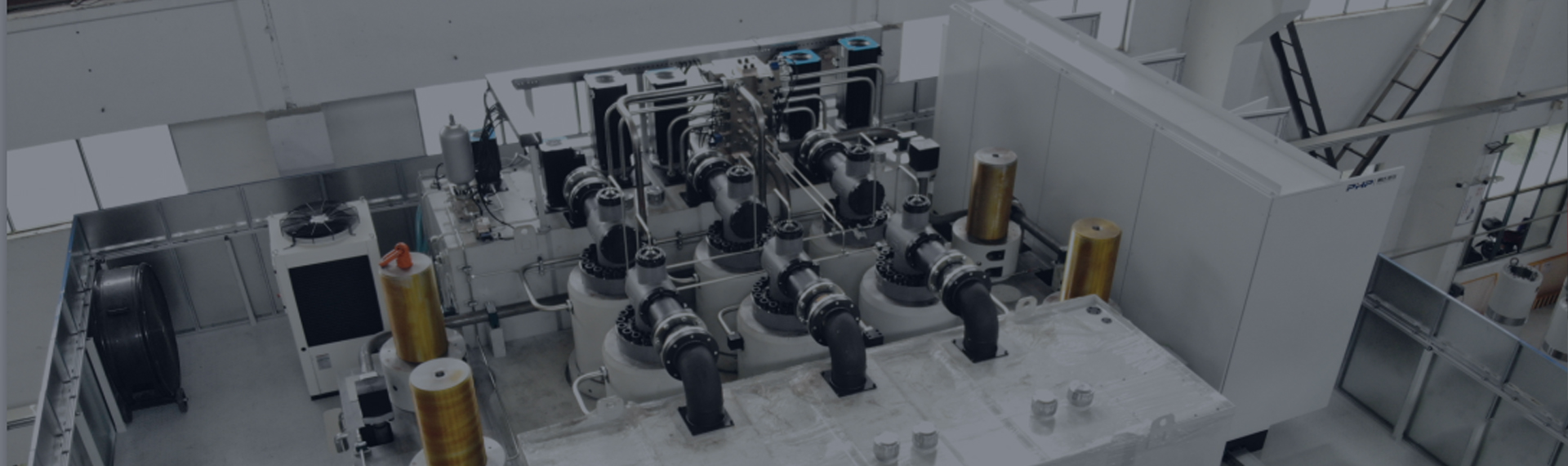
| Hydraulic Press | Pascal's principle via fluid pressure | Deep drawing, composite forming |
| Pneumatic Press | Compressed air cylinders | Light assembly, low-force embossing |
| Servo Press | Direct drive servo motors | Complex contours, sensitive finishes |
Mechanical presses are the workhorses of the industry, prized for their speed and extreme rigidity. They are ideal for blanking and shallow forming of metal interior components. Hydraulic presses, on the other hand, offer full tonnage throughout the entire stroke, making them indispensable for deep-drawn center console bins or complex structural dashboards where the material must flow extensively. Servo-driven presses represent the cutting edge of auto trim parts press technology, offering programmable ram speed and position control. This allows the operator to slow the ram down precisely when the material is undergoing complex deformation, significantly reducing the incidence of wrinkles and tears in high-strength aluminum alloys.
Die Design and Tooling Considerations for Interior Parts
The die is the heart of the auto trim parts press operation. Even the most advanced press machinery cannot compensate for poorly designed tooling. Die design for interior trim presents unique challenges compared to exterior body panels, primarily because the visual standards are much higher. Any tooling mark, sink mark, or slight dimensional variation will be highly visible to the vehicle occupant.
Class A Surface Requirements
Many interior trim components that are visible to the driver and passengers are classified as "Class A" surfaces. This designation means the surface must be free of any perceptible defects, even under harsh direct lighting. Achieving a Class A finish directly out of the press requires the die faces to be polished to a mirror finish. The draw beads—ridges machined into the die to control material flow—must be meticulously designed and placed to prevent metal stretching that would cause visible "orange peel" effects on the final part. The transition lines where the die splits must be carefully engineered so that the resulting parting line on the trim component can be hidden from view once installed in the vehicle.
Progressive vs. Transfer Die Strategies
For smaller, flat auto trim parts like HVAC vent bezels or switch gear backing plates, a progressive die is highly efficient. The sheet metal unrolls from a coil and travels through a series of stations within the press, each performing a specific operation like piercing, bending, or coining, until the finished part is severed at the final station. For larger, three-dimensional parts like a full door panel substrate, a transfer die system is utilized. In this setup, individual blanks are cut and then mechanically transferred from one press station to the next—often in a tandem press line—where they are progressively formed into the final complex shape.
Quality Control and Defect Mitigation Strategies
Maintaining rigorous quality control within the auto trim parts press facility is non-negotiable. A defective trim part cannot simply be reworked; it must be scrapped, leading to significant material and time losses. Therefore, the focus is heavily placed on defect prevention rather than detection after the fact.
In-Press Monitoring Systems
Modern press lines are equipped with an array of sensors that monitor the stamping process in real-time. Load cells measure the exact force being exerted by the ram at every point in the stroke. If the force profile deviates from the established baseline—even slightly—it indicates a problem such as material thickness variation, foreign object debris in the die, or lubrication failure. Automated press monitoring can identify forming anomalies in milliseconds, allowing the control system to halt the press before a defective part is produced, thereby saving the die from catastrophic damage and preventing a batch of scrap parts.
Common Defects and Their Causes
Understanding the root causes of common stamping defects is critical for trim part manufacturing. The following list outlines the most frequent issues encountered on the press floor and their typical origins:
- Wrinkling: Caused by excessive compressive stresses, often resulting from insufficient blank holder pressure or improper draw bead placement in the die.
- Tearing or Splitting: Occurs when the material is stretched beyond its tensile strength, typically due to tight radii in the die design or a lack of adequate lubrication.
- Springback: The natural elastic recovery of metal after forming; highly prevalent in high-strength aluminum alloys and requires over-bending or bottoming techniques in the die to compensate.
- Surface Galling: A friction-induced transfer of die material to the trim part, creating rough spots that ruin decorative finishes; mitigated by advanced surface treatments on the die steel.
Integration of Automation in Press Operations
The modern auto trim parts press facility is characterized by a high degree of automation, which serves to remove human operators from dangerous environments while dramatically increasing production consistency. The integration of robotics and material handling systems has transformed the press from a standalone machine into a node within a larger, interconnected manufacturing ecosystem.
At the beginning of the line, automated decoilers straighten the incoming coil of sheet metal or composite and feed it into the press at a precisely controlled speed. For transfer die operations, sophisticated crossbar transfer systems or articulated robots move the part from one die station to the next with sub-millimeter accuracy. This eliminates the variations caused by manual loading, ensuring that every piece of material enters the die in the exact same orientation and position. Automated press lines can operate continuously with minimal human intervention, significantly boosting overall equipment effectiveness. Furthermore, vision inspection systems mounted at the end of the press line utilize high-resolution cameras to scan every trimmed part for dimensional accuracy and surface flaws, automatically sorting non-conforming parts into reject bins without slowing down the production cycle.


