English
 中文简体
中文简体 Español
 Português
 Deutsch
 русский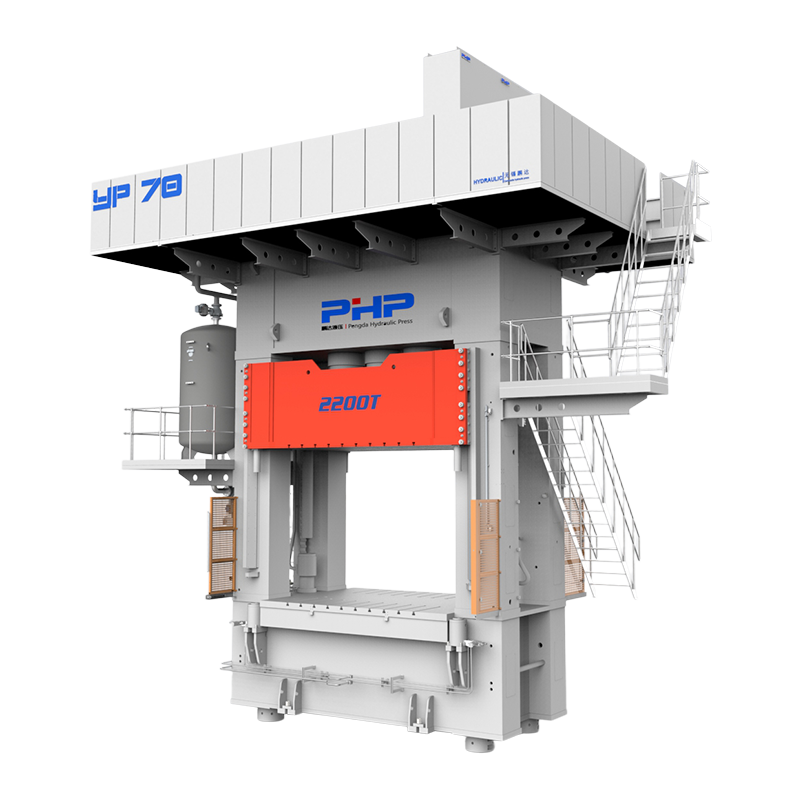
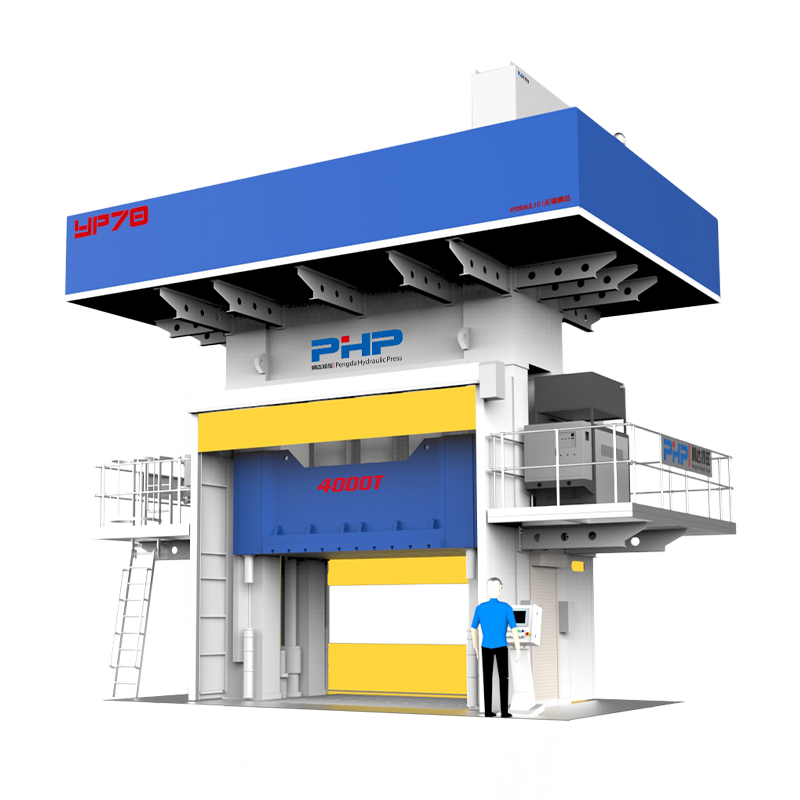
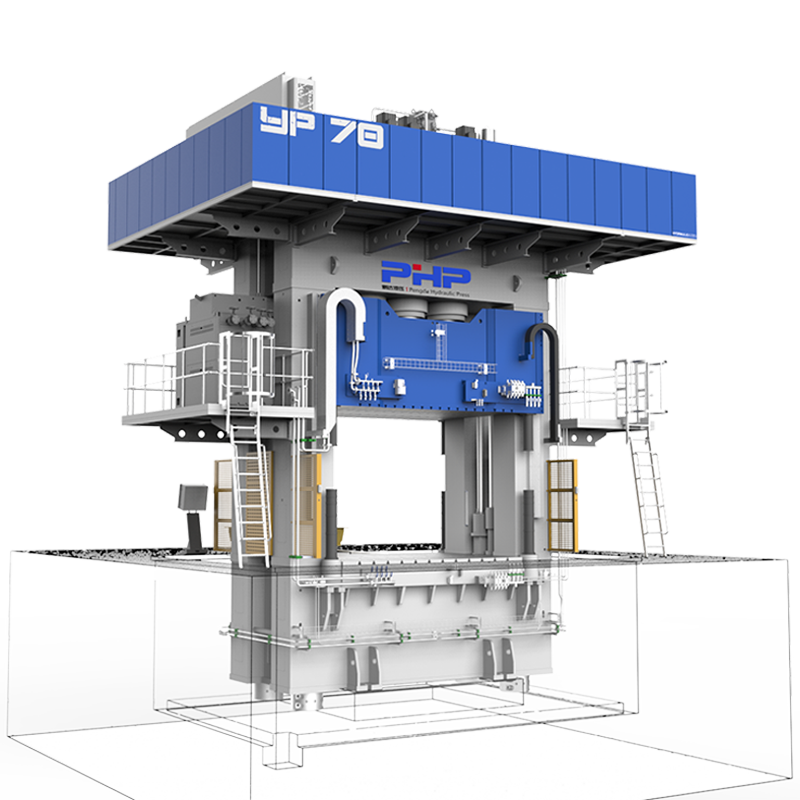
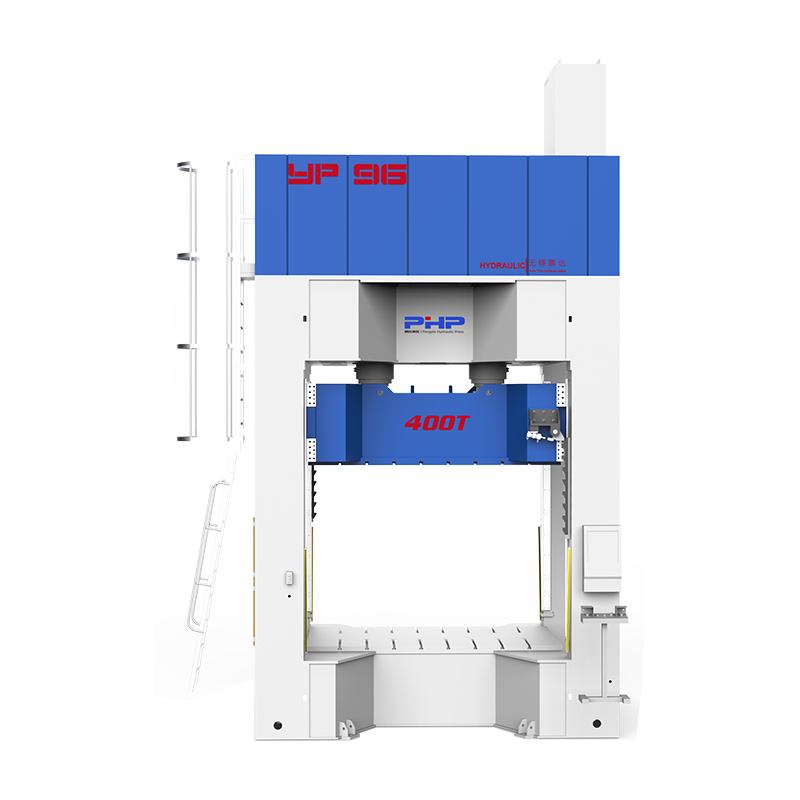
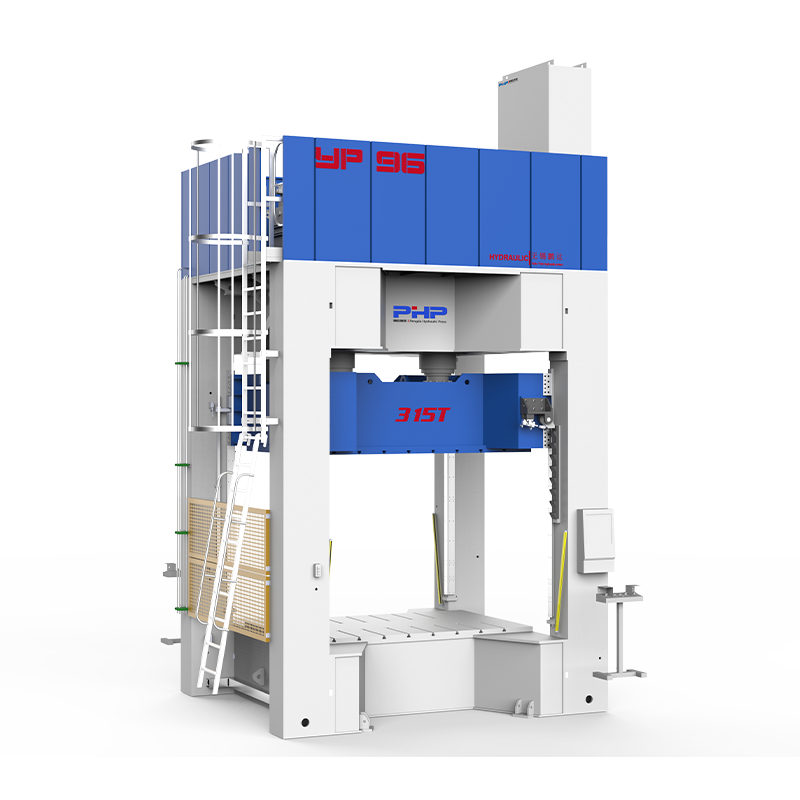
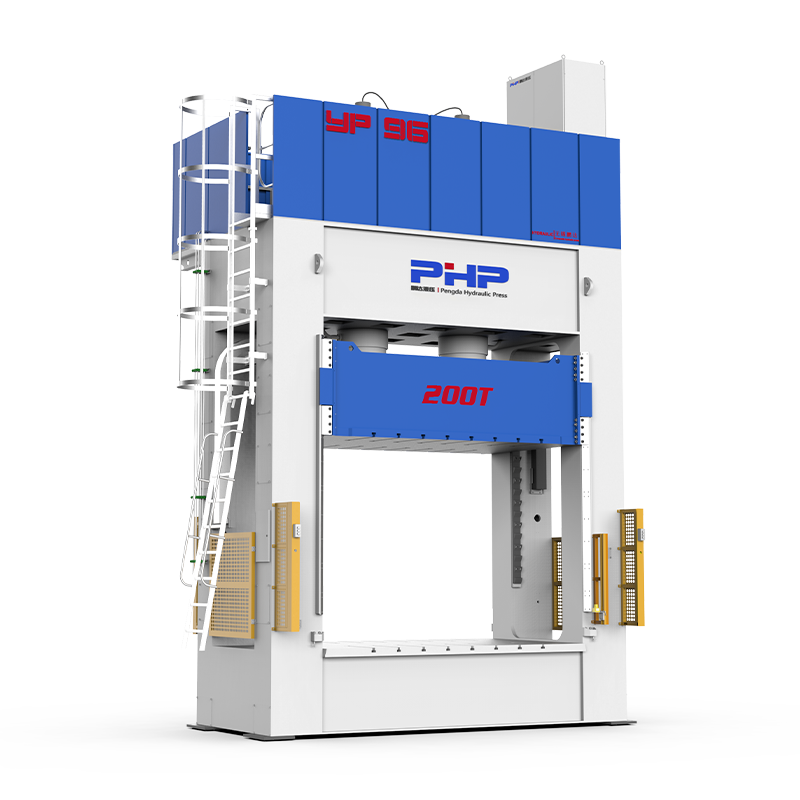


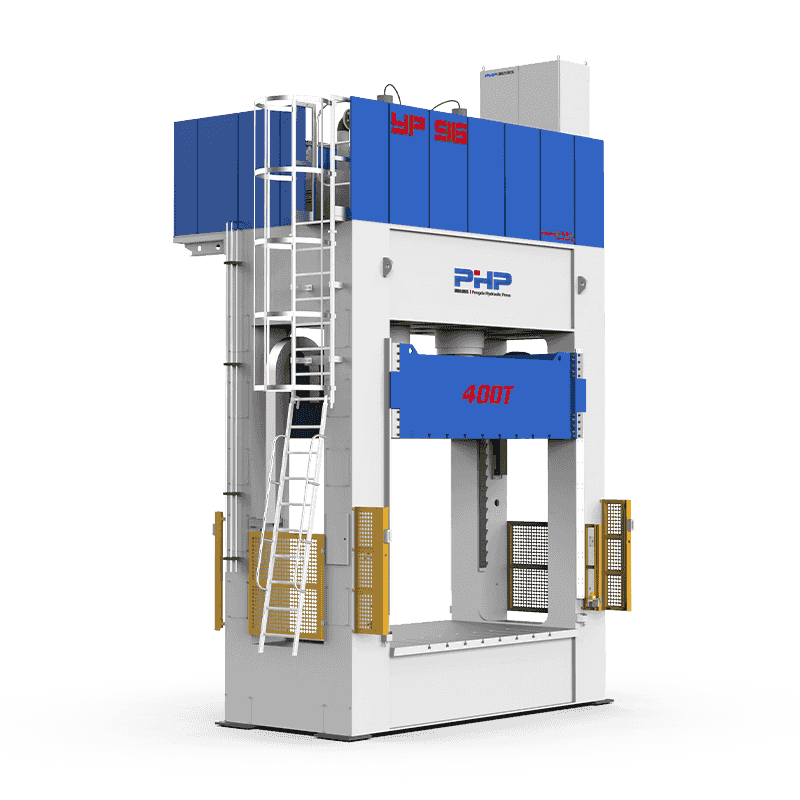
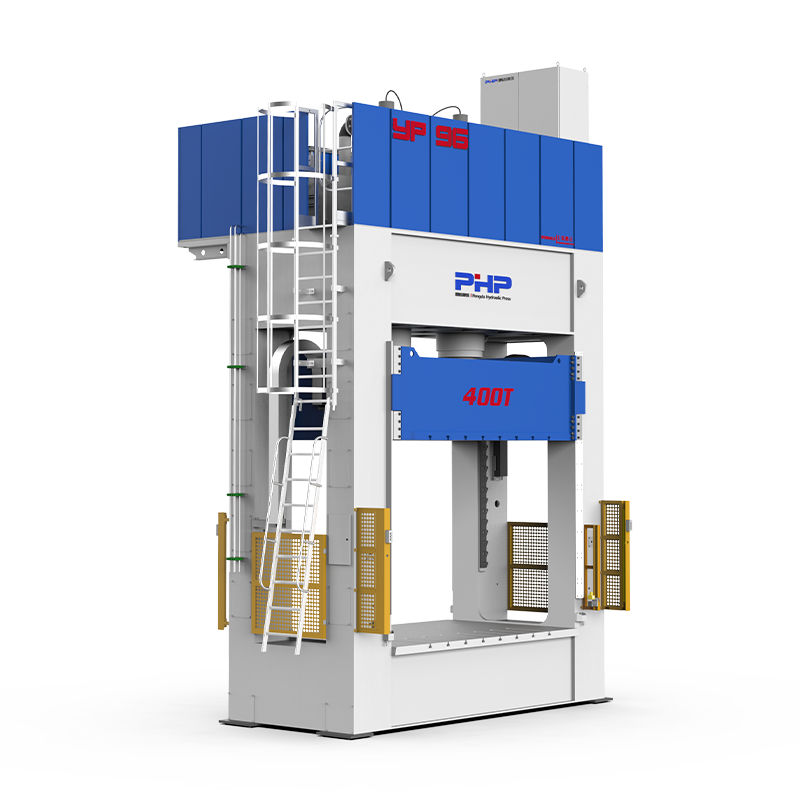
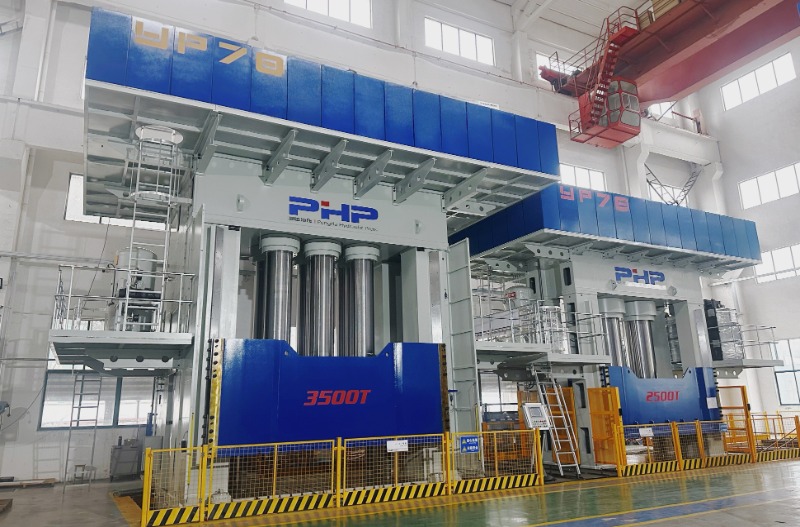
SMC molding presses are the fundamental driving force behind the production of high-strength, lightweight, and dimensionally stable composite parts. Without the precise application of extreme pressure, controlled high temperatures, and carefully managed timing that these presses provide, Sheet Molding Compound simply cannot transform from a pliable, fiberglass-reinforced material into a rigid, structural component. The quality, structural integrity, and surface finish of the final product are inextricably linked to the performance capabilities of the press. Understanding how these machines operate, the variables that dictate their configuration, and the methods required to maintain them is essential for any manufacturing operation seeking to produce reliable and consistent composite materials at an industrial scale.
Content
Understanding the SMC Molding Process
To appreciate the significance of the SMC molding press, one must first understand the behavior of the material it processes. Sheet Molding Compound is a composite material consisting of chopped glass fibers suspended in a thermosetting resin, along with fillers and chemical additives. The material arrives at the press as a pliable, leather-like sheet. The transformation relies entirely on the thermosetting nature of the resin, which undergoes an irreversible chemical cross-linking reaction when subjected to heat and pressure. Once cured, the material cannot be melted down or reshaped, meaning the molding press must execute the process flawlessly in a single cycle.
The press must provide sufficient clamping force to keep the mold tightly sealed against the immense internal pressures generated by the expanding material. Simultaneously, the heated platens of the press must transfer thermal energy into the mold, triggering the chemical reaction that solidifies the part. If the pressure is too low, the material will not fill the mold, resulting in voids or incomplete structures. If the temperature profile is incorrect, the part may suffer from under-curing, leading to structural weakness, or over-curing, causing blistering and degradation.
Key Stages of the Molding Cycle
- Material Preparation and Charging: The SMC sheets are cut into specific shapes and weighed to ensure material consistency. These cut pieces, or "charges," are then stacked and placed into the center of the open mold cavity.
- Mold Closing and Compression: The press initiates the closing sequence. It typically moves rapidly until the upper mold platen nears the material, then slows down to a controlled approach speed. This prevents sudden displacement of the material and avoids damaging the mold.
- Flow and Curing: Once the mold is fully closed under high pressure, the heated platens cause the SMC to liquefy and flow outward to fill the intricate details of the mold cavity. The applied pressure forces out entrapped air and ensures the glass fibers are properly distributed. The part then dwells under pressure and heat as the thermosetting resin cures.
- Mold Opening and Ejection: After the designated curing time has elapsed, the press opens. Ejection mechanisms built into the mold push the newly formed, rigid part out of the cavity, and the cycle begins anew.
Critical Press Parameters for Superior Parts
The performance of an SMC molding press is defined by how accurately it can control several critical parameters. Slight deviations in any of these areas can lead to high scrap rates and inconsistent product quality. The press must act not just as a brute-force clamp, but as a highly calibrated instrument capable of repeating exact profiles thousands of times.
Tonnage and Clamping Force
The most fundamental specification of an SMC molding press is its tonnage, or clamping force. This force must be high enough to keep the mold closed against the hydrostatic pressure of the flowing resin and glass fibers. If the press lacks sufficient tonnage, the internal pressure will force the mold halves apart, causing material to escape along the parting line. This results in flash, which requires secondary trimming operations and often indicates poor internal fiber distribution. Calculating the required tonnage involves considering the projected area of the part and the flow characteristics of the specific SMC formulation being used. Presses are typically selected with a significant tonnage buffer to account for variations in material viscosity and charge placement.
Temperature Control and Uniformity
Precise temperature control is equally vital. The SMC molding press utilizes heated platens that transfer thermal energy into the mold tooling. Maintaining a uniform temperature across the entire surface of the platen is crucial. Hot spots can cause premature curing in certain areas, preventing the material from flowing into distant sections of the mold. Conversely, cold spots will delay curing, extending cycle times and potentially leaving parts structurally compromised. Modern presses employ multiple heating zones within the platens, each monitored by independent thermocouples, to ensure a consistent thermal environment throughout the mold.
Parallelism and Platen Deflection
During the high-pressure phase of molding, the immense forces exerted can cause the press structure and platens to flex or deflect. If the platens deflect, the mold halves will no longer be perfectly parallel, resulting in parts with uneven wall thickness and compromised structural integrity. High-quality SMC presses are engineered with massive structural frames and reinforced platens to minimize deflection. Additionally, advanced presses utilize active parallelism control systems. These systems monitor the position of the moving platen at multiple points during the closing and pressing phases, automatically adjusting the flow of hydraulic fluid to corner cylinders to keep the platen perfectly parallel to the stationary bed.
The Evolution of Hydraulic Systems
The hydraulic system is the muscular engine of the SMC molding press. Over the years, the demands of the composite industry have driven significant technological advancements in how fluid power is generated and controlled within these machines. The goal has always been to achieve faster cycle times, higher energy efficiency, and superior control over the pressing profile.
Conventional versus Servo-Hydraulic Drives
Traditional SMC presses utilize fixed-displacement or variable-displacement hydraulic pumps. These systems continuously pump hydraulic fluid, and when the press is holding a position or exerting low force, the excess fluid is diverted back to the reservoir through valves. This process generates significant heat and wastes large amounts of electrical energy. The repeated dumping of hydraulic fluid also shortens the lifespan of the fluid and the hydraulic components.
Modern SMC molding presses increasingly employ servo-hydraulic drive systems, which utilize variable-speed electric motors coupled with fixed-displacement pumps. Instead of dumping excess fluid, the motor simply slows down or stops when the required pressure or flow is achieved. This results in dramatic energy savings, often reducing power consumption significantly during the holding and curing phases of the cycle. Furthermore, servo drives offer unparalleled precision in controlling the speed and position of the ram, ensuring smooth, repeatable material flow within the mold. The reduction in generated heat also means the hydraulic fluid requires less cooling, and the overall system experiences less thermal drift, contributing to greater operational stability.
Essential Maintenance for Press Longevity
An SMC molding press operates in a harsh environment, subject to extreme pressures, high temperatures, and abrasive composite dust. A robust, proactive maintenance strategy is non-negotiable to ensure machine longevity and prevent catastrophic production downtime. Reactive maintenance—waiting for a component to fail—is financially and operationally unsustainable in modern manufacturing.
- Hydraulic Fluid Management: The hydraulic fluid is the lifeblood of the press. It must be regularly sampled and analyzed for viscosity, contamination, and acid number. Particulate contamination from worn seals or metallic shavings can rapidly degrade servo valves and hydraulic pumps, leading to erratic press performance. Fluid must be filtered or replaced according to strict schedules, and fluid temperatures must be continuously monitored to prevent thermal breakdown.
- Seal and Gasket Integrity: High-pressure hydraulic cylinders rely on intricate sealing systems. Over time, the intense pressure and thermal cycling cause seals to extrude, harden, and eventually fail. A proactive seal replacement schedule, based on historical lifecycle data, prevents the sudden loss of clamping force mid-cycle, which would result in severe flash and potential damage to the mold tooling.
- Platen Surface Care: The flatness and surface finish of the heated platens are critical for uniform heat transfer. Any dings, scratches, or residue buildup on the platen face will create air gaps between the platen and the mold, leading to localized cold spots. Platens must be cleaned regularly and inspected for warping or surface degradation.
- Lubrication of Guiding Elements: Whether the press utilizes columns or linear guide rails, the moving elements must remain precisely lubricated. Inadequate lubrication leads to galling, increased friction, and uneven wear, which eventually compromises the parallelism of the press and necessitates costly structural repairs.
Industry Applications and Material Advantages
The widespread adoption of SMC molding presses across various sectors is driven by the unique properties of the cured composite material. SMC parts offer an exceptional strength-to-weight ratio, excellent corrosion resistance, and dimensional stability, even under extreme thermal or mechanical stress. This makes them an ideal substitute for traditional metals in many demanding environments.
Automotive and Transportation
The automotive industry is the largest consumer of SMC parts. As manufacturers strive to reduce vehicle mass to improve fuel efficiency and extend the range of electric vehicles, heavy metal components are systematically being replaced by composite alternatives. SMC molding presses produce structural parts such as bumper beams, cross-car beams, and door inner panels, as well as Class-A exterior body panels that require a flawless, paintable surface finish. The ability of SMC to be molded into complex, net-shape geometries also allows for the consolidation of multiple metal stampings into a single composite part, significantly reducing assembly costs.
Electrical and Energy Infrastructure
In the electrical sector, SMC is highly valued for its excellent dielectric properties and its resistance to arcing and tracking. Presses are used to manufacture switchgear housings, insulating barriers, and transformer enclosures that must safely isolate high-voltage components. In the renewable energy sector, SMC components are utilized in wind turbine nacelles and electrical junction boxes, where they must endure severe weather exposure without degrading or losing structural integrity.
Industrial and Construction Equipment
Heavy machinery and construction equipment frequently operate in chemically aggressive or highly abrasive environments. SMC molding presses produce hardened housings, protective covers, and fluid reservoirs for this sector. Unlike steel, SMC will never rust, and it resists damage from acids, alkalis, and road salts, greatly extending the service life of the equipment and reducing long-term maintenance requirements.
Process Optimization and Troubleshooting
Operating an SMC molding press requires a deep understanding of how adjustments to machine parameters affect the physical outcome of the molded part. Troubleshooting defects is a systematic process of identifying the root cause and adjusting the press accordingly. Relying on guesswork leads to wasted material and extended downtime.
Addressing Voids and Porosity
Voids, or internal air pockets, severely weaken the structural integrity of an SMC part and create cosmetic blemishes on visible surfaces. This defect occurs when trapped air cannot escape the mold cavity before the material cures and seals shut. It can often be resolved by adjusting the press closing profile. Utilizing a slower initial closing speed allows the material time to flow and push air out through the shear edges. Additionally, verifying that the press is maintaining perfect parallelism is crucial; an unevenly closing mold will seal on one side prematurely, cutting off the venting path for the air on the opposite side.
Managing Fiber Orientation
The structural strength of an SMC part depends entirely on the orientation of the reinforcing glass fibers within the matrix. If the press forces the material to flow too far or too rapidly, the viscous drag will cause the glass fibers to align perpendicular to the flow direction. This results in anisotropic strength, where the part is exceptionally strong in one direction but highly prone to cracking in another. To optimize fiber distribution, press operators must carefully calculate the charge pattern—the way the initial SMC sheets are arranged in the mold. By strategically placing the charge to minimize the flow distance to the extremities of the cavity, the press can form parts with uniform, multidirectional strength. Adjusting the tonnage and closing speed also influences the flow dynamics, allowing for fine-tuning of the fiber architecture.
Eliminating Blistering and Delamination
Blistering presents as raised bumps on the surface of the molded part, while delamination involves the physical separation of the material layers. Both defects are usually indicative of issues with the thermal profile or the moisture content of the material. If the mold temperature is too high, the volatiles within the resin formulation can boil before the material cures, forming gas pockets under the surface. If moisture has contaminated the SMC charge, the trapped water will turn to steam under the intense heat and pressure of the press, causing severe delamination. Troubleshooting this requires lowering the press temperature incrementally, ensuring the material is properly stored in a climate-controlled environment, and verifying that the hydraulic system is not introducing excess heat into the mold.