English
 中文简体
中文简体 Español
 Português
 Deutsch
 русский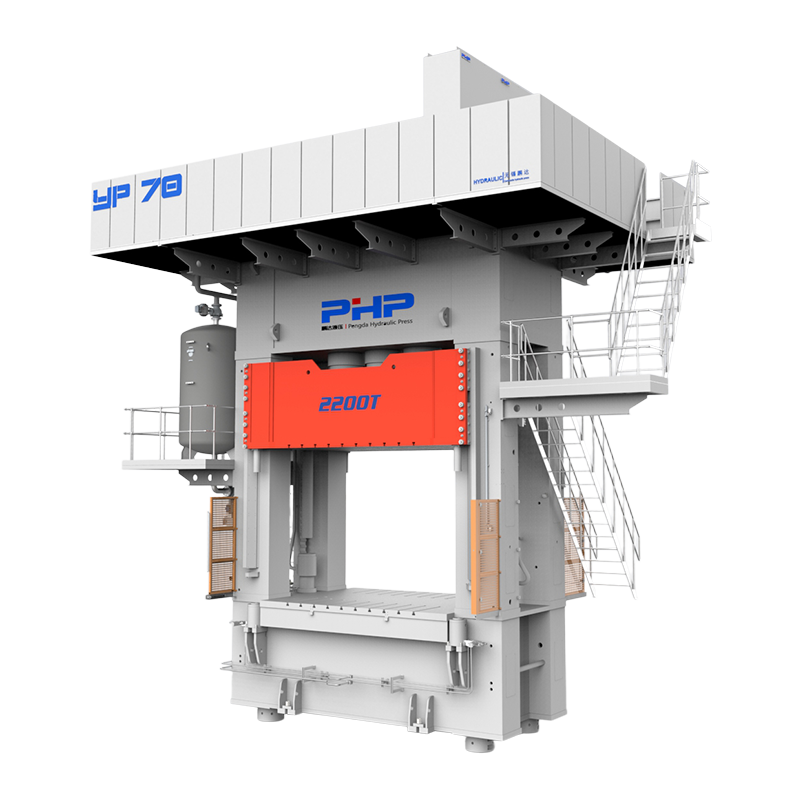
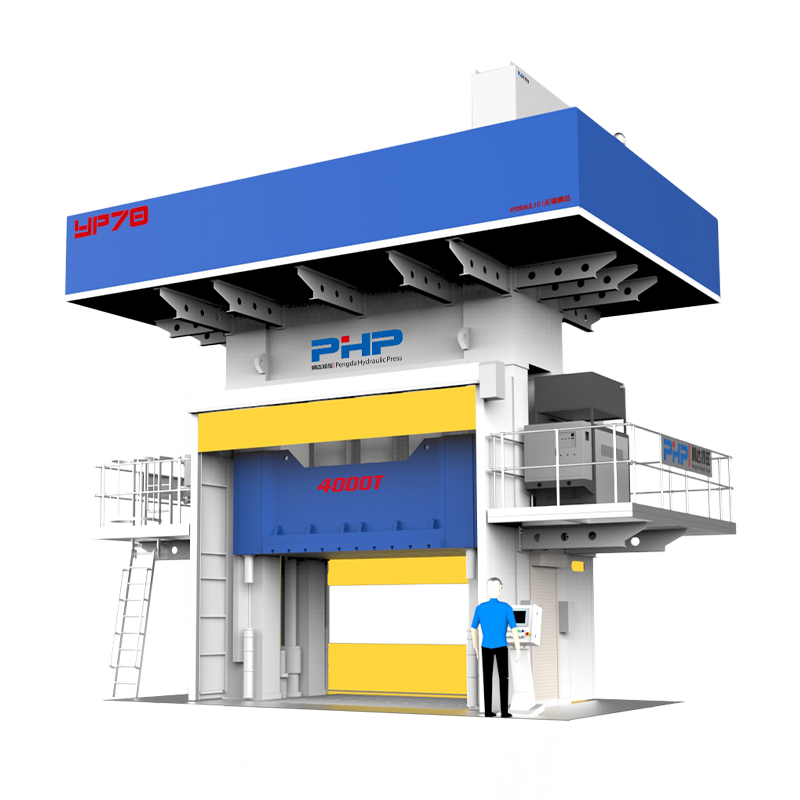
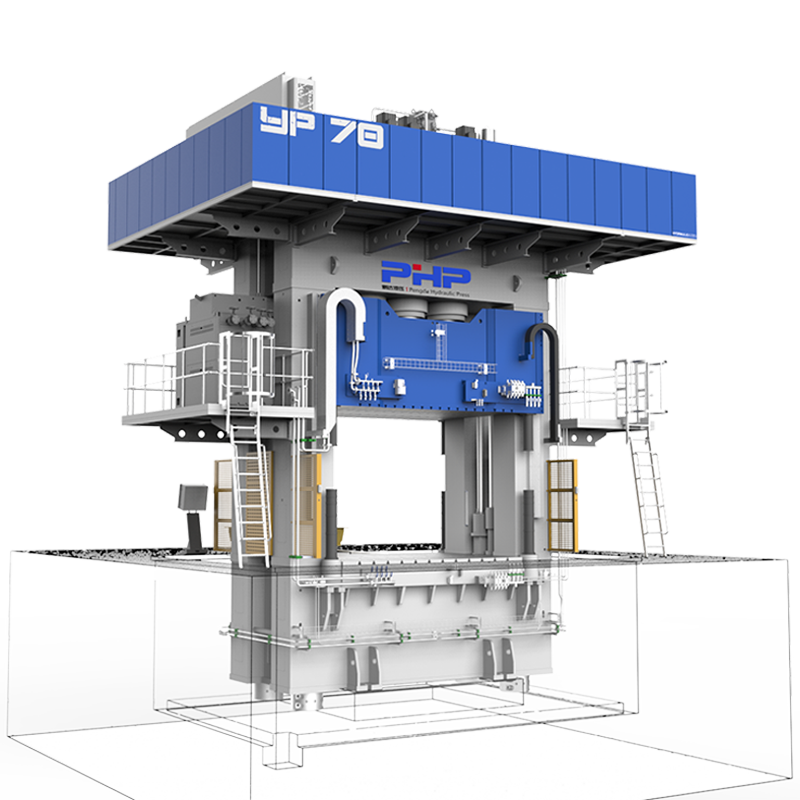
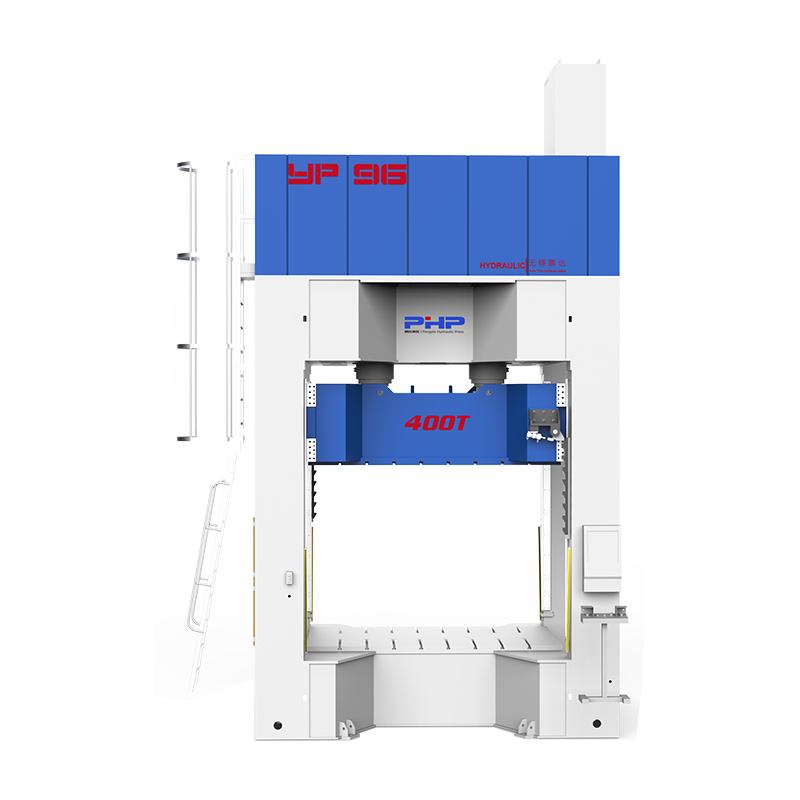
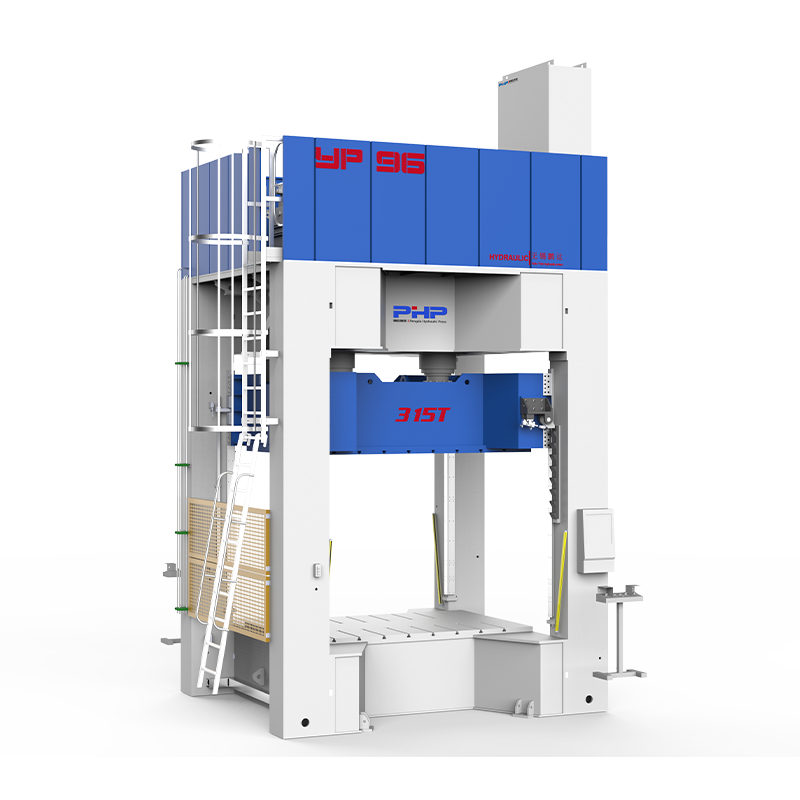
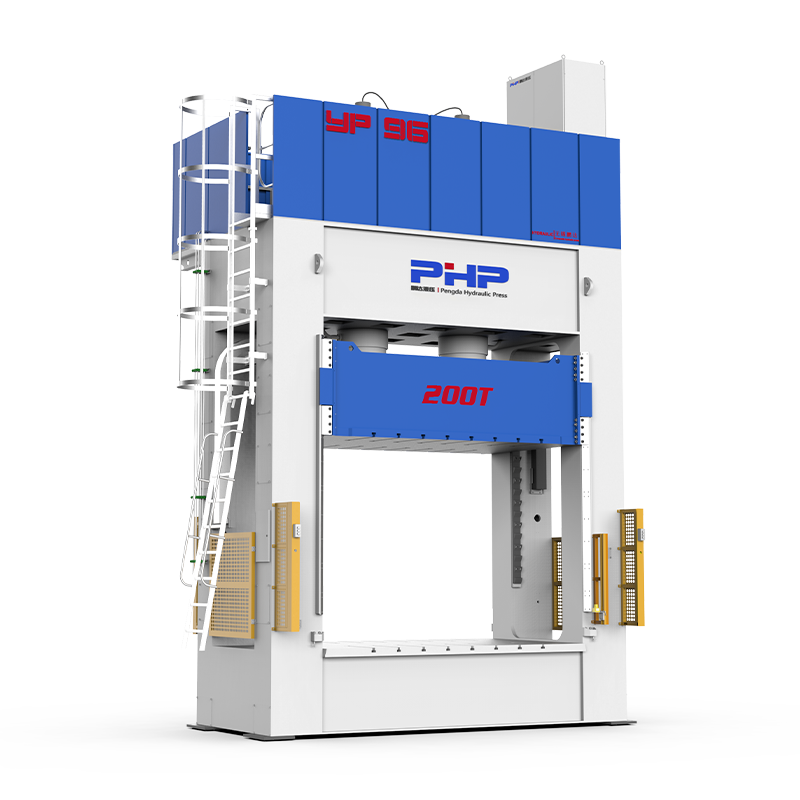


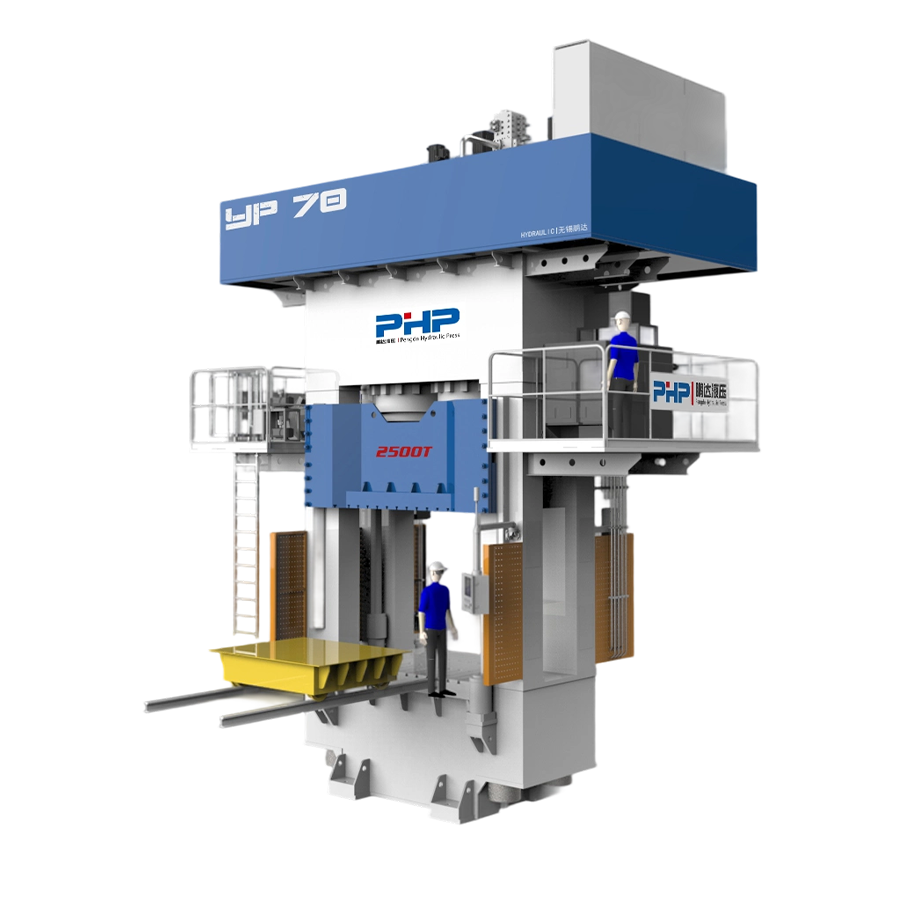
The SMC hydraulic press is a specialized high-performance forming equipment driven by hydraulic systems, designed exclusively for molding, pressing, and shaping SMC (Sheet Molding Compound) materials. It integrates stable pressure output, precise position control, and adaptive temperature regulation, and has become the core equipment in the industrial production of high-strength composite components.
Its most prominent value lies in one-step forming of complex composite parts, with consistent product quality, high production efficiency, and strong compatibility with automated production lines. Compared with ordinary hydraulic presses, it has higher pressure stability, better temperature uniformity, and lower defective product rates, fully meeting the strict requirements of modern industry for composite material processing.
In practical industrial applications, this equipment is widely used in automotive components, electrical enclosures, construction profiles, and sanitary ware manufacturing. With the rapid growth of composite material demand, the SMC hydraulic press has become an irreplaceable key device in the advanced manufacturing field due to its reliability, precision, and durability.
Content
- 1 Working Principle of SMC Hydraulic Press
- 2 Key Structural Components of SMC Hydraulic Press
- 3 Performance Advantages of SMC Hydraulic Press
- 4 Main Industrial Application Fields of SMC Hydraulic Press
- 5 Comparison of SMC Hydraulic Press and Ordinary Hydraulic Press
- 6 Operation Specifications and Key Points of SMC Hydraulic Press
- 7 Daily Maintenance and Fault Handling of SMC Hydraulic Press
- 8 Development Trend of SMC Hydraulic Press
Working Principle of SMC Hydraulic Press
The SMC hydraulic press relies on the Pascal principle in fluid mechanics to complete the pressing operation, converting hydraulic energy into mechanical energy to achieve material forming. The entire working process is controlled by a closed-loop system, ensuring the accuracy and stability of each action cycle.
Hydraulic Power Transmission System
The hydraulic system consists of a power source, control valves, execution components, and auxiliary parts. The hydraulic pump generates high-pressure oil, which is transmitted to the main cylinder and auxiliary cylinders through the pipeline. The control valve group adjusts the flow direction, pressure, and flow rate of the oil, realizing the lifting, pressing, pressure maintaining, and returning actions of the slider.
A key feature of the SMC hydraulic press is the constant pressure control module, which can automatically compensate for pressure loss during the pressing process, keeping the working pressure stable within a small error range. This function is critical for the curing and forming of SMC materials, directly determining the compactness and mechanical properties of the final product.
Temperature Control and Material Forming Process
SMC materials require specific temperature conditions to complete curing and forming, so the SMC hydraulic press is equipped with a heating system on the worktable and slider. The temperature control system can achieve rapid heating and constant temperature maintenance, with the temperature difference between different areas of the platen controlled within a small range.
The complete working cycle includes mold closing, rapid pressing, pressure maintaining and curing, pressure relief, and mold opening. The entire cycle is automatically completed by the control system, and operators only need to set parameters in advance, which greatly reduces manual intervention and improves production continuity.
Key Structural Components of SMC Hydraulic Press
The structural design of the SMC hydraulic press is customized for SMC material processing, with each component having a clear functional orientation. The reasonable cooperation of these components ensures the equipment's long-term stable operation and high-quality forming capacity.
Main Body Frame Structure
The frame is the load-bearing core of the entire equipment, usually made of high-strength steel through welding or integral casting. It has high rigidity and can resist large deformation during high-pressure pressing, ensuring the parallelism between the slider and the worktable. The frame structure directly affects the service life and forming accuracy of the press.
Common frame structures include gantry-type and four-column type. The four-column structure has better stress uniformity and is suitable for large-format and high-precision product forming; the gantry structure has a compact layout and is convenient for mold installation and maintenance, suitable for small and medium-sized production lines.
Pressing Execution Components
The main cylinder is the core execution component, responsible for providing the main pressing force. It is matched with a precision guide device to ensure that the slider runs vertically without deviation. The auxiliary cylinders are used to assist in mold lifting and balance adjustment, further improving the stability of the pressing process.
The surface of the worktable and slider is equipped with a heating plate and a temperature conduction layer, which can evenly transfer heat to the mold. This design solves the problem of uneven heating of SMC materials during forming and avoids defects such as bubbles and delamination in the product.
Control and Monitoring System
The modern SMC hydraulic press adopts an intelligent digital control system, which can realize real-time monitoring and adjustment of pressure, temperature, position, and time. The system has storage functions, which can save hundreds of sets of process parameters to meet the production needs of different products.
Equipped with safety protection devices such as emergency stop, overpressure protection, and over-temperature protection, the equipment can automatically stop and give an alarm when abnormal conditions occur, ensuring the safety of operators and equipment. The human-machine interaction interface is simple and intuitive, reducing the difficulty of operation and training costs.
Performance Advantages of SMC Hydraulic Press
The SMC hydraulic press has obvious competitive advantages in composite material forming, and its performance is comprehensively optimized for the processing characteristics of SMC materials, bringing significant economic and quality benefits to industrial production.
High Forming Precision and Product Consistency
Thanks to closed-loop control of pressure and position, the dimensional error of products formed by the SMC hydraulic press is controlled within an extremely low range. More than 98% of products meet the precision requirements, which is much higher than the qualified rate of traditional manual or ordinary mechanical pressing.
The consistency of product performance is excellent, and the mechanical strength, insulation performance, and corrosion resistance of each batch of products are highly stable, meeting the mass production standards of the automotive and electrical industries. This stability reduces the waste of materials and labor costs caused by defective products.
Efficient Production Capacity
The automatic cycle operation mode shortens the single forming cycle, and one device can complete hundreds of forming operations per hour. It can be seamlessly connected with automated loading and unloading equipment to form a fully automatic production line, further improving production efficiency and reducing the demand for manual labor.
The pressure maintaining and curing time can be adjusted flexibly according to material characteristics and product thickness, balancing production efficiency and product quality. For large-scale standardized production, the efficiency advantage of the SMC hydraulic press is more obvious.
Wide Adaptability and Strong Flexibility
By replacing molds, the same SMC hydraulic press can produce products of different shapes and sizes, with strong production flexibility. It is suitable for small-batch multi-variety production and large-scale single-variety continuous production, meeting the diverse needs of different manufacturers.
It can adapt to SMC materials of different formulations and thicknesses, and can also be used for the forming of other thermosetting composite materials, expanding the application scope of the equipment and improving the utilization rate of enterprise equipment.
Energy Saving and Environmental Protection Performance
The advanced hydraulic system adopts a variable power control mode, which automatically adjusts the power output according to the working state, reducing energy consumption during idling and pressure maintenance. Compared with traditional hydraulic equipment, energy consumption is reduced by more than 20%, lowering the production cost of enterprises.
The fully closed forming process reduces the volatilization of harmful substances in materials, meets environmental protection requirements, and improves the working environment of operators. The low-noise design of the equipment also reduces noise pollution in the production workshop.
Main Industrial Application Fields of SMC Hydraulic Press
The SMC hydraulic press is widely used in multiple industrial sectors that require high-performance composite components, and its application scope continues to expand with the development of material technology and the manufacturing industry.
Automotive Manufacturing Industry
In the automotive industry, SMC hydraulic presses are used to produce lightweight components such as battery casings, bumpers, engine covers, and interior trim parts. SMC materials have the characteristics of high strength and low density, which can reduce vehicle weight and improve energy efficiency, matching the development trend of new energy vehicles.
The formed automotive components have excellent impact resistance and corrosion resistance, and their service life is longer than that of metal parts. The high precision of the press ensures that the products match the vehicle assembly size, meeting the strict standards of automotive manufacturing.
Electrical and Electronic Industry
Electrical equipment requires components with good insulation, high temperature resistance, and flame retardancy. SMC hydraulic presses produce electrical enclosures, insulators, switchgear panels, and transformer components, which fully meet the safety requirements of the electrical industry.
These products can stably operate in harsh environments such as high humidity and high corrosion, protecting the internal electrical components from damage. The mass production capacity of the press meets the huge market demand of the electrical industry.
Construction and Infrastructure Sector
In the construction field, SMC hydraulic presses produce composite profiles, decorative panels, drainage components, and anti-corrosion structural parts. These materials are not easy to rust, have strong weather resistance, and are suitable for long-term use in outdoor and humid environments.
The modular production method improves the construction efficiency of construction projects, and the lightweight characteristics reduce the difficulty of transportation and installation. The large-format forming capacity of the press can meet the production needs of large construction components.
Sanitary Ware and Daily Necessities Manufacturing
Sanitary ware products such as integrated basins and bathtub components produced by SMC hydraulic presses have a smooth surface, easy cleaning, and high strength. They replace traditional ceramic and plastic materials and have better durability and aesthetics.
The mold design flexibility of the press enables the production of sanitary ware products with complex shapes and personalized styles, meeting the diversified needs of the market and improving the added value of products.
Comparison of SMC Hydraulic Press and Ordinary Hydraulic Press
To better understand the particularity of SMC hydraulic presses, we compare them with ordinary hydraulic presses in terms of core parameters and application effects, highlighting their professional advantages in SMC material forming.
| Comparison Item | SMC Hydraulic Press | Ordinary Hydraulic Press |
|---|---|---|
| Temperature Control System | Equipped with a precision constant temperature heating system | No special temperature control function |
| Pressure Stability | High, with automatic pressure compensation | Medium, obvious pressure fluctuation |
| Forming Defect Rate | Extremely low, less than 2% | High, easy to produce bubbles and delamination |
| Application Scope | Specialized in SMC composite materials | Metal stamping, plastic pressing, etc. |
From the comparison results, it can be seen that the SMC hydraulic press is a customized upgraded version of the ordinary hydraulic press, and all its designs are aimed at solving the pain points of SMC material forming. Although the ordinary hydraulic press has a wide range of applications, it cannot meet the precision and quality requirements of SMC material processing.
Operation Specifications and Key Points of SMC Hydraulic Press
Standardized operation is the premise to ensure the service life of the SMC hydraulic press and the qualified rate of products. Operators must follow the operating procedures to avoid equipment failures and quality accidents caused by improper operation.
Pre-operation Preparation Work
- Check the hydraulic oil level, ensure the oil quality is qualified, and there is no leakage in the pipeline
- Preheat the heating system to reach the set temperature and keep it constant
- Confirm the mold installation is firm and the position is accurate, and test the operation of the slider
- Set the process parameters such as pressure, pressure maintaining time, and temperature according to the product requirements
Formal Operation Process Requirements
Start the automatic cycle mode, and observe the operation status of the equipment in real time. Do not open the safety protection device during operation, and do not place any parts of the body in the pressing area. When abnormal noise, pressure fluctuation, or temperature abnormality occurs, immediately press the emergency stop button for inspection.
Regularly check the product quality during the production process, adjust the parameters in time if defects are found, and record the production data to facilitate subsequent traceability and optimization.
Post-operation Shutdown Procedures
- Stop the feeding and pressing actions, and return the slider to the initial position
- Turn off the heating system and wait for the platen temperature to drop to a safe range
- Close the hydraulic system and the main power supply, and clean the mold and worktable surface
- Record the equipment operation time, production quantity, and abnormal conditions
Daily Maintenance and Fault Handling of SMC Hydraulic Press
Scientific maintenance can extend the service life of the SMC hydraulic press and reduce the failure rate. Daily maintenance and regular maintenance are equally important, and targeted handling of common faults can reduce the impact on production.
Daily Maintenance Items
Clean the surface of the equipment every day to remove dust and material residues to prevent them from entering the hydraulic system or affecting the temperature conduction. Check the fastening of bolts and connectors, and tighten them in time if they are loose. Lubricate the guide components regularly to keep the slider running smoothly.
Check the hydraulic oil regularly, replace it regularly according to the service life, and clean the oil filter to avoid blockage. The temperature control sensor should be calibrated regularly to ensure the accuracy of temperature detection.
Common Faults and Solutions
Insufficient pressing pressure is one of the common faults, which is mostly caused by hydraulic oil leakage, pump wear, or valve blockage. The solution is to check the pipeline for leaks, replace worn parts, and clean the control valve.
Uneven temperature distribution will lead to product defects, mainly due to damage to the heating plate or failure of the temperature sensor. It is necessary to replace the damaged heating components and recalibrate the sensor parameters.
Abnormal noise during operation is usually caused by poor lubrication or loose parts. Operators should stop the machine immediately for inspection, add lubricating oil, and fasten loose parts to avoid further damage to the equipment.
Regular Professional Maintenance
Arrange professional maintenance every six months to one year, conduct a comprehensive inspection of the hydraulic system, control system, and mechanical structure, replace vulnerable parts, and adjust the overall performance of the equipment. Professional maintenance can find potential faults in advance and avoid long-term shutdowns caused by major failures.
Development Trend of SMC Hydraulic Press
With the continuous progress of composite material technology and intelligent manufacturing, the SMC hydraulic press is developing in the direction of higher precision, higher efficiency, intelligence, and greening, and its performance and application scope will be further improved.
Intelligent and Digital Upgrading
Future SMC hydraulic presses will be equipped with more advanced sensors and artificial intelligence systems, which can automatically optimize process parameters according to material characteristics and product requirements, realize self-adjustment and self-diagnosis of the equipment, and reduce manual intervention.
The remote monitoring and control function will be popularized, and managers can check the equipment operation status and production data in real time through mobile terminals, facilitating the unified management of the production line and the improvement of production scheduling efficiency.
High Efficiency and Energy Saving Technology Innovation
The new hydraulic drive system and heating technology will further reduce the energy consumption of the equipment, and the forming cycle will be further shortened. The production efficiency is expected to increase by more than 30%, and the energy consumption will be reduced to a lower level, helping enterprises achieve the goal of energy saving and emission reduction.
The modular design will be more perfect, the installation and commissioning time of the equipment will be greatly shortened, and the maintenance will be more convenient, reducing the comprehensive use cost of enterprises.
Expansion of Application Fields
With the development of new SMC materials, SMC hydraulic presses will be applied in aerospace, rail transit, marine engineering, and other high-end fields. These fields have higher requirements for product performance and equipment precision, which will promote the further upgrading of SMC hydraulic press technology.
The integrated forming technology of multi-material combination will be realized on the SMC hydraulic press, expanding its processing capacity and meeting the production needs of more complex and high-performance components.