English
 中文简体
中文简体 Español
 Português
 Deutsch
 русский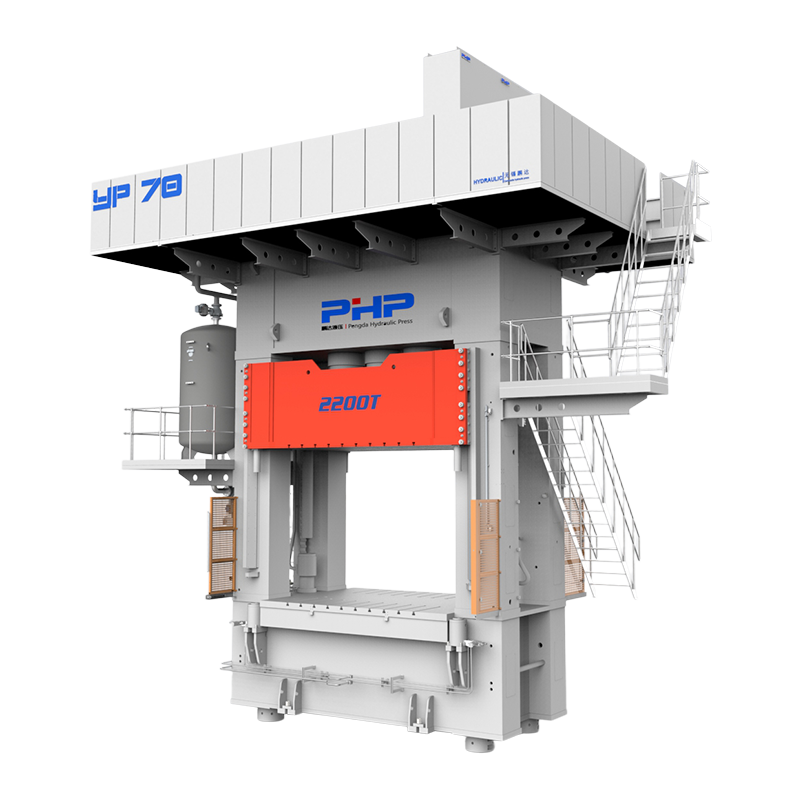
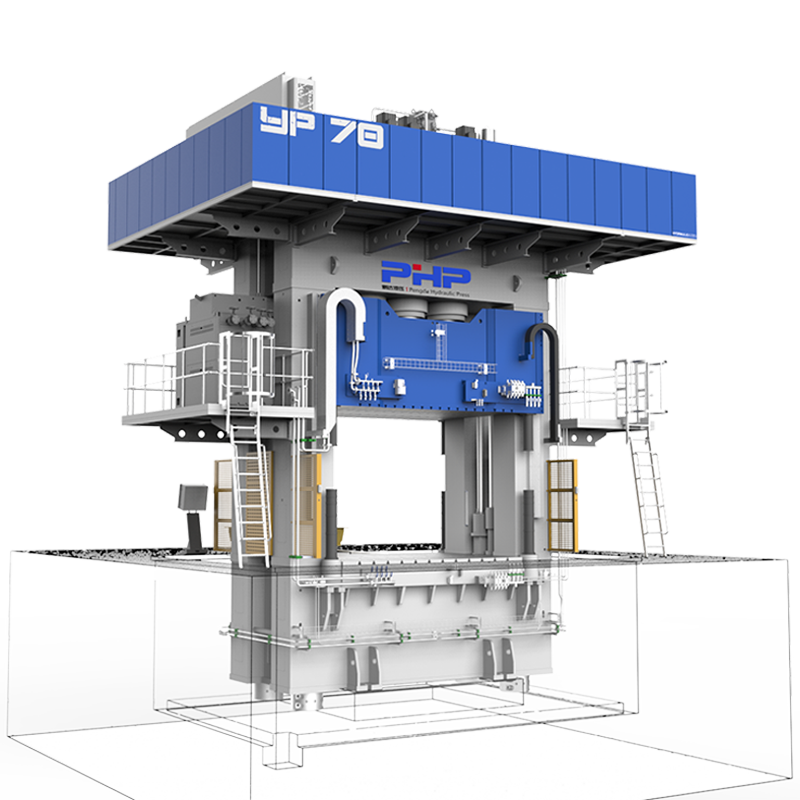
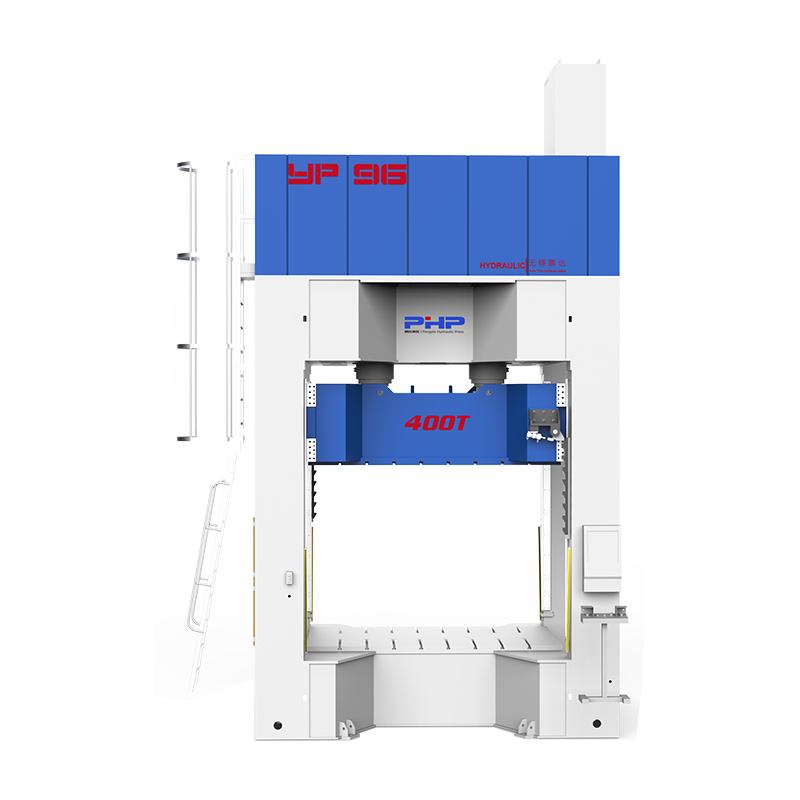
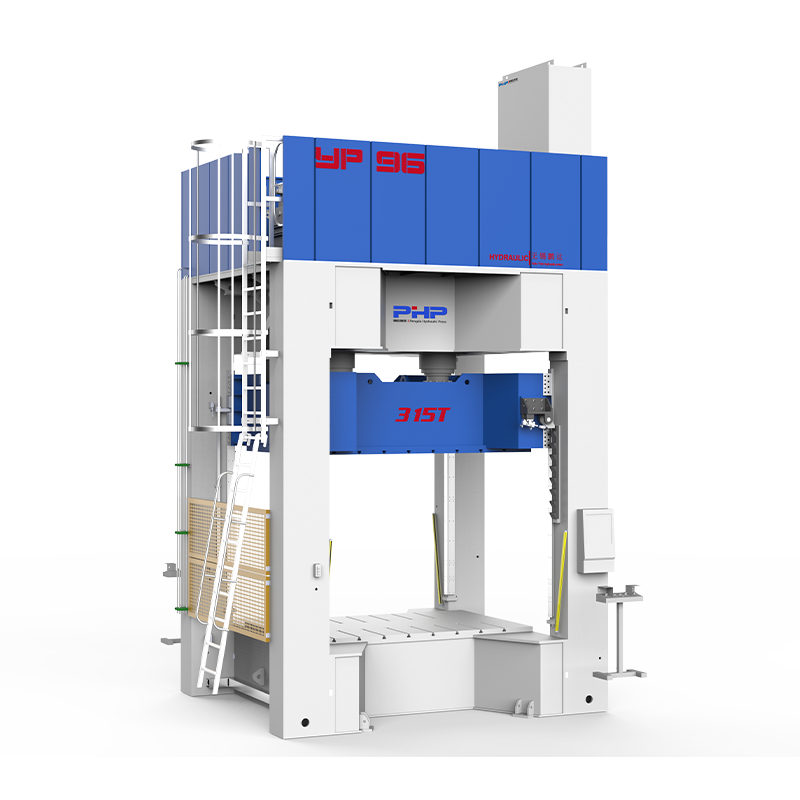
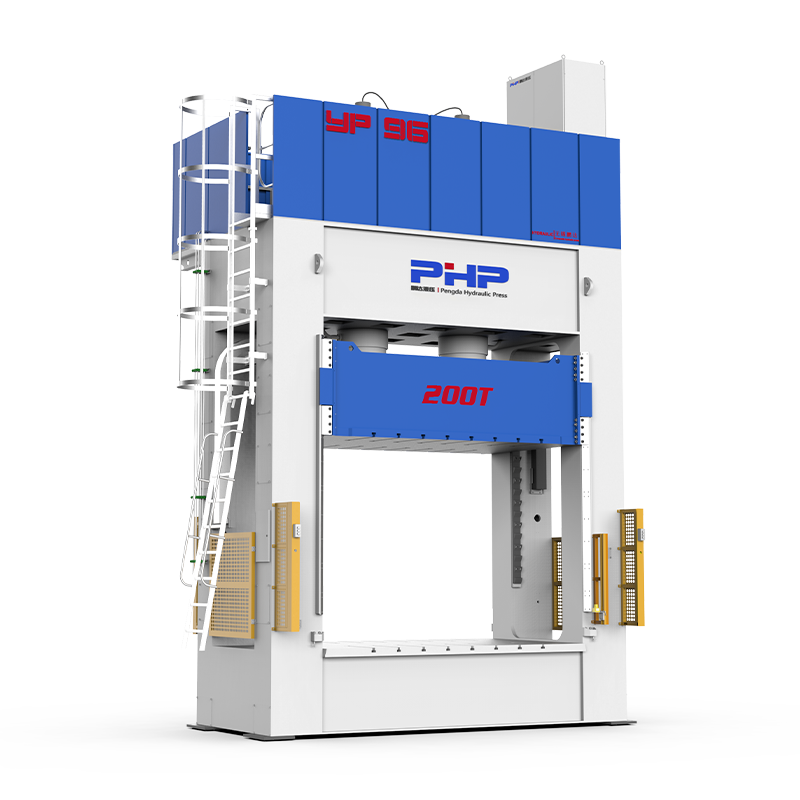

A Practical Equipment-Level Solution for High-Quality Composite Manufacturing
Content
- 1 Introduction
- 2 Why Short Shots and Burn Marks Occur in SMC Molding
- 3 Limitations of Traditional Process Optimization
- 4 The Key Solution: Integrated Vacuum Function in SMC Compression Press
- 5 How the Vacuum Function Works in SMC Compression Molding
- 6 Why Integrated Vacuum Function is More Effective Than Process Adjustments
- 7 PHP Press Integrated Vacuum SMC Compression Molding System
- 8 Conclusion
Introduction
In Sheet Molding Compound (SMC) compression molding, manufacturers frequently face two critical quality issues:
- Short shots (incomplete mold filling)
- Burn marks (surface blackening or scorching)
These defects are widely observed in automotive exterior panels, EV battery covers, electrical enclosures, and structural composite components.
While process adjustments such as changing material weight, mold temperature, or closing speed can provide partial improvement, they often fail to fully eliminate the defects.
The fundamental limitation is not only process-related—it is strongly linked to air entrapment inside the mold cavity.
To address this, modern high-end SMC compression molding presses are increasingly equipped with an integrated vacuum function system.
Why Short Shots and Burn Marks Occur in SMC Molding
Although multiple factors contribute, the root cause of most defects is consistent:
Trapped air inside the mold cavity during compression
When air cannot be properly discharged during mold closing:
- Material flow is obstructed
- Pressure distribution becomes uneven
- Air is compressed and overheated
- Burn marks or black spots appear
- Material cannot reach deep cavity areas, causing short shots
This is especially critical in large or complex SMC parts.
Limitations of Traditional Process Optimization
Manufacturers often try to solve these issues by:
- Adjusting charge weight
- Optimizing charge pattern
- Increasing mold temperature
- Changing closing speed curves
However, these adjustments cannot eliminate the root cause:
Air remains trapped inside the cavity regardless of process tuning
As long as air is present, it will:
- Resist material flow
- Create localized overheating during compression
- Cause inconsistent cavity filling
Therefore, process optimization alone has inherent limitations.
The Key Solution: Integrated Vacuum Function in SMC Compression Press
A more effective approach is to control the mold environment directly by removing trapped air.
This is achieved through an integrated vacuum function system on the SMC compression molding press.
Unlike standalone vacuum molding machines, this system is directly integrated into the press and includes:
- Vacuum pump system
- Vacuum buffer tank
- Mold vacuum channels and piping
- Vacuum control interface integrated into the press HMI (touch screen system)
How the Vacuum Function Works in SMC Compression Molding
During the molding cycle, the vacuum system operates in coordination with the press closing stages:
Air evacuation before full compression
Before full mold closure:
- Air inside the cavity is extracted
- Internal pressure is significantly reduced
- Air entrapment risk is minimized
Prevention of burn marks caused by air compression
In conventional molding:
Trapped air → rapid compression → localized heat spike → resin degradation → burn marks
With vacuum assistance:
- Air volume is greatly reduced
- Compression heat effect is minimized
- Surface burning and black spots are significantly reduced
Improved material flow and reduced short shots
By removing air resistance:
- SMC material flows more smoothly
- Flow distance resistance is reduced
- Deep cavity filling improves
- Complex geometries are filled more consistently
Why Integrated Vacuum Function is More Effective Than Process Adjustments
In many cases, process tuning can only partially improve defects.
This is because the root problem is physical, not only procedural:
Air entrapment is a system-level limitation, not a parameter-level issue
This is especially true for:
- Large automotive exterior parts
- EV battery enclosures
- Deep cavity structural components
- Class-A surface composite panels
In these applications, only equipment-level solutions provide stable results.
PHP Press Integrated Vacuum SMC Compression Molding System
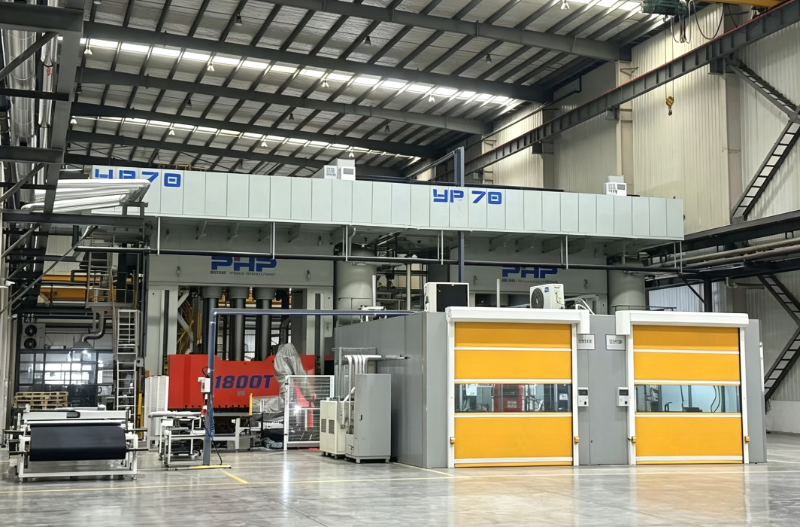
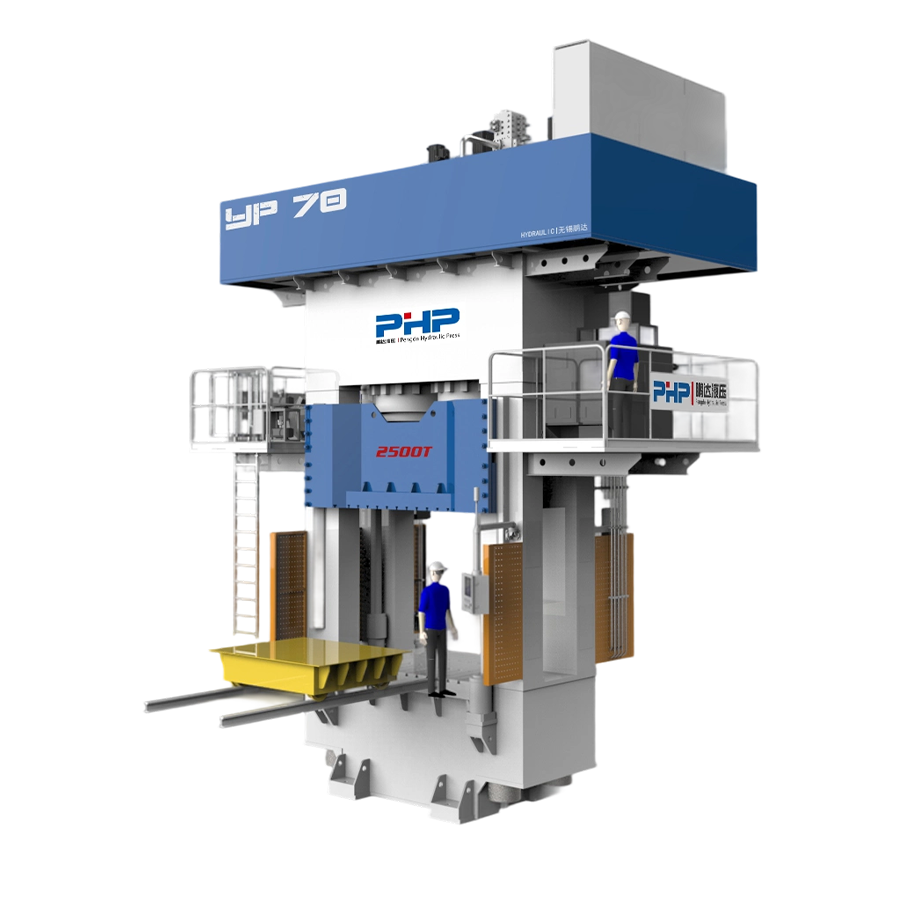
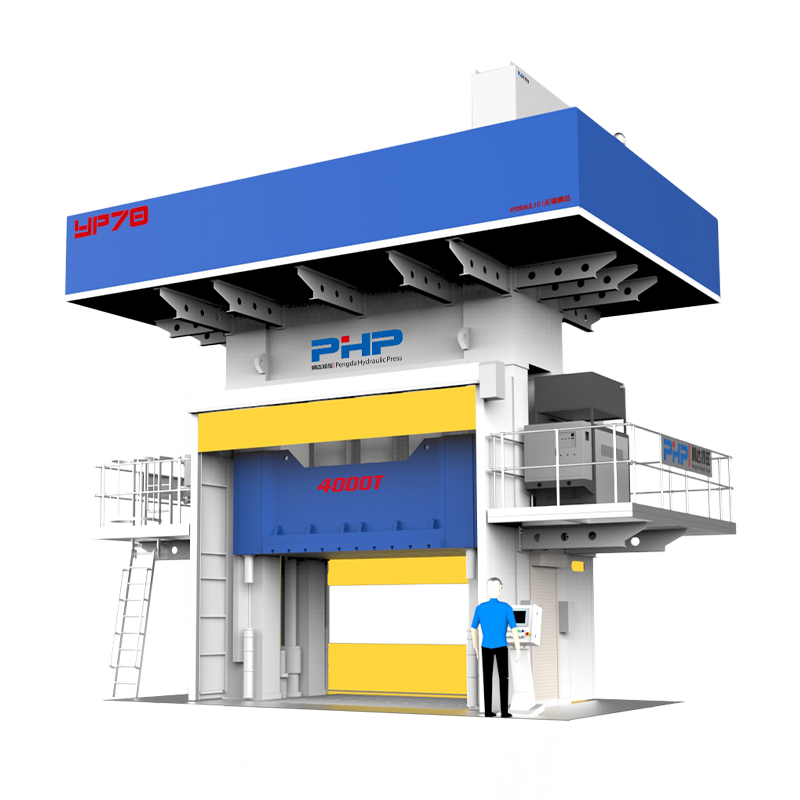
PHP Press designs advanced composite molding presses with fully integrated vacuum functionality.
System configuration
- Independent vacuum pump system
- Vacuum storage tank for stable pressure control
- Mold vacuum interface design
- Automated vacuum valve control system
Intelligent HMI control system
The vacuum function is fully integrated into the press control interface:
- Adjustable vacuum timing
- Synchronized vacuum and press cycle control
- Real-time vacuum pressure monitoring
- Fully programmable molding parameters
Coordination with servo hydraulic press system
When combined with servo-driven hydraulic control:
- Closing speed becomes highly precise
- Vacuum and pressure stages are synchronized
- Material flow stability is significantly improved
Conclusion
Short shots and burn marks in SMC compression molding are primarily caused by trapped air inside the mold cavity.
Traditional process adjustments can only reduce the symptoms, but cannot eliminate the root cause.
An integrated vacuum function system on the SMC compression molding press provides a direct and effective solution by:
- Removing trapped air before compression
- Improving material flow behavior
- Reducing burn marks and black spots
- Enhancing cavity filling consistency
This technology is increasingly adopted in high-end automotive and EV composite manufacturing, where surface quality and structural reliability are critical.
PHP Press specializes in advanced SMC compression molding presses with integrated vacuum systems designed to improve production stability and part quality.