English
 中文简体
中文简体 Español
 Português
 Deutsch
 русский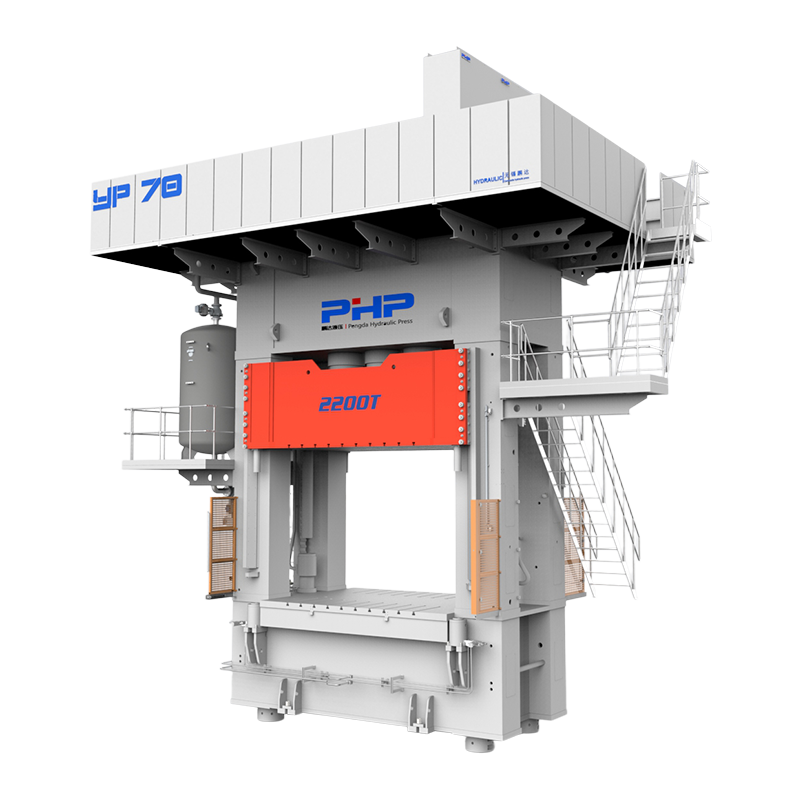
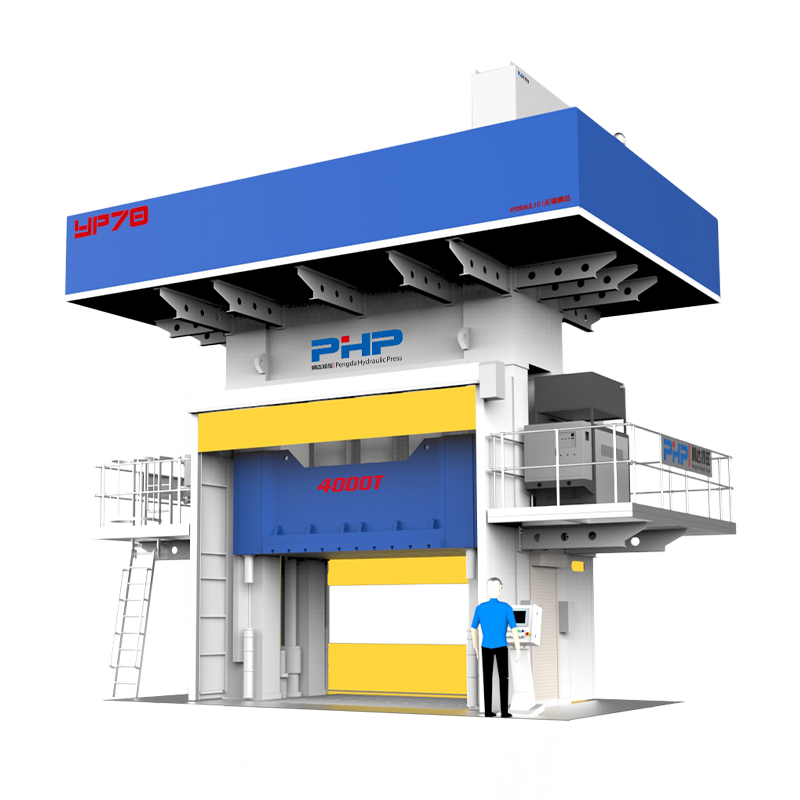
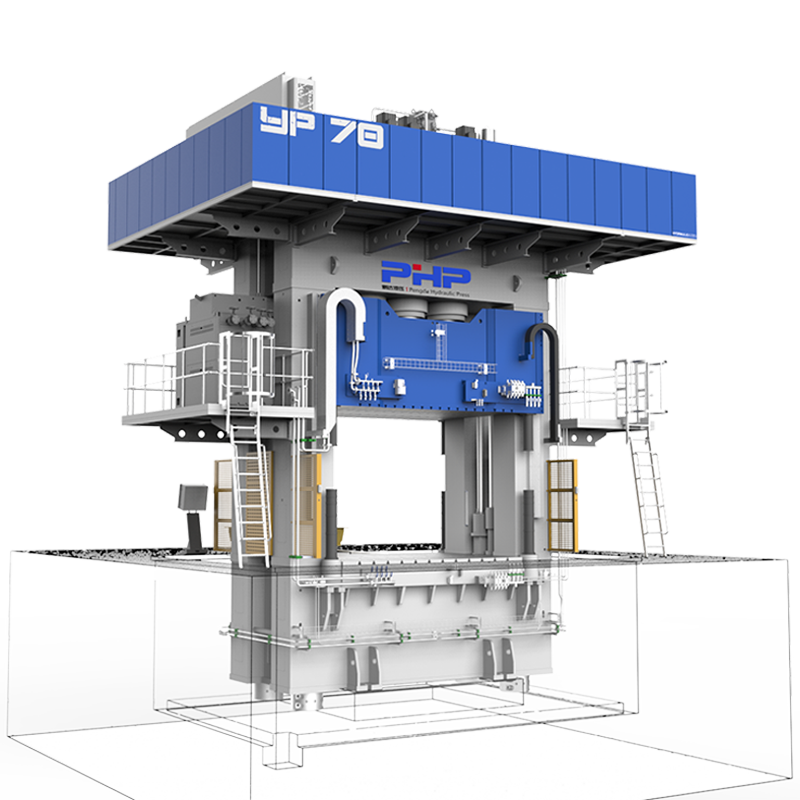
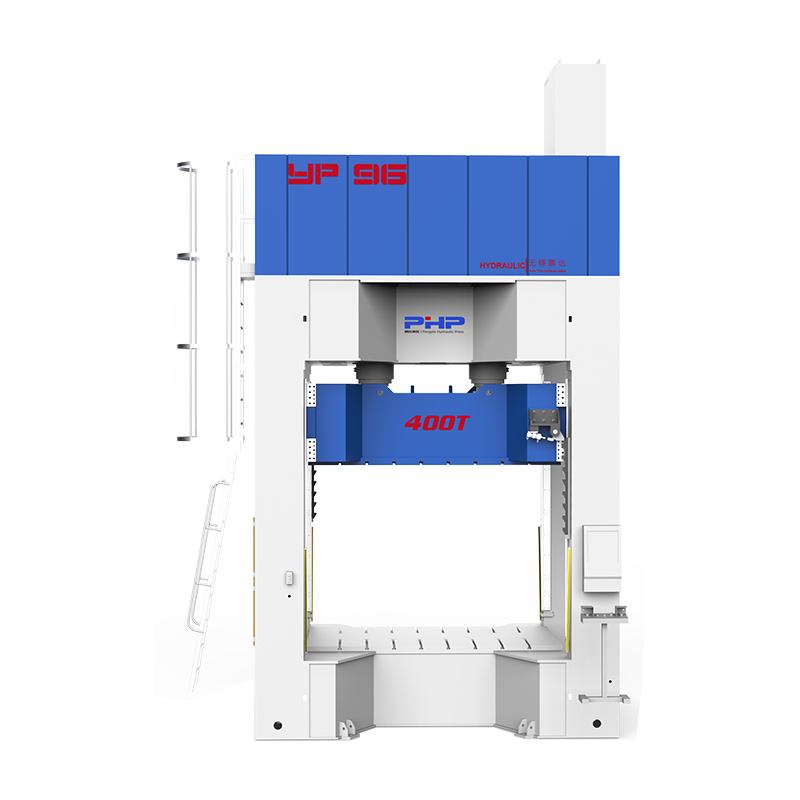
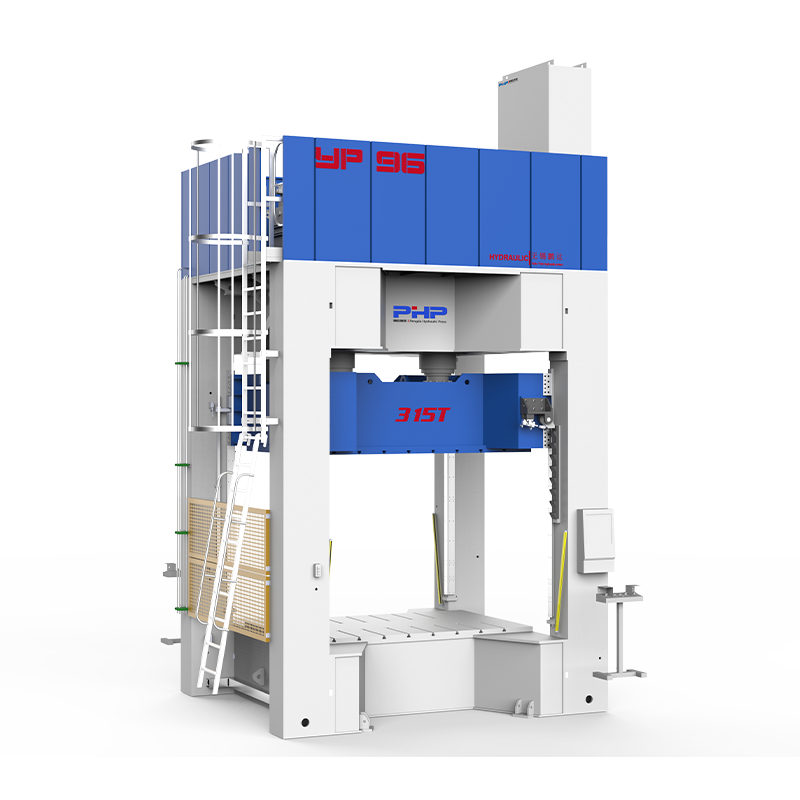
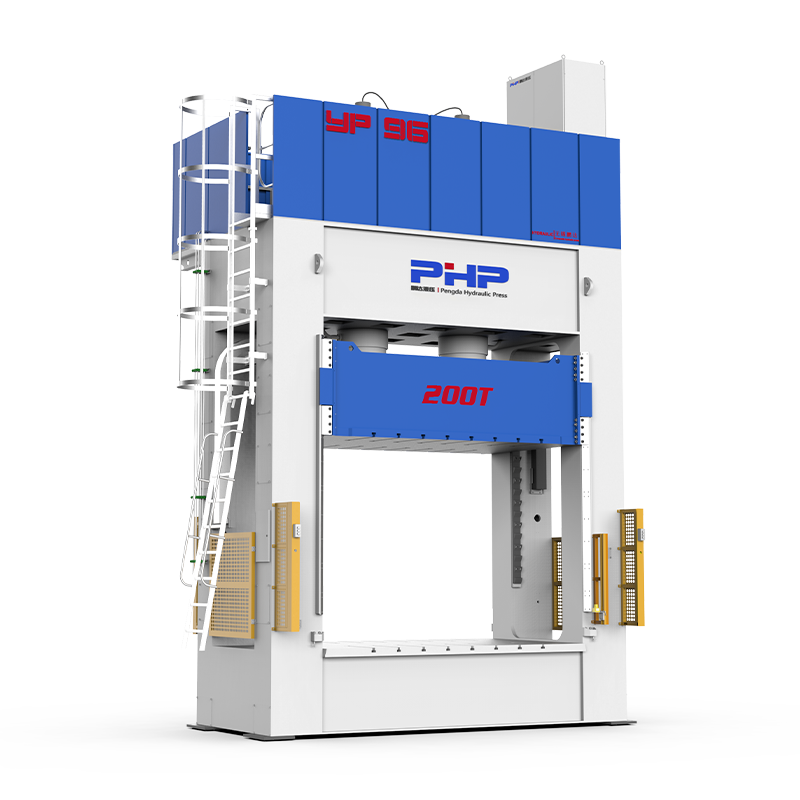

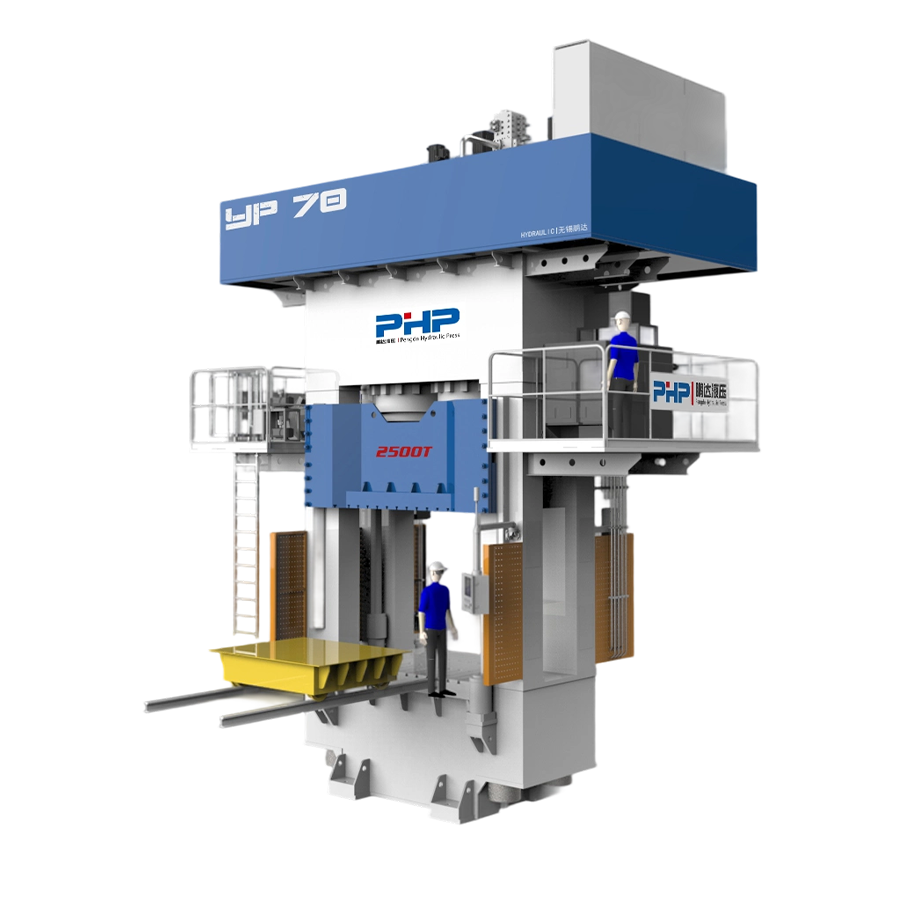
The hydraulic molding press is a high-precision, high-pressure forming equipment that relies on hydraulic power to press various raw materials into shaped components. With the characteristics of stable output pressure, strong material adaptability, and excellent consistency of finished products, it is widely used in the manufacturing industry and is an indispensable core piece of equipment in modern industrial production.
Compared with mechanical presses, hydraulic molding presses can output uniform pressure on the entire working surface, effectively avoid internal defects inside finished products, and ensure unified product dimensions and qualified physical and chemical properties. It can process various raw materials such as metal, plastic, rubber and composite materials to meet diversified production and processing demands across all industries.
Content
- 1 Working Principle of Hydraulic Molding Press
- 2 Main Structural Composition
- 3 Mainstream Industrial Applications of Hydraulic Molding Press
- 4 Core Advantages Compared With Other Forming Equipment
- 5 Equipment Operation Requirements and Practical Operation Standards
- 6 Daily Maintenance and Fault Prevention & Control
Working Principle of Hydraulic Molding Press
The equipment operates following Pascal's Law, which serves as the core theory for its stable operation. With hydraulic oil as the power transmission medium, hydraulic pump generates pressure, which is delivered to hydraulic cylinders through pipelines and control valves and eventually converted into linear thrust to drive molds to finish compression molding operations.
Main Structural Composition
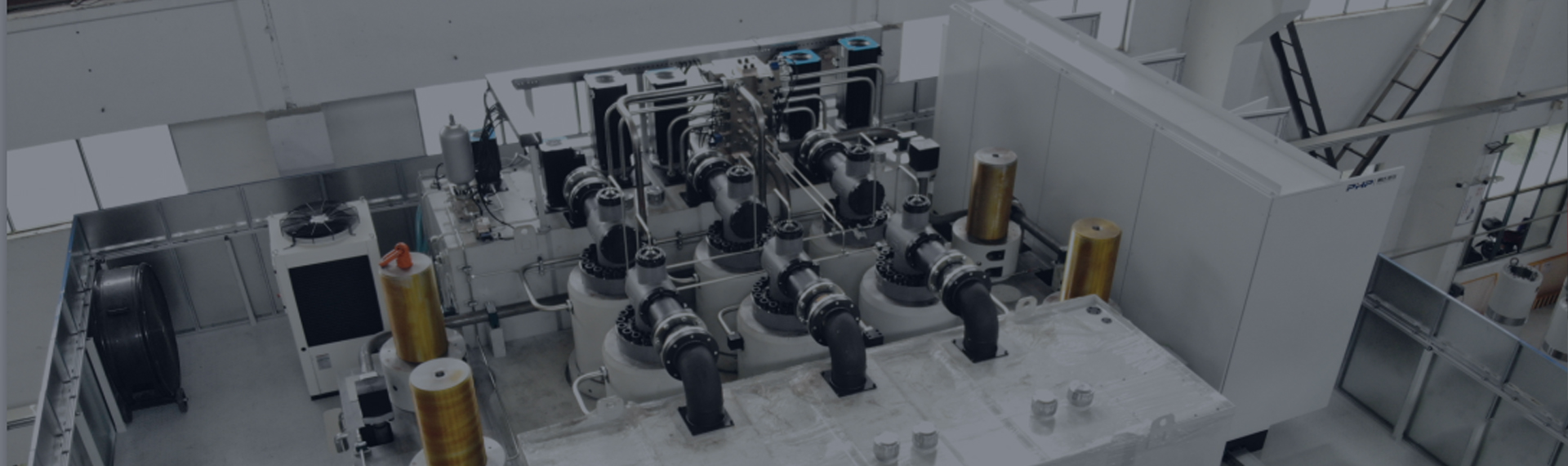
- Hydraulic power system: Continuously provides a stable pressure source
- Main cylinder and auxiliary oil cylinders: Complete three core actions of pressing, demolding, and return stroke
- Control system: Regulates process parameters, including pressure, stroke, temperature, and pressure holding duration
- Safety protection components: Secure equipment operation and prevent unexpected failures
The equipment can precisely control pressure fluctuation during operation with high-pressure control precision and realize long-time stable pressure holding, which is the core advantage to manufacture high-quality finished products.
Mainstream Industrial Applications of Hydraulic Molding Press
Hydraulic molding press covers an extensive range of applicable scenarios, basically covering all processing fields requiring raw material compression forming. Featuring outstanding versatility, the equipment can switch between different production types merely by replacing molds without modifying the main equipment structure.
Key Application Industries
- Metal processing industry: Stamping and forging of metal sheets and profiles
- Rubber and plastic industry: Compression molding production of thermosetting plastics and rubber products
- Composite material industry: Press fitting and curing forming of fiber-reinforced composite materials
- Construction hardware industry: Stamping forming of decorative fittings, fasteners, and structural spare parts
- Automotive manufacturing industry: Production of interior decorative parts, automobile body components, and sealing fittings
In practical industrial production, over half of the forming procedures in related industries can adopt hydraulic molding presses, fully demonstrating their vital status in the manufacturing sector.
Core Advantages Compared With Other Forming Equipment
Compared with mechanical forming presses and pneumatic forming equipment, the hydraulic molding press boasts remarkable performance advantages, which is the critical reason for its wide popularization in industrial production.
Core Performance Highlights
- Stepless adjustable pressure to fit the processing technique requirements of raw materials with different properties
- Support long-time pressure holding to boost compactness and structural stability of molded products
- Lower operation noise and vibration to improve the workshop production environment
- Concise overall structure for convenient maintenance and longer service life of core spare parts
Equipment Operation Requirements and Practical Operation Standards
Standardized operation is the key to extending the service life of the hydraulic molding press and lifting the finished product qualification rate. Operators must strictly abide by operation procedures to avoid equipment damage and safety accidents caused by irregular operations.
Standard Operating Procedures
- Inspect the hydraulic oil circuit, electrical circuits and mold conditions before startup
- Set proper pressing pressure, temperature and pressure holding time according to raw material properties
- Place raw materials accurately and confirm full closure of upper and lower molds
- Start the compression program and monitor the equipment running status in real time during the whole process
- Take out finished goods after pressure holding and clean mold cavity meanwhile
Strictly following operation specifications can greatly reduce equipment failure rate, effectively extend the whole machine service life and meanwhile raise product qualification rate and production line efficiency.
Daily Maintenance and Fault Prevention & Control
Daily maintenance directly decides the running stability and service life of the hydraulic molding press, and the hydraulic system, as the core of the complete machine becomes the priority of daily maintenance work.
Key Maintenance Items
- Replace hydraulic oil and clean oil filter regularly to prevent oil impurities from polluting oil circuits
- Check pipelines and joints for oil leakage and conduct timely maintenance once leakage is found
- Add lubricant to moving spare parts regularly to reduce mechanical abrasion loss
- Calibrate pressure gauges and control systems regularly to guarantee accurate and reliable process parameters
- Clean mold surface routinely to keep mold finish and secure molding quality
Complete maintenance can prevent most common equipment failures, shorten maintenance downtime, guarantee continuous production line operation and help enterprises cut overall production cost.