
 English
 中文简体
中文简体 Español
 Português
 Deutsch
 русский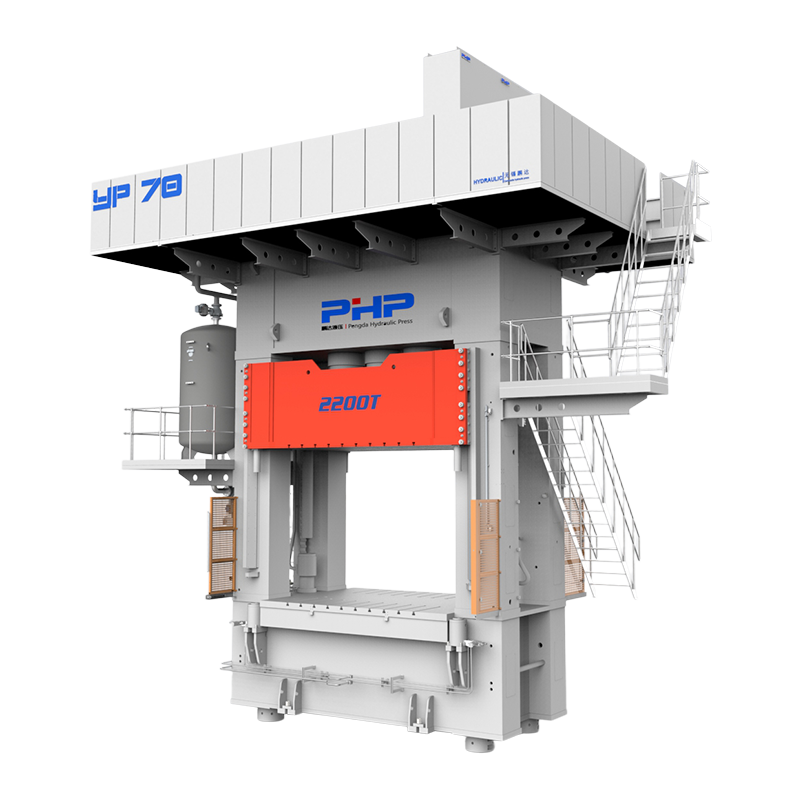
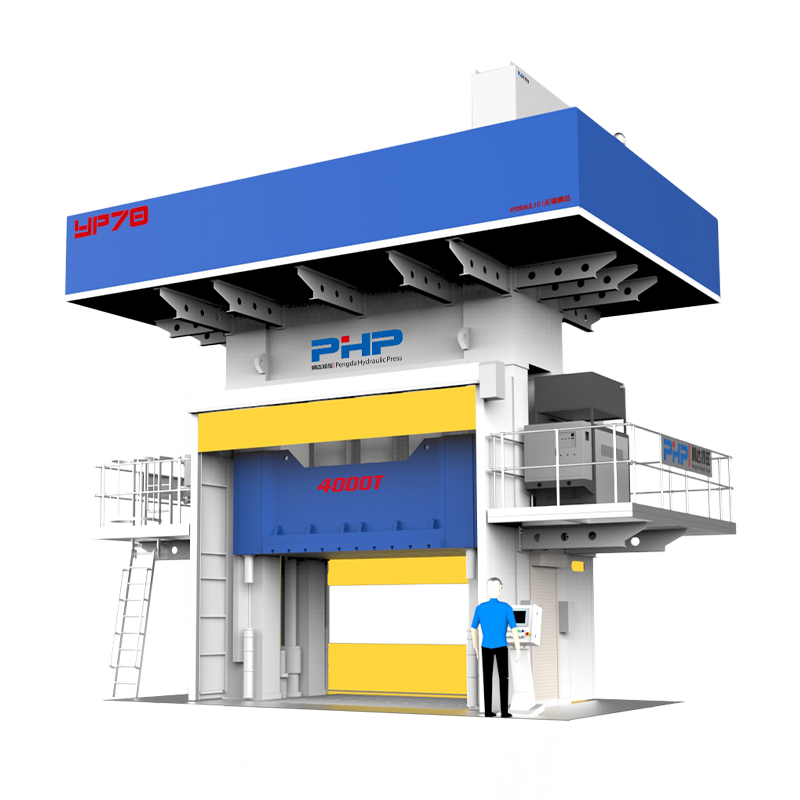
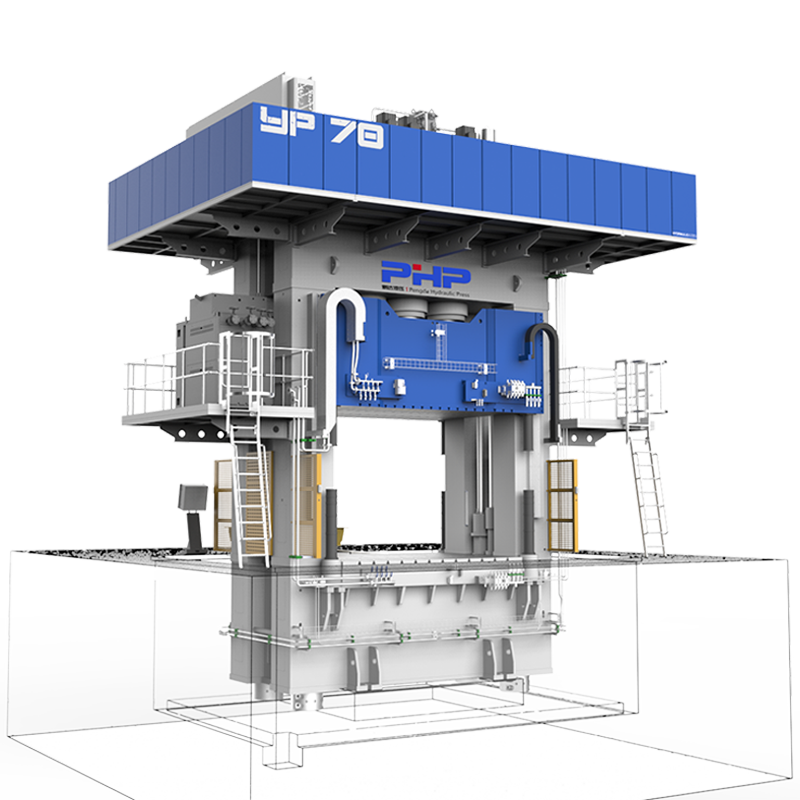
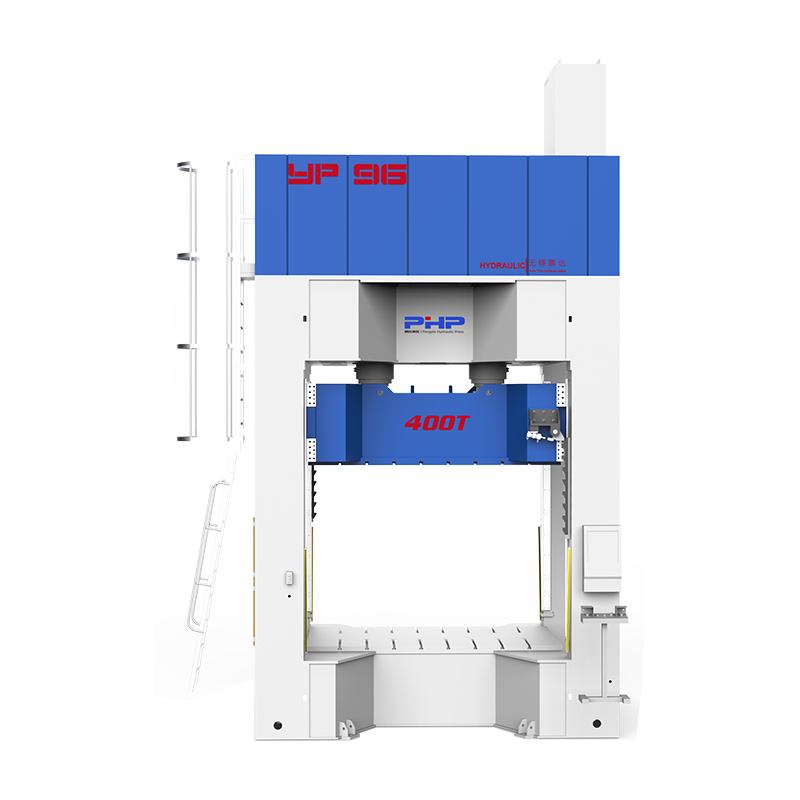
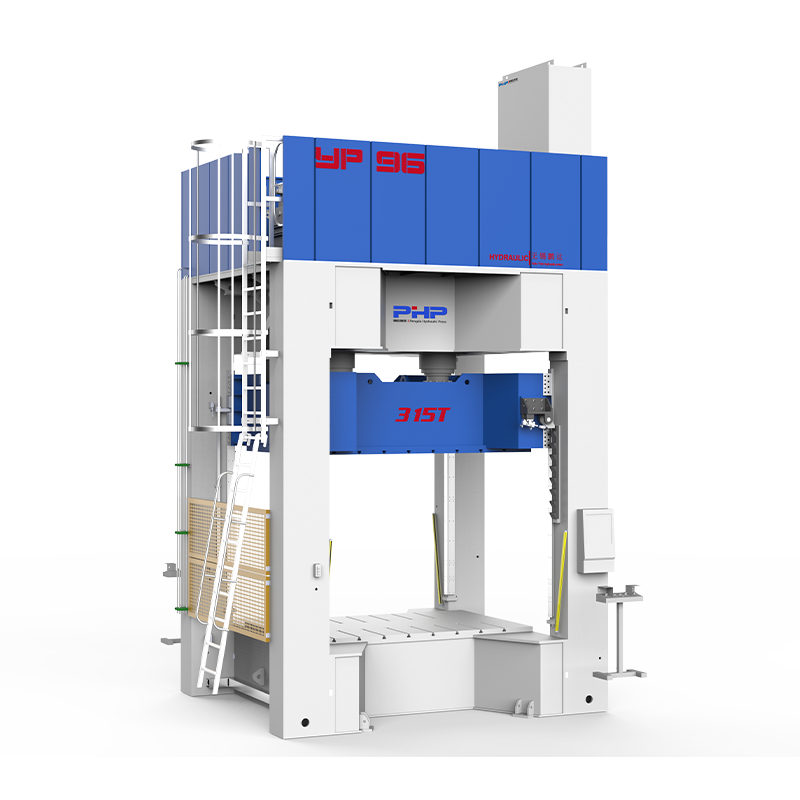
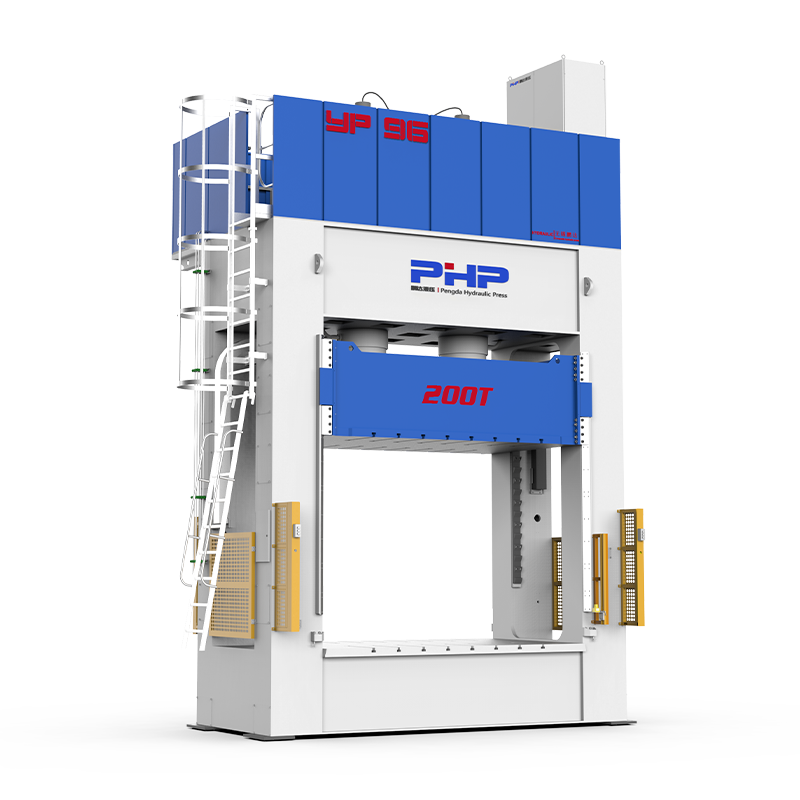
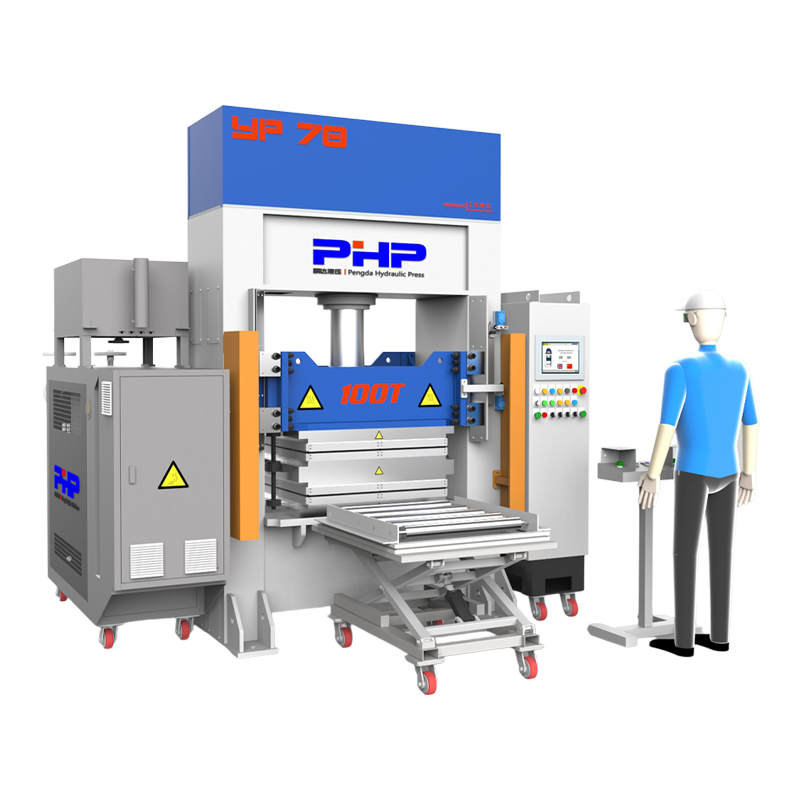

A hydraulic molding press is a core industrial molding equipment that converts hydraulic pressure into mechanical pressing force, achieving high-precision, high-stability compression molding of various solid and composite materials. It relies on hydraulic transmission systems to provide uniform and adjustable pressure, replacing traditional mechanical pressing equipment in most industrial molding scenarios. Compared with mechanical presses, it features flexible pressure regulation, low operating noise, and strong material adaptability, and is widely applied in automotive parts, plastic processing, metal stamping, new energy materials and other industrial fields. Its overall molding yield can reach more than 98% in standardized industrial production, which is significantly higher than that of traditional molding equipment.
Content
- 1 Basic Working Principle of Hydraulic Molding Press
- 2 Key Structural Components of Hydraulic Molding Press
- 3 Main Application Fields and Adaptable Materials
- 4 Core Advantages of Hydraulic Molding Press in Industrial Production
- 5 Daily Maintenance and Fault Prevention of Hydraulic Molding Press
- 6 Development Trend of Modern Hydraulic Molding Press
Basic Working Principle of Hydraulic Molding Press
The operation logic of a hydraulic molding press is based on Pascal's hydraulic transmission principle, realizing the amplification and stable output of pressure through hydraulic oil circulation and piston movement. The entire working process is divided into four continuous and linkage stages, with precise mechanical and hydraulic control to ensure molding accuracy and product consistency.
Stage Composition of Molding Operation
- Feeding and positioning stage: Workers or automated equipment place raw materials into the fixed mold cavity. The precision positioning structure of the equipment ensures that the material is completely fitted with the mold, and the error of material positioning is controlled within a tiny range to avoid molding deviation caused by displacement. This stage lays the foundation for uniform stress molding of products.
- Pressure boosting and pressing stage: The hydraulic pump starts to operate, pushing hydraulic oil into the cylinder to drive the piston and upper mold to move downward at a constant speed. The hydraulic system continuously boosts pressure according to the set parameters, and the pressure acts evenly on the material surface. Different from mechanical presses with impact pressure, the hydraulic molding press realizes static pressure pressing, which makes the internal structure of the material more compact.
- Pressure holding and molding stage: After reaching the preset pressure value, the system automatically enters the pressure holding state. The pressure holding time can be adjusted according to material characteristics, ranging from several seconds to tens of minutes, which ensures that the material fully flows, fills the mold cavity, and completes curing, shaping or compound molding. This is the key stage to determine the dimensional accuracy and structural stability of finished products.
- Pressure relief and demolding stage: After the molding process is completed, the hydraulic system slowly relieves pressure, the upper mold resets upward, and the ejection device pushes the finished product out of the mold cavity. The slow pressure relief design effectively prevents product deformation and cracking caused by instantaneous pressure release.
The core advantage of this working mode is that the pressure output is stable and adjustable in real time. The equipment can maintain constant pressure output during the entire molding process, avoiding pressure fluctuation problems common in mechanical transmission equipment, thus greatly improving the qualification rate of molded products.
Key Structural Components of Hydraulic Molding Press
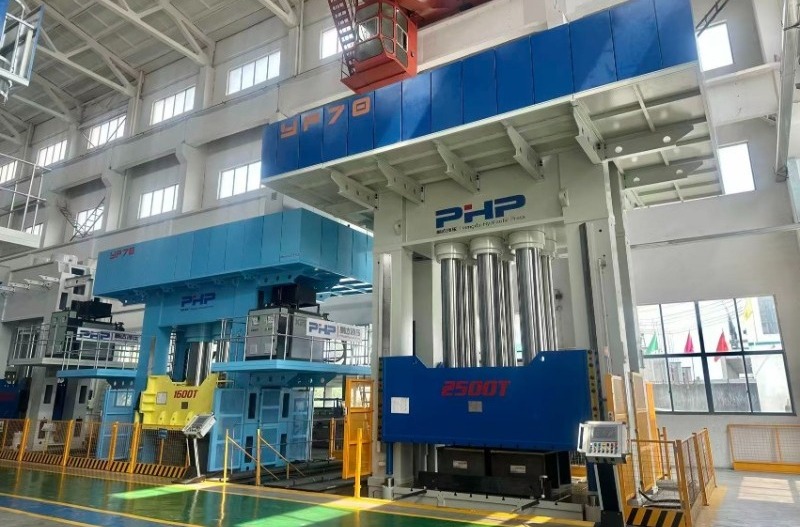
A complete hydraulic molding press is composed of three core systems and multiple auxiliary structures. Each component cooperates with each other to jointly complete the high-precision molding work. The matching precision of structural components directly determines the equipment's operating stability and service life.
Core System Configuration
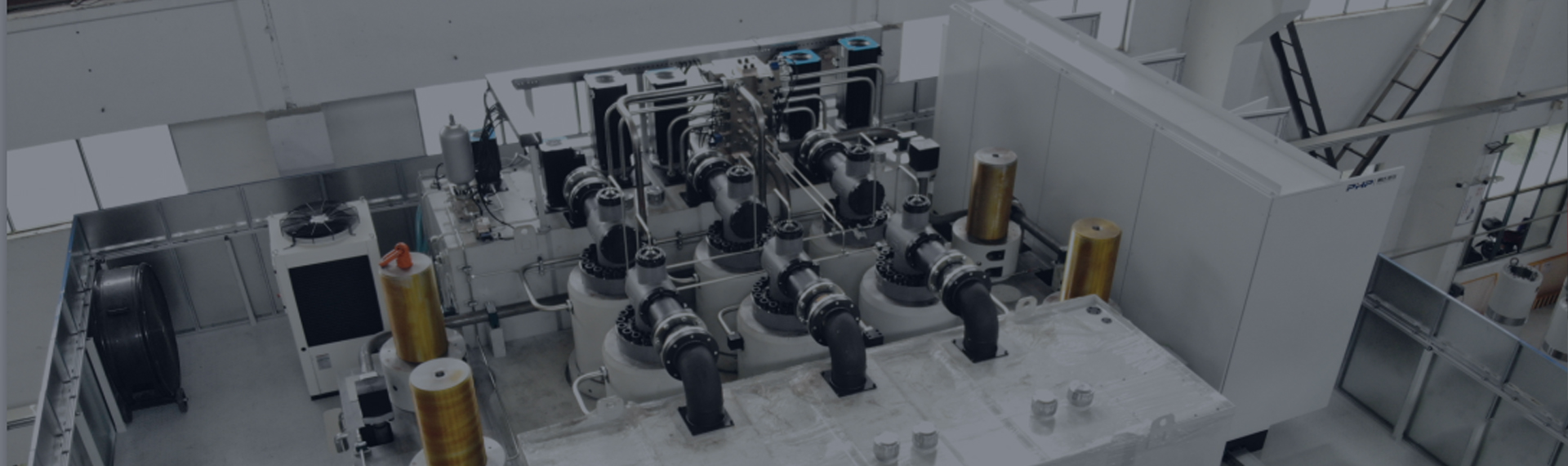
- Hydraulic transmission system: It is the power source of the equipment, including hydraulic pumps, oil cylinders, control valves, oil tanks and filter devices. This system undertakes pressure generation, transmission and regulation, and can accurately control the pressure, speed and stroke of the press. High-quality hydraulic systems can keep the pressure error within a very small range for a long time.
- Mechanical frame system: Composed of cast steel or welded steel frame, sliding guide rail and mold fixing plate. The frame bears the full pressing force, with high rigidity and stability, and will not deform under long-term high-pressure operation, ensuring the overall dimensional stability of molding.
- Electric control system: The intelligent control core of the equipment, responsible for setting parameters, controlling operation procedures, monitoring pressure and temperature, and realizing automatic operation of feeding, pressing, pressure holding and demolding. It supports manual and automatic switching modes to adapt to different production scales.
Auxiliary Functional Structures
Auxiliary structures such as mold heating device, cooling system and safety protection device are standard configurations of modern hydraulic molding presses. The heating and cooling structure can adjust the molding temperature according to material needs, realizing hot pressing molding and cold setting molding; the safety protection device can automatically stop the equipment in case of abnormal operation, effectively avoiding production safety accidents.
Main Application Fields and Adaptable Materials
Hydraulic molding presses have extremely strong material adaptability, covering metal, plastic, rubber, composite new materials and other types, and are widely used in multiple industrial manufacturing fields. Different materials correspond to targeted molding processes and parameter settings, which can maximize production efficiency and product quality.
| Application Industry | Adaptable Materials | Main Molding Products |
|---|---|---|
| Automobile Manufacturing | Engineering plastics, rubber shock-absorbing materials, thin metal plates | Automotive interior parts, sealing parts, sheet metal stamping parts |
| New Energy Industry | Battery diaphragm materials, composite insulating materials | Battery structural parts, insulating gaskets |
| Hardware Processing | Copper, aluminum, iron and other metal raw materials | Precision hardware accessories, pressed structural parts |
| Daily Chemical & Plastic Industry | PVC, ABS, rubber raw materials | Plastic structural parts, rubber molded products |
In actual industrial production, more than 80% of medium and high-precision compression molding processes rely on hydraulic molding presses, because its static pressure molding mode will not cause material damage and internal stress concentration, which is incomparable to traditional impact pressing equipment. Especially for new composite materials with fragile structure and high precision requirements, hydraulic molding press is the preferred molding equipment.
Core Advantages of Hydraulic Molding Press in Industrial Production
Compared with mechanical presses, pneumatic presses and other traditional molding equipment, hydraulic molding presses have obvious comprehensive advantages in precision, stability, adaptability and energy consumption, which is why they are widely popularized in modern industrial manufacturing.
High Molding Precision and Stability
The hydraulic system can realize stepless pressure regulation and constant pressure holding, and the pressing force acts uniformly on the entire mold surface. There is no pressure fluctuation and impact force during the molding process. The dimensional tolerance of molded products can be controlled within 0.01mm in precision production, which fully meets the production requirements of high-precision industrial parts. At the same time, the equipment runs stably with low vibration, and the consistency of batch products is extremely high.
Strong Process Adaptability
The equipment can adjust pressure, speed, temperature and holding time freely according to different material characteristics and molding processes. It can complete multiple processes such as hot pressing, cold pressing, compression molding, compound molding and trimming molding. It can adapt to both small-batch customized production and large-scale assembly line mass production, with extremely flexible production modes.
Low Operation Loss and Long Service Life
The hydraulic transmission mode has soft contact and no rigid impact, which greatly reduces the wear of mechanical structures and molds. Under standardized maintenance, the service life of the equipment can reach more than ten years, and the failure rate is far lower than that of mechanical pressing equipment. In addition, the hydraulic system has low noise during operation, which meets modern industrial environmental protection production standards.
Daily Maintenance and Fault Prevention of Hydraulic Molding Press
Good daily maintenance is the key to ensure the long-term stable operation of hydraulic molding presses, maintain molding accuracy and reduce production costs. Most equipment failures are caused by irregular maintenance and daily operation errors. Scientific maintenance can effectively extend the service life of equipment and reduce failure downtime.
Routine Daily Maintenance Items
- Check the oil level and oil quality of the hydraulic oil tank every day to ensure that the oil level is within the standard range and the hydraulic oil is free of deterioration and impurities, so as to avoid system pressure instability caused by unqualified oil products.
- Clean the mold surface and guide rail structure before operation to remove material residues and dust, keep the mold smooth and clean, and prevent product surface defects and mold wear.
- Check the tightness of connecting parts and the sensitivity of the control system, test the lifting and pressing action of the equipment, and ensure that there is no jamming and abnormal noise during operation.
- Check the heat dissipation and cooling system after daily work to ensure normal heat dissipation, avoid equipment aging caused by long-term high-temperature operation, and cut off the power supply for standardized shutdown.
Regular Maintenance and Fault Prevention
Regularly replace hydraulic oil and filter elements according to the operating frequency, lubricate the guide rail and transmission parts, and calibrate the pressure and stroke parameters of the equipment. Enterprises with standardized maintenance can reduce equipment failure rate by more than 90%, and the molding accuracy can be kept stable for a long time. At the same time, operators need to follow standardized operation procedures, avoid overpressure and overload operation, and eliminate potential safety hazards.
Development Trend of Modern Hydraulic Molding Press
With the upgrading of industrial intelligent manufacturing, hydraulic molding presses are developing towards intelligence, energy saving, high efficiency and integration. Traditional manual operation equipment is gradually replaced by automated and intelligent equipment, which further improves the level of industrial molding production.
Modern hydraulic molding presses are equipped with intelligent data monitoring systems, which can real-time monitor pressure, temperature, stroke and other operating data, and automatically adjust parameters according to production conditions. The energy-saving hydraulic system greatly reduces idle energy consumption, realizing green and low-carbon production. In addition, the integrated modular design simplifies equipment maintenance and replacement of parts, and improves production and maintenance efficiency. In the future, with the continuous innovation of new materials and molding processes, hydraulic molding presses will be more widely used in high-end manufacturing fields such as aerospace and precision electronics.


