
 English
 中文简体
中文简体 Español
 Português
 Deutsch
 русский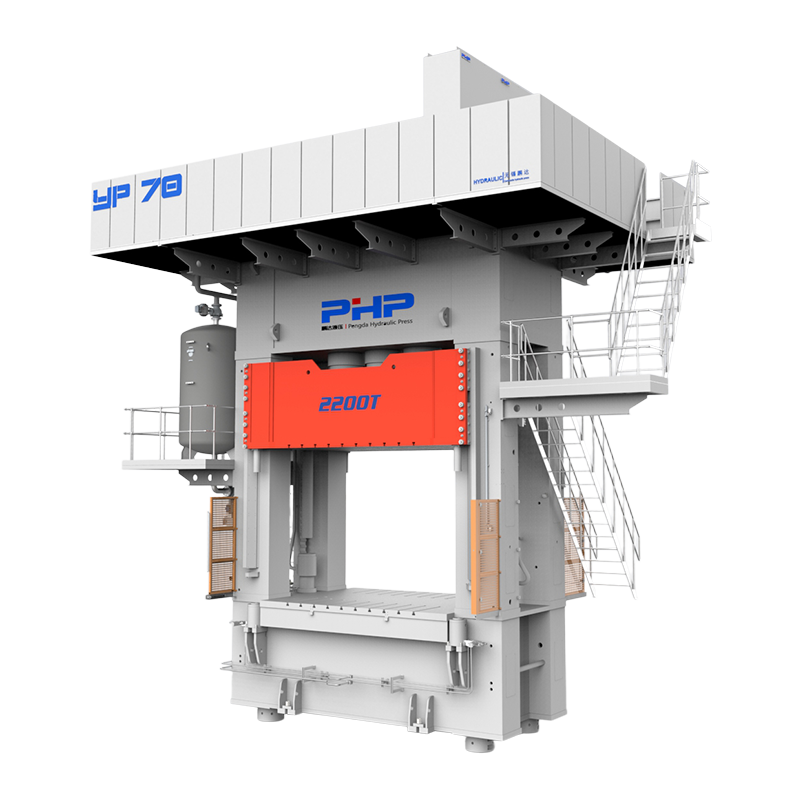
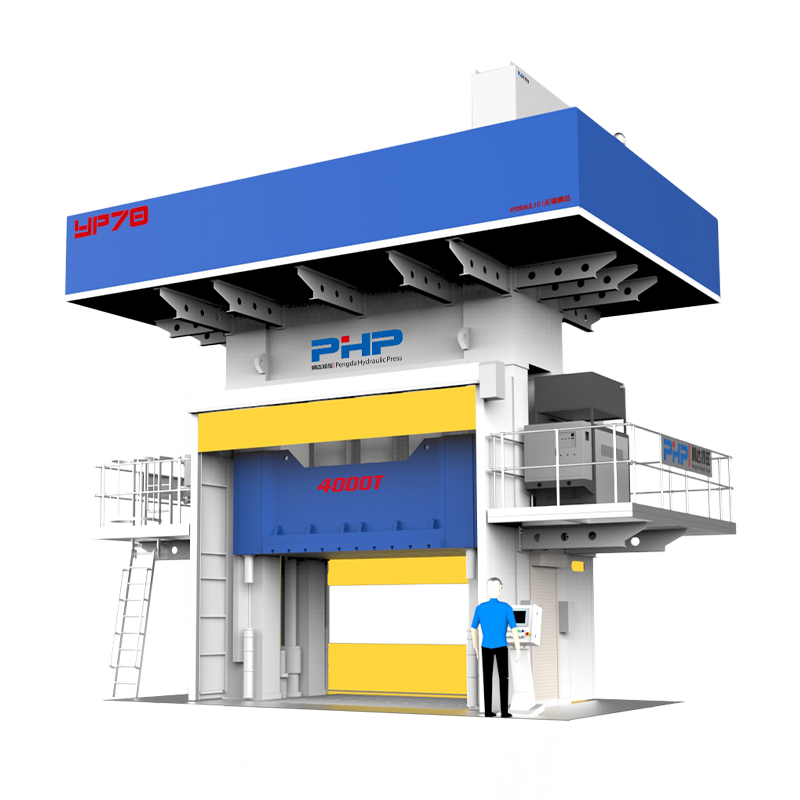
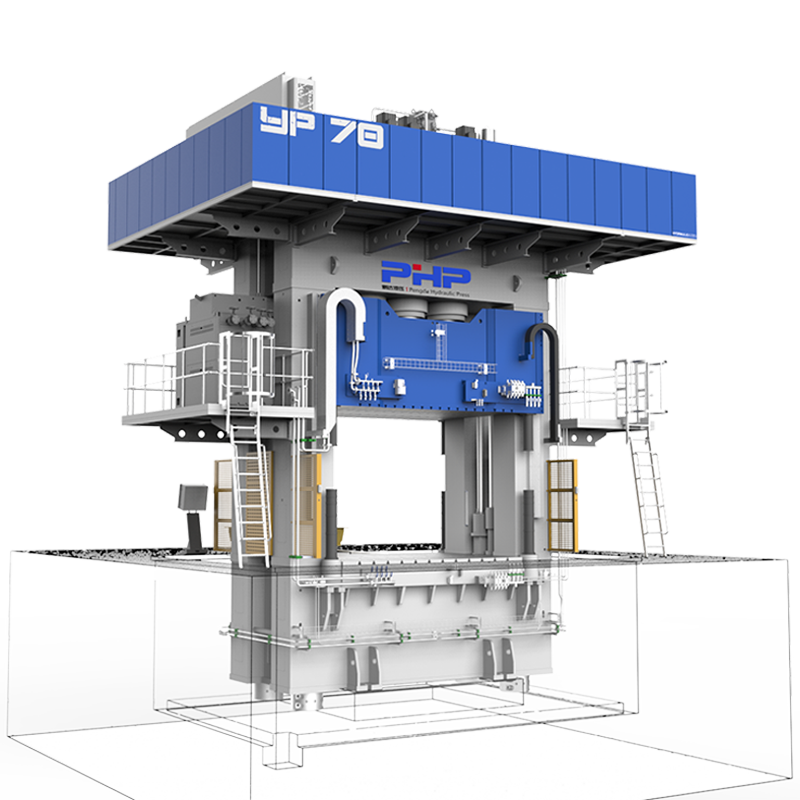
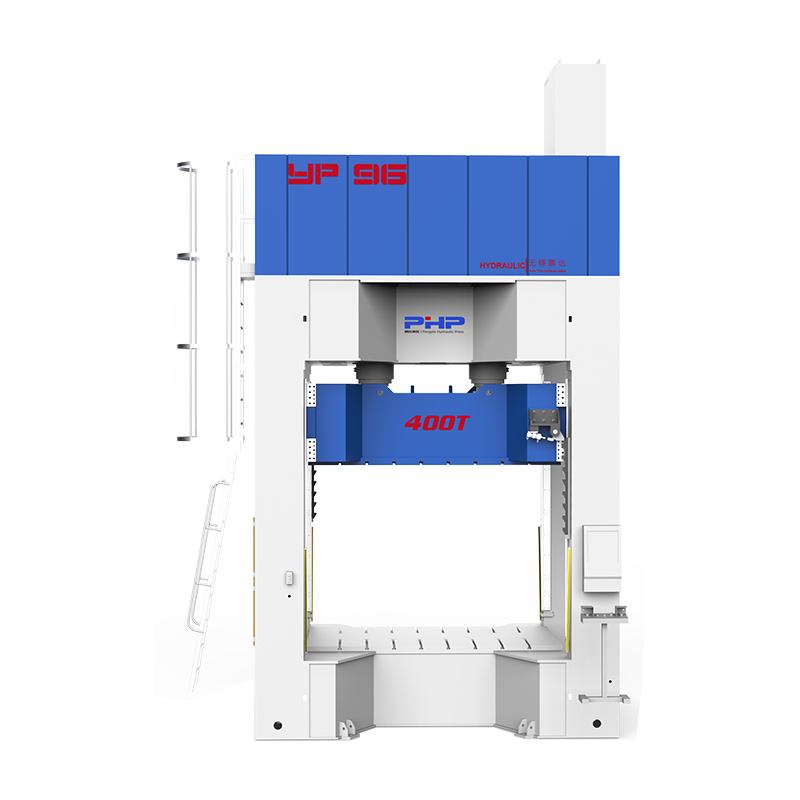
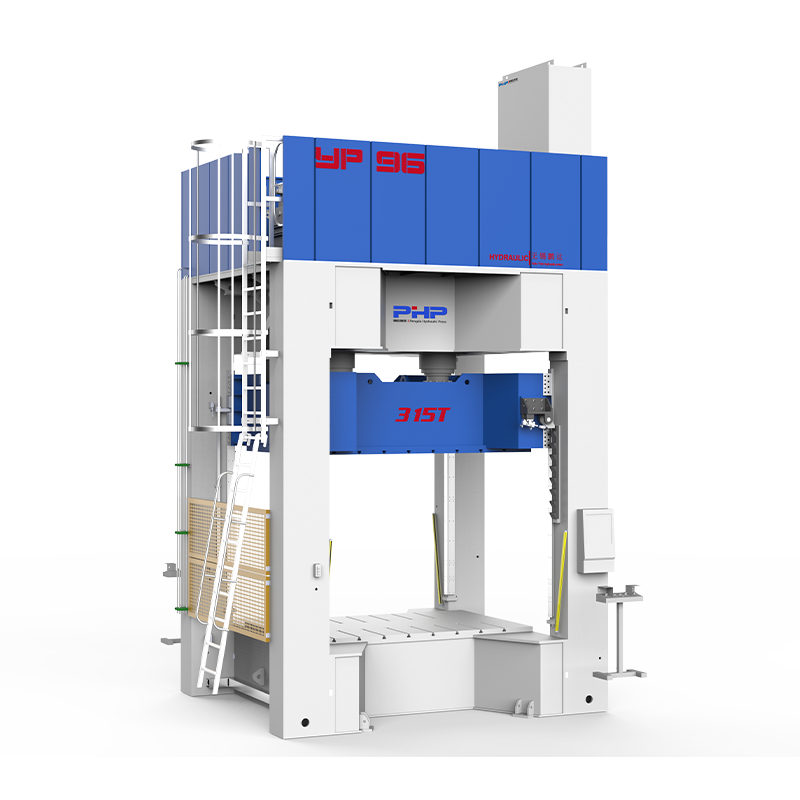
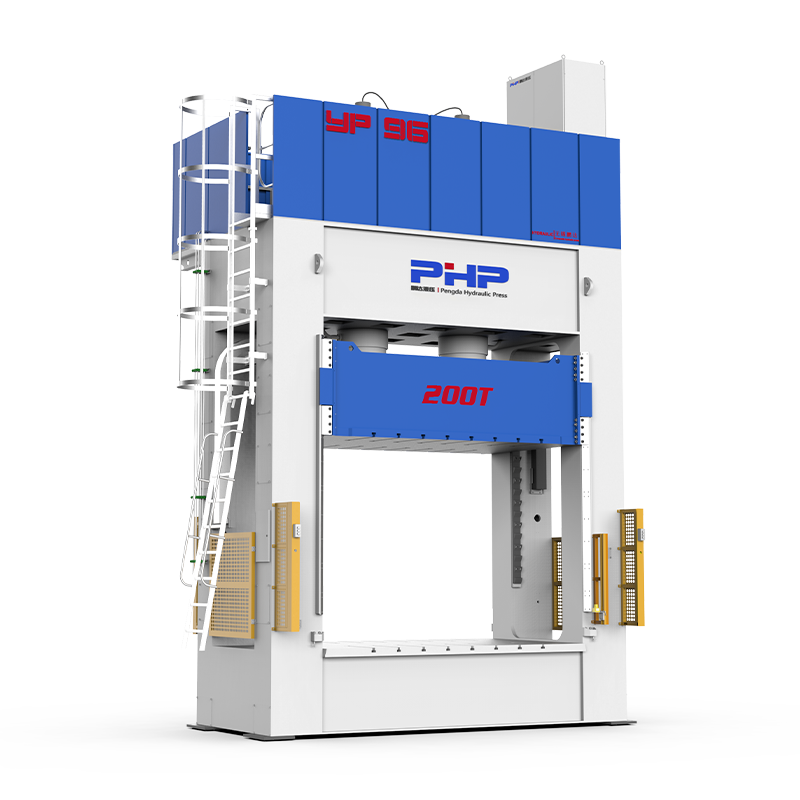
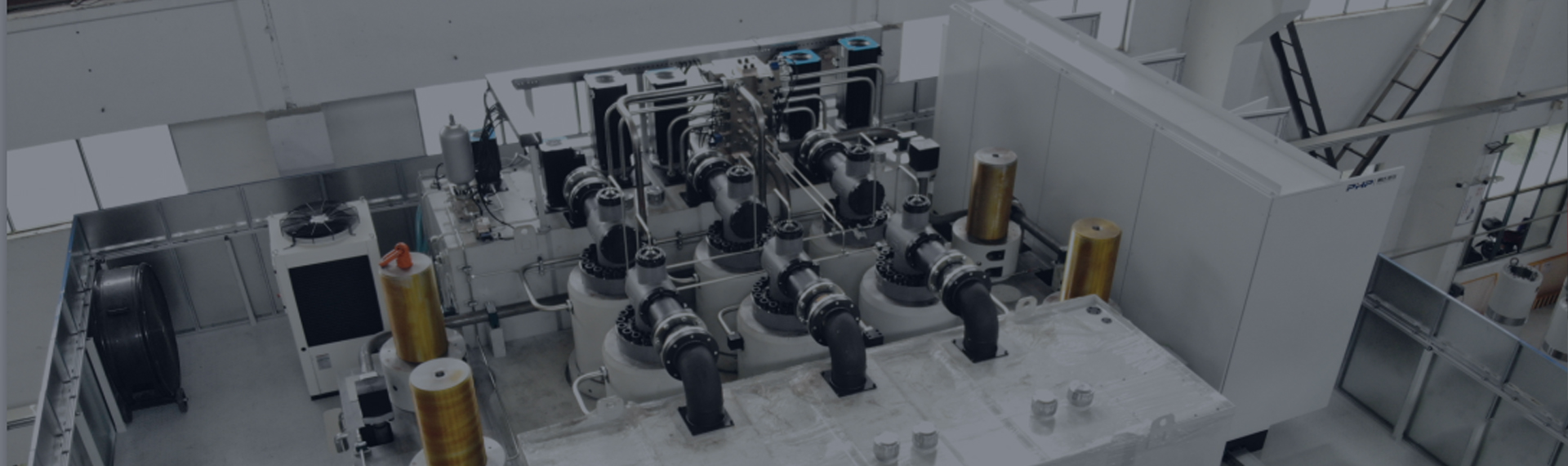
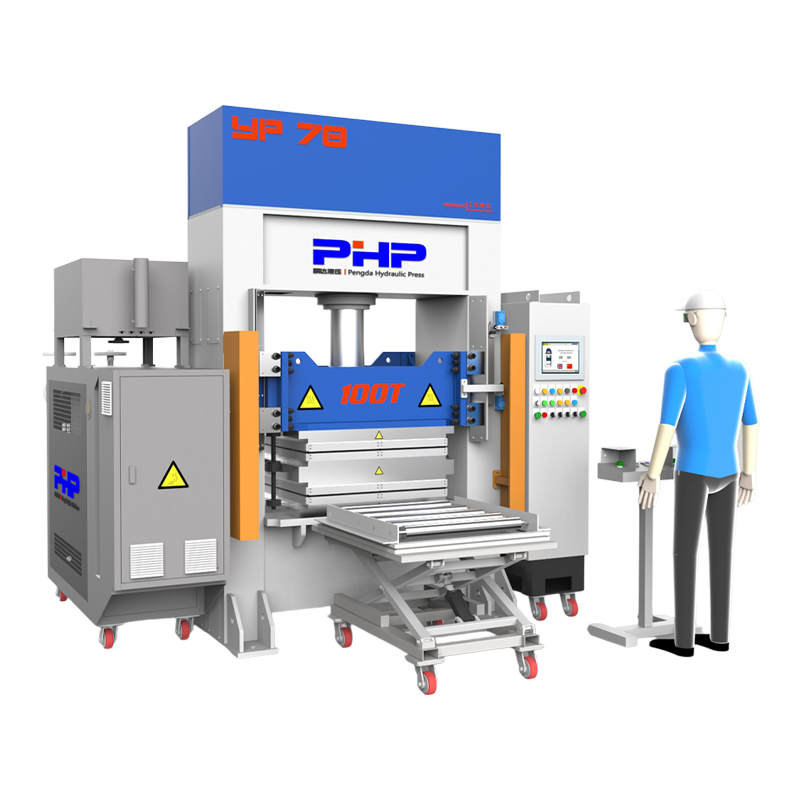

Compression moulding is a mature, cost-effective thermosetting forming technology that relies on heat and pressure to shape pre-measured polymer materials into finished products. It is most suitable for medium-to-large batch production of high-strength, complex-shaped thermoset plastic parts, with outstanding advantages in low mold cost, minimal material waste, and excellent product structural stability. Compared with injection moulding, it features lower equipment investment and better adaptability to high-viscosity composite materials, though it has relatively lower production efficiency and limited precision for ultra-fine structural parts. This process remains irreplaceable in automotive, aerospace, electrical and construction industries for manufacturing durable, heat-resistant and corrosion-resistant plastic components.

Content
- 1 Basic Working Principle of Compression Moulding
- 2 Complete Production Process of Compression Moulding
- 3 Key Advantages and Disadvantages of Compression Moulding
- 4 Industrial Application Scenarios of Compression Moulding
- 5 Key Process Control Points for Quality Stabilization
- 6 Development Trend of Modern Compression Moulding Technology
Basic Working Principle of Compression Moulding
Compression moulding, also known as compression molding, is a traditional and reliable polymer forming process dominated by thermosetting resin curing. Its core working logic is based on the thermal curing characteristics of thermoset materials and mechanical pressure forming. Different from thermoplastic forming processes that rely on melting and cooling shaping, compression moulding realizes permanent shaping through irreversible chemical cross-linking reactions of materials under specific temperature and pressure conditions.
The basic working principle can be divided into three core physical and chemical stages. Firstly, the pre-placed raw materials in the mold cavity absorb heat and soften, transforming from solid block or powder state into a viscous flow state, which enables the material to flow and fill the entire mold cavity. Secondly, continuous mechanical pressure is applied to squeeze the softened material, eliminating internal gaps and air bubbles, and making the material closely fit the mold contour to form a preliminary shape. Finally, under sustained high temperature and pressure, the thermosetting resin undergoes cross-linking and curing reaction, forming a stable three-dimensional network molecular structure that cannot be remelted or reshaped, thus completing fixed forming.
The key to stable forming lies in matching temperature, pressure and holding time. Excessively low temperature will lead to incomplete material curing and insufficient product hardness, while excessively high temperature will cause material scorching and surface defects. Unstable pressure will result in uneven product density, warping or shrinkage deformation. Reasonable parameter matching ensures that the material fully fills the mold and completes uniform curing, guaranteeing consistent product quality.
Complete Production Process of Compression Moulding
The compression moulding production process is standardized and systematic, with clear operation steps from material preparation to finished product demolding. The complete process can be divided into six key links, each of which directly affects the final quality and yield of the product.
1. Material Preprocessing and Batching
Raw materials used for compression moulding are mainly thermosetting plastics such as phenolic resin, epoxy resin and unsaturated polyester, often mixed with reinforcing fillers including glass fiber, carbon fiber and inorganic powder to enhance mechanical properties. In this stage, workers need to weigh materials quantitatively according to product specifications, and perform preheating and drying treatment to remove moisture and volatile substances in the materials. Drying treatment can effectively avoid bubble and crack defects caused by gas volatilization during high-temperature curing, improving the compactness of finished products.
2. Mold Preheating and Cleaning
The mold needs to be preheated to the process set temperature in advance to ensure uniform heat transfer after material feeding. Meanwhile, the mold cavity is cleaned thoroughly to remove residual materials and impurities from the previous production batch, and a small amount of release agent is evenly coated to facilitate subsequent demolding and prevent product adhesion and surface damage. Mold preheating uniformity directly determines the consistency of material curing degree in different areas of the product.
3. Feeding and Mold Closing
The preprocessed raw materials are evenly placed in the center of the lower mold cavity to ensure uniform material flow during pressing. After feeding is completed, the upper and lower molds are slowly closed by the hydraulic press equipment. The mold closing speed is strictly controlled to avoid material splashing and uneven distribution caused by excessive impact force.
4. High-pressure Compression and Thermal Curing
This is the core forming stage of compression moulding. After the mold is completely closed, the hydraulic press applies continuous and stable pressure, and the mold maintains a constant high temperature. The softened material flows freely under pressure to fill every corner of the mold cavity, and undergoes cross-linking curing reaction under constant temperature and pressure. The holding time is determined according to product thickness and material type, generally ranging from several minutes to tens of minutes, to ensure thorough curing of internal and external materials.
5. Pressure Relief and Mold Opening
After the material curing reaction is completed, the hydraulic press relieves pressure slowly to eliminate internal stress generated by the product during compression, preventing elastic rebound and deformation of the finished product. After pressure relief, the upper mold is lifted slowly to open the mold smoothly.
6. Demolding and Post-processing
The cured product is taken out from the mold cavity. A small amount of flash and excess edge materials on the product surface need to be trimmed and polished to meet dimensional and appearance requirements. Finally, the product is inspected for appearance, size and hardness, and qualified products are sorted and stored.
Key Advantages and Disadvantages of Compression Moulding
As a classic polymer forming process, compression moulding has unique technical and economic characteristics, with obvious advantages and inherent limitations compared with mainstream processes such as injection moulding and extrusion moulding. A clear understanding of its pros and cons helps select the most suitable forming process for different production scenarios.
Major Advantages
- Low production cost: The mold structure of compression moulding is simple without complex runner and gating systems, so the mold manufacturing cost is significantly lower. Meanwhile, the process has extremely low material waste rate, and almost no raw material loss except for a small amount of trim flash, which greatly saves production material costs.
- Excellent product performance: Products formed by compression moulding have high density, uniform internal structure and low internal stress. The cross-linking curing reaction makes the product have outstanding heat resistance, corrosion resistance, mechanical strength and dimensional stability, and it is not easy to deform or age in long-term use.
- Strong material adaptability: It is especially suitable for high-viscosity thermosetting composite materials and fiber-reinforced plastics that are difficult to form by injection moulding. It can fully retain the structural integrity of reinforcing fibers and maximize the mechanical properties of composite materials.
- High process stability: The operation process is simple and the parameter adjustment range is wide. The product quality fluctuation is small, and the yield of medium and large batch production is high, with low dependence on high-precision equipment.
Main Limitations
- Low production efficiency: The curing and holding time of single product is long, and it cannot realize continuous rapid forming like injection moulding. The unit time output is low, so it is not suitable for ultra-large-scale mass production of small parts.
- Limited product precision: Affected by manual feeding and mold closing accuracy, the dimensional tolerance of finished products is slightly large, and it is difficult to process ultra-fine structures such as tiny holes and thin-walled micro-parts.
- Restricted product size: Although it can produce large parts, the product size is limited by the tonnage and mold volume of the hydraulic press equipment, and ultra-large super-long parts cannot be formed.
Industrial Application Scenarios of Compression Moulding
Relying on its high strength, high temperature resistance and low-cost advantages, compression moulding is widely used in multiple industrial fields, especially in scenarios requiring durable and high-performance plastic structural parts. The following table summarizes the typical application fields, representative products and application characteristics of compression moulding.
| Application Field | Representative Products | Core Application Characteristics |
|---|---|---|
| Automotive Industry | Automotive interior structural parts, engine insulation parts, brake parts | High temperature resistance, fatigue resistance, light weight, reducing vehicle energy consumption |
| Electrical & Electronic Industry | Insulating parts, switch shells, electrical appliance base parts | Excellent insulation, flame retardant, anti-aging, safe and durable |
| Aerospace Industry | Lightweight composite structural parts, heat-resistant protective parts | High strength, low density, corrosion resistance, adapting to extreme working conditions |
| Construction Industry | Building decorative parts, anti-corrosion structural accessories, insulation components | Weather resistance, anti-corrosion, low maintenance cost, long service life |
In addition to the above fields, compression moulding is also commonly used in the production of daily industrial supplies and special equipment parts. For example, various high-strength plastic brackets, anti-corrosion containers and mechanical wear-resistant parts all adopt compression moulding technology. In the field of composite material processing, more than 60% of medium and large fiber-reinforced thermoset parts are manufactured by compression moulding, which fully reflects the irreplaceable value of this process in high-performance part production.
Key Process Control Points for Quality Stabilization
Although the compression moulding process is mature, product defects such as bubbles, warping, incomplete curing and surface cracks are easy to occur if the process parameters and operation details are not well controlled. Grasping the core process control points can effectively improve product qualification rate and production stability.
Temperature Control
Mold temperature is the core factor affecting material curing speed and quality. Too fast temperature rise will cause the surface material to cure first and form a hard shell, while the internal material cannot flow and discharge gas, resulting in internal bubble defects. Too low temperature will prolong curing time and cause incomplete curing, leading to insufficient product hardness and poor wear resistance. In actual production, the temperature difference between different areas of the mold must be controlled within a small range to ensure uniform curing of the whole product.
Pressure Control
The compression pressure needs to match the material fluidity and product thickness. High-viscosity composite materials and thick-walled products require higher compression pressure to ensure full material filling and dense internal structure. Low-pressure operation will lead to loose product structure and reduced mechanical strength, while excessive pressure will cause excessive flash, increased material loss and even mold deformation damage.
Holding Time Control
The holding time is positively correlated with product thickness. Thick products need longer heat preservation and pressure holding time to ensure that the internal material fully completes cross-linking reaction. Short holding time will cause incomplete internal curing, and long holding time will cause material over-curing, resulting in brittle product texture and reduced toughness. Reasonable time setting can balance product performance and production efficiency.
Material Feeding Control
Quantitative feeding is the key to ensure consistent product size and weight. Excessive feeding will produce a large amount of flash and increase trimming workload, while insufficient feeding will lead to incomplete product filling and size deficiency. At the same time, uniform feeding position can avoid uneven material flow and prevent product unilateral shortage and deformation.
Development Trend of Modern Compression Moulding Technology
With the upgrading of industrial manufacturing and the innovation of composite materials, compression moulding technology is also constantly optimized and upgraded, gradually moving towards automation, high precision and high efficiency. Traditional manual semi-automatic production modes are gradually replaced by intelligent equipment, which greatly improves production efficiency and product consistency.
Firstly, the popularization of automatic compression moulding production lines realizes automatic feeding, precise mold closing, constant temperature and pressure control and automatic demolding, reducing manual operation errors. The automated production mode can improve production efficiency by more than 30% and reduce product quality fluctuation rate to below 2%, realizing stable batch production.
Secondly, the combination of compression moulding and new composite materials has expanded its application scope. The emerging carbon fiber composite compression moulding technology can produce lighter and higher-strength structural parts, which is widely used in new energy vehicles and high-end aerospace equipment, meeting the lightweight and high-performance manufacturing needs of modern industry.
In addition, the precision optimization of mold manufacturing and the intelligent adjustment of process parameters have greatly improved the dimensional accuracy of compression moulding products, gradually breaking the limitation of low precision of traditional processes, and enabling the process to be applied in more high-precision industrial component manufacturing scenarios. In the future, with the development of green manufacturing technology, low-energy-consumption and low-waste compression moulding processes will become the mainstream development direction, further improving the economic and environmental benefits of the process.


