
 English
 中文简体
中文简体 Español
 Português
 Deutsch
 русский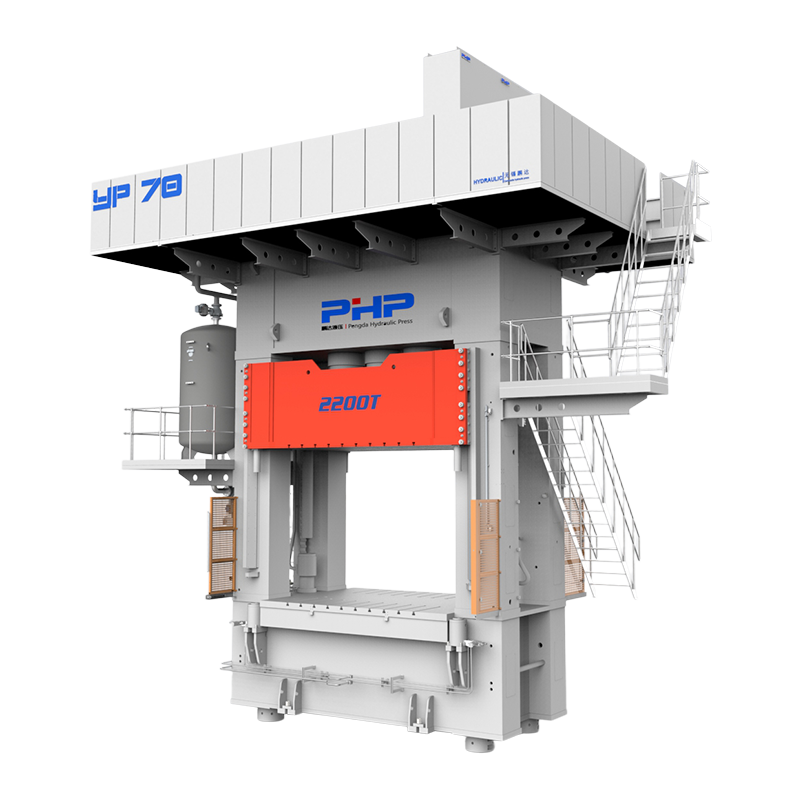
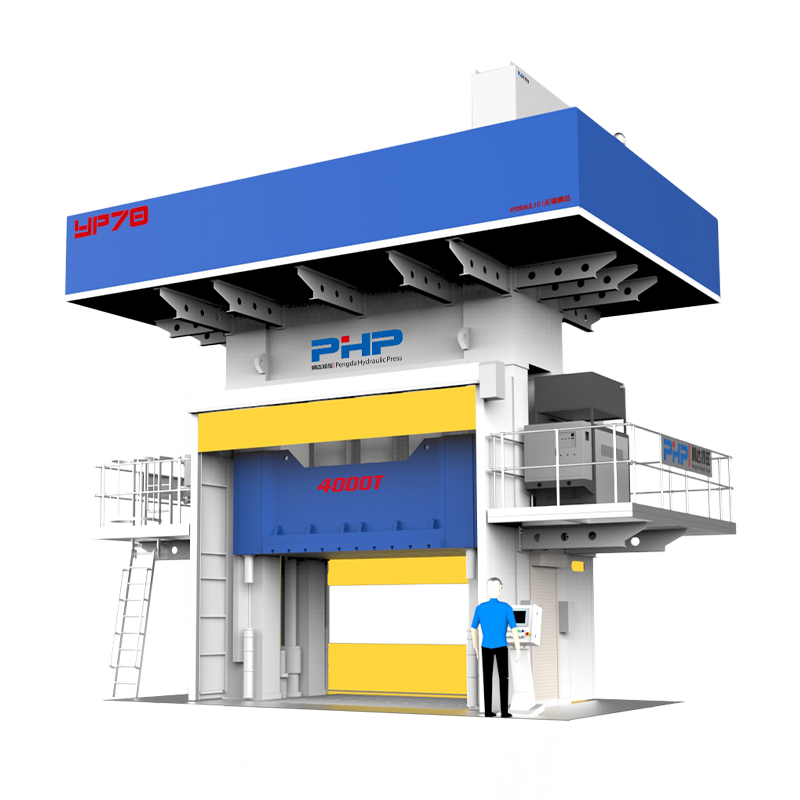
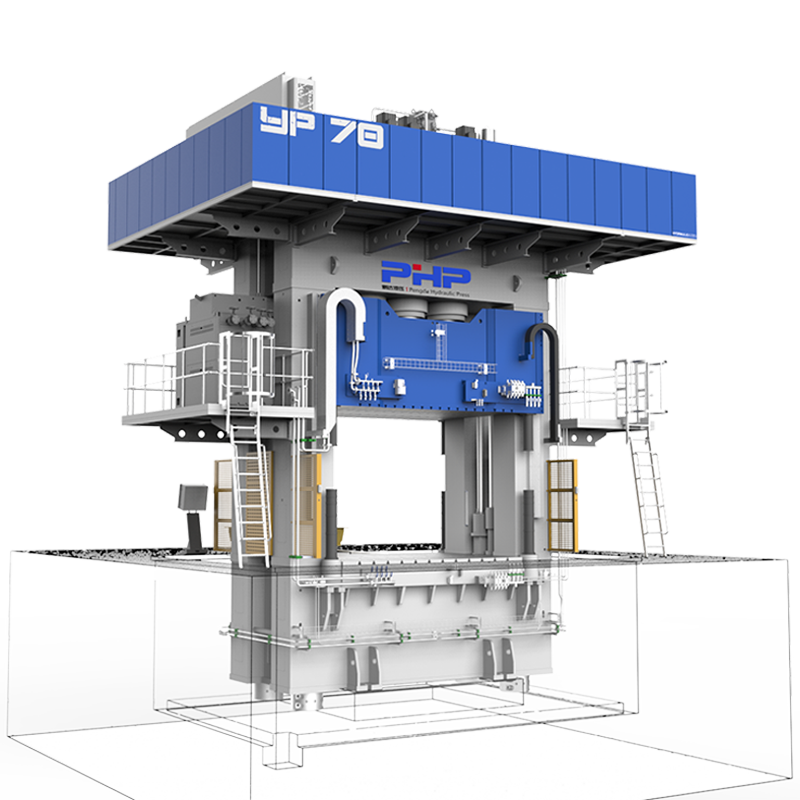
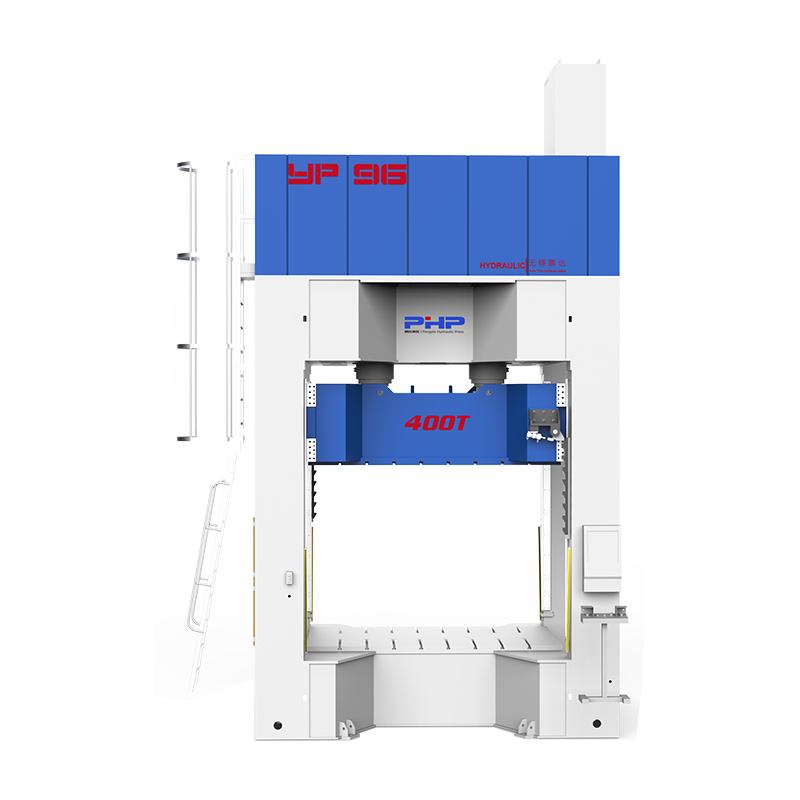
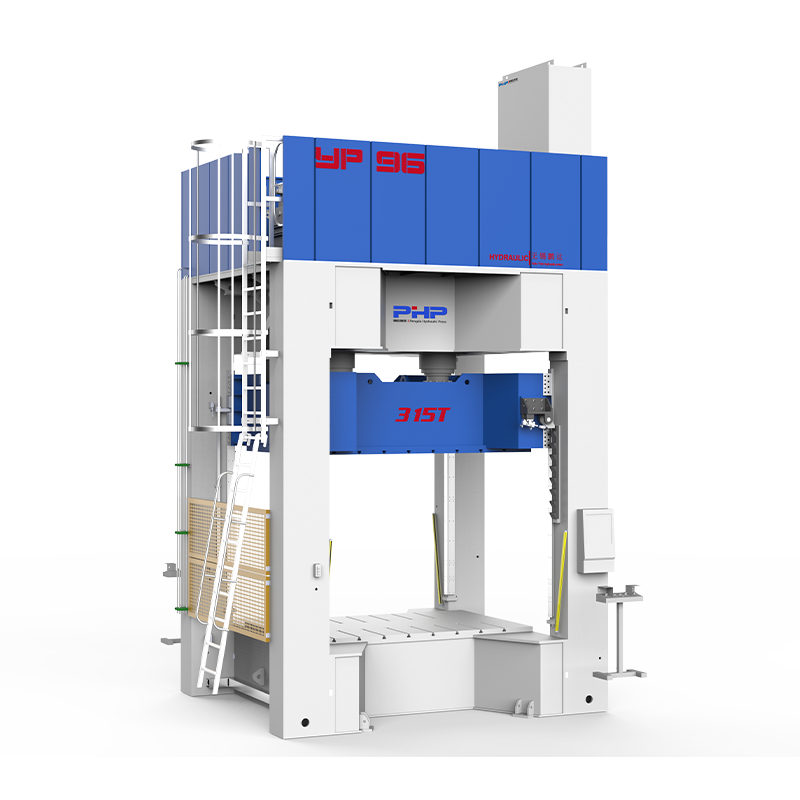
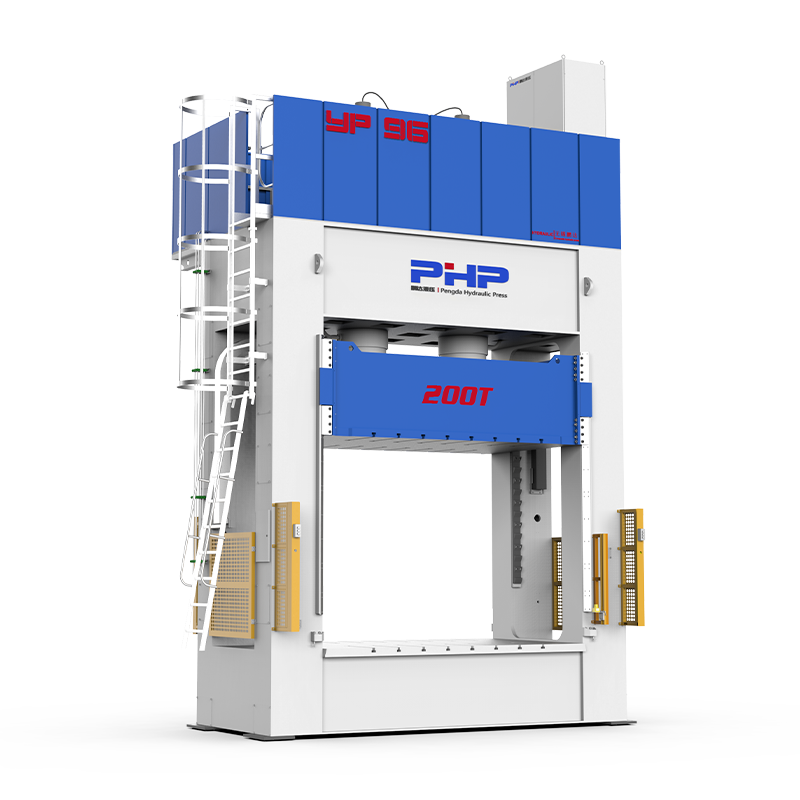
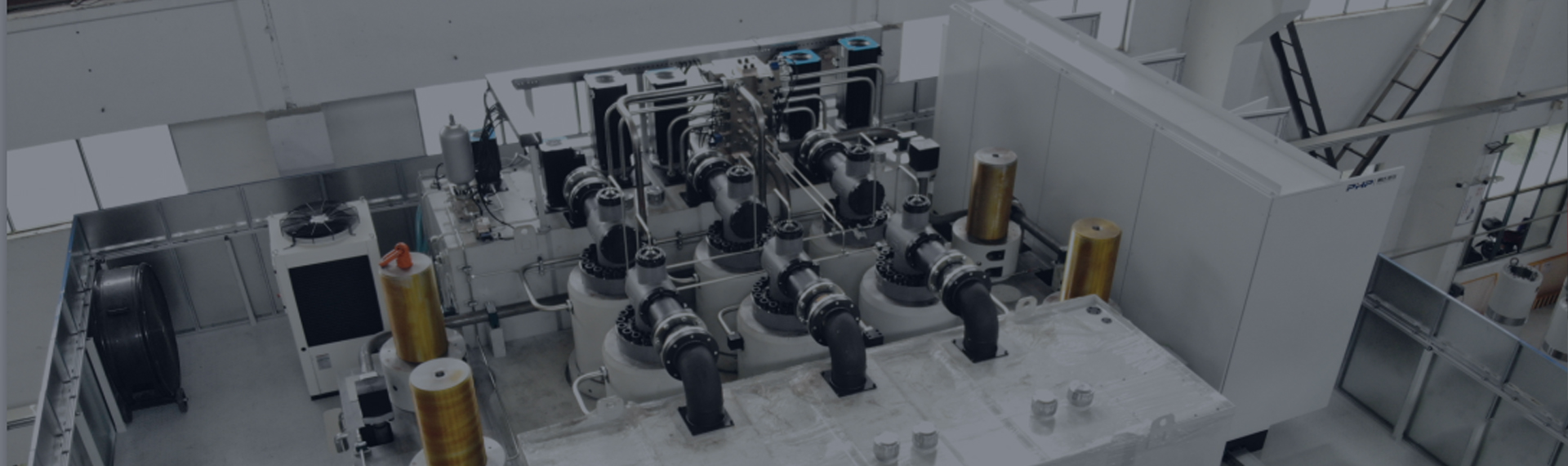
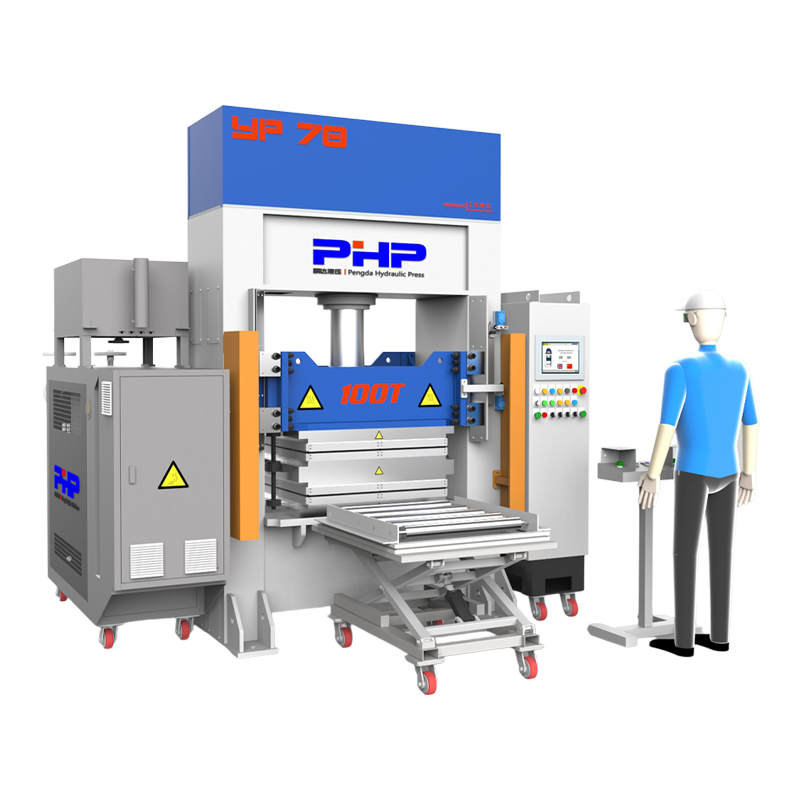

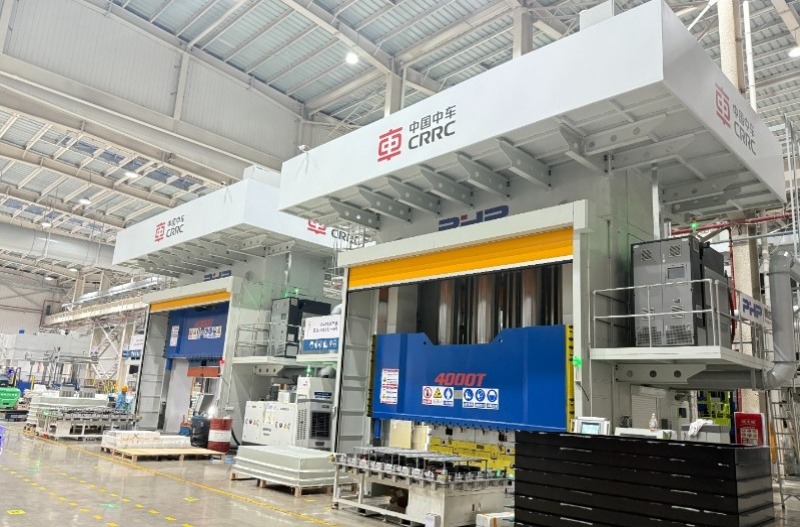
A thermoplastic press is a manufacturing system that uses heat and pressure to shape thermoplastic materials into precise, durable components. Unlike thermosets, thermoplastics can be repeatedly softened and reshaped, making them ideal for high-volume production and recycling. The pressing process is widely used across automotive, aerospace, electronics, and consumer goods industries due to its efficiency, repeatability, and material versatility.
In short: if you need strong, lightweight, and complex plastic parts at scale, thermoplastic pressing is one of the most reliable and cost-effective manufacturing methods available today.
Content
How the Thermoplastic Pressing Process Works
The process follows a structured sequence that ensures material quality and dimensional accuracy at every stage.
Step 1 – Material Preparation
Raw thermoplastic material — whether in sheet, pellet, or composite blank form — is cut or pre-formed to size. For fiber-reinforced thermoplastics, plies are stacked in specific orientations to achieve target mechanical properties.
Step 2 – Heating
The blank is heated to its processing temperature, either inside the press using integrated heating platens or externally using infrared ovens. Uniform heating is critical: uneven temperatures cause warping, incomplete forming, or internal stresses in the final part.
Step 3 – Pressing and Consolidation
The heated material is placed in the press, and controlled pressure is applied. During this phase, the softened polymer flows into the mold geometry or the fiber layers consolidate, eliminating voids and bonding plies together. Press forces can range from a few tons for small components to hundreds of tons for large structural panels.
Step 4 – Cooling and Demolding
While under pressure, the tool or press platens are cooled, locking the material into its final shape. Controlled cooling rates help minimize residual stress and warpage. Once sufficiently cooled, the part is removed and trimmed if necessary.
Common Thermoplastic Materials Used in Pressing
Material selection significantly affects process parameters, final part performance, and cost. The following table summarizes widely used thermoplastics and their typical applications in press forming:
| Material | Processing Temp Range | Key Properties | Typical Applications |
| Polypropylene (PP) | 170–230°C | Lightweight, chemical resistant | Automotive panels, packaging |
| Polyamide (PA / Nylon) | 230–290°C | High strength, wear resistance | Structural brackets, gears |
| PEEK | 360–400°C | High-temp, high-strength | Aerospace, medical devices |
| PPS | 300–370°C | Chemical resistance, rigidity | Electronics, under-hood parts |
| LLDPE / HDPE | 140–200°C | Flexible, impact resistant | Tanks, liners, containers |
High-performance materials like PEEK and PPS require specialized press equipment capable of sustaining elevated temperatures and precise pressure control, while commodity polymers like PP are more forgiving and suitable for large-volume, lower-cost production.
Thermoplastic Composites in Press Forming
One of the most significant growth areas for thermoplastic presses is the processing of continuous fiber-reinforced thermoplastic composites (CFRTPs). These materials combine thermoplastic matrices — such as PA, PP, or PEEK — with carbon fiber, glass fiber, or aramid reinforcements to achieve exceptional strength-to-weight ratios.
Compared to traditional thermoset composites, CFRTPs offer several processing advantages:
- Much shorter cycle times — press consolidation can be completed in under a few minutes rather than hours in an oven
- No need for chemical curing agents or lengthy post-cure steps
- Recyclability — scrap and end-of-life parts can be remelted and reprocessed
- Better suitability for high-volume automated production lines
These advantages have driven adoption in the automotive industry, where manufacturers use CFRTP press-formed components for seat structures, floor panels, and door modules to reduce vehicle weight without sacrificing crash performance.
Key Process Parameters and Quality Control
Achieving consistent part quality requires precise control over several interdependent parameters. Any deviation can lead to defects such as voids, delamination, warping, or incomplete consolidation.
Temperature
Both the material and tooling temperatures must be carefully managed. If the material is too cool, it will not flow or consolidate properly. If it is overheated, thermal degradation occurs, weakening the final part. Infrared sensors and thermocouple feedback loops are commonly used for real-time monitoring.
Pressure and Dwell Time
Insufficient pressure leads to incomplete void closure, while excessive pressure can cause material squeeze-out or fiber misalignment in composite parts. Dwell time — the period during which full pressure is maintained — must be long enough to allow full consolidation before cooling begins.
Cooling Rate
Rapid cooling increases production throughput but can introduce residual stresses and dimensional distortion, especially in thick or asymmetric parts. Semi-crystalline polymers like PA and PEEK are particularly sensitive to cooling rate, as it affects their degree of crystallinity and therefore their mechanical properties.
Tooling Surface Quality
Mold surface finish directly affects part surface quality and demolding ease. Polished or coated tool surfaces reduce adhesion, improve surface aesthetics, and extend tooling life — particularly important when producing visible structural or cosmetic components.
Industrial Applications of Thermoplastic Presses
Thermoplastic pressing serves a diverse range of industries, each with distinct material and performance requirements:
- Automotive: Structural underbody panels, seat frames, bumper reinforcements, and battery enclosures for electric vehicles
- Aerospace: Interior cabin panels, secondary structural brackets, and overhead bin components where weight reduction is critical
- Electronics: Housings, insulation plates, and connector brackets requiring dimensional precision and thermal stability
- Construction: Composite boards, façade cladding, and insulation panels produced by continuous press lamination
- Sports and leisure: Protective equipment, helmet shells, and equipment frames where high impact resistance and light weight are both required
The automotive and aerospace sectors are leading adopters of advanced thermoplastic press processes, driven by regulatory pressure to reduce vehicle emissions and structural weight. A typical mid-size car platform today may include dozens of press-formed thermoplastic components that collectively reduce body weight compared to equivalent metal assemblies.


