English
 中文简体
中文简体 Español
 Português
 Deutsch
 русский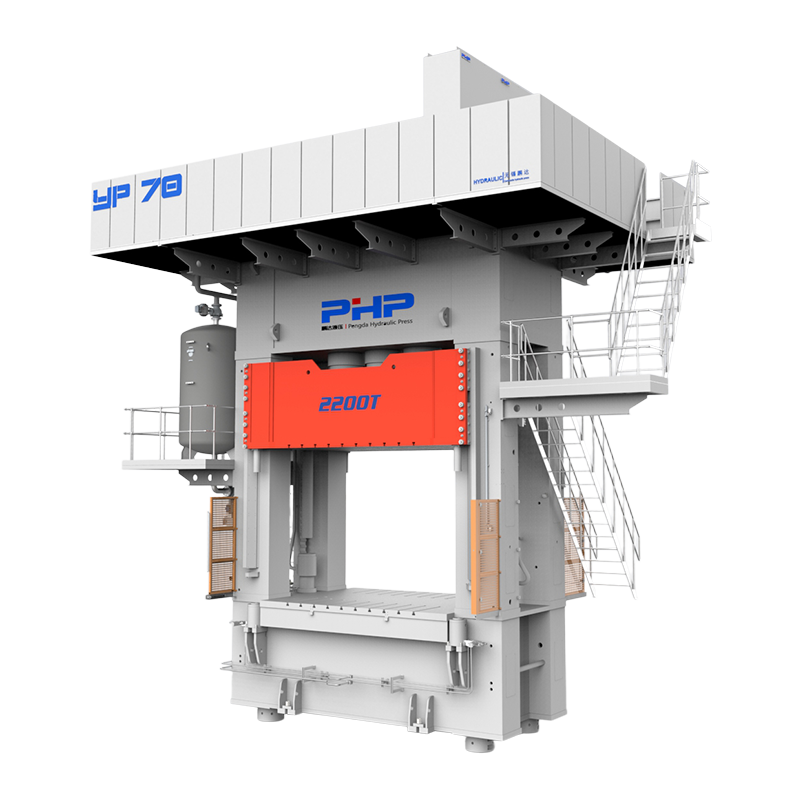
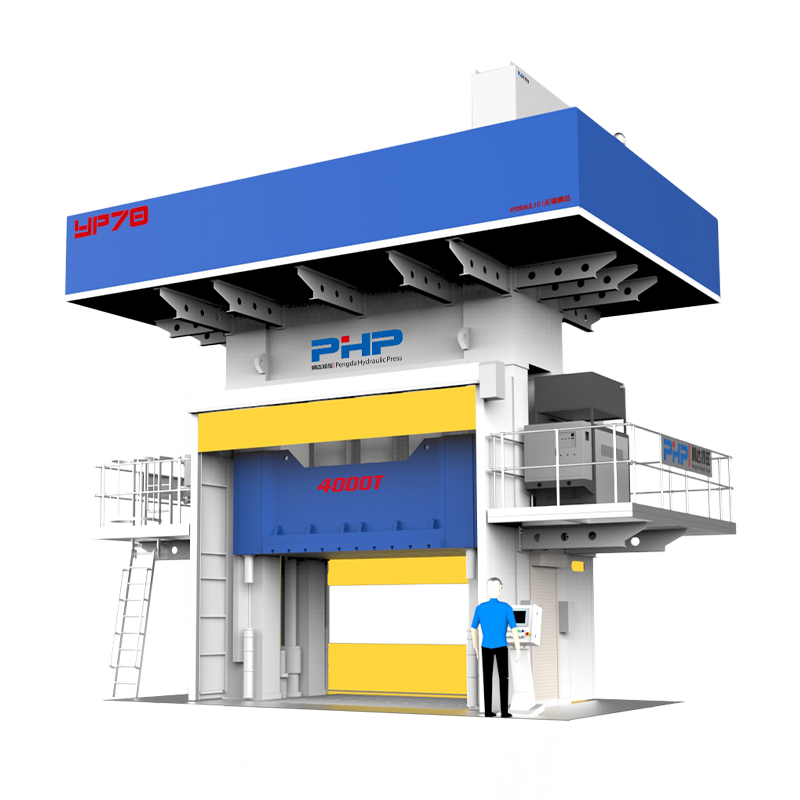
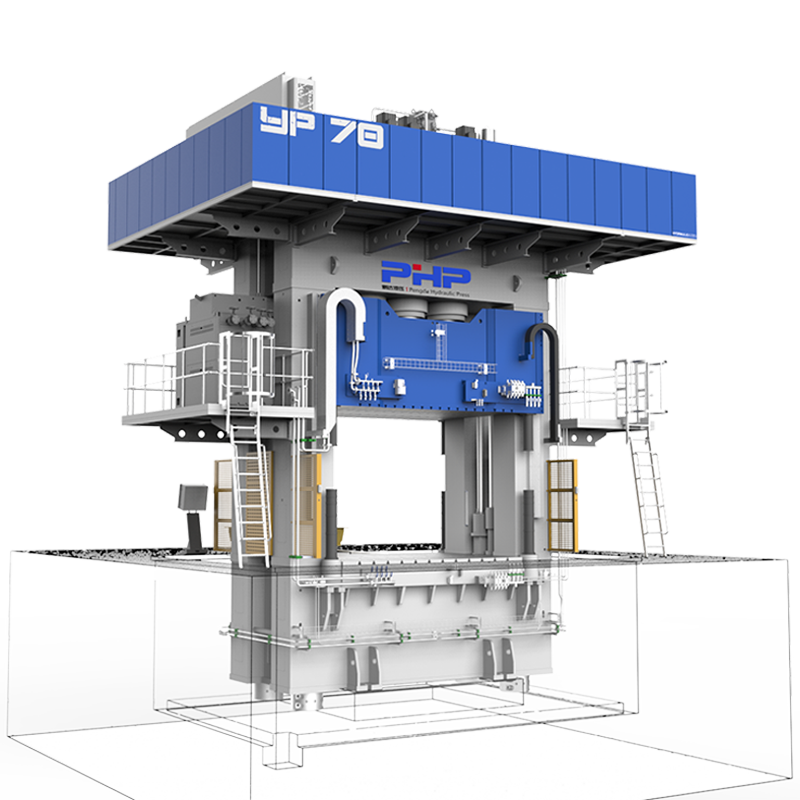
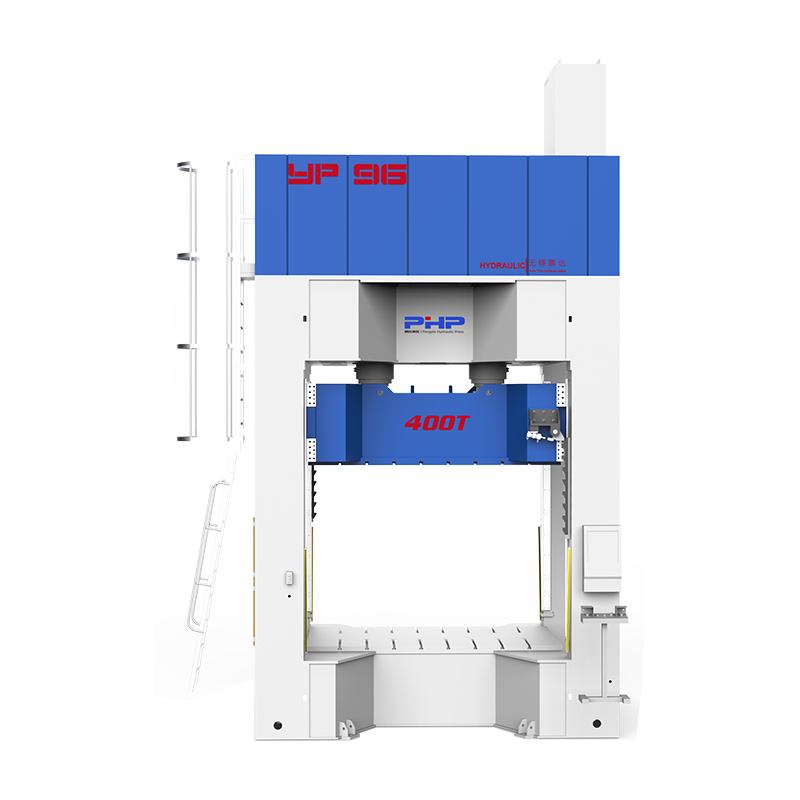
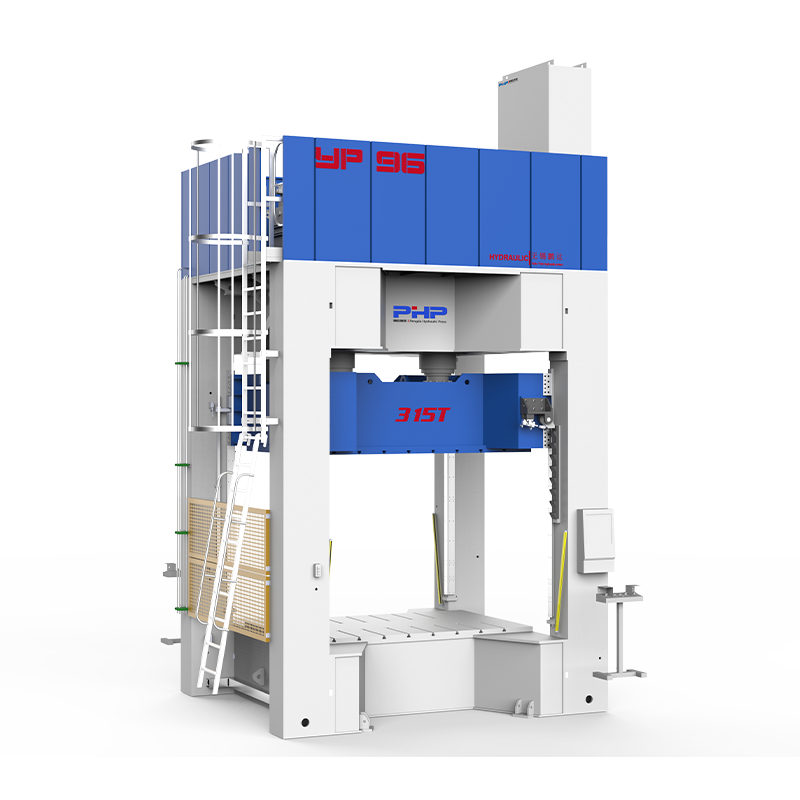
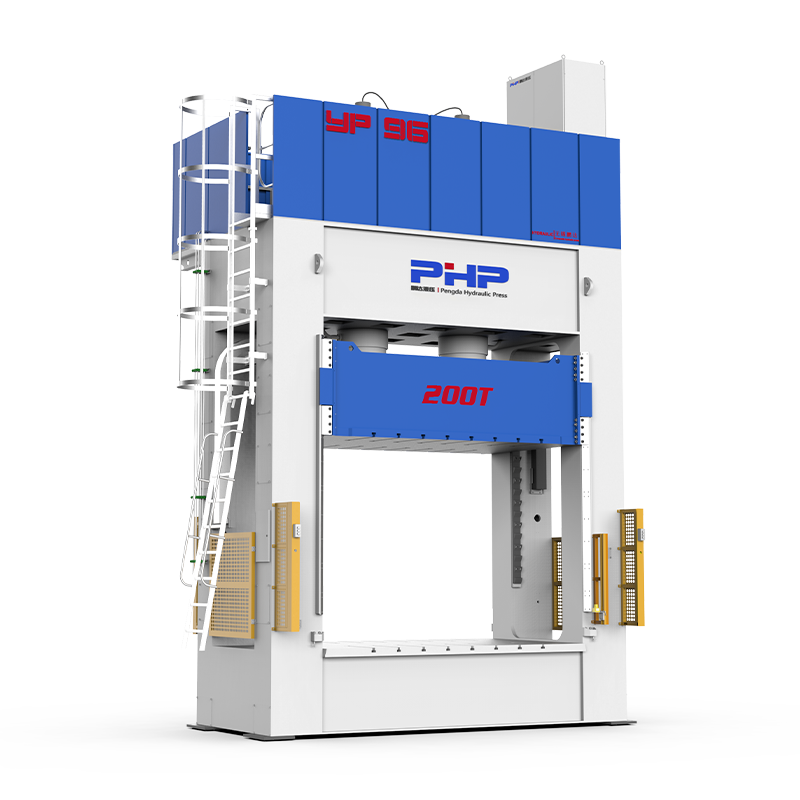
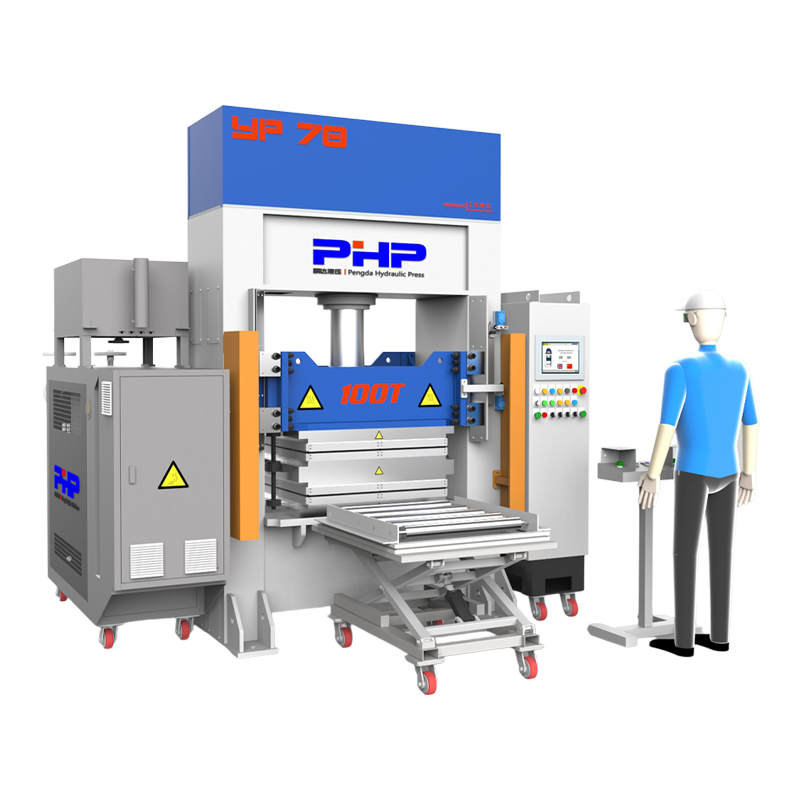

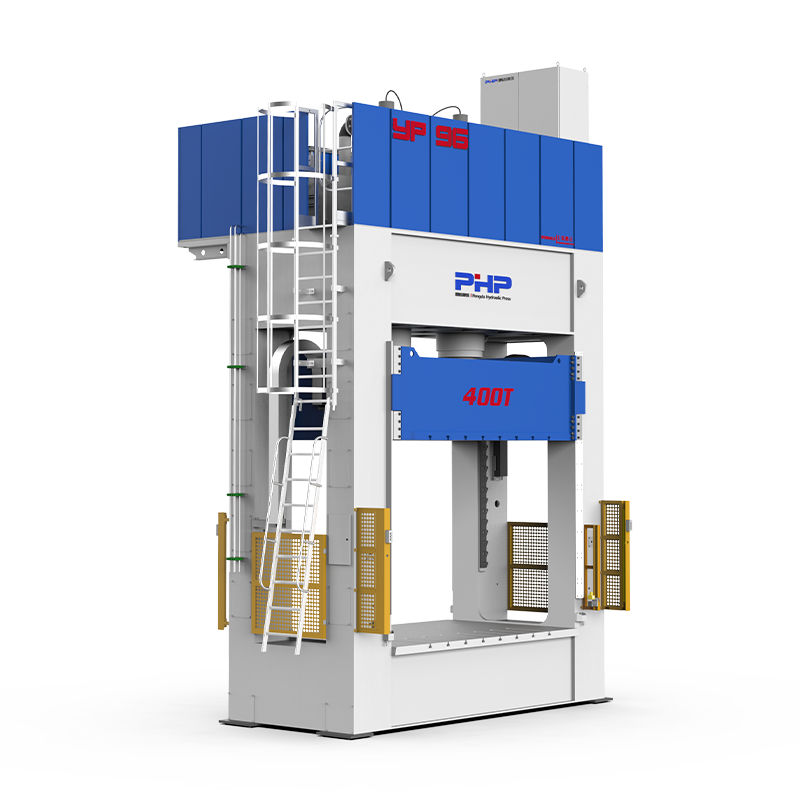
The servo auto trim hydraulic press represents a significant leap forward in industrial manufacturing technology. By combining the immense power of hydraulic systems with the pinpoint accuracy of servo motor control, this machinery offers the most efficient solution for material trimming processes. Unlike conventional presses that rely on mechanical linkages or standard hydraulic valves, the servo-driven approach provides unmatched control over position, speed, and force, ensuring that every finished product meets rigorous quality standards while minimizing energy waste.
For industries ranging from automotive components to kitchenware manufacturing, adopting this technology is not merely an upgrade but a strategic move towards higher productivity and lower operational costs. The integration of automated trimming features further eliminates the inconsistencies of manual labor, streamlining the production line into a seamless, high-output operation. Ultimately, this equipment stands as the optimal choice for manufacturers prioritizing precision, safety, and sustainability.
Content
Understanding the Core Mechanism
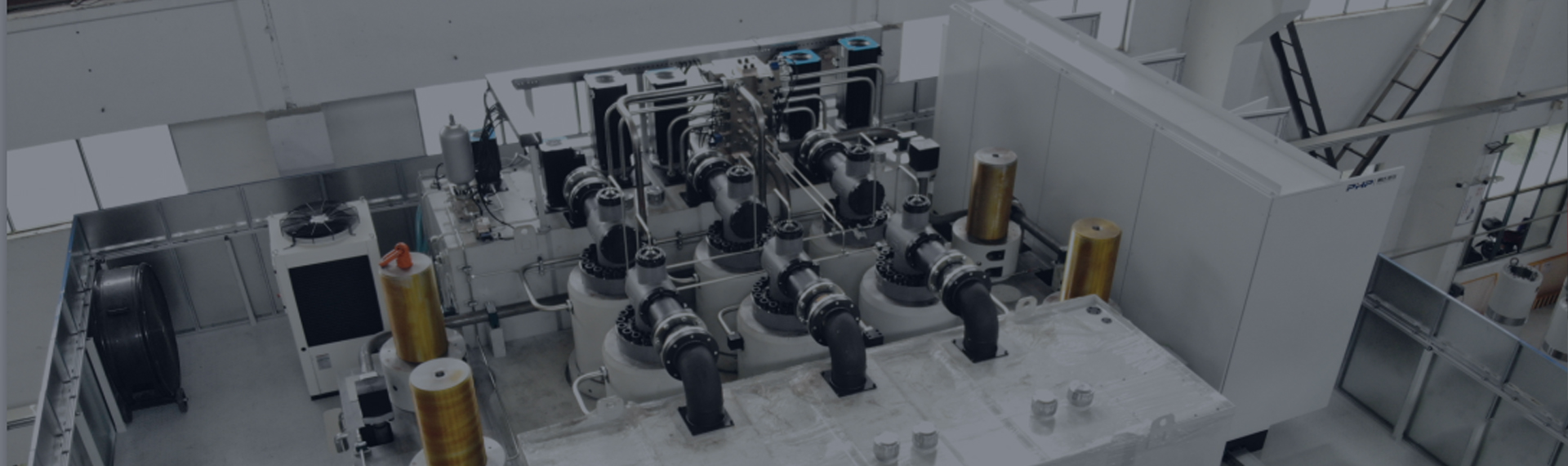
To fully appreciate the capabilities of a servo auto trim hydraulic press, one must first understand the synergy between its two primary components: the servo motor and the hydraulic system. Traditional hydraulic presses use a constant-speed electric motor to drive a pump, which continuously circulates hydraulic fluid, often wasting energy during idle moments. In contrast, a servo-driven system utilizes a specialized motor to drive the pump precisely and only when pressure or movement is required.
The Role of Servo Control
The servo motor acts as the "brain" of the operation. It can vary its speed and torque instantly based on the demands of the work cycle. When the press approaches the material, the servo motor accelerates the pump to deliver high flow for rapid approach. As the trimming tool contacts the workpiece, the motor adjusts to provide high pressure at a slower speed, ensuring a clean cut without shock. Once the cycle is complete, the motor can stop completely, holding the position without consuming power. This ability to precisely control flow and pressure results in a dramatic reduction in energy consumption compared to standard asynchronous motors.
Hydraulic Power and Force
While the servo motor provides control, the hydraulic cylinder provides the raw force necessary for trimming. Hydraulic systems are renowned for their ability to generate tremendous tonnage in a relatively compact frame. In a trimming application, this force must be applied evenly and steadily to shear excess material—such as flash from die-casting or seams from molding—without damaging the final product. The servo control ensures that this hydraulic force is delivered smoothly, reducing the impact stress that often leads to premature machine failure in uncontrolled systems.
The Critical Importance of Precision Trimming
Trimming is a finishing process that dictates the final quality of a manufactured part. Whether dealing with aluminum alloy wheels, zinc die-castings, or rubber seals, the removal of excess material (flash or sprues) must be executed with surgical precision. Inadequate trimming can leave behind unsightly remnants that affect the product's aesthetics and function, while overly aggressive cutting can damage the structural integrity of the part.
A servo auto trim hydraulic press addresses these challenges through programmable motion profiles. The operator can set specific parameters for different materials and shapes. For example, when trimming fragile castings, the press can employ a "gentle touch" approach, slowing down just before contact to prevent cracking. For tougher materials, it can apply full force rapidly. This versatility ensures that the trimming process is optimized for each specific SKU, maintaining a consistent quality level across thousands of units, which is often impossible to achieve with manual cutting or mechanical toggle presses.
Advantages Over Traditional Hydraulic Presses
The shift towards servo technology is driven by clear operational advantages. When comparing a servo auto trim hydraulic press to a conventional hydraulic press, the differences in performance and efficiency are substantial.
| Feature | Servo Hydraulic Press | Traditional Hydraulic Press |
|---|---|---|
| Energy Efficiency | High (Motor stops when idle) | Low (Motor runs continuously) |
| Speed Control | Fully programmable and variable | Fixed or limited adjustment |
| Noise Level | Quiet during standby | Constant pump noise |
| Positioning Accuracy | Micron-level precision | Relies on limit switches |
| Oil Temperature | Lower heat generation | Requires extensive cooling |
Energy Savings and Environmental Impact
One of the most compelling arguments for the adoption of servo auto trim technology is energy efficiency. In a typical trimming cycle, the actual cutting phase takes only a fraction of the total time. The rest of the cycle involves loading, unloading, and positioning. In a traditional press, the motor runs at full speed throughout this entire period, consuming electricity and generating heat. A servo press, however, consumes energy primarily during the pressurizing phase. During the standby and positioning phases, the energy draw drops significantly. This can lead to energy savings often exceeding 40% depending on the specific duty cycle, resulting in lower electricity bills and a reduced carbon footprint for the facility.
Reduced Noise and Improved Workplace Environment
Industrial noise is a major concern for worker safety and comfort. The constant hum of a traditional hydraulic pump can contribute to a noisy factory floor. Because the servo motor only runs when necessary, the noise level during idle periods is virtually eliminated. This creates a quieter working environment, which helps reduce worker fatigue and improves communication on the production line. Furthermore, less oil circulation means less heat generation, reducing the reliance on large oil cooling systems and minimizing the risk of hydraulic oil leakage due to overheated seals.
Automation Integration and Smart Features
The "Auto" in "Auto Trim" refers to the machine's ability to function with minimal manual intervention. These presses are designed to be the centerpiece of an automated production cell. They can be easily integrated with conveyors, vibrating feeders, and robotic arms. The servo system's digital interface allows for seamless communication with external automation controllers.
- Recipe Management: Operators can store hundreds of different trimming programs in the machine's memory. Switching between different product lines takes moments rather than hours, as the servo motor automatically adjusts to the pre-set speed and force parameters.
- Real-time Monitoring: Modern servo controllers provide data feedback on every cycle. They can track the number of parts produced, monitor energy usage, and even detect if a trimming operation was incomplete due to a dull blade or insufficient force.
- Safety Interlocks: The precision of servo control allows for advanced safety logic. The press can detect obstructions in the die area and halt operation instantly, preventing damage to the tooling or the robotic handling equipment.
Diverse Industrial Applications
The versatility of the servo auto trim hydraulic press makes it suitable for a wide array of industrial sectors. It is particularly valuable in industries where high-volume production meets strict quality requirements.
- Automotive Die-Casting: After die-casting, parts like engine blocks, gearboxes, and structural components have excess material (runners and flash). The servo press trims these with high precision, ensuring flat mating surfaces without warping the casting.
- Kitchenware and Cookware: Aluminum pressure cookers and pans require clean edges for safety and aesthetic reasons. The controlled speed of the servo press prevents the deformation of thin-walled vessels during the trimming of the rim.
- Hardware and Lock Manufacturing: Small zinc alloy components used in locks and handles often have micro-flash that must be removed. The high-speed capability of the servo system allows for rapid cycling, maximizing throughput for small parts.
- Grinding Wheel Manufacturing: In the production of abrasives, the press is used to trim the periphery of grinding wheels. The servo control ensures the density and shape remain uniform during the finishing process.
Maintenance and Longevity Considerations
Investing in a servo auto trim hydraulic press also translates to better long-term maintenance metrics. Because the system does not run continuously, the wear and tear on the hydraulic pump, seals, and valves are significantly reduced. The hydraulic oil maintains a more stable temperature, which preserves its viscosity and lubricating properties for longer periods. This means fewer oil changes and less downtime for maintenance.
Additionally, the "soft landing" capability—the ability to approach the workpiece slowly before applying full force—dramatically extends the life of the trimming dies. In mechanical presses, the impact upon contact can cause chipping or cracking of the cutting edges. The servo hydraulic press eliminates this shock load, reducing tooling costs over the lifespan of the machine. This predictable performance ensures that manufacturers can rely on the equipment for consistent output over many years, maximizing the return on investment.
Selecting the Right Equipment for Your Needs
When choosing a servo auto trim hydraulic press, several factors must be weighed to ensure the machine fits the specific production requirements. The tonnage capacity is the primary consideration; it must be sufficient to shear the specific material being processed. However, other "soft" specifications are equally important. The stroke length and daylight (the open height of the machine) must accommodate the size of the parts and the automation equipment used for loading and unloading.
Buyers should also evaluate the control system interface. A user-friendly Human-Machine Interface (HMI) allows operators to adjust parameters quickly and troubleshoot issues without requiring specialized programming knowledge. Furthermore, checking the compatibility of the machine with industry-standard communication protocols is essential for future-proofing the production line against evolving automation technologies. By focusing on these functional aspects rather than just the price, manufacturers can secure a piece of equipment that drives value for years to come.