English
 中文简体
中文简体 Español
 Português
 Deutsch
 русский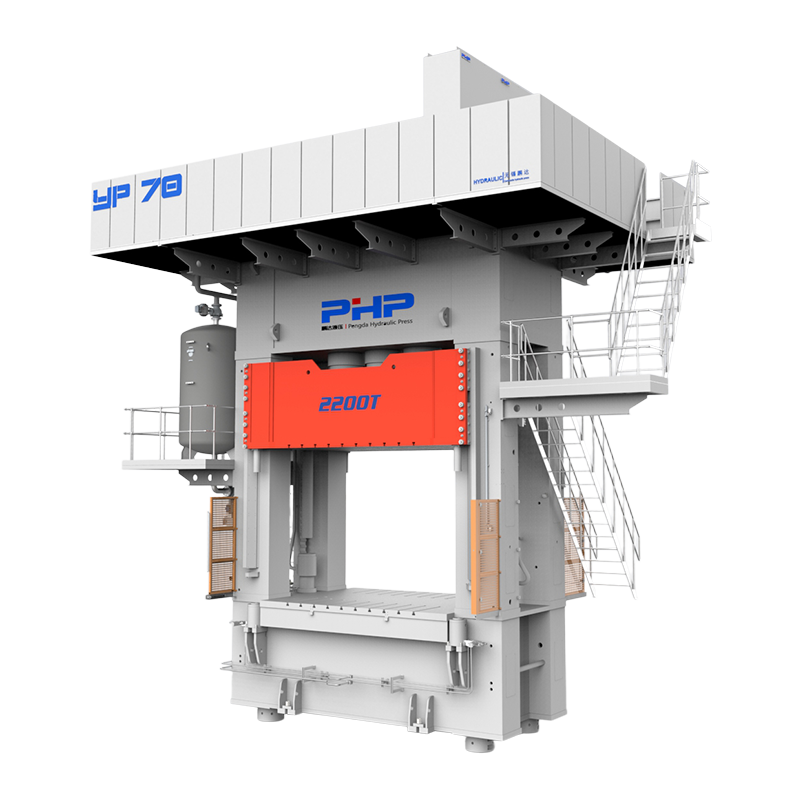
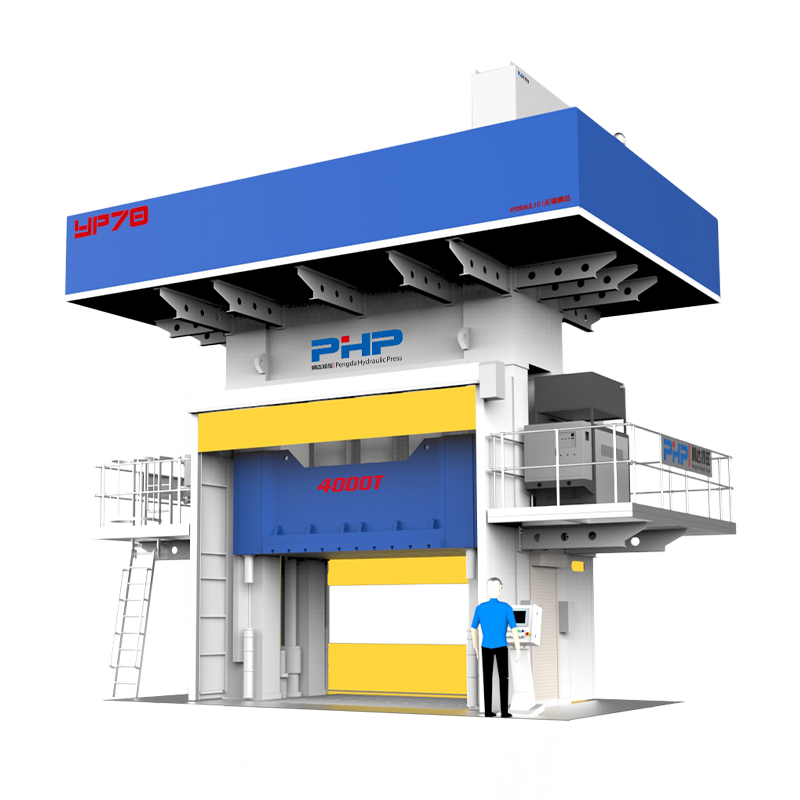
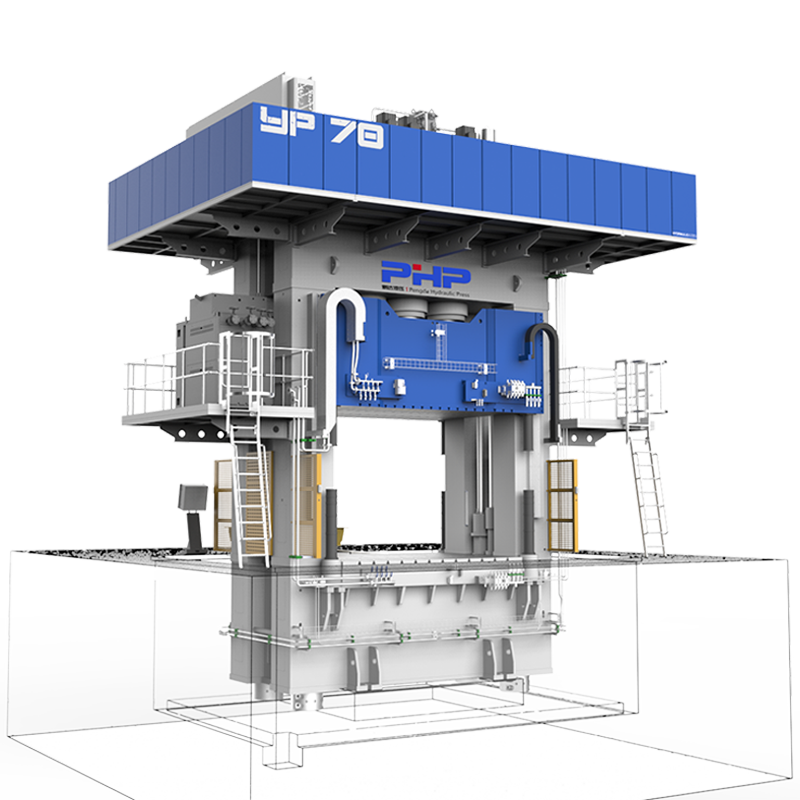
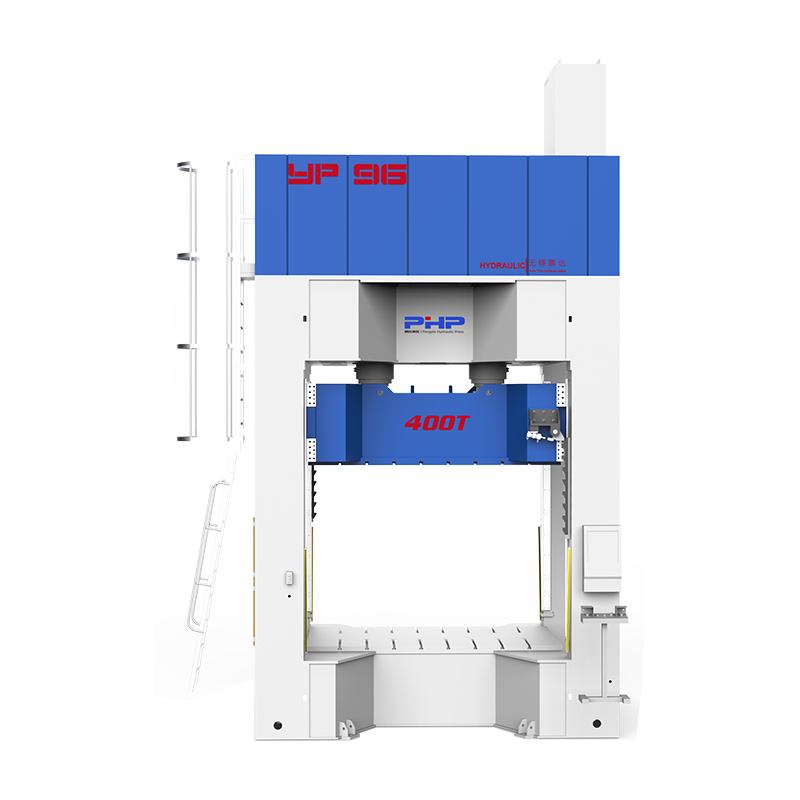
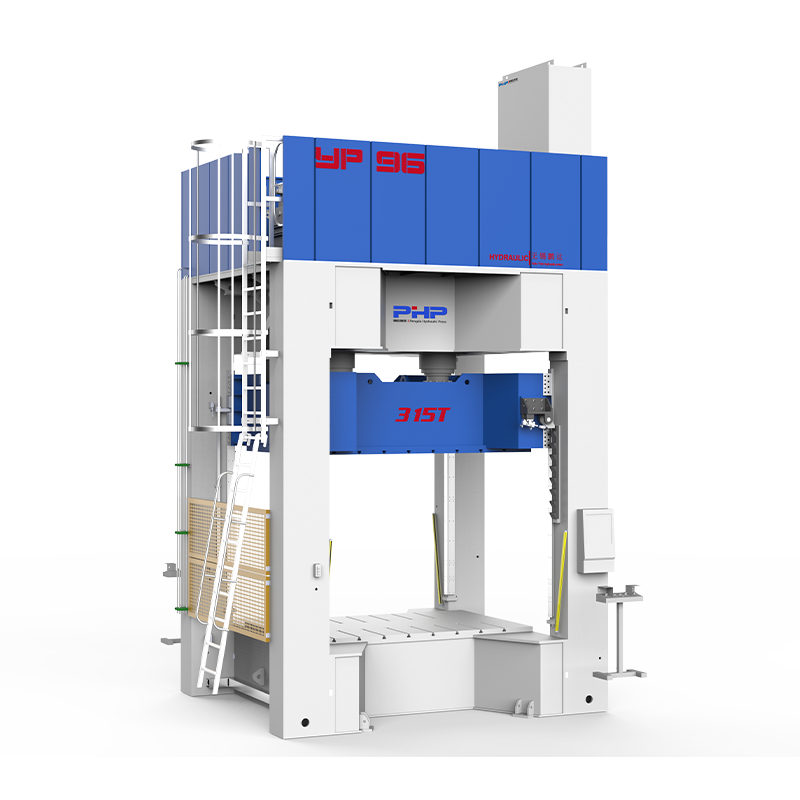
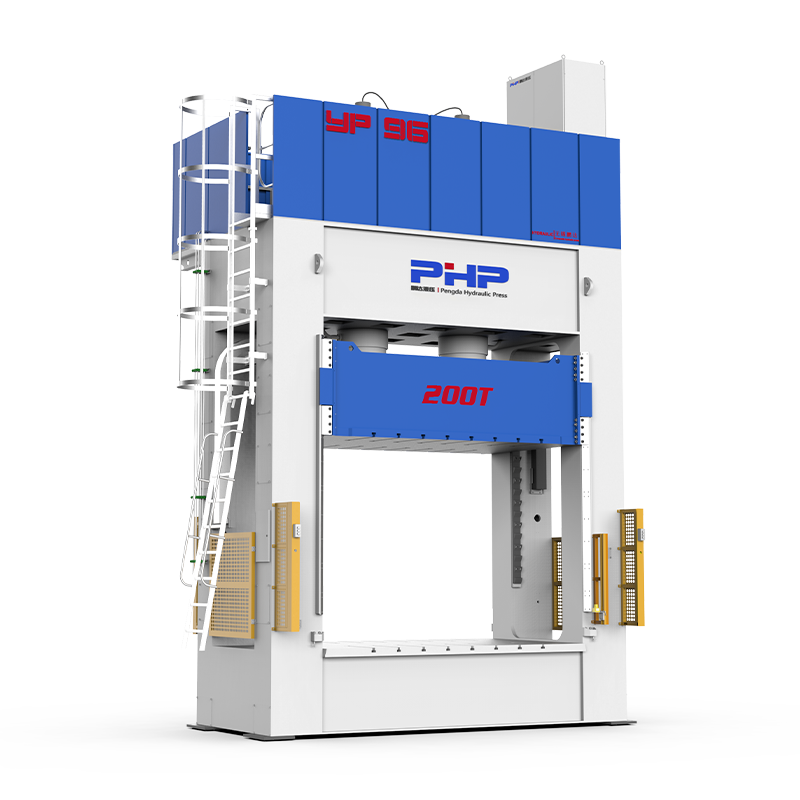

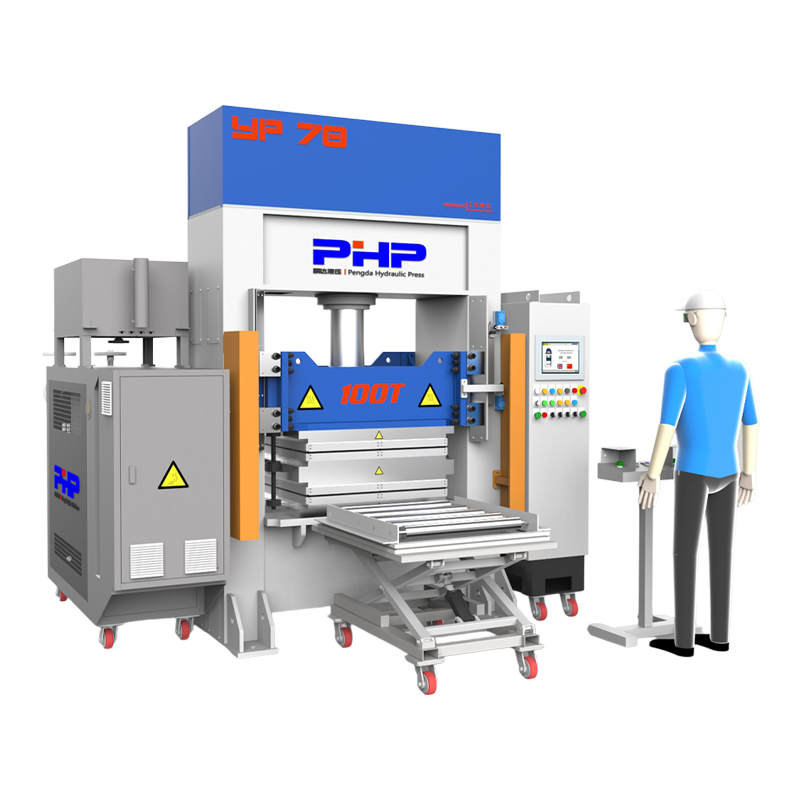
Sheet Molding Compound (SMC) has become an important composite material for automotive manufacturers seeking lightweight construction, corrosion resistance, part integration, and repeatable high-volume production. However, successful automotive SMC manufacturing depends on much more than placing material into a heated mold. Material condition, charge design, mold temperature, press closing profile, molding pressure, cure time, tooling accuracy, and quality control all work together as one production system.
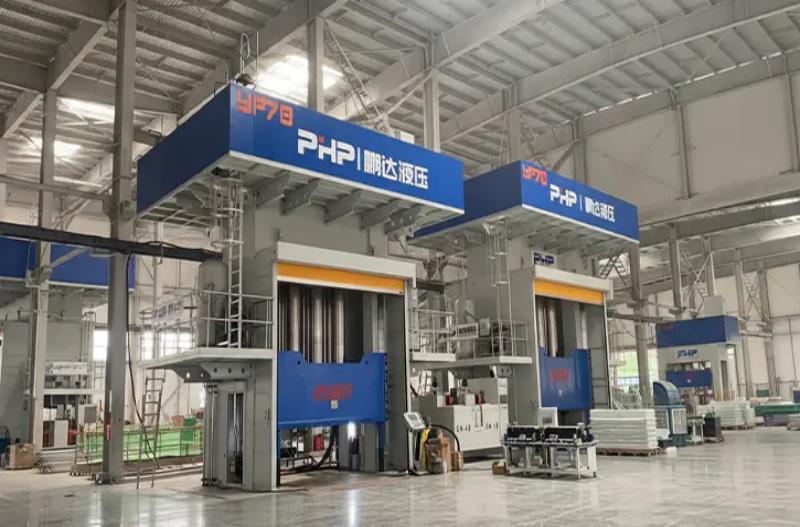
For automotive OEMs, Tier-1 suppliers, and composite molding companies, understanding the complete SMC automotive parts manufacturing process is essential when planning a new production line or selecting a hydraulic press. This guide explains the process from material preparation to finished-part inspection, with particular attention to the press and molding parameters that influence quality, cycle time, and production consistency.
Content
- 1 1. From SMC Sheet to Finished Automotive Part: The Complete Manufacturing Process
- 2 2. Automotive SMC Materials and Their Influence on Molding
- 3 3. Compression Molding Parameters and Cycle Time Optimization
- 4 4. Mold and Press Design for Automotive SMC Parts
- 5 5. Quality Control, Defects and Automotive Qualification
- 6 Advantages and Limitations of SMC for Automotive Manufacturing
- 7 Planning an Automotive SMC Production Line?
- 8 Frequently Asked Questions
- 8.1 What materials are normally used in automotive SMC?
- 8.2 What temperature and pressure are used for automotive SMC compression molding?
- 8.3 How do you calculate the hydraulic press tonnage required for an SMC automotive part?
- 8.4 What press parameters have the greatest influence on SMC quality?
- 8.5 How can manufacturers reduce SMC automotive part cycle time?
- 8.6 What are the most common SMC molding defects?
- 8.7 What quality requirements apply to automotive SMC components?
- 8.8 Can SMC production scrap be recycled?
1. From SMC Sheet to Finished Automotive Part: The Complete Manufacturing Process
Automotive SMC generally arrives at the molding plant as matured sheet material protected by carrier films. Unlike injection molding, where pellets are melted and injected through a runner system, SMC compression molding begins with a predetermined quantity and arrangement of sheet material known as the charge.
Material preparation and charge design
The SMC sheet is first conditioned according to the material supplier's recommendations. Operators or automated cutting systems then remove the carrier film, cut the sheets into the required shapes, and weigh them to achieve the specified charge mass.
Charge placement is critical. The material does not always cover the entire mold cavity before pressing. Instead, the charge may occupy only part of the projected cavity area so that the material flows during compression. The optimum coverage depends on part geometry, fiber content, ribs, bosses, wall thickness, surface requirements, and the acceptable direction of fiber flow.
Mold loading and press closing
The prepared charge is placed in the heated lower mold. Depending on production volume, loading can be manual or performed by robots and automated handling systems.
The press then follows a controlled closing profile rather than simply moving from open to closed at one speed. A practical SMC sequence commonly includes:
- fast approach to reduce non-productive time;
- controlled contact with the SMC charge;
- slow molding closure to control material flow;
- pressure build-up as the cavity approaches final thickness;
- pressure holding while the thermoset resin cures; and
- controlled pressure release followed by mold opening.
This multi-stage motion profile is especially important for large automotive components because uncontrolled closing can move the fibers excessively, trap air, create flash, or produce uneven filling.
Automotive applications
SMC is suitable for both passenger and commercial vehicle components where large-area molding, corrosion resistance, electrical insulation, dimensional stability, or lightweight design is valuable. Typical applications can include exterior body panels, underbody shields, front-end structures, battery covers and enclosures, structural panels, electrical housings, interior supports, and commercial-vehicle body components.
2. Automotive SMC Materials and Their Influence on Molding
SMC is not a single standardized material. Automotive grades can differ considerably in resin chemistry, glass-fiber reinforcement, mineral filler, shrink-control additives, curing system, pigmentation, and other processing additives.
A conventional formulation may use an unsaturated polyester-based thermoset matrix reinforced with chopped glass fiber. Other resin systems may be selected when chemical resistance, temperature performance, flame behavior, electrical properties, or other application-specific requirements become more important.
| Material Variable | Main Function | Effect on Compression Molding |
| Resin system | Forms the thermoset matrix | Influences viscosity, cure temperature, cure rate and final performance |
| Glass-fiber content | Provides reinforcement | Higher reinforcement can increase flow resistance and required molding force |
| Fiber length | Influences mechanical behavior | Affects flow orientation, strength and filling behavior |
| Mineral fillers | Modify cost, shrinkage and dimensional behavior | Influence density, viscosity, surface finish and mold filling |
| Low-profile additives | Control molding shrinkage | Can improve surface quality and dimensional stability |
| Material maturity | Establishes suitable sheet consistency | Directly affects handling, viscosity and flow repeatability |
| Charge temperature | Determines starting processing condition | Can influence initial viscosity and filling behavior |
For this reason, a hydraulic press should not be configured from a generic SMC specification alone. The selected automotive material grade should be evaluated together with mold geometry and production requirements.
3. Compression Molding Parameters and Cycle Time Optimization
The molding stage is where press performance has the greatest influence on automotive SMC production. Temperature, pressure, position, speed and time must remain sufficiently repeatable from cycle to cycle.
Mold temperature
Many conventional SMC systems use heated molds in approximately the 140–160°C range. This should be treated as an engineering starting region rather than a universal specification. The actual setpoint depends on resin chemistry, initiator system, part thickness, flow distance and required surface quality.
Temperature uniformity can be just as important as the average mold temperature. A hotter area may begin curing prematurely while material is still flowing elsewhere, whereas a colder area may require longer cure time or produce incomplete cure.
Molding pressure and press tonnage
Molding pressure also varies significantly. Many conventional SMC components can begin process development within roughly the 3.5–10 MPa region, while difficult filling, highly reinforced materials or complex structural parts may require higher values approaching or exceeding 10–15 MPa.
The required hydraulic press tonnage should therefore be calculated primarily from projected molding area and required cavity pressure:
An engineering margin should then be considered for material variation, uneven loading, flash sensitivity, process development and future production requirements. Selecting an SMC press only from finished-part weight can lead to serious under-sizing.
Cure and pressure-hold time
A pressure-hold or cure period of approximately 60–180 seconds can be a useful preliminary reference for many automotive-type SMC applications, although thicker components and certain formulations can require longer cycles.
Trying to reduce cycle time simply by raising mold temperature is risky. If the surface begins curing before the charge has completely flowed, short shots, weld lines, poor rib filling or surface defects may appear.
Where cycle-time improvements normally come from
- reducing unnecessary press approach and return time;
- optimizing the transition between position control and pressure control;
- improving mold heating uniformity;
- stabilizing charge weight and placement;
- using automated cutting, loading and unloading;
- optimizing the material-specific cure window;
- using parallel trimming or downstream operations; and
- recording cycle curves to identify process variation.
Modern servo-controlled hydraulic presses are particularly useful where multiple speed and pressure stages are required. Closed-loop control allows the machine recipe to define approach speed, contact position, molding speed, pressure ramp, holding pressure, release and return movements independently.
4. Mold and Press Design for Automotive SMC Parts
High-volume automotive molding requires the mold and press to be engineered together. Having sufficient tonnage does not automatically mean a press can operate a particular SMC mold.
Important press-to-mold matching parameters include:
- projected molding area for calculating required force;
- mold dimensions for determining platen size;
- closed mold height for machine daylight selection;
- required opening distance for stroke calculation;
- part extraction requirements for daylight and automation clearance;
- mold weight for platen and structural design;
- heating zones for temperature uniformity; and
- platen parallelism and rigidity for consistent cavity thickness.
For the mold itself, venting must allow trapped gases and air to escape during material flow. Flash lands and overflow areas should be engineered according to material behavior rather than treated as an afterthought. Poor venting can contribute to porosity, burns and incomplete filling, while unsuitable overflow design can increase material waste.
Large automotive molds should also provide stable thermal distribution. Heating-channel or electric-heater layouts should minimize hot and cold zones across wide mold surfaces. Inserts, ejectors and local features must be designed so that they do not interfere with material flow or create uncontrolled fiber orientation.
5. Quality Control, Defects and Automotive Qualification
An automotive SMC production line needs quality control at three levels: incoming material control, molding-process monitoring and finished-part validation.
Process monitoring
Production records may include charge weight, material batch, mold temperature, closing position, molding speed, peak pressure, holding pressure, cure time and total cycle time. Tracking these variables helps manufacturers establish a stable process window and investigate defects using actual machine data instead of operator assumptions.
Typical finished-part inspection
Depending on the component and customer specification, inspection can include visual surface checks, dimensional measurement, CMM inspection, density testing, tensile or flexural testing, impact testing, water absorption evaluation, thermal analysis such as DSC, and selected non-destructive inspection methods for safety-critical structures.
| Common Defect | Possible Causes | Typical Corrective Direction |
| Porosity / voids | Trapped air, poor venting, unsuitable closing profile | Review charge placement, venting and mold-closing speed |
| Short shot | Insufficient charge, poor flow, premature cure or inadequate pressure | Check charge weight, temperature, flow distance and pressure |
| Excessive flash | Excess charge, excessive pressure or tooling condition | Review charge mass, pressure profile and mold condition |
| Warpage | Uneven cure, thermal imbalance or fiber orientation | Review temperature distribution, charge pattern and cooling support |
| Surface waviness | Material flow, shrinkage or temperature variation | Optimize material condition, tooling temperature and flow profile |
| Delamination | Material condition, trapped air or insufficient consolidation | Review material handling, charge layout and molding pressure |
Automotive quality documentation
For OEM and Tier-1 programs, part approval extends beyond a simple dimensional inspection. Depending on the customer and supply-chain level, manufacturers may need to work within an IATF 16949-based quality management system and support requirements such as APQP, PPAP, PFMEA, Control Plans, MSA, SPC, traceability and process-capability studies.
The exact qualification package varies by OEM and customer-specific requirements. Ford, General Motors, Stellantis, BMW, Volkswagen and other automotive manufacturers can maintain their own additional requirements, so the production and inspection plan should be established from the applicable customer specification rather than assuming one universal approval checklist.
Advantages and Limitations of SMC for Automotive Manufacturing
SMC offers several advantages for automotive components. Large and geometrically complex parts can often be compression molded in a single tool, allowing ribs, bosses, mounting features and other functions to be integrated into one component. The material also provides corrosion resistance, electrical insulation and a favorable stiffness-to-weight relationship.
However, SMC is not automatically the lowest-cost solution for every part. High-capacity presses and large heated molds require significant initial investment. Material flow and fiber orientation must be managed carefully, appearance-class surfaces require tighter process control, and thermoset composite recycling remains more complicated than remelting conventional thermoplastics.
The strongest business case normally appears when component integration, corrosion resistance, lightweighting, design freedom and high-volume repeatability justify the tooling and equipment investment.
Planning an Automotive SMC Production Line?
Wuxi PengdaHZ Intelligent Equipment Co., Ltd. develops hydraulic and servo-controlled press solutions for SMC and other composite compression-molding applications.
For a new automotive SMC project, provide the part drawing, projected molding area, SMC material grade, mold dimensions, mold weight, target cycle time, annual production volume, required heating method and automation requirements.
These inputs can be used to evaluate suitable press tonnage, platen dimensions, daylight, stroke, mold-heating configuration, pressure and position control, loading/unloading automation, and overall production-line configuration.
Contact Wuxi PengdaHZ to discuss your SMC press or automated composite molding line requirements.
Frequently Asked Questions
What materials are normally used in automotive SMC?
Automotive SMC commonly consists of a thermosetting resin system, chopped glass-fiber reinforcement, mineral fillers, shrink-control additives, curing agents and processing additives. The exact formulation depends on structural, surface, thermal, electrical and chemical-resistance requirements.
What temperature and pressure are used for automotive SMC compression molding?
Many conventional SMC materials use mold temperatures around 140–160°C. Preliminary molding pressures may commonly fall within roughly 3.5–10 MPa, while difficult structural parts can require higher pressure. The final parameters should always be based on the selected material supplier's recommendations and validated by mold trials.
How do you calculate the hydraulic press tonnage required for an SMC automotive part?
A preliminary calculation multiplies the projected molding area by the required cavity pressure. An appropriate engineering margin is then added according to mold design, material variation, cavity loading and production requirements.
What press parameters have the greatest influence on SMC quality?
Important variables include mold-closing speed, position-to-pressure transition, molding pressure, pressure stability, cure time, mold-temperature uniformity, platen parallelism and repeatability between molding cycles.
How can manufacturers reduce SMC automotive part cycle time?
Cycle time can be reduced by shortening non-productive press movements, optimizing the material-specific cure window, improving mold heating, automating charge preparation and handling, stabilizing charge placement, and moving trimming or secondary operations outside the molding station where practical.
What are the most common SMC molding defects?
Common problems include porosity, short shots, excessive flash, surface waviness, warpage and delamination. Diagnosis should consider material condition, charge design, mold temperature, venting, press closing speed, pressure history and cure conditions together.
What quality requirements apply to automotive SMC components?
Requirements depend on the OEM, Tier-1 customer and component. Automotive programs may involve IATF 16949 quality systems together with APQP, PPAP, PFMEA, Control Plans, MSA, SPC, traceability, capability studies and customer-specific product testing.
Can SMC production scrap be recycled?
SMC is a thermoset composite, so cured scrap cannot simply be melted and remolded like a thermoplastic. Depending on the material and regional waste infrastructure, options can include mechanical size reduction and reuse as filler, cement-industry recovery, specialized composite recycling processes, or other approved waste-management routes. Manufacturers should evaluate the route according to local regulations and customer sustainability requirements.