English
 中文简体
中文简体 Español
 Português
 Deutsch
 русский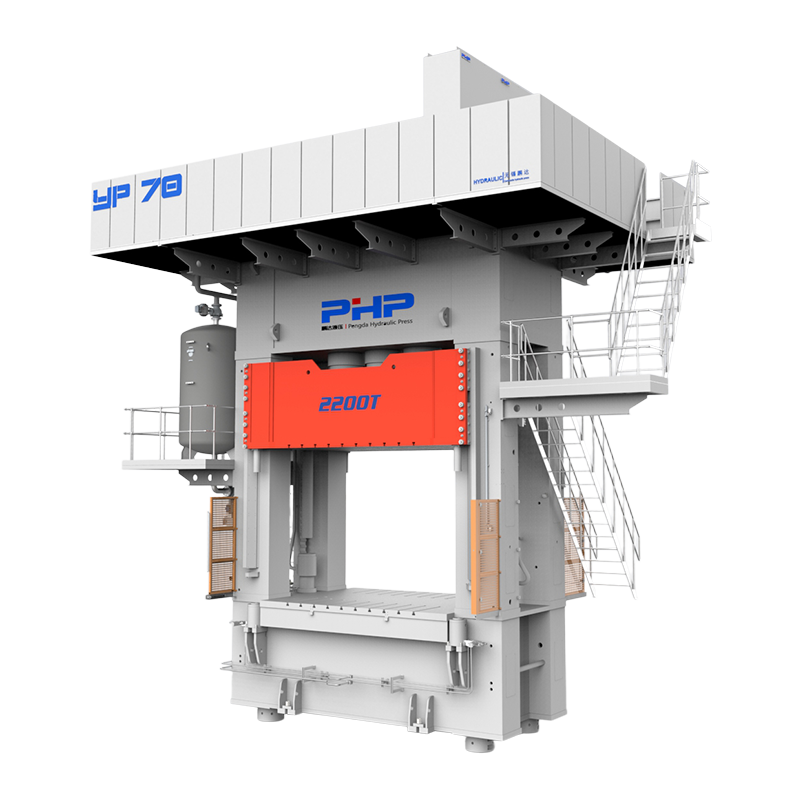
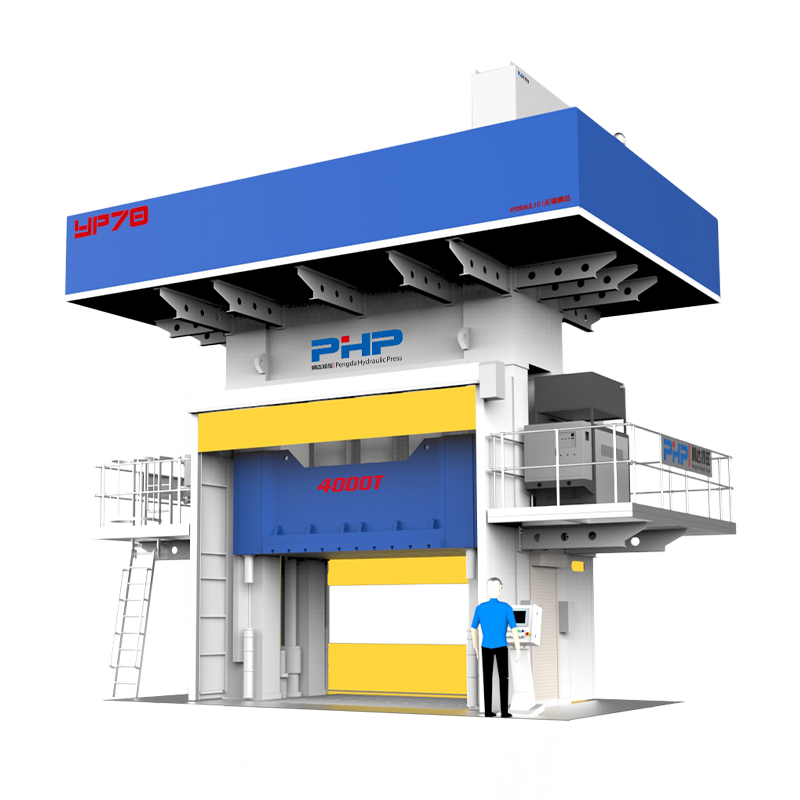
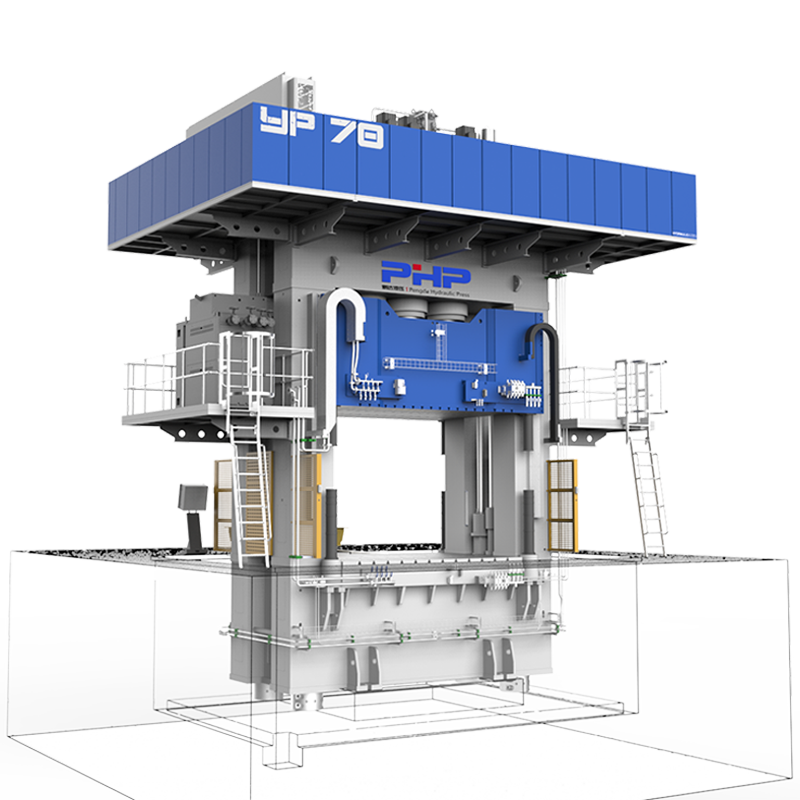
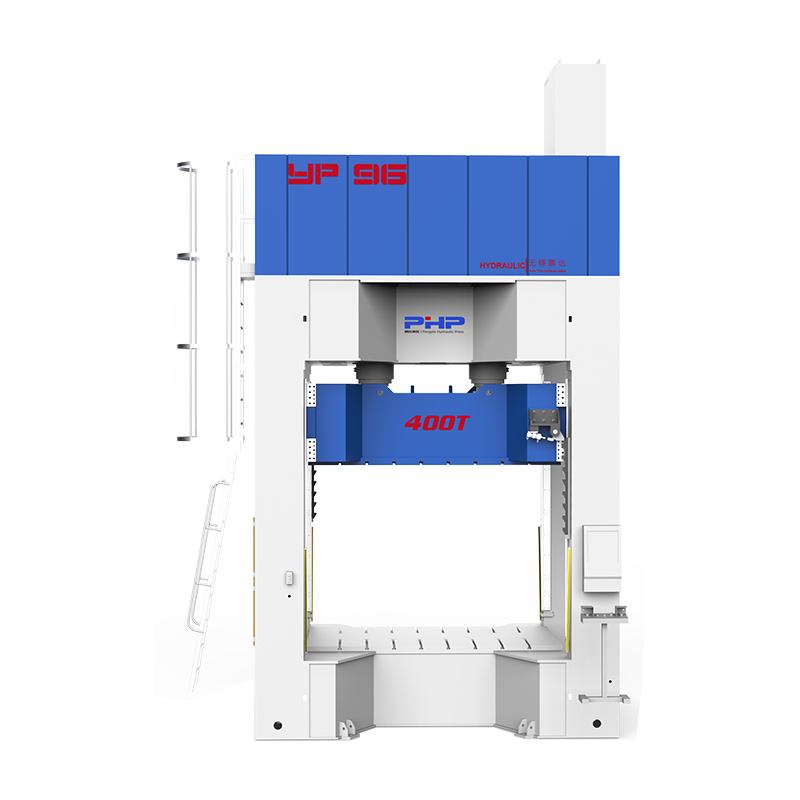
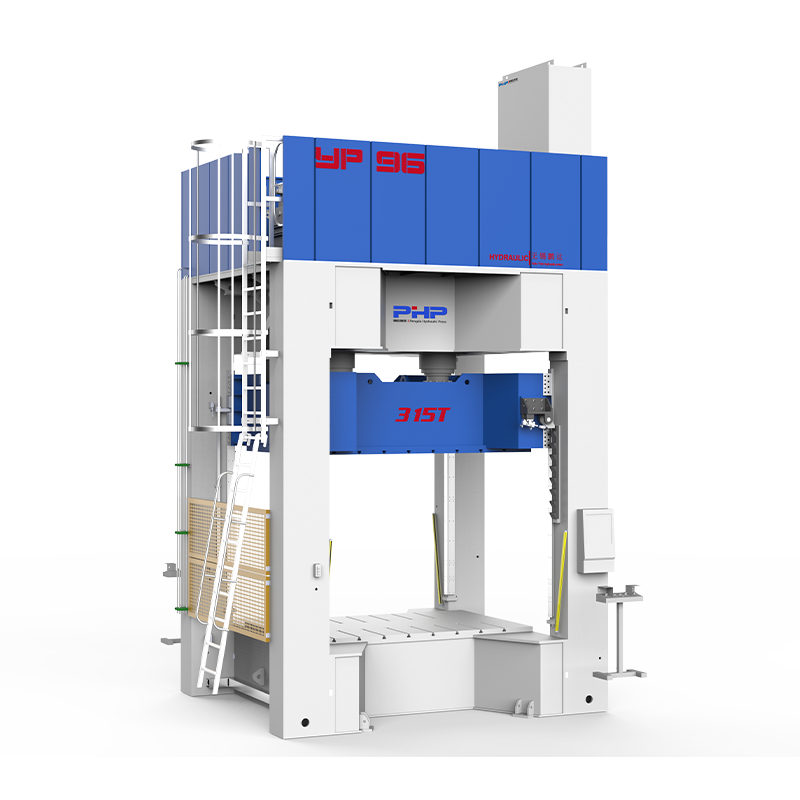
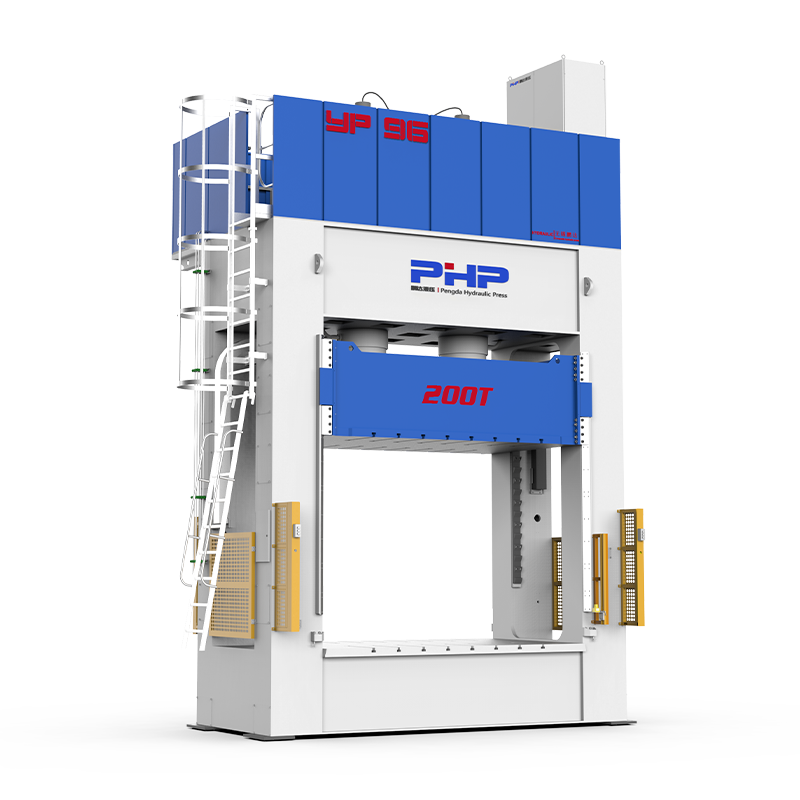


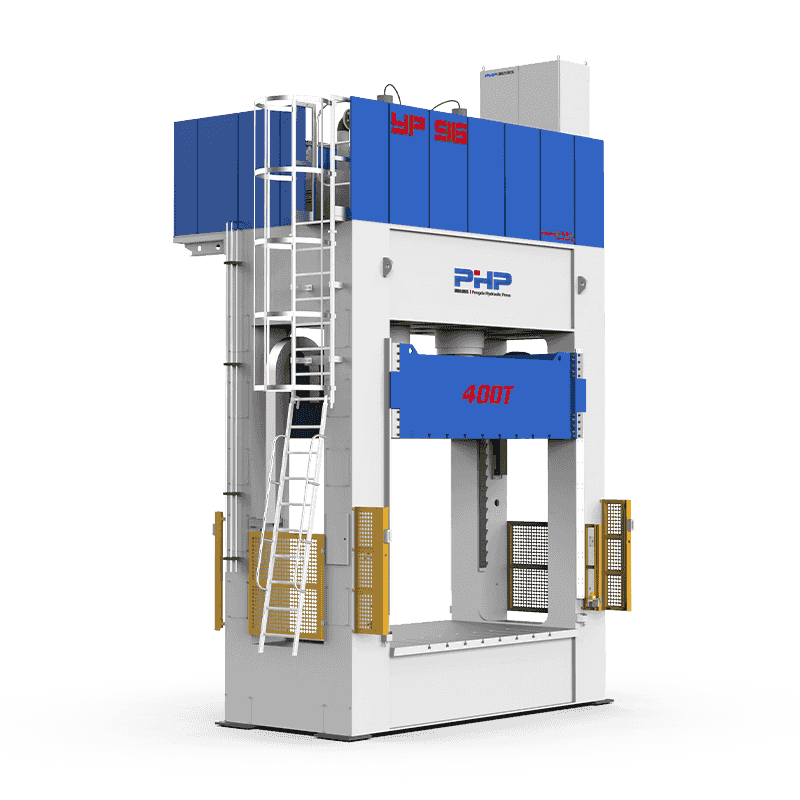
When selecting an SMC compression molding press, manufacturers increasingly face a choice between a servo-hydraulic system and a conventional hydraulic system. The servo option may offer lower energy consumption, more flexible motion control and easier process data integration, but it also brings a higher level of electrical and control-system complexity.
The correct choice depends on how the press will actually operate: annual running hours, pressure-holding time, SMC cure cycle, required speed and pressure profiles, electricity cost, automation level and the expected service life of the equipment.
Content
- 1 1. What Is the Difference Between Servo and Conventional Hydraulic Presses?
- 2 2. Energy Consumption and Total Cost of Ownership
- 3 3. Cycle Time, Throughput and Where Servo Control Actually Saves Time
- 4 4. Pressure, Velocity and Position Control for SMC Part Quality
- 5 5. Maintenance, Thermal Load and Downtime
- 6 6. Integration, Automation, Noise and Cooling Requirements
- 7 7. Can an Existing Conventional Hydraulic Press Be Retrofitted?
- 8 8. When Is Servo Hydraulic Worth the Investment?
- 9 9. Servo vs Conventional Hydraulic Press: Quick Comparison
- 10 10. How to Calculate ROI for an SMC Press
- 11 Which Hydraulic Press Architecture Fits Your SMC Line?
- 12 Frequently Asked Questions
- 12.1 How much energy can a servo hydraulic press save?
- 12.2 Does a servo hydraulic press produce better SMC parts?
- 12.3 Can servo hydraulics reduce SMC molding cycle time?
- 12.4 Does a servo hydraulic press require less maintenance?
- 12.5 Can an existing conventional hydraulic press be converted to servo?
- 12.6 What determines the ROI of a servo hydraulic SMC press?
1. What Is the Difference Between Servo and Conventional Hydraulic Presses?
In this comparison, a servo-hydraulic press refers primarily to a hydraulic press using a servo motor and speed-controlled pump system. Motor speed is adjusted according to the actual pressure and flow demand of each stage of the press cycle.
A conventional hydraulic press generally uses a fixed-speed induction motor with a traditional hydraulic pump and valve-control architecture. Depending on the design, the motor may continue operating at nearly constant speed even when the process requires little flow.
Fast Approach
→
Slow SMC Flow
→
Pressure Build-Up
→
Cure Hold
→
Decompression
→
Return
This distinction is important because an SMC molding cycle does not require maximum hydraulic flow and power at every stage.
Important: pressure profiling and closed-loop pressure control are not exclusive to servo-hydraulic presses. Advanced conventional hydraulic systems can also use proportional valves, pressure transducers and PLC control. The final performance depends on the entire hydraulic and control architecture.
2. Energy Consumption and Total Cost of Ownership
Energy efficiency is one of the main reasons manufacturers consider servo hydraulics. A variable-speed pump can reduce motor speed when the process requires less hydraulic flow and accelerate again when high flow is required.
This is particularly relevant to SMC molding because the cycle can contain a relatively long pressure-holding and curing period. During this stage, the press may need to maintain pressure but require very little continuous flow.
| Cycle Stage | Hydraulic Demand | Servo-Hydraulic Opportunity |
| Fast Approach | High flow, relatively low pressure | Motor accelerates to deliver required flow |
| SMC Compression | Controlled flow and rising pressure | Speed can follow the required molding profile |
| Pressure / Cure Hold | High pressure, low flow | Motor can slow significantly and supply only leakage compensation |
| Opening / Return | High flow for a short period | Rapid motor response supports fast return movement |
| Idle | Very low demand | Pump speed can be greatly reduced or stopped depending on design |
Variable-speed hydraulic systems also generate less unnecessary heat when less hydraulic power is being circulated and throttled. This may reduce the load on oil cooling equipment and the amount of heat released into the production area.
Do Not Confuse Press Energy with Total SMC Line Energy
The hydraulic press is only one energy consumer. Mold heaters, mold temperature controllers, robots, material handling equipment and factory HVAC may also contribute significantly to total line consumption.
| Energy Consumer | Directly Reduced by Servo Pump Control? |
| Hydraulic Pump Motor | Yes |
| Hydraulic Oil Cooling | Often reduced indirectly |
| Mold Heating | Normally no |
| Robot / Loading System | No |
| Trimming Equipment | No |
Illustrative Annual Electricity Calculation
Example only:
Conventional hydraulic average demand: 40 kW
Servo-hydraulic average demand: 28 kW
Operating time: 4,000 hours/year
Electricity price: $0.10/kWh
Annual difference = (40 − 28) × 4,000 × $0.10
$4,800/yearThis is an illustrative calculation rather than a guaranteed saving. Actual energy use should ideally be measured across a representative production cycle before an investment decision is made.
For context, the U.S. Energy Information Administration reported an average U.S. industrial retail electricity price of 8.62 cents/kWh for 2025, although actual industrial tariffs vary substantially by location and utility structure.
3. Cycle Time, Throughput and Where Servo Control Actually Saves Time
Servo hydraulics can improve machine response, but they do not eliminate the chemical cure time required by the SMC material.
If a 160-second cycle includes 120 seconds of necessary curing, changing the hydraulic drive cannot simply remove those 120 seconds. The more realistic opportunity is to optimize the remaining movement and transition stages.
Fast Approach
High potential for reducing non-productive travel time.
Speed Transition
Servo response can support smoother transition into controlled SMC flow.
Cure Hold
Energy-saving opportunity is usually greater than cycle-time opportunity.
Opening & Return
Acceleration and controlled return can reduce non-molding time.
Rather than relying on a supplier's advertised “minimum cycle time,” manufacturers should compare actual cycle curves using the intended mold, part weight and SMC formulation.
For cure-dominated SMC production, servo hydraulics may reduce non-productive movement and energy use even when the chemical cure time remains unchanged.
4. Pressure, Velocity and Position Control for SMC Part Quality
SMC quality depends on more than maximum press force. The way the press reaches that force affects material flow, fiber orientation, trapped air, flash and dimensional consistency.
A typical controlled cycle may include:
Fast Approach → Controlled Slow Closing → Material Flow → Pressure Ramp → Pressure Hold → Cure → Controlled Decompression
A servo-controlled pump can rapidly change flow according to programmed motion requirements. Combined with position sensors, pressure transducers and closed-loop control, this provides engineers with greater flexibility to create and repeat different velocity and pressure profiles.
| Process Condition | Possible SMC Quality Effect |
| Closing speed too high | Air entrapment, unstable material movement, excessive flash |
| Closing speed too low | Premature gelation and incomplete filling |
| Pressure builds too early | Restricted flow or fiber displacement |
| Unstable holding pressure | Thickness and dimensional variation |
| Poor decompression control | Unnecessary mechanical shock and process instability |
The advantage is therefore not simply “servo equals better quality.” A well-engineered conventional press can also achieve excellent production consistency. Servo architecture becomes particularly attractive when manufacturers need flexible recipes, frequent process changes, detailed pressure/position control and cycle-data recording.
5. Maintenance, Thermal Load and Downtime
Conventional hydraulic systems are familiar to maintenance teams worldwide and may use relatively straightforward motors, pumps and valves. Servo systems add drives, encoders, servo motors and more sophisticated control electronics.
However, variable-speed operation can reduce unnecessary pump operation and hydraulic heat generation during partial-load or holding stages.
| Maintenance Factor | Servo Hydraulic | Conventional Hydraulic |
| Motor / Pump Running During Low Demand | Can be greatly reduced | Often higher depending on circuit design |
| Oil Heat Generation | Often lower | Potentially higher |
| Filters, Oil and Seals | Still required | Required |
| Drive Electronics | Additional components | Simpler electrical architecture |
| Diagnostics | Strong digital diagnostic potential | Depends heavily on installed controls |
| Required Technician Skills | Hydraulic + electrical/control expertise | More conventional hydraulic expertise |
Servo operation should also not be promoted as automatically extending mold life. Mold life depends on mold material, alignment, platen parallelism, pressure, lubrication and maintenance. Better-controlled acceleration, pressure ramps and decompression may, however, reduce unnecessary shock loading on the press and tooling.
6. Integration, Automation, Noise and Cooling Requirements
Modern SMC production lines increasingly connect the press with robots, charge-loading equipment, mold temperature controllers, ejectors, safety systems and production-management networks.
A servo-hydraulic installation may provide useful integration capabilities for:
- automatic SMC charge loading;
- robotic part unloading;
- recipe-based position and pressure profiles;
- cycle-data logging;
- alarm and condition monitoring;
- MES or production-data interfaces;
- remote troubleshooting where permitted.
Lower average pump speed can also reduce hydraulic noise and heat generation. Depending on the design and operating cycle, this may allow smaller cooling equipment or reduce cooling demand.
For U.S. installations, press safety engineering should also address machine guarding and point-of-operation hazards. Applicable requirements and industry references should be reviewed for the actual machine and production cell rather than assuming that a servo drive by itself changes the safeguarding requirements.
7. Can an Existing Conventional Hydraulic Press Be Retrofitted?
In some cases, yes. A conventional hydraulic press may be upgraded with a variable-speed pump drive, additional sensors, upgraded PLC controls or more advanced pressure and position control.
However, retrofit feasibility depends on the existing:
- hydraulic pump type;
- motor and electrical supply;
- valve architecture;
- cylinder dimensions;
- pressure and position sensors;
- PLC and communication system;
- safety circuit;
- cooling system;
- available control cabinet space.
Retrofitting only the motor without checking the entire hydraulic circuit may deliver limited benefits. The system should be evaluated as a complete drive and control package.
8. When Is Servo Hydraulic Worth the Investment?
Servo Hydraulic Becomes More Attractive When:
- the machine operates multiple shifts;
- electricity cost is significant;
- the process has long pressure-holding periods;
- frequent pressure and speed profiling is required;
- many production recipes are used;
- cycle data and automation are important;
- heat and noise reduction have value.
Conventional Hydraulics May Still Make Sense When:
- production volume is relatively low;
- the machine runs only limited hours each day;
- process requirements are simple;
- existing equipment already meets quality targets;
- energy cost is relatively low;
- initial capital cost is the main constraint.
9. Servo vs Conventional Hydraulic Press: Quick Comparison
| Factor | Servo Hydraulic Press | Conventional Hydraulic Press |
| Energy Use at Partial Load / Hold | Generally better potential | Depends heavily on circuit design |
| Motion Flexibility | High | Can also be high with advanced controls |
| Pressure Profiling | Well suited | Possible with suitable valves and controls |
| Noise | Often lower during partial load | Motor/pump may run continuously |
| Heat Generation | Often lower | May require greater cooling |
| Initial Cost | Typically higher | Typically lower |
| Controls Complexity | Higher | Potentially simpler |
| Best Fit | High utilization, flexible and automated SMC production | Simple processes, lower utilization or cost-sensitive applications |
10. How to Calculate ROI for an SMC Press
ROI should not be based on an advertised energy-saving percentage alone.
Annual Benefit = Electricity Savings + Cooling Savings + Productivity Gains + Avoided Downtime Simple Payback Period = Additional Servo Investment ÷ Annual Benefit
Before comparing two press quotations, manufacturers should collect at least:
- annual operating hours;
- current or target cycle time;
- pressure-holding duration;
- required tonnage;
- average and peak hydraulic demand;
- local electricity rate;
- cooling requirements;
- annual production volume;
- automation requirements.
For an existing line, metering the actual power consumption across representative production cycles provides a much stronger ROI basis than comparing motor nameplate ratings.
Which Hydraulic Press Architecture Fits Your SMC Line?
Wuxi PengdaHZ Intelligent Equipment Co., Ltd. develops hydraulic press solutions for SMC, BMC and composite compression molding applications.
Choosing between servo-hydraulic and conventional hydraulic configurations requires more than comparing initial machine prices. Press force, mold size, cycle time, pressure-holding duration, production hours, motion profiles, automation and local electricity cost should all be considered.
For an initial equipment evaluation, provide your required tonnage, part and mold dimensions, target cycle time, annual operating hours, required pressure and velocity profiles, automation requirements and local electricity cost.
Visit wuxipd.com for more information about SMC compression molding presses and customized hydraulic press systems.
Frequently Asked Questions
How much energy can a servo hydraulic press save?
There is no universal percentage. Savings depend on the hydraulic architecture and duty cycle. Applications with substantial holding, idle or partial-load periods generally offer greater potential than machines operating close to full hydraulic demand continuously.
Does a servo hydraulic press produce better SMC parts?
Servo control can support precise and flexible pressure, velocity and position profiles, but part quality also depends on tooling, SMC material, mold temperature, venting and process settings. A well-designed conventional hydraulic system can also produce highly consistent parts.
Can servo hydraulics reduce SMC molding cycle time?
They can reduce non-productive motion and improve transitions between approach, compression, decompression and return. They cannot eliminate the minimum chemical cure time required by the SMC material.
Does a servo hydraulic press require less maintenance?
Variable-speed operation can reduce pump operating hours, heat generation and cooling demand, but servo systems also add drives, encoders and electronic components. Maintenance cost should therefore be evaluated for the complete system.
Can an existing conventional hydraulic press be converted to servo?
Some presses can be retrofitted with variable-speed pump drives and upgraded controls. Feasibility depends on the existing pump, motor, hydraulic circuit, electrical system, sensors, PLC and machine safety architecture.
What determines the ROI of a servo hydraulic SMC press?
Important variables include operating hours, electricity price, pressure-holding time, actual hydraulic power consumption, cooling demand, production volume, cycle-time improvement and the additional purchase or retrofit cost.