English
 中文简体
中文简体 Español
 Português
 Deutsch
 русский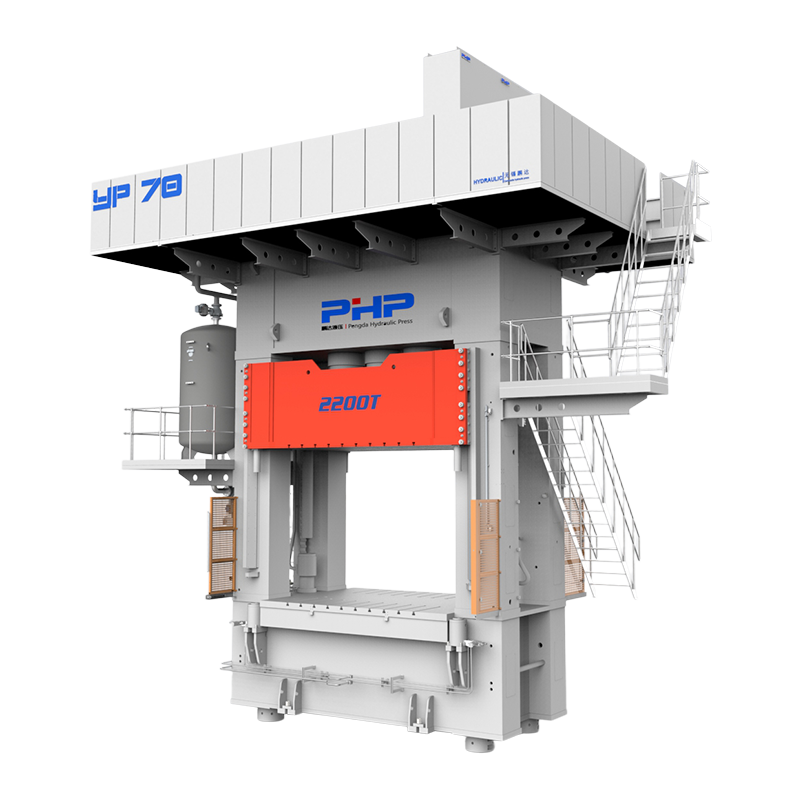
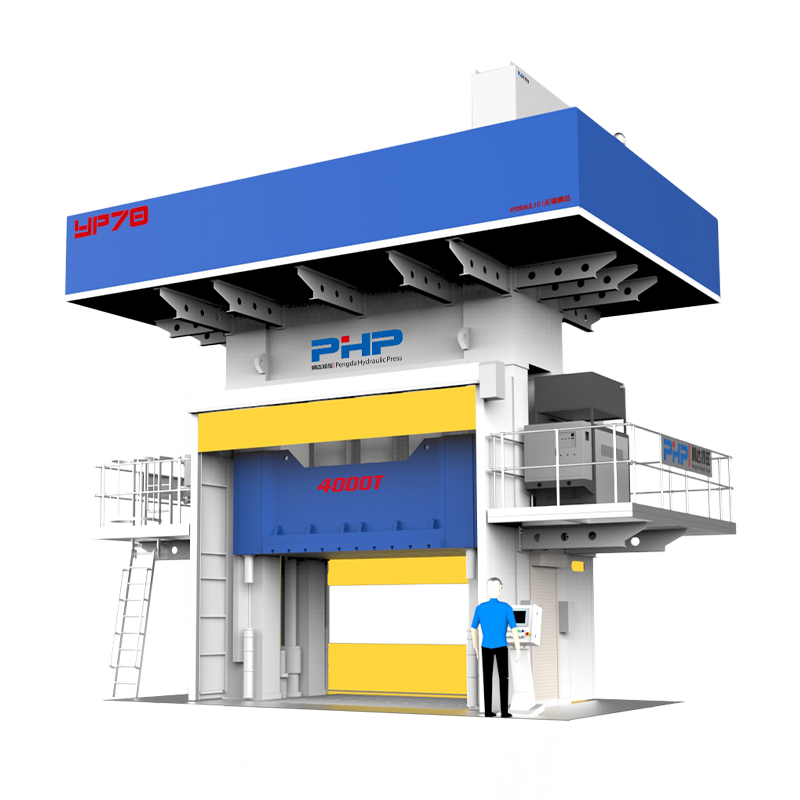
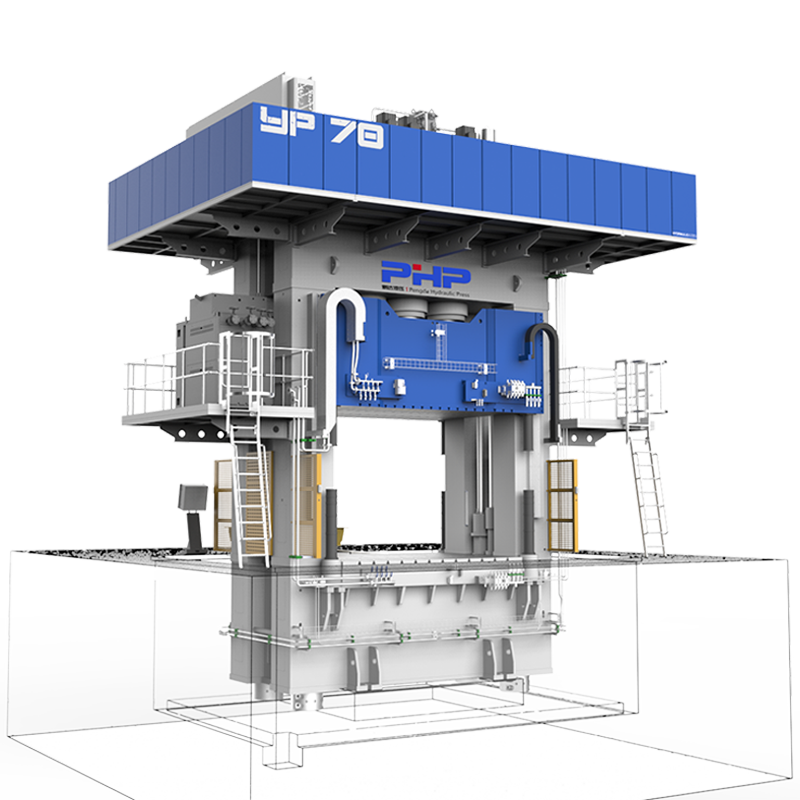
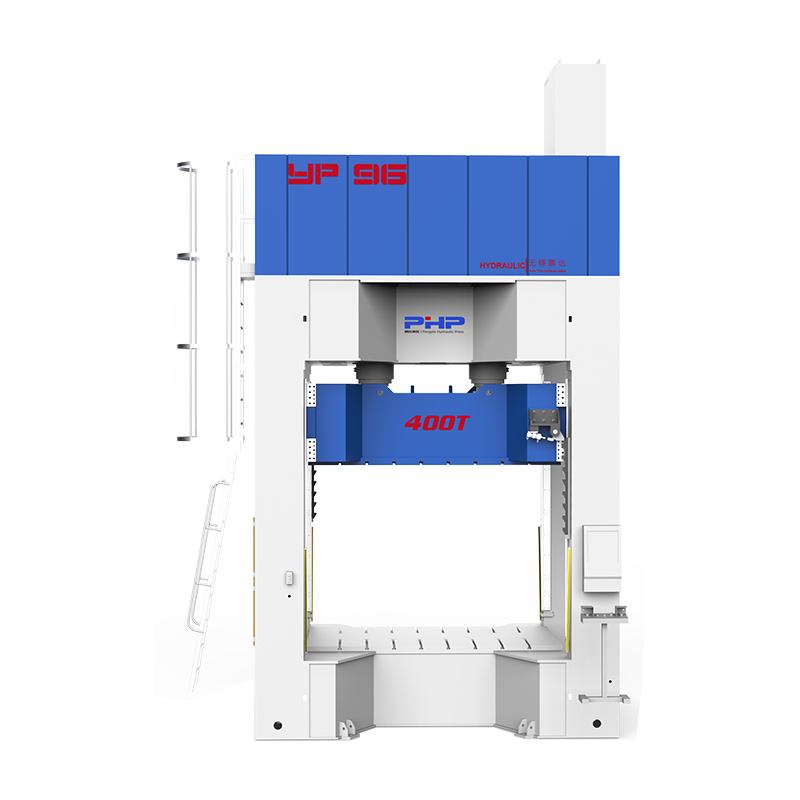
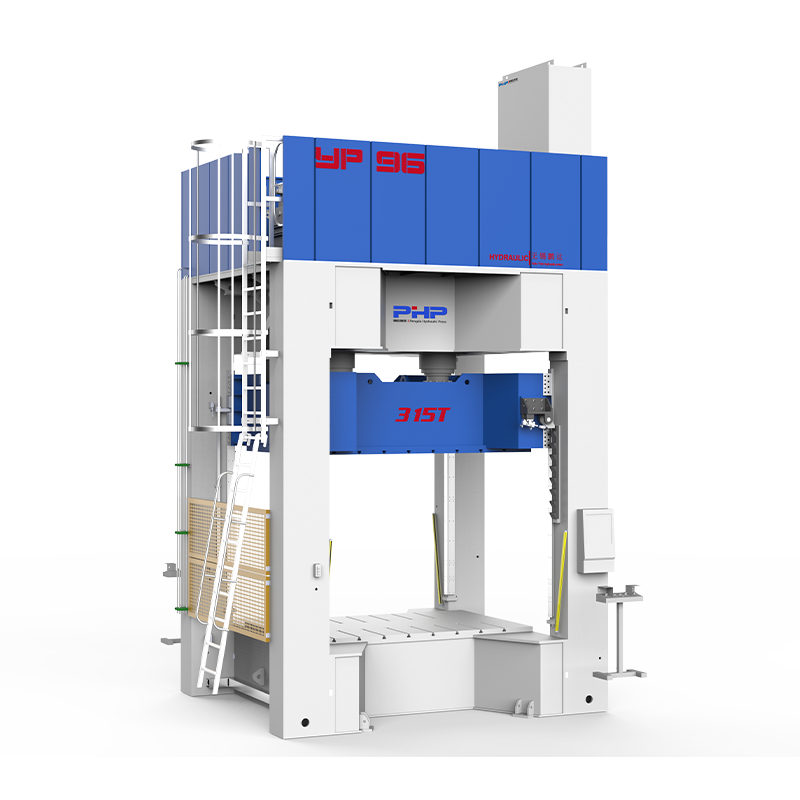
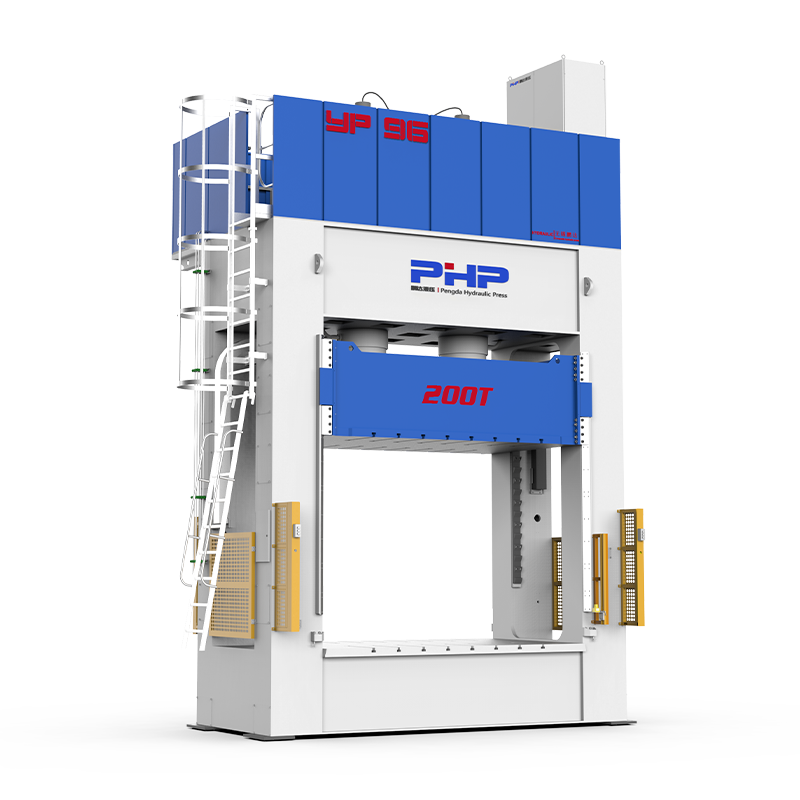
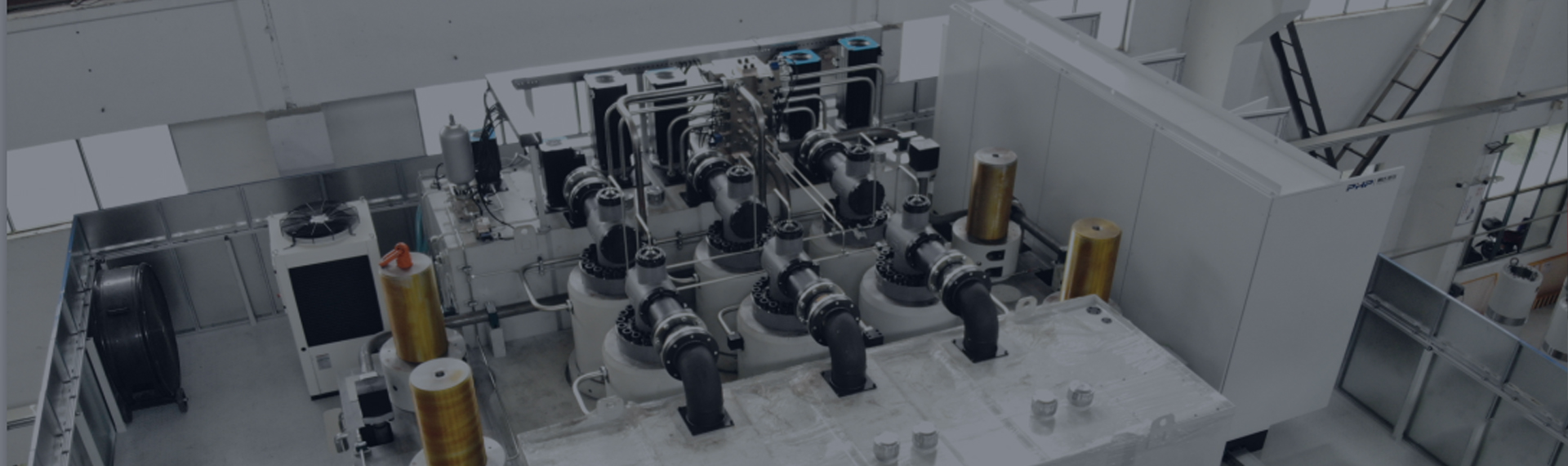

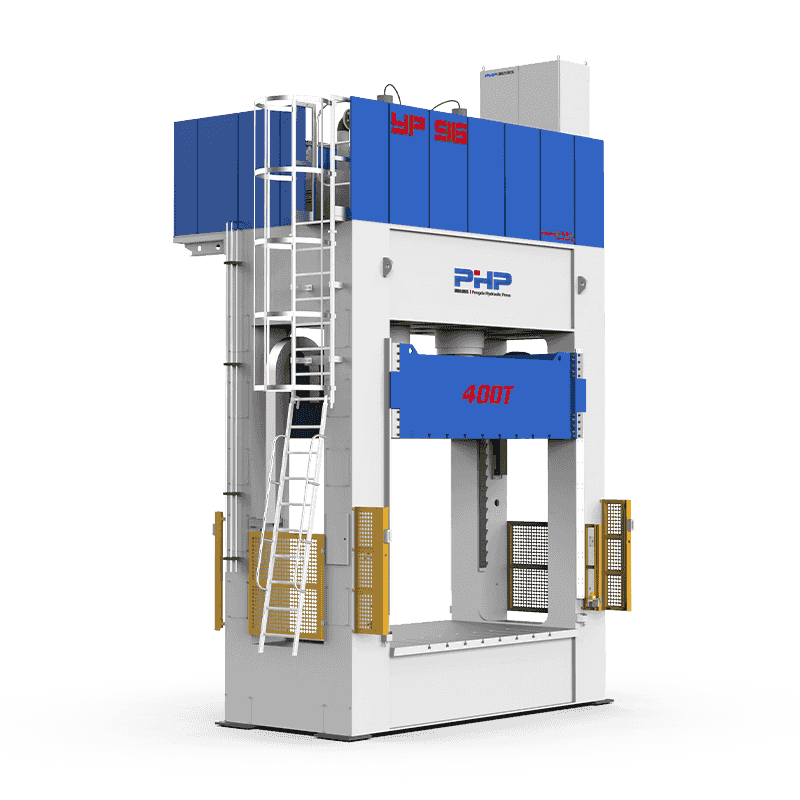
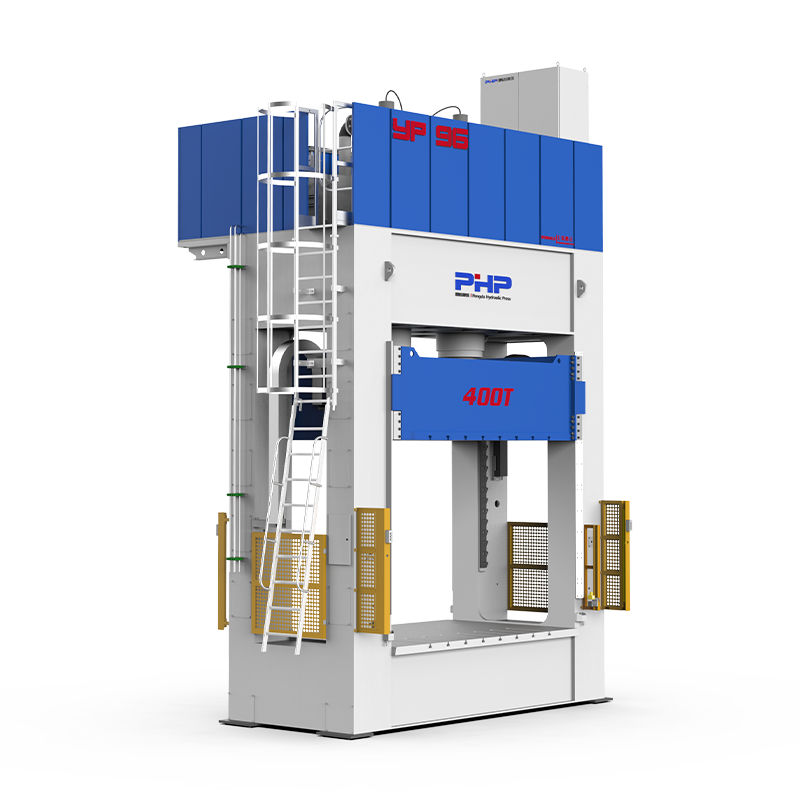
A non-metallic hydraulic press is not defined by a completely different hydraulic principle. Instead, it is a hydraulic press configured for processing materials such as plastics, rubber, composites, wood-based laminates, insulation materials, and selected ceramic or specialty powders.
Compared with a general-purpose metal forming press, non-metallic applications often place greater emphasis on large platen areas, temperature control, long pressure-holding cycles, platen parallelism, pressure uniformity, venting, and programmable process recipes.
Key Selection Principle:
Do not select a non-metallic hydraulic press by tonnage alone. The material, part area, molding pressure, temperature, cycle profile, and platen requirements should be evaluated together.
Do not select a non-metallic hydraulic press by tonnage alone. The material, part area, molding pressure, temperature, cycle profile, and platen requirements should be evaluated together.
Content
- 1 1. Non-Metallic Hydraulic Press Configurations and Frame Type Comparisons
- 2 2. Materials and Application Use Cases for Non-Metallic Forming
- 3 3. Tonnage, Platen Size, Pressure Uniformity, and Temperature Control
- 4 4. Automation, Multi-Stage Pressure Control, Force Monitoring, and Energy Efficiency
- 5 5. Safety, Contamination Control, and Maintenance Requirements
- 6 How to Specify a Non-Metallic Hydraulic Press
- 7 FAQ
- 7.1 What materials can be processed in a non-metallic hydraulic press?
- 7.2 How much tonnage do I need for plastic compression molding or rubber vulcanization?
- 7.3 What platen size should I choose for wood veneer pressing or lab sample preparation?
- 7.4 How do H-frame, C-frame, and four-post hydraulic presses compare?
- 7.5 What is the difference between a hot press and a cold press?
- 7.6 What heating and cooling options are available for plastic, rubber, and composite pressing?
- 7.7 What safety standards apply to non-metallic hydraulic presses in the United States?
- 7.8 Is a non-metallic hydraulic press different from a standard hydraulic press?
1. Non-Metallic Hydraulic Press Configurations and Frame Type Comparisons
Frame construction directly affects accessibility, platen rigidity, usable working area, and pressure distribution. The three common configurations are four-post, H-frame, and C-frame presses.
Four-Post Hydraulic Press
A four-post press uses four columns to guide the moving platen. It provides good access around the mold while supporting a relatively large platen area.
This configuration is commonly suitable for:
- Plastic and thermoset compression molding
- Rubber molding and vulcanization
- Composite molding
- Large heated-platen applications
Because non-metallic molds may require heating lines, vacuum connections, ejectors, and manual or robotic loading access, the open sides of a four-post structure can be particularly useful.
H-Frame Hydraulic Press
An H-frame press uses a rigid welded or fabricated frame around the working area. For large molds or applications requiring high force over a wide area, its major advantage is structural stiffness.
It can be a strong choice for large composite components, thick rubber products, laminates, and other operations where platen deflection must be minimized.
C-Frame Hydraulic Press
A C-frame press offers excellent access from the front and sides, making tooling changes and manual loading convenient.
However, its open-frame geometry can produce greater frame deflection under high or eccentric loads. It is therefore generally better suited to smaller parts, lower-force applications, trimming, laboratory work, and secondary forming operations than very large compression molds.
| Frame Type | Main Advantage | Typical Non-Metallic Use |
|---|---|---|
| Four-Post | Large working area and good access | Plastic, rubber, composites |
| H-Frame | High rigidity and load stability | Large molds, panels, high-force pressing |
| C-Frame | Easy operator and tooling access | Small parts, laboratory and secondary operations |
2. Materials and Application Use Cases for Non-Metallic Forming
The correct press configuration depends heavily on how the material behaves under pressure and temperature.
Plastic Compression Molding
Thermoset plastics and suitable thermoplastic materials can be molded using heated tooling and controlled pressure. The press must provide sufficient mold closing force while maintaining repeatable closing speed and temperature.
Applications may include electrical components, structural housings, insulation parts, and molded industrial components.
Rubber Molding and Vulcanization
Rubber applications often require a combination of heat, pressure, venting, and relatively long dwell time.
The press control can be programmed for staged movement such as:
Close → Pre-Press → Vent / Bump → Full Pressure → Vulcanization Hold → Open
Accurate platen temperature and pressure repeatability are important for stable cure quality from one cycle to another.
Composite Compression Molding
Hydraulic presses are widely applicable to processes such as SMC, BMC, GMT, and other suitable thermoset or thermoplastic composite molding methods.
Composite applications may require controlled closing speed because excessive speed can trap air or disturb fiber distribution, while closing too slowly can affect material flow and cure behavior.
Wood Veneer and Laminate Pressing
Wood veneer, decorative laminate, plywood, and engineered panel processes generally require large, flat working areas and highly uniform pressure distribution.
For hot pressing, temperature uniformity across a wide platen becomes especially important because uneven temperature can create inconsistent adhesive curing and bonding quality.
Ceramic and Specialty Powder Compaction
Selected ceramic or technical powders can also be compacted hydraulically. These applications place additional emphasis on controlled force build-up, tooling alignment, density consistency, and controlled ejection.
For highly specialized high-speed powder production, however, a dedicated powder compaction press may be more appropriate than a general-purpose hydraulic machine.
Laboratory and Sample Preparation
Small hydraulic presses are also used for material development, sample preparation, R&D, and low-volume molding. In these applications, precise force control and flexible process programming can be more important than maximum production speed.
3. Tonnage, Platen Size, Pressure Uniformity, and Temperature Control
Tonnage selection should begin with the required unit pressure and effective pressing area.
Required Force = Effective Pressing Area × Required Unit Pressure
Using U.S. units:
Press Tonnage (short tons) = Area (in²) × Pressure (psi) ÷ 2,000
However, the definition of effective area changes by process.
- Compression molding: usually based on mold or cavity projected area.
- Rubber molding: based on mold area and required molding or vulcanization pressure.
- Wood laminating: normally based on panel area multiplied by required specific pressing pressure.
- Powder compaction: determined by die area and the pressure needed to reach the target compact density.
Selection Warning: Adding excessive tonnage does not automatically improve product quality. A press that is oversized but has poor platen rigidity or pressure distribution can still produce inconsistent parts.
Choose the Platen by More Than Product Size
The working platen must accommodate the mold, panel, or tooling plus the space required for clamps, heaters, insulation plates, connections, and handling equipment.
When future product sizes are likely to increase, additional platen area can provide useful flexibility. However, placing small tooling far from the center of an oversized platen may introduce eccentric loading, so load position must also be considered.
Pressure Uniformity and Platen Deflection
For large non-metallic products, uniform pressure can be more important than maximum force.
Excessive platen deflection or poor parallelism can produce:
- Uneven laminate bonding
- Variable product thickness
- Excess flash on one side of a mold
- Uneven composite resin distribution
- Localized damage to fragile materials
Large-area presses should therefore be evaluated for frame rigidity, platen thickness, guiding accuracy, and pressure distribution under working load.
Hot Press vs. Cold Press
A hot press supplies controlled thermal energy during pressing and is commonly used for rubber vulcanization, plastic molding, composite curing, and adhesive-based laminating.
A cold press normally performs the pressing process at ambient or near-ambient temperature. It may be suitable for selected bonding, assembly, panel pressing, or consolidation processes that do not require active heat.
Heating and Cooling Options
Depending on platen size and process requirements, heating systems may include:
- Electric resistance or cartridge heating
- Thermal-oil circulation
- Steam heating
- Water circulation
- Combined heating and cooling circuits
Electric heating offers relatively straightforward independent-zone control, while thermal oil can be advantageous for large areas requiring distributed heat transfer.
Regardless of the heating method, evaluate heater zoning, thermocouple location, PID temperature control, warm-up time, and surface temperature uniformity.
4. Automation, Multi-Stage Pressure Control, Force Monitoring, and Energy Efficiency
Modern non-metallic presses increasingly use programmable control because many materials require more than a simple down-and-up motion.
Programmable Pressure and Position Profiles
A PLC or industrial controller can manage:
- Rapid approach position
- Slow pressing speed
- Pre-pressure
- Venting cycles
- Full-force build-up
- Dwell or cure time
- Controlled decompression
- Ejection and unloading
This is particularly useful for rubber and composite processes where pressure, position, temperature, and time interact throughout the cycle.
Force and Pressure Monitoring
Hydraulic pressure sensors, displacement sensors, and—where higher measurement accuracy is required—load cells can be integrated into the process.
Monitoring does more than display tonnage. It can help identify abnormal force build-up, incorrect mold closing, material variation, process drift, or unequal loading.
For fragile materials, controlled force ramping can also reduce the risk of abrupt loading.
Servo Hydraulic and Energy-Saving Systems
Conventional hydraulic systems may run pumps continuously, even when full flow is not required. Servo-driven pump systems can adjust motor output according to actual pressure and flow demand.
This can reduce energy consumption during pressure holding, partial-load operation, and standby periods, while also improving pressure and speed response.
Process Benefit: For non-metallic molding, energy efficiency should be evaluated together with cycle stability. Precise low-speed motion and repeatable pressure holding may be as valuable as power savings.
5. Safety, Contamination Control, and Maintenance Requirements
Machine Safety
Hydraulic presses create significant point-of-operation hazards, so safeguarding must be considered from the beginning of machine design.
Depending on the application and automation level, safety provisions may include:
- Physical barrier guards
- Safety light curtains
- Two-hand operating controls
- Emergency stop devices
- Interlocked doors and guards
- Protected foot controls where used
- Pressure-release and hydraulic protection circuits
For U.S. installations, machine safeguarding should be evaluated against applicable OSHA requirements and relevant industry safety standards during system design and integration.
Contamination-Control Applications
For medical, electronics, laboratory, or other cleanliness-sensitive applications, the machine may need additional design features such as stainless-steel working surfaces, enclosed hydraulic components, easy-clean guarding, sealed cable routing, and reduced particle-trapping surfaces.
These features should be specified when required rather than assumed to be standard on every non-metallic press.
Preventive Maintenance
A practical maintenance program should include:
- Monitoring hydraulic oil cleanliness and condition
- Inspecting cylinders, hoses, fittings, and seals for leakage
- Checking guide systems and platen parallelism
- Cleaning heated platen surfaces
- Verifying thermocouple and heater performance
- Testing safety devices and interlocks
- Checking pressure-sensor calibration where process accuracy is critical
Seal replacement should be condition- and service-based rather than performed according to one universal interval. Operating temperature, cycle frequency, pressure, oil condition, and seal material can all influence service life.
How to Specify a Non-Metallic Hydraulic Press
Before requesting a quotation, prepare a short process specification covering the following parameters:
| Parameter | Information to Provide |
|---|---|
| Material | Plastic, rubber, composite, laminate, powder, etc. |
| Product / Mold Size | Length, width, height and projected pressing area |
| Pressure | Required unit pressure or estimated tonnage |
| Temperature | Heating temperature, zones and cooling requirements |
| Stroke & Daylight | Closed mold height and required opening clearance |
| Cycle | Closing speed, dwell time, venting and production rate |
| Automation | Manual, robot loading, automatic feeding or unloading |
Need a Hydraulic Press for a Non-Metallic Material?
```Wuxi PengdaHZ Intelligent Equipment Co., Ltd. can configure hydraulic press systems according to material type, required tonnage, platen dimensions, heating method, working stroke, pressure-control requirements, and production cycle.
Providing your material, product or mold dimensions, required temperature, target pressure, and cycle time gives the engineering team a clearer basis for recommending a suitable press configuration.
```FAQ
What materials can be processed in a non-metallic hydraulic press?
Typical materials include thermoset and selected thermoplastic plastics, rubber, SMC and BMC composites, laminates, wood-based panels, insulation materials, and selected ceramic or specialty powders. The required press configuration depends on the material's pressure, temperature, flow, cure, and ejection requirements.
How much tonnage do I need for plastic compression molding or rubber vulcanization?
A basic calculation is effective pressing area × required unit pressure. In U.S. units, area in square inches multiplied by pressure in psi and divided by 2,000 gives short tons. The final tonnage should also account for mold design, pressure distribution, and an appropriate engineering margin.
What platen size should I choose for wood veneer pressing or lab sample preparation?
For wood veneer or panels, the platen should cover the entire pressing area while maintaining uniform pressure and temperature. Laboratory presses can use much smaller platens, but sufficient space should still be provided for tooling, sample fixtures, heaters, and safe loading.
How do H-frame, C-frame, and four-post hydraulic presses compare?
Four-post presses provide good mold access and large working areas. H-frame presses emphasize rigidity and resistance to deflection. C-frame presses provide excellent access but are generally better suited to smaller or lower-force applications where eccentric frame deflection can be controlled.
What is the difference between a hot press and a cold press?
A hot press actively heats the mold, platen, or workpiece and is commonly used for curing, vulcanization, molding, and thermal bonding. A cold press applies pressure without active high-temperature heating and is suitable for processes that cure or consolidate at ambient or near-ambient temperature.
What heating and cooling options are available for plastic, rubber, and composite pressing?
Common solutions include electric heating, thermal-oil circulation, steam, water circulation, and combined heating/cooling circuits. Selection depends on platen size, required temperature, temperature uniformity, warm-up rate, cooling demand, and process cycle.
What safety standards apply to non-metallic hydraulic presses in the United States?
OSHA 29 CFR 1910.212 establishes general machine-guarding requirements for hazardous machinery, including protection around the point of operation. Hydraulic press installations may also use ANSI B11.2 and related B11 machine-safety standards as industry guidance. The applicable safeguarding system should ultimately be determined from the machine configuration, operating method, automation, and site risk assessment.
Is a non-metallic hydraulic press different from a standard hydraulic press?
The basic hydraulic principle may be the same, but the machine configuration can differ substantially. Non-metallic processes often require larger heated platens, longer pressure-holding times, better temperature uniformity, programmable pressure profiles, venting or vacuum interfaces, and tighter control of platen parallelism and pressure distribution.