English
 中文简体
中文简体 Español
 Português
 Deutsch
 русский
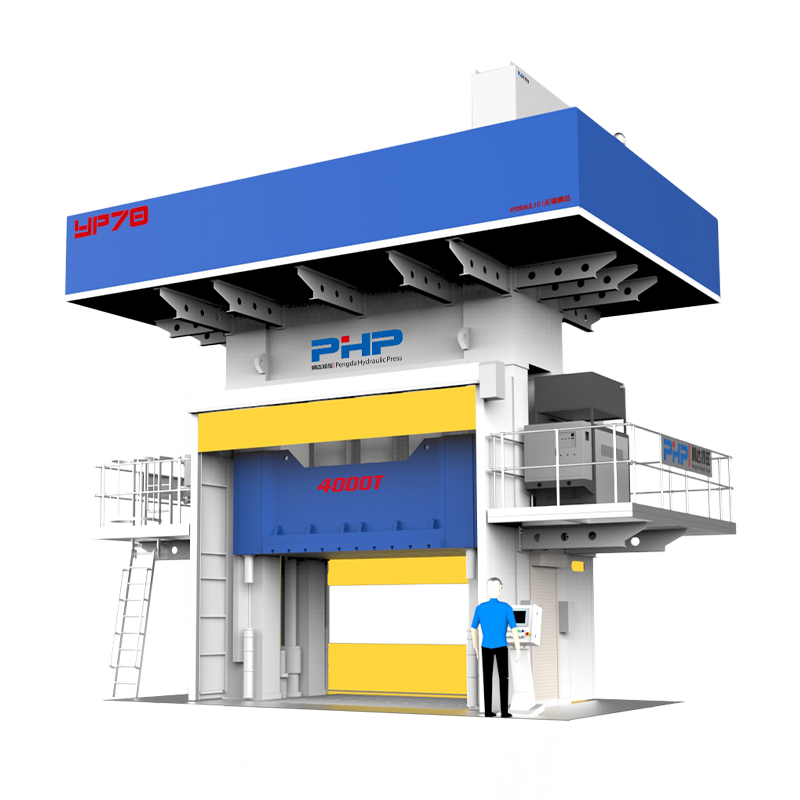
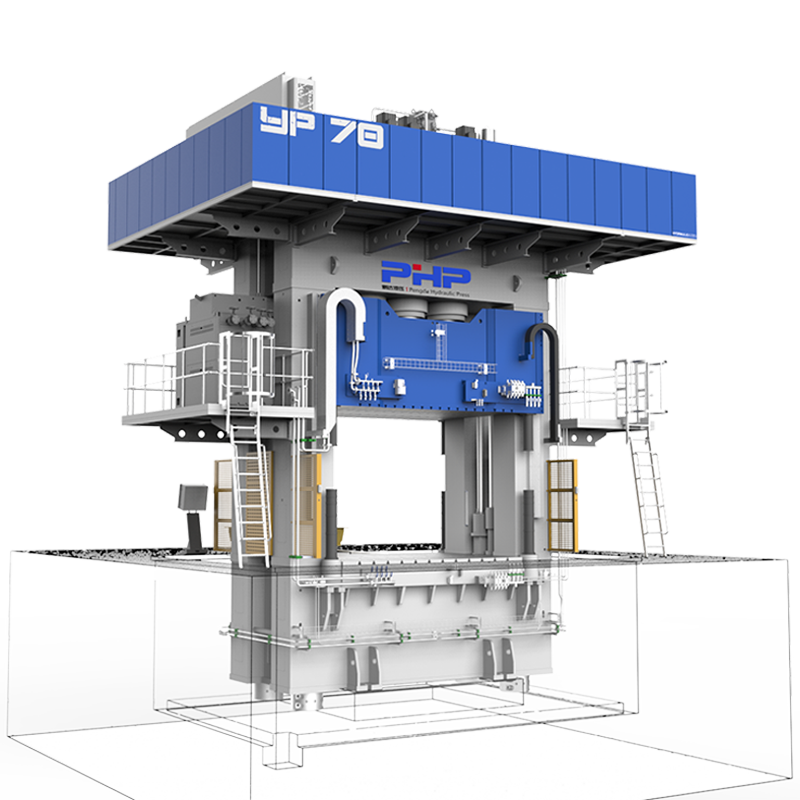
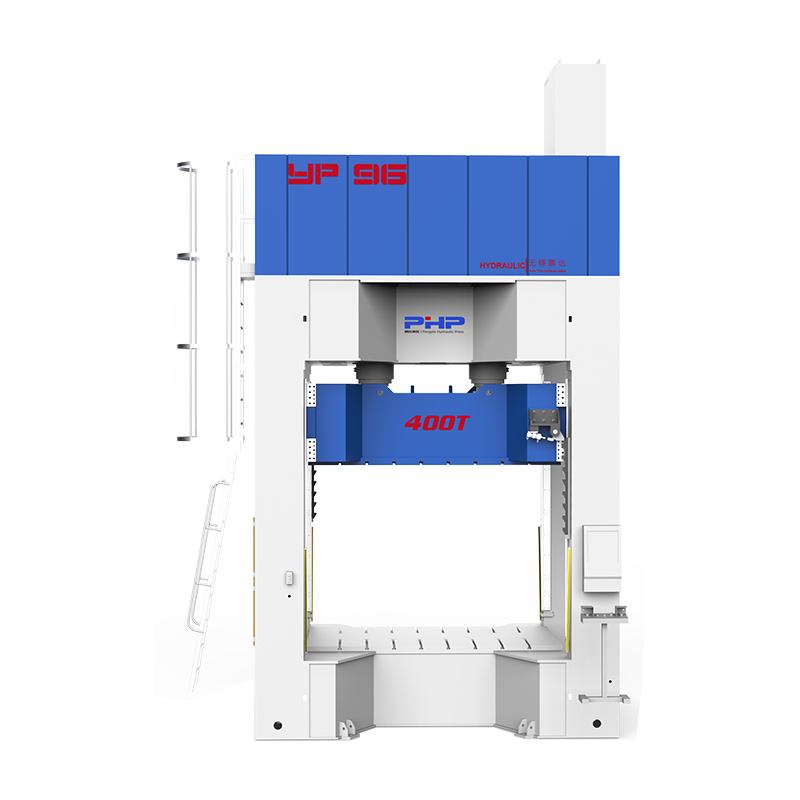
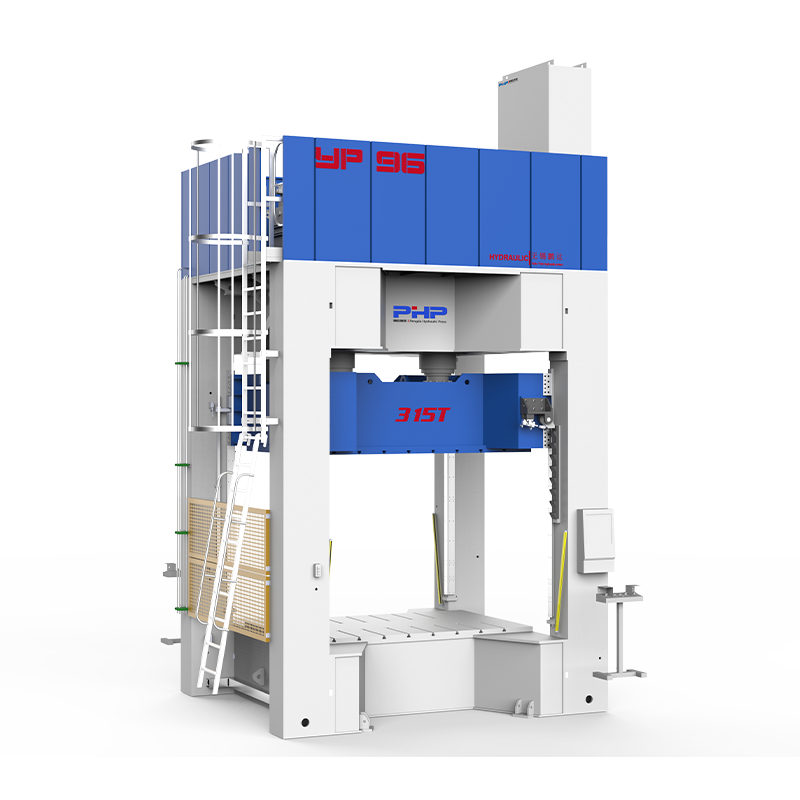
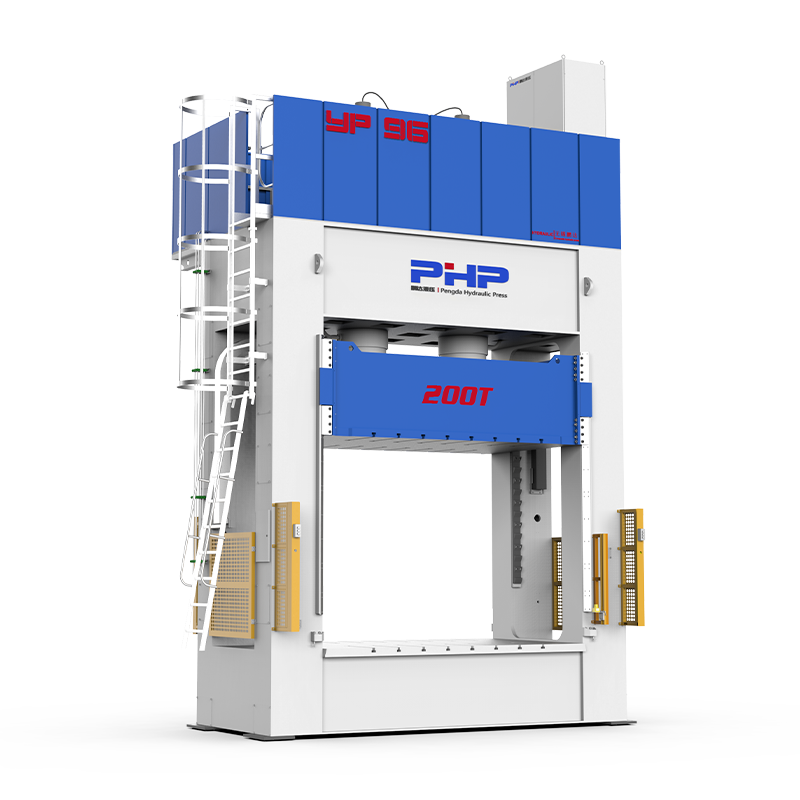

A hydraulic SMC press is more than a source of force. It controls material flow, cure, surface quality, and cycle consistency. This guide explains how U.S. buyers can specify the right press.
Content
- 1 SMC Molding: Why a Hydraulic Press Is Essential
- 2 Sizing Your Press: Tonnage, Platen Dimensions and Daylight
- 3 Heating Systems and Advanced Curing Technologies
- 4 Operational Excellence: Energy, Automation and Maintenance
- 5 A Smart Buyer’s Guide to Hydraulic SMC Presses
- 6 Turn Your Part Data into a Press Specification
- 7 Frequently Asked Questions
- 7.1 How do I calculate the required press tonnage for my SMC part?
- 7.2 What are the differences between 4-column, C-frame, and downstroke hydraulic presses?
- 7.3 When should I choose electric cartridge heating over oil heating?
- 7.4 How does vacuum compression molding improve SMC quality?
- 7.5 What maintenance schedule maximizes uptime?
- 7.6 Are used hydraulic SMC presses worthwhile?
- 7.7 How can I retrofit an older press for current U.S. requirements?
SMC Molding: Why a Hydraulic Press Is Essential
Sheet molding compound (SMC) is a matured, pre-impregnated thermoset sheet containing chopped reinforcement, resin, fillers, and additives. Operators or robots cut and weigh the charge, remove the carrier film, and arrange the plies on the heated lower mold. The press closes quickly, changes to a controlled low-speed approach, and applies molding force. As heat lowers resin viscosity, the charge flows across the cavity and around ribs and inserts. Continued heat triggers crosslinking; the press holds force until the part has enough stiffness to be opened, ejected, and trimmed.
Hydraulics suit this sequence because pressure, speed, position, and dwell can be programmed independently. A repeatable closing profile advances the flow front without washing fibers away from critical zones. Stable cure pressure limits spring-back and porosity, while parallel closing prevents one side from sealing early and trapping air. Pressure applied too soon may cause excess fiber orientation, flash, or weld lines; too late may let resin cure before fill. The press therefore governs flow and cure kinetics—not just compaction.
Automotive exterior panels commonly use a minutes-long mold cycle. Rough planning may start at 3–10 minutes, but the actual cycle depends on thickness, compound reactivity, tool temperature, coating, and handling. Evaluate press speed against the complete recipe, not an empty-stroke headline.
Sizing Your Press: Tonnage, Platen Dimensions and Daylight
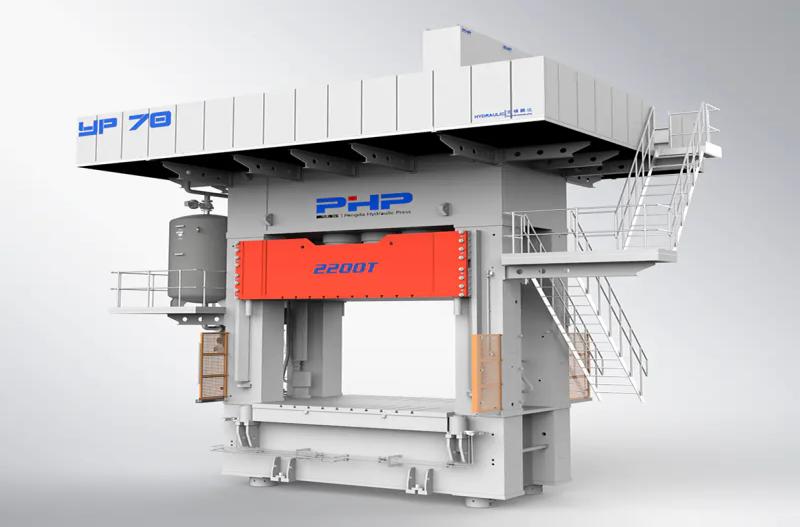
Start with the part’s projected area in the closing direction, including runners and material-bearing features. Subtract only genuinely open areas; for an early estimate, ignoring small holes gives a useful margin. Obtain the molding pressure from the compound supplier and mold trial.
Required force (short tons) = projected area (in²) × molding pressure (psi) ÷ 2,000
Selected press capacity = required force × design margin
Example: a pickup-truck outer panel with 6,000 in² of projected area at 800 psi requires 2,400 short tons. A 20% margin raises the target to 2,880 short tons, pointing to a nominal 3,000-short-ton press. Final review must cover ribs, charge coverage, in-mold coating, losses, and the press’s continuous operating range.
The mold must fit inside the usable platen, not merely between its outer edges. Check tie-rod spacing, clamping slots, ejectors, hoses, electrical connectors, vacuum ports, insulation plates, and robot access. Maximum daylight must exceed the closed mold height plus the clearance needed for the part, end effector, and safe setup. Stroke must provide the required opening movement without forcing every mold to run near a limit.
Finally, specify loaded platen and slide parallelism across the usable area. A small angular error on a wide tool can create early contact on one edge, local under-pressure on the other, uneven flash, and dimensional drift. For a pickup panel, tonnage without adequate platen stiffness and active leveling is false economy.
Heating Systems and Advanced Curing Technologies
| System | Best fit | Advantages | Watch points |
|---|---|---|---|
| Electric cartridges | Small to medium tools and zoned control | Clean installation, fast local response, simple metering | Hot spots, failed heaters, wiring and high peak demand |
| Thermal oil | Large molds needing uniform temperature | Even heat distribution and centralized conditioning | Slower warm-up, pumps, leaks, seals and fluid aging |
| Steam | Plants with existing boiler infrastructure | High heat-transfer rate and rapid energy delivery | Condensate, corrosion, pressure limits and boiler maintenance |
Compare warm-up time, uniformity under load, utility demand, insulation, service labor, and available plant infrastructure. Measure mold-surface temperature at multiple points—not heater setpoint alone.
Vacuum-assisted compression adds a sealed evacuation stage before full molding pressure. Removing air from the cavity and charge interfaces can reduce pinholes, blisters, and internal voids, improving paint-ready appearance and mechanical consistency. Results still depend on seal design, vent location, charge pattern, vacuum level, and the timing of evacuation. Vacuum cannot rescue an already gelled charge or a poorly balanced mold.
Thin-wall parts also magnify parallelism errors. Multi-point position feedback and active leveling can keep the slide square while the material generates uneven reaction forces. Combined with closed-loop temperature, pressure, and position records, this turns cure control into a traceable process rather than an operator adjustment.
Operational Excellence: Energy, Automation and Maintenance
A conventional fixed-speed pump can consume substantial power at low flow demand. A servo-hydraulic system varies motor speed with the cycle, reducing idle losses, oil heating, cooling load, and noise. Buyers should request a measured kWh-per-part comparison using their recipe.
Consider an illustrative line averaging 110 kW with conventional hydraulics and 75 kW with servo hydraulics over 4,000 annual production hours. At the 2025 U.S. average industrial electricity price of 8.62 cents/kWh, direct energy savings are:
Annual savings = (110 − 75) kW × 4,000 h × $0.0862/kWh = $12,068
A $60,000 premium gives a simple payback of about 5.0 years before demand-charge, cooling, or maintenance benefits. Replace every assumption with plant data.
Engineer automation as one safety-rated cell: charge placement, robot loading, mold identification, recipe verification, quick change, ejection, unloading, and inspection. Interlocked gates, appropriate light curtains, safe speed, mechanical restraint, and lockout provisions must match the risk assessment.
| Interval | Recommended checks |
|---|---|
| Each shift | Leaks, oil level and temperature, abnormal noise, guarding, alarms, platen and mold cleanliness |
| Weekly | Filter differential pressure, hoses, fittings, lubrication, safety-device functional test |
| Quarterly or 1,000–2,000 hours | Oil analysis for viscosity, water, particles and oxidation; trend pressure, speed and parallelism |
| Annual planned outage | Calibrate sensors, inspect cylinders and seals, verify fasteners, heating zones, safety stops and electrical cabinet |
Change oil, filters, and seals by analysis, differential pressure, leakage, cycle count, and the component maker’s limits—not by calendar alone. Build the final plan from commissioning baselines and actual production data.
A Smart Buyer’s Guide to Hydraulic SMC Presses
Used presses can be attractive, but asking prices reveal little about installed value. Include dismantling, freight, foundation, rigging, controls, guarding, hydraulic rebuild, heating, vacuum, commissioning, and downtime. Inspect the frame and welds; measure platen flatness and loaded parallelism; test cylinder drift; analyze oil; review maintenance and overload history; and confirm drawings and parts availability.
A staged retrofit may replace an obsolete PLC/HMI, then add servo drives, recipes, data history, diagnostics, metering, and plant connectivity. Safety functions require a documented risk assessment, safety-rated hardware, validation, and updated schematics; a new PLC alone does not make an old press compliant.
Before issuing a purchase order, confirm:
- Validated tonnage, pressure range, loaded parallelism, and platen stiffness
- Usable platen area, tie-rod clearance, daylight, stroke, and handling envelope
- Closing, pressing, dwell, opening, and leveling performance with the production mold
- Heating uniformity, vacuum sequence, utilities, controls, data capture, and service access
- Automation interfaces, spare parts, training, acceptance tests, and lifecycle support
- U.S. machine guarding under OSHA 29 CFR 1910.212 and the applicable risk-based requirements of ANSI B11.2, plus electrical and robotic-cell requirements
ISO 16092-3 may also be relevant to global projects, but its scope and the machine’s application must be checked. Standards are not interchangeable “certificates”; the supplier, integrator, and employer should agree on applicable editions, authority requirements, documentation, and validation before shipment.
Turn Your Part Data into a Press Specification
Send PHP (Pengda Hydraulic Press) your part drawing, projected area, compound data, target cycle, mold envelope, and automation plan. An experienced SMC process engineer can review the application one-to-one and prepare a configuration covering tonnage, platen, daylight, heating, vacuum, controls, and safety interfaces.
Request a Free SMC Press Assessment | View SMC Servo Molding Press Specifications
Frequently Asked Questions
How do I calculate the required press tonnage for my SMC part?
Multiply projected area in in² by pressure in psi, divide by 2,000, and add an engineering margin. Confirm with trials.
What are the differences between 4-column, C-frame, and downstroke hydraulic presses?
Four-column presses offer access; C-frames offer three-sided access but resist off-center loads less effectively. Downstroke describes motion, not frame construction.
When should I choose electric cartridge heating over oil heating?
Choose cartridges for responsive zoned heating. Favor oil for large tools needing uniform heat when the plant can support fluid systems.
How does vacuum compression molding improve SMC quality?
Timed evacuation reduces trapped air, voids, blisters, and pinholes. Benefits require controlled charge placement, sealing, venting, temperature, and cure timing.
What maintenance schedule maximizes uptime?
Use shift inspections, weekly filter and safety checks, oil analysis every quarter or 1,000–2,000 hours, and an annual planned inspection.
Are used hydraulic SMC presses worthwhile?
Yes, if geometry and condition fit. Inspect under load and compare total installed cost—not auction price—with a new press.
How can I retrofit an older press for current U.S. requirements?
Start with a risk assessment, then engineer controls, guards, safe motion, emergency stops, hydraulic monitoring, electrical updates, documentation, and validation.
Engineering note: Numerical examples are illustrative; validate final specifications through production trials and a project-specific risk assessment.