English
 中文简体
中文简体 Español
 Português
 Deutsch
 русский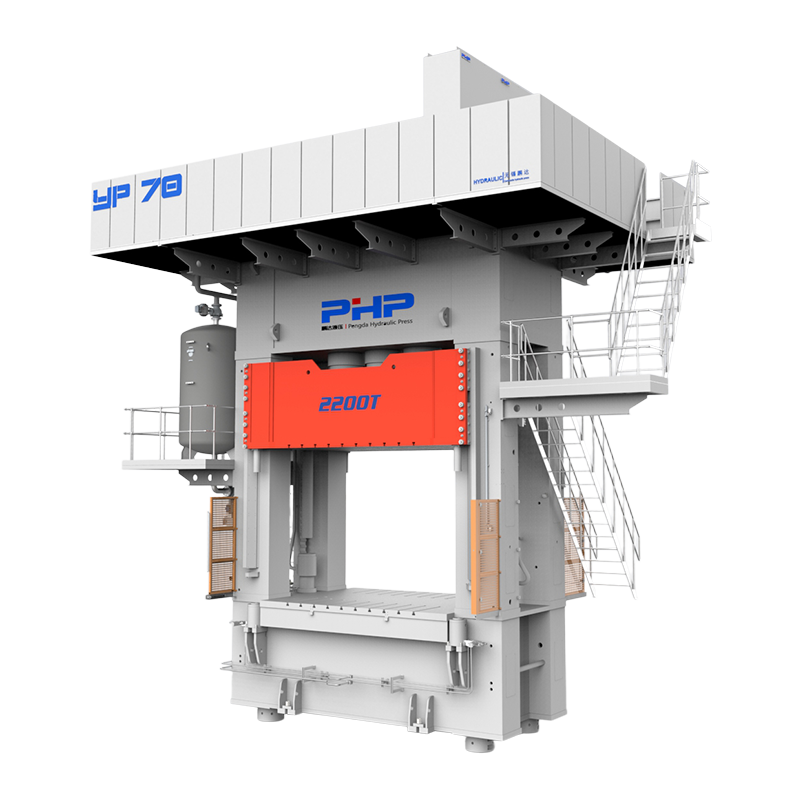


In high-volume SMC compression molding, reducing cycle time by even a few seconds can significantly increase annual production capacity. However, simply shortening cure time or increasing press speed can create short shots, blisters, warpage, incomplete cure and inconsistent dimensions.
The most effective way to shorten an SMC molding cycle is to analyze the complete process: material preparation, charge loading, mold closing, material flow, pressure build-up, cure, decompression, mold opening, ejection and part handling.
Reduce Non-Value-Added Time First → Optimize Flow → Optimize Cure → Automate Repetitive Handling
Content
- 1 1. What Actually Determines SMC Molding Cycle Time?
- 2 2. Optimize the Press Closing Profile Instead of Simply Increasing Speed
- 3 3. Improve Charge Design to Reduce Flow Time
- 4 4. Optimize Mold Temperature Carefully
- 5 5. Reduce Cure Time Based on Actual Cure Behavior
- 6 6. Improve Mold Heating and Thermal Uniformity
- 7 7. Optimize Pressure Build-Up and Holding Pressure
- 8 Use the Actual Press Curve to Find Lost Seconds
- 9 8. Reduce Mold Opening, Ejection and Handling Time
- 10 9. Prepare the Next Charge While the Current Part Is Curing
- 11 10. Use Automation Where Repetition Creates Bottlenecks
- 12 11. Do Not Trade Cycle Time for Defect Rate
- 13 12. Practical Cycle-Time Optimization Workflow
- 14 13. Which Parameters Should Be Monitored?
- 15 Reduce Cycle Time by Improving the Whole SMC Molding System
- 16 SMC Compression Molding Press Solutions from Wuxi PengdaHZ
- 17 Frequently Asked Questions
- 17.1 What is the best way to reduce SMC molding cycle time?
- 17.2 Can increasing mold temperature reduce SMC cure time?
- 17.3 Can faster press closing reduce cycle time?
- 17.4 Why does charge pattern affect cycle time?
- 17.5 How do I know whether cure time is too long?
- 17.6 Does automation reduce SMC molding cycle time?
- 17.7 Which press parameters are most important for fast SMC molding?
1. What Actually Determines SMC Molding Cycle Time?
SMC molding cycle time is often treated as if it were only the cure time. In reality, the total production cycle contains several separate stages.
Total Cycle Time = Loading + Closing + Flow/Compression + Cure + Opening + Ejection + Unloading The largest improvement opportunity is not always in the cure stage.
For example, if a process has a 120-second cure but operators spend another 35 seconds manually loading charges, removing molded parts and preparing the next cycle, reducing cure by 5 seconds may have less impact than automating the handling stage.
01
Material & Loading
Charge cutting, weighing, stacking, positioning and manual loading can create significant idle press time.
02
Molding & Cure
Closing speed, flow behavior, molding pressure, mold temperature and resin cure kinetics determine the productive press cycle.
03
Opening & Handling
Decompression, mold opening, ejection, robotic handling and inspection can determine how quickly the next cycle begins.
Best practice: Record the actual time consumed by every stage before changing process parameters. The longest stage is not always the easiest or safest stage to shorten.
2. Optimize the Press Closing Profile Instead of Simply Increasing Speed
One of the first places to look for cycle-time improvement is press motion. However, an SMC press should not simply close at maximum speed from the open position to full pressure.
A practical compression molding cycle normally uses multiple motion stages:
Fast Approach
The moving platen travels quickly while there is no contact with the SMC charge. This stage should minimize unnecessary idle motion.
Controlled Slow Closing
Once the mold approaches the charge, the press changes to a controlled lower velocity. This allows the SMC to flow through the cavity and gives trapped air time to escape.
Pressure Build-Up
After cavity filling progresses sufficiently, the machine develops the required molding pressure and enters the holding/cure stage.
If slow closing begins too early, valuable cycle time is wasted. If it begins too late or is excessively fast, defects such as trapped air, excessive flash and unstable flow may increase.
The goal is not maximum closing speed. The goal is the shortest repeatable closing profile that still provides stable filling and venting.
3. Improve Charge Design to Reduce Flow Time
Charge pattern has a direct effect on how far SMC must flow before filling the cavity.
An inefficient charge pattern can require excessive material movement, which increases flow time and can also create:
- fiber orientation variation;
- flow marks;
- resin-rich or resin-starved regions;
- air entrapment;
- local thickness variation;
- warpage.
Cycle-time optimization should therefore include experiments with:
- charge coverage;
- sheet dimensions;
- number of layers;
- charge position;
- orientation;
- total charge weight.
A charge pattern that shortens average flow distance can often allow the press to reach stable pressure sooner without simply increasing closing velocity.
4. Optimize Mold Temperature Carefully
Mold temperature has a major influence on both resin flow and cure rate.
Increasing temperature may accelerate cure and reduce holding time, but only within the validated material processing window.
If the mold becomes too hot, the resin can begin curing before the SMC has completely filled the cavity. Possible consequences include:
- short shots;
- poor rib filling;
- flow marks;
- surface defects;
- excessive internal stress.
If temperature is too low, the opposite problem occurs: cure takes longer and the press remains occupied unnecessarily.
Do Not Check Only the Controller Setpoint
A controller displaying the correct temperature does not guarantee uniform tool temperature. Measure multiple mold locations and verify center, corners, thick regions, thin sections and recurring defect locations.
Improving thermal uniformity can sometimes reduce cycle time without increasing the nominal mold temperature because the coldest areas of the mold no longer determine the minimum cure time.
5. Reduce Cure Time Based on Actual Cure Behavior
Cure time often represents the largest single portion of an SMC molding cycle, making it an obvious optimization target.
However, cure time should not be shortened only because the molded part appears visually acceptable immediately after opening.
Insufficient cure may cause:
- post-mold warpage;
- blisters;
- dimensional drift;
- reduced mechanical performance;
- surface problems during painting or secondary processing;
- poor thermal stability.
A better approach is to determine the minimum acceptable cure time using process trials and, where appropriate, material characterization such as DSC.
Do Not Target the Shortest Cure Time Target the shortest cure time that consistently meets dimensional, mechanical and surface requirements.
If a process currently uses a highly conservative holding time, controlled trials can reduce it step by step while checking:
- part temperature after ejection;
- dimensional stability;
- warpage after cooling;
- surface condition;
- mechanical properties;
- post-cure behavior.
6. Improve Mold Heating and Thermal Uniformity
Uneven mold temperature can force the entire molding cycle to wait for the coldest region of the part to cure.
Common thermal problems include:
- poor heater-zone balance;
- incorrect thermocouple location;
- heater degradation;
- large differences between thick and thin mold sections;
- heat loss near mold edges;
- poor thermal contact between mold components.
Periodic thermal mapping helps identify these differences.
Better Temperature Uniformity → More Uniform Cure → Less Safety Margin → Shorter Validated Cycle
This is often safer than simply increasing every heater setpoint.
7. Optimize Pressure Build-Up and Holding Pressure
Pressure should develop at the correct stage of material flow. Building full pressure too early may restrict flow or increase flash, while building pressure too slowly can waste machine time and produce insufficient compaction.
Engineers should review the actual press curve rather than relying only on programmed values.
Use the Actual Press Curve to Find Lost Seconds
A useful cycle record should show:
- platen position;
- approach speed;
- slow molding speed;
- speed transition point;
- pressure build-up;
- peak pressure;
- holding pressure;
- holding duration;
- decompression;
- opening speed.
Reviewing these curves can reveal unnecessary delays, slow transitions, pressure overshoot, unstable pressure and excess dwell time that are difficult to identify from setpoints alone.
8. Reduce Mold Opening, Ejection and Handling Time
Many manufacturers focus almost entirely on cure time while overlooking several seconds lost after curing is already complete.
Potential opportunities include:
- faster but controlled decompression;
- optimized mold opening speed;
- shorter unnecessary full-open travel;
- automatic ejector sequencing;
- robotic part removal;
- automatic release-agent spraying;
- parallel charge preparation outside the press;
- automatic next-charge positioning.
If a press opens 300 mm farther than necessary on every cycle, for example, both opening and closing time are wasted.
Optimize the required opening distance for the actual mold and handling method. Do not automatically use maximum press stroke for every product.
9. Prepare the Next Charge While the Current Part Is Curing
One of the simplest productivity improvements is to move material-preparation work outside the press cycle.
Instead of waiting until the mold opens before preparing the next charge, operators or automation can prepare it during the curing stage.
This can include:
- cutting SMC sheets;
- weighing the charge;
- stacking layers;
- verifying orientation;
- placing the charge onto a loading tray.
The press should spend as much time as possible performing value-producing molding rather than waiting for manual preparation.
10. Use Automation Where Repetition Creates Bottlenecks
Automation does not automatically reduce cure time, but it can significantly reduce variation and dead time between molding cycles.
| Automation Area | Potential Cycle-Time Benefit | Additional Benefit |
| Automatic Charge Loading | Reduces press waiting time | More repeatable charge position |
| Robot Part Removal | Faster, repeatable unloading | Improved operator safety |
| Automatic Ejection | Shorter unloading sequence | Consistent part release |
| Automatic Release Agent Application | Reduces manual intervention | More consistent application |
| Recipe Control | Reduces setup and adjustment time | Improved repeatability |
| Cycle Data Logging | Helps identify hidden delays | Supports process improvement and SPC |
11. Do Not Trade Cycle Time for Defect Rate
A faster cycle is not useful if scrap and rework increase.
Suppose a process is reduced from 180 seconds to 160 seconds, but reject rate increases from 1% to 7%. The theoretical productivity improvement may be largely lost through:
- scrap material;
- rework labor;
- machine time used for replacement parts;
- quality inspection;
- production interruptions.
Cycle-time optimization should always be evaluated together with first-pass yield, scrap rate, dimensional capability and part performance.
12. Practical Cycle-Time Optimization Workflow
1
Record the Current Cycle Break the complete molding cycle into loading, closing, flow, pressure build-up, cure, opening, ejection and unloading.2
Identify the Largest Time Consumers Separate productive cure time from avoidable waiting or unnecessary machine movement.3
Optimize Non-Cure Time First Improve loading, approach speed, opening distance, unloading and handling before shortening cure aggressively.4
Review Charge and Flow Optimize charge position and press closing profile to reduce unnecessary material flow.5
Map Mold Temperature Verify thermal uniformity rather than relying only on heater setpoints.6
Reduce Cure Time in Controlled Steps Validate each change with dimensional, surface and mechanical checks.7
Standardize the Improved Recipe Lock validated speed, position, pressure, temperature and timing parameters into the production recipe.13. Which Parameters Should Be Monitored?
| Parameter | Why Monitor It? |
| Total Cycle Time | Primary productivity indicator |
| Loading Time | Identifies handling bottlenecks |
| Closing Time | Identifies unnecessary slow movement |
| Pressure Build-Up Time | Shows hydraulic and process transition performance |
| Cure / Hold Time | Often the largest productive part of the cycle |
| Mold Temperature | Controls flow and cure behavior |
| Opening / Ejection Time | Identifies non-molding losses |
| Part Weight | Confirms stable charge preparation |
| Scrap Rate | Prevents false productivity improvements |
| First-Pass Yield | Confirms that faster production still produces acceptable parts |
Reduce Cycle Time by Improving the Whole SMC Molding System
The fastest SMC process is not created by changing one parameter.
Sustainable cycle-time reduction comes from coordinating:
Material + Charge Pattern + Mold Temperature + Press Motion + Pressure + Cure + Automation
In many cases, the safest productivity gains come from eliminating non-value-added movement, improving charge placement and stabilizing mold temperature before attempting aggressive cure-time reductions.
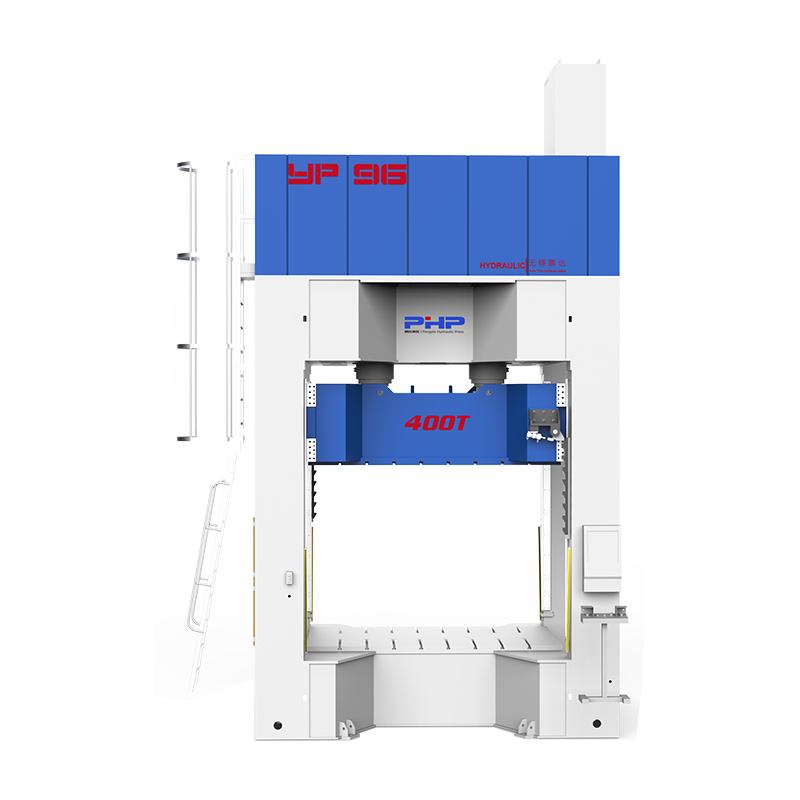
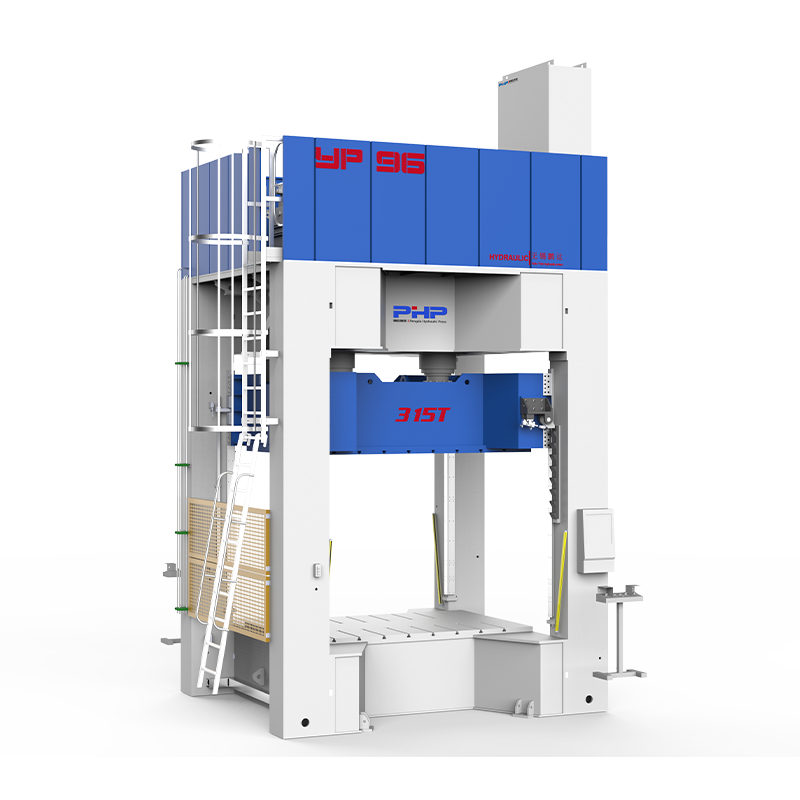
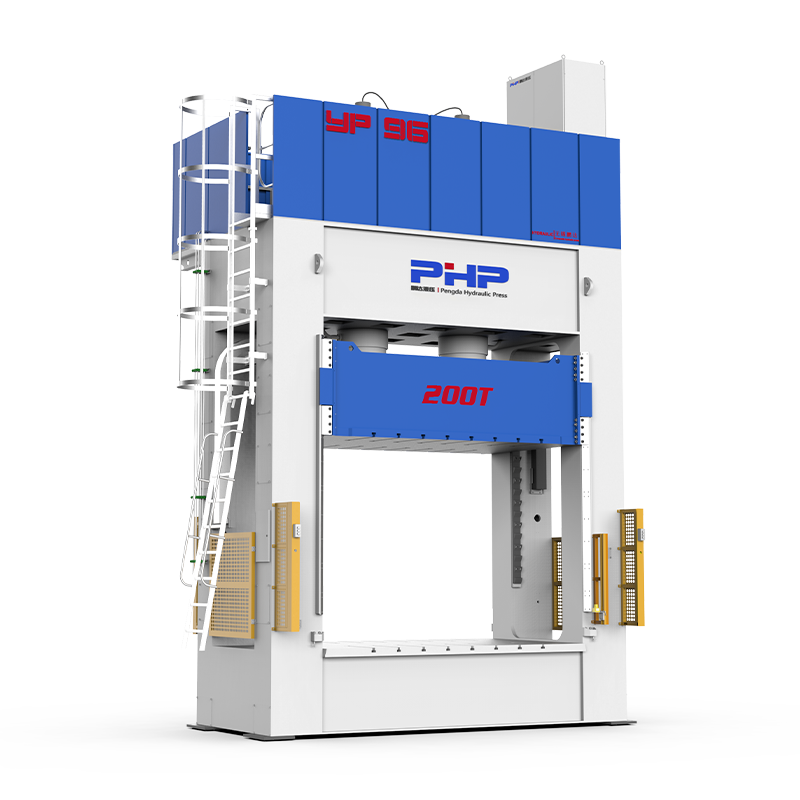
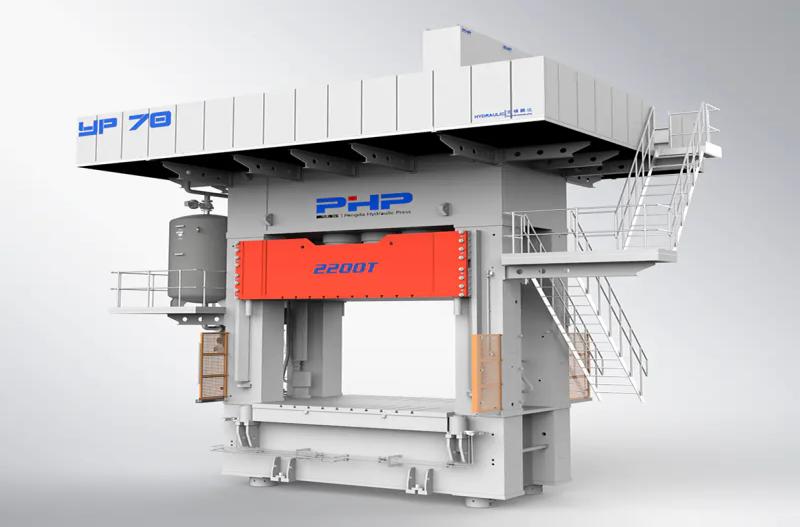
A well-controlled hydraulic press is also important because faster production requires repeatable transition between fast approach, controlled flow, pressure build-up, holding, decompression and opening.
SMC Compression Molding Press Solutions from Wuxi PengdaHZ
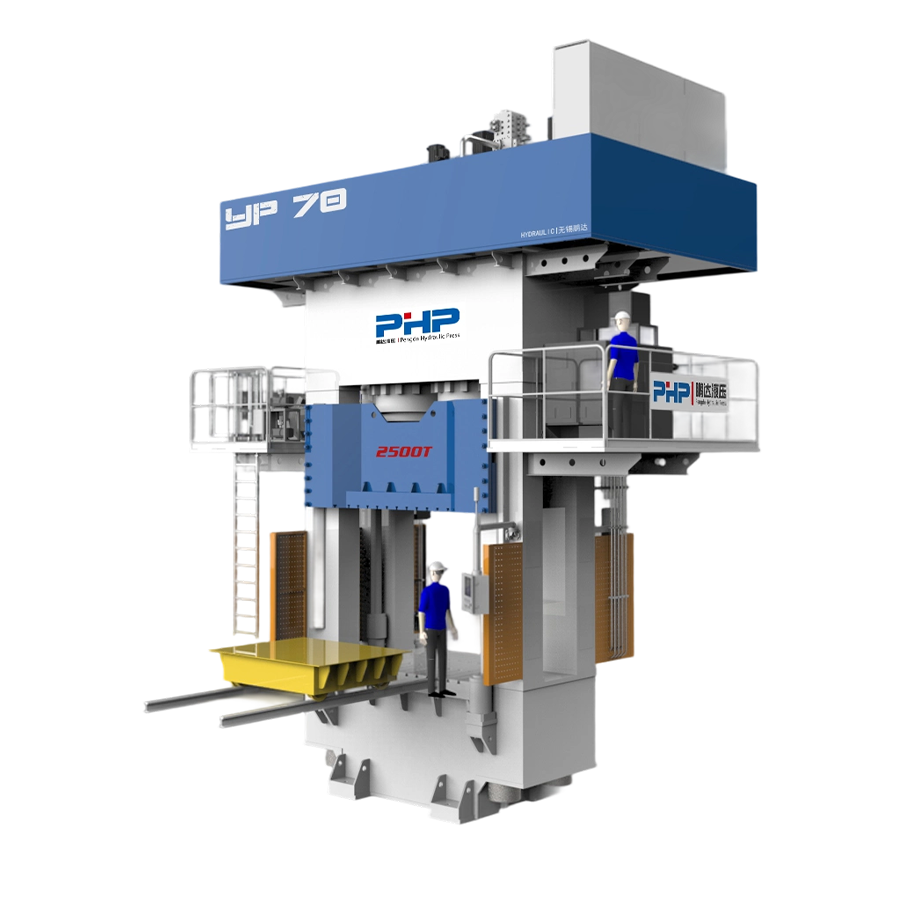
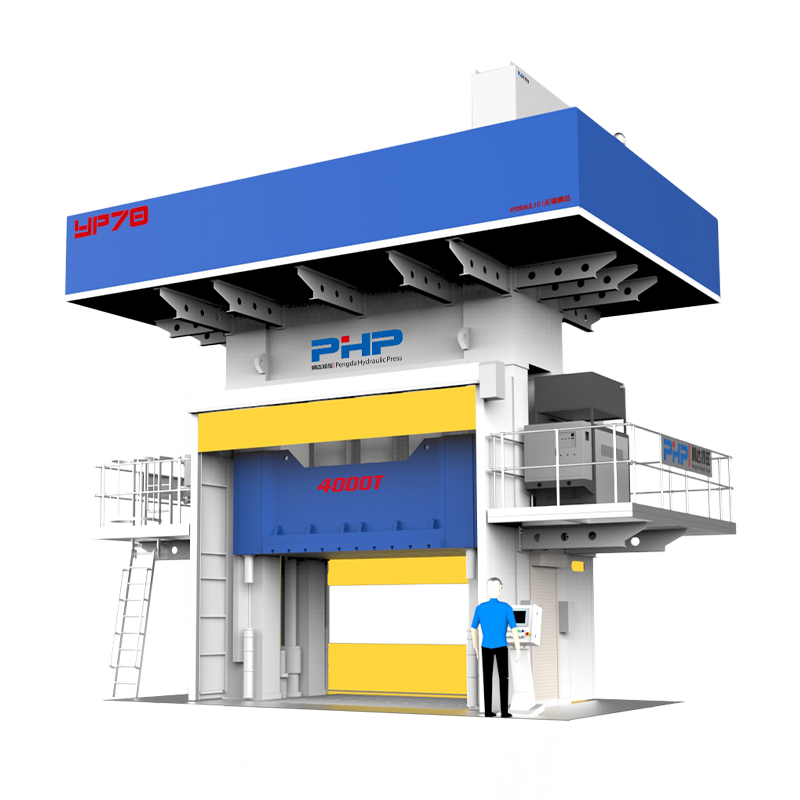
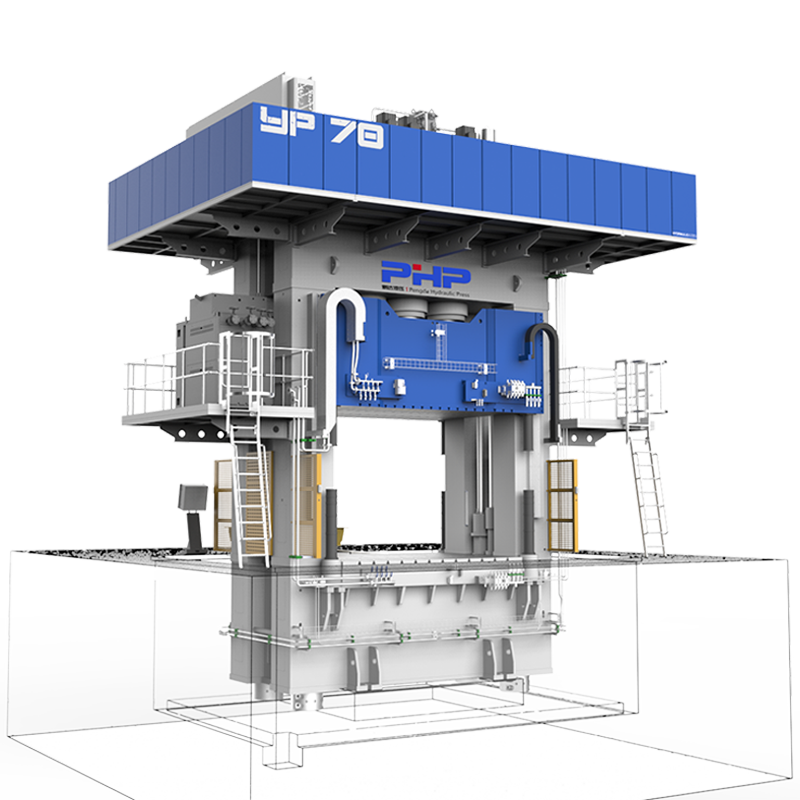
Wuxi PengdaHZ Intelligent Equipment Co., Ltd. develops hydraulic press systems for SMC, BMC and composite compression molding applications.
For manufacturers targeting shorter cycle times, equipment selection should consider more than nominal press tonnage. Closing speed, slow molding speed, pressure response, position repeatability, mold-opening distance, hydraulic capacity and automation interfaces can all influence real production output.
When evaluating an SMC press or production line, useful information includes part dimensions, material type, mold size, required pressure, current or target cycle time, daily output, loading method and automation requirements.
Visit wuxipd.com for more information about customized SMC compression molding presses and composite molding production solutions.
Frequently Asked Questions
What is the best way to reduce SMC molding cycle time?
First divide the complete cycle into loading, closing, molding, cure, opening and unloading stages. Reduce unnecessary handling and machine movement before aggressively shortening cure time.
Can increasing mold temperature reduce SMC cure time?
Potentially, but only within the validated material processing window. Excessive temperature can cause premature gelation, short shots, poor flow and surface defects.
Can faster press closing reduce cycle time?
Yes, particularly during the no-load approach stage. However, the molding stage usually requires controlled lower velocity so the SMC can flow correctly and trapped air can escape.
Why does charge pattern affect cycle time?
Charge location determines how far the SMC must flow. Better charge coverage and positioning can reduce flow distance and help the cavity reach stable filling and pressure more quickly.
How do I know whether cure time is too long?
Conduct controlled trials by reducing hold time step by step and checking dimensional stability, warpage, surface quality, post-mold behavior and required mechanical properties.
Does automation reduce SMC molding cycle time?
Automation can reduce loading, unloading, ejection and waiting time. It also improves repeatability, which can make an optimized molding cycle easier to maintain in production.
Which press parameters are most important for fast SMC molding?
Important parameters include fast approach speed, controlled molding speed, transition position, pressure build-up rate, holding-pressure stability, ram position repeatability, decompression, opening distance and automation coordination.