English
 中文简体
中文简体 Español
 Português
 Deutsch
 русский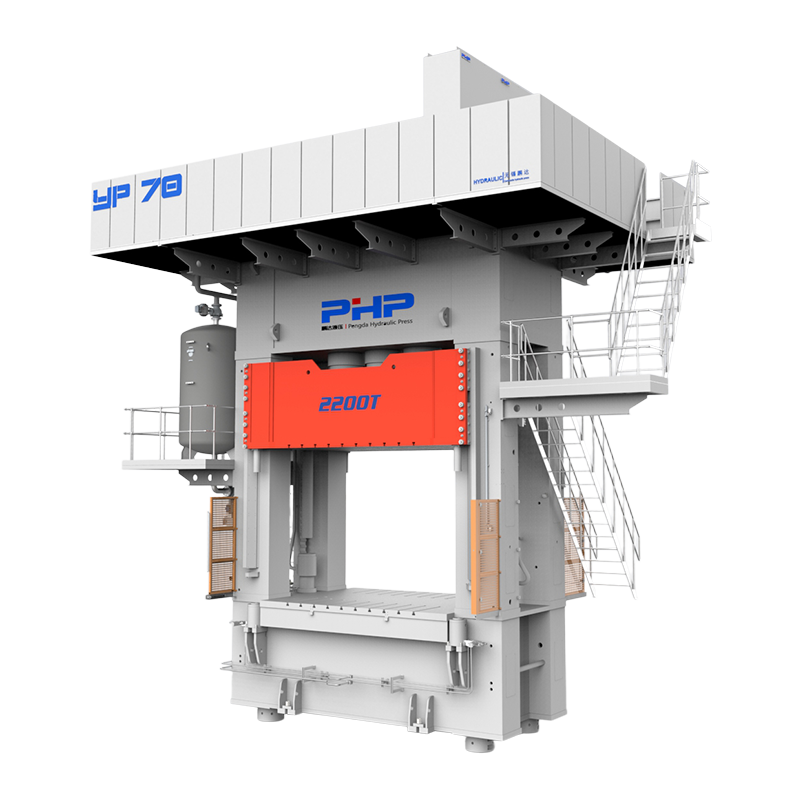
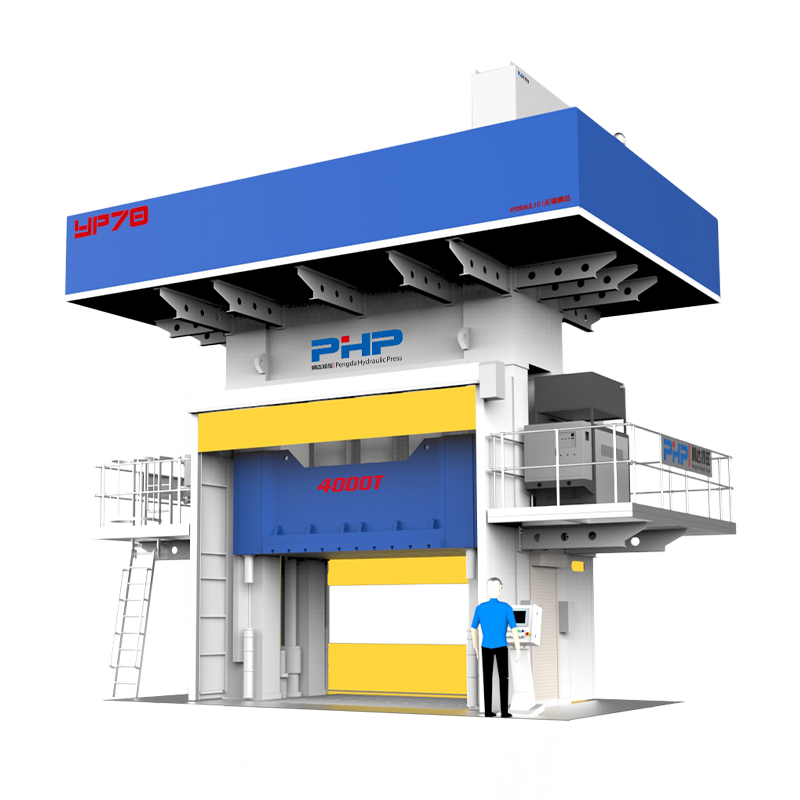
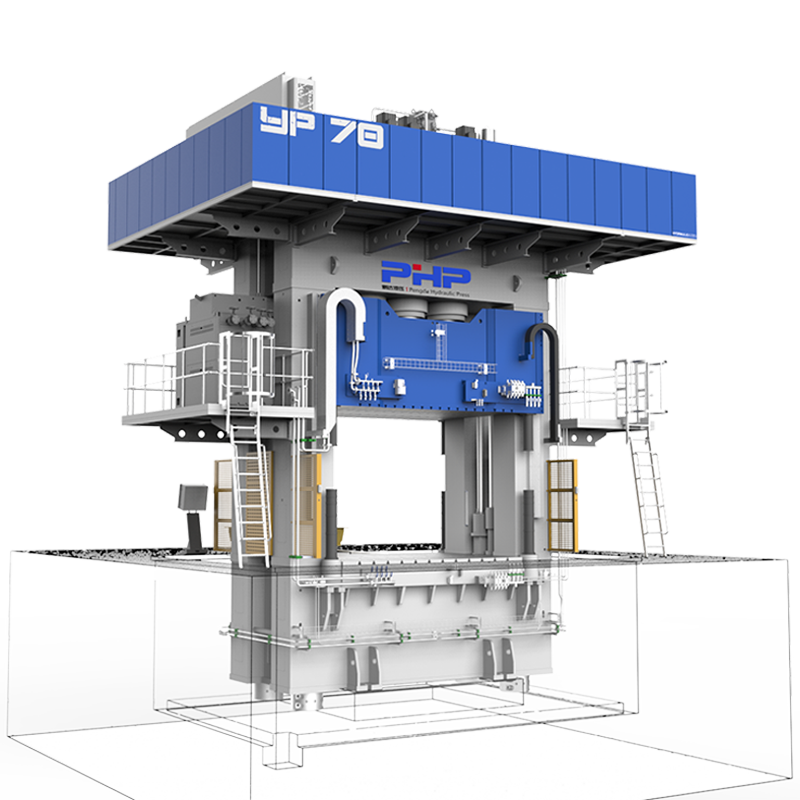
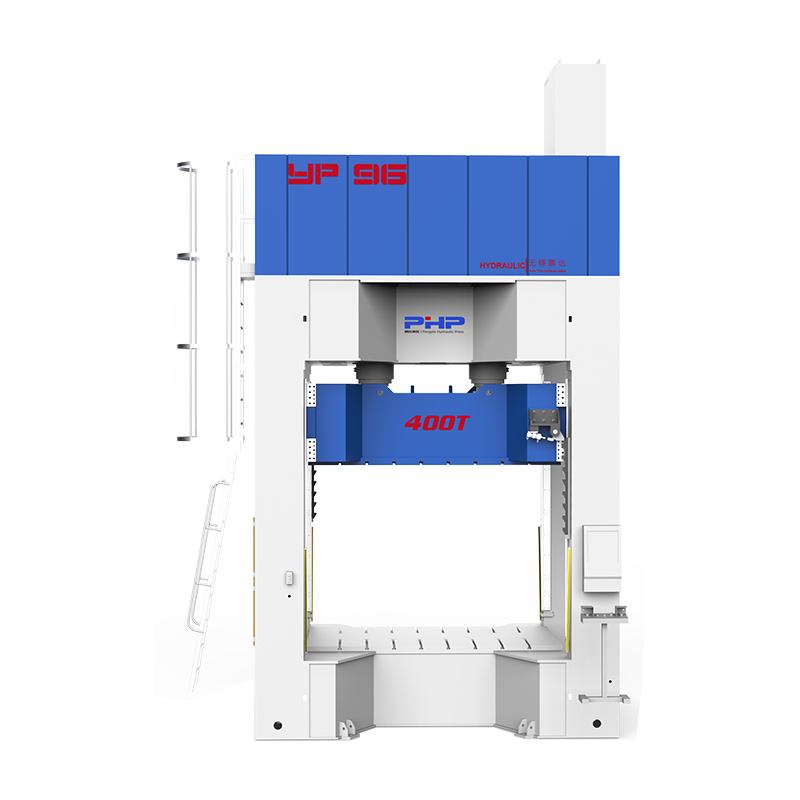
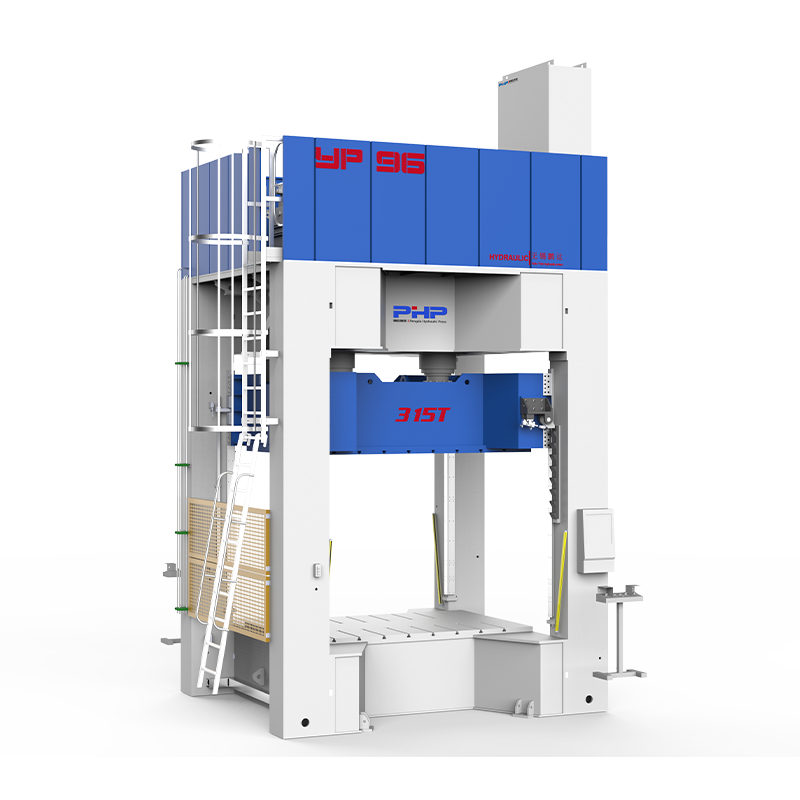
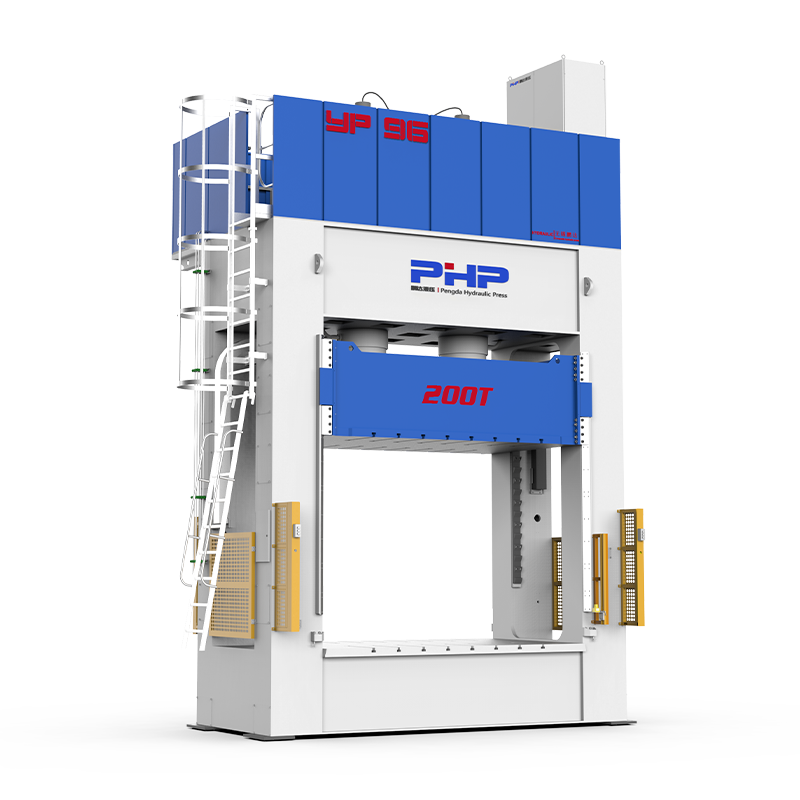
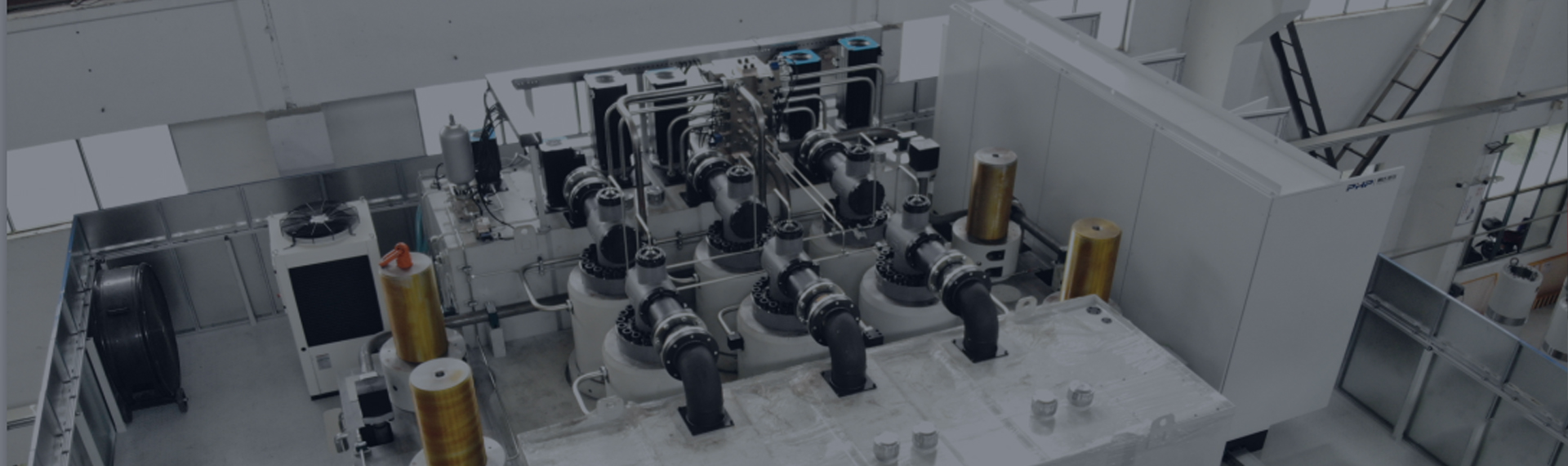

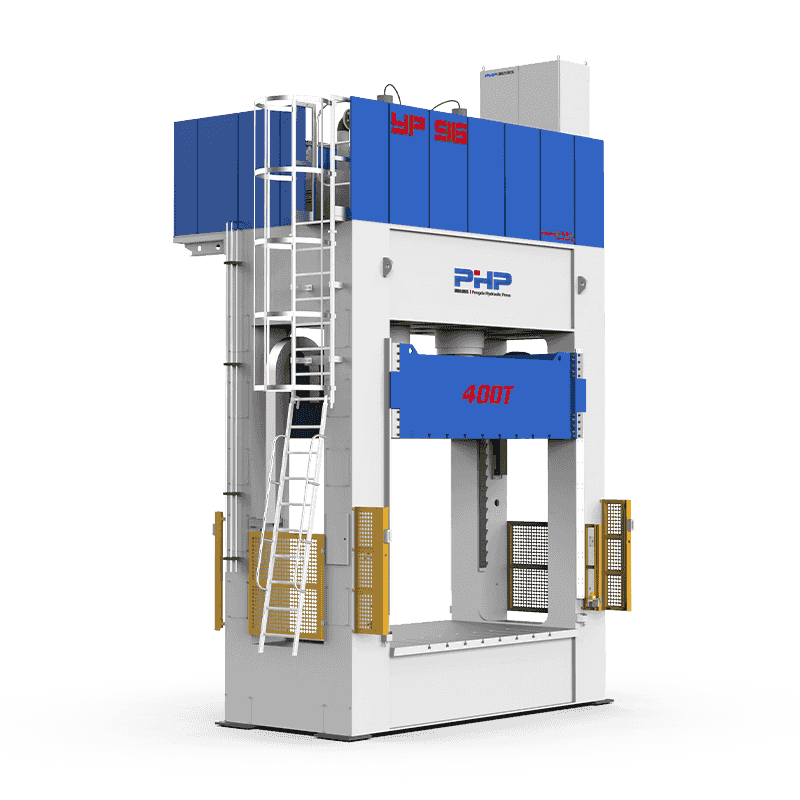
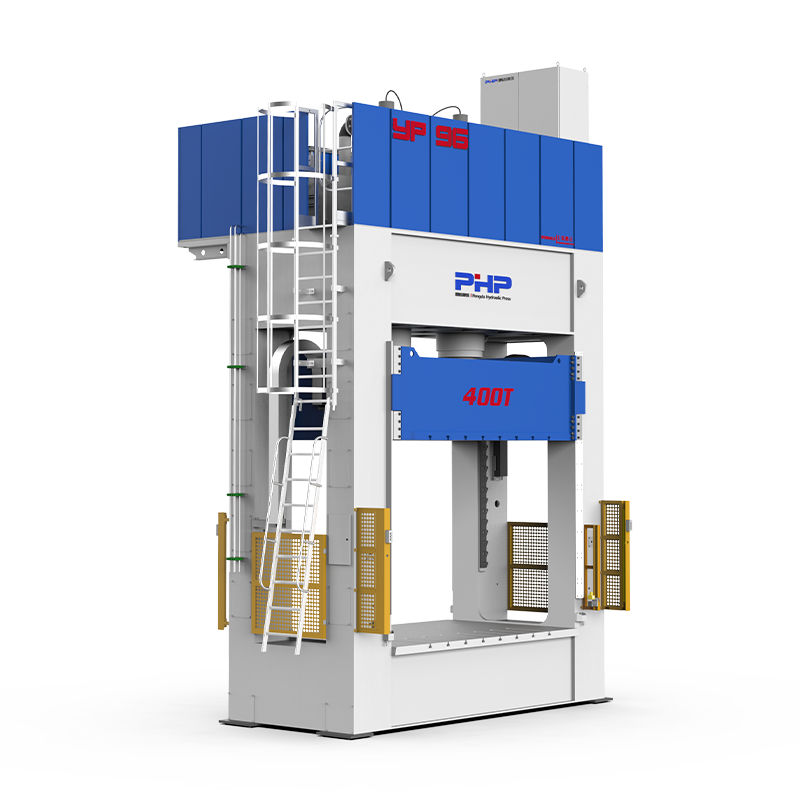
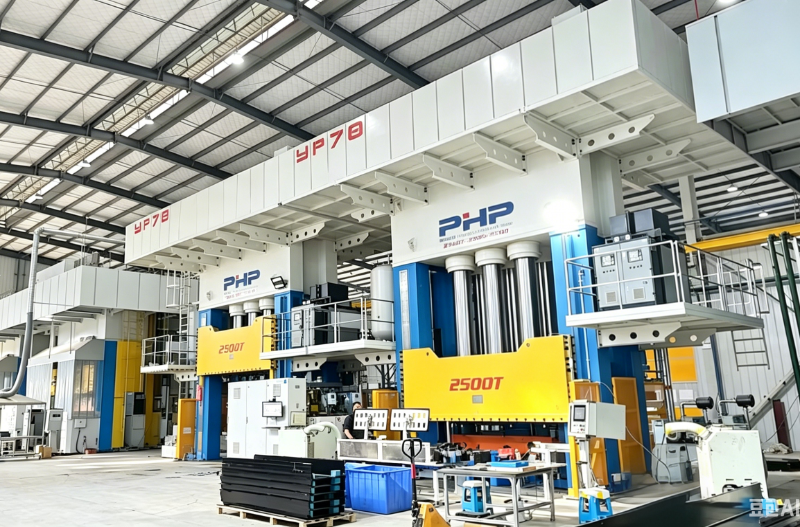
A composite press is a special molding equipment that manufactures high-strength and lightweight composite components by applying controllable pressure, temperature, and holding pressure to composite raw materials such as fibers and resins. The core advantages of this equipment lie in uniform pressure distribution and stable temperature control, which enable the internal structure of composite materials to be dense and defect-free, meeting industrial performance standards. With standardized operation, the qualified rate of its finished products can reach more than 95%. Today, it has become an indispensable piece of equipment in the production of high-end composite parts.
Content
Working Principle of composite press
The composite press completes operations based on the physical and chemical changes of composite materials under external conditions. It integrates a mechanical pressurization system, temperature control system, and mold system to realize integrated molding. The entire operation process features high precision and strong controllability, which can effectively avoid material damage caused by uneven stress or excessive temperature.
Temperature Control System
Most composite materials need to complete curing and molding at a specific temperature. The composite press is equipped with a multi-zone temperature control system, and the temperature error can be controlled within ±2℃, ensuring the full curing reaction between resin and fibers. This not only prevents thermal decomposition of materials but also avoids incomplete curing.
Core Structural Components of the composite press
The stable operation of a composite press is inseparable from various core components. Each component performs its own duties and collaborates to ensure efficient molding operations. The main components are as follows:
- Main pressure machine: Provides main power and pressure output, supporting the entire molding process
- Control panel: Sets and monitors parameters such as pressure, temperature, and pressure holding time
- Mold fixing device: Locks the mold to ensure accurate alignment and balanced pressure
- Safety protection system: Prevents overpressure, overtemperature, and various mechanical failures
Typical Application Fields of the composite press
Composite presses are widely used in various high-performance material processing industries. Products processed by it have the characteristics of light weight, high strength, corrosion resistance, and fatigue resistance, and have gradually replaced traditional metal and plastic products in many scenarios.
Aerospace Field
In the aerospace industry, this equipment is used to produce wing components, cabin accessories, and internal structural parts. The processed composite materials can reduce the overall weight of aircraft by 20% to 30%, while improving structural strength, effectively reducing fuel consumption, and further enhancing flight safety.
Automobile Manufacturing Field
It is applied to produce battery shells and chassis components in the automotive sector. Lightweight composite accessories can extend the cruising range of electric vehicles and improve the impact resistance of the whole vehicle.
Construction and Wind Power Fields
In the construction industry, it can produce corrosion-resistant building plates and load-bearing components; in the wind power industry, it is used to manufacture large fan blades. Composite materials have excellent durability, and the service life of related supporting equipment can exceed 20 years even in complex environments.
Standard Operating Procedures of the composite press
Standardized operation is the basis for ensuring equipment operation status and finished product quality. The entire operation process is divided into five core steps, each of which directly affects the final molding effect.
- Prepare composite raw materials and molds, and clean the surface of the pressure plate
- Set the target pressure, temperature, and pressure holding time through the control system
- Start the equipment to apply pressure and raise the temperature
- Maintain constant pressure and temperature until the material is completely cured
- Slowly release pressure and cool down, then take out the molded composite components
Maintenance Points and Advantage Summary of the composite press
Daily Maintenance Requirements
Regular maintenance can extend the service life of a composite press to 15 to 20 years. The focus of daily maintenance includes: inspecting the hydraulic system, calibrating temperature sensors, cleaning mold pressure plates, and lubricating mechanical transmission parts. Regular inspection can greatly reduce the probability of equipment failure and ensure continuous production.
Core Advantage Summary
Compared with other molding equipment, the composite press has outstanding advantages: high molding precision, stable product performance, compatibility with a variety of composite materials, high production efficiency, and lower long-term use cost. It is the core equipment for the large-scale production of high-quality composite components. With the continuous development of the composite material industry, its application scope will continue to expand.