
 English
 中文简体
中文简体 Español
 Português
 Deutsch
 русский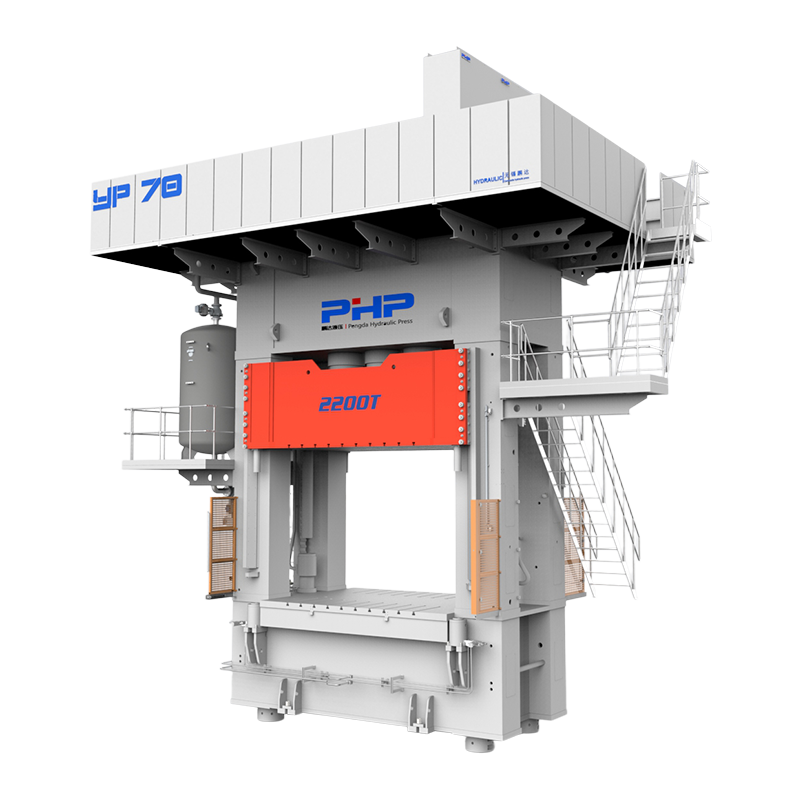
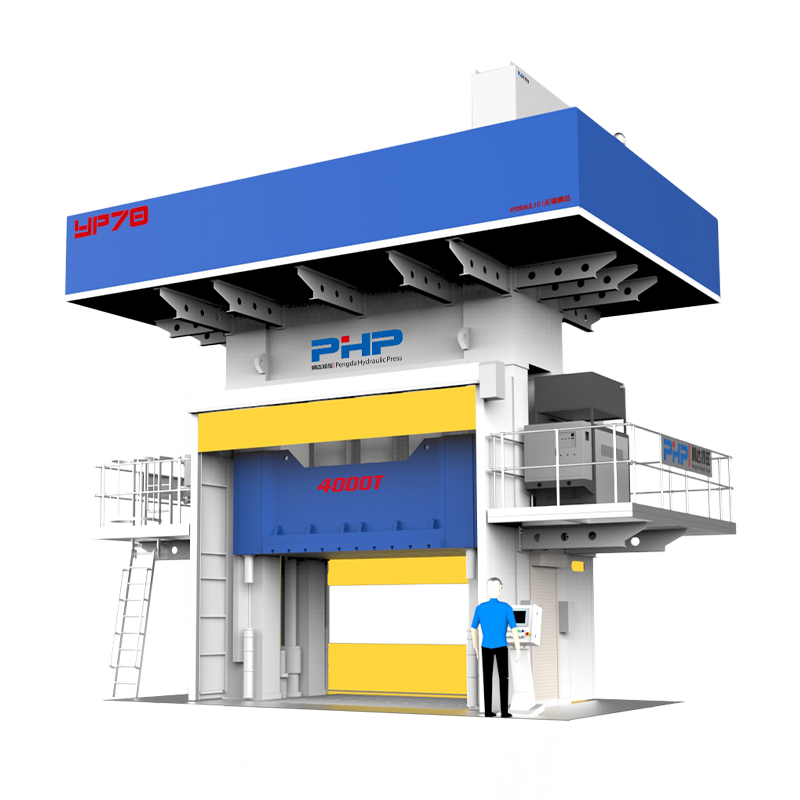
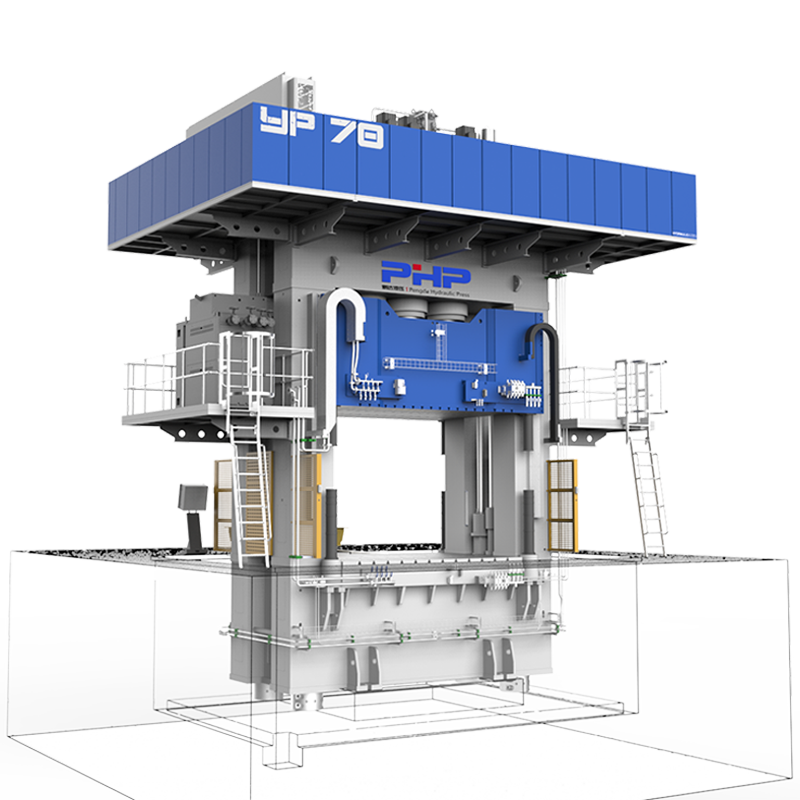
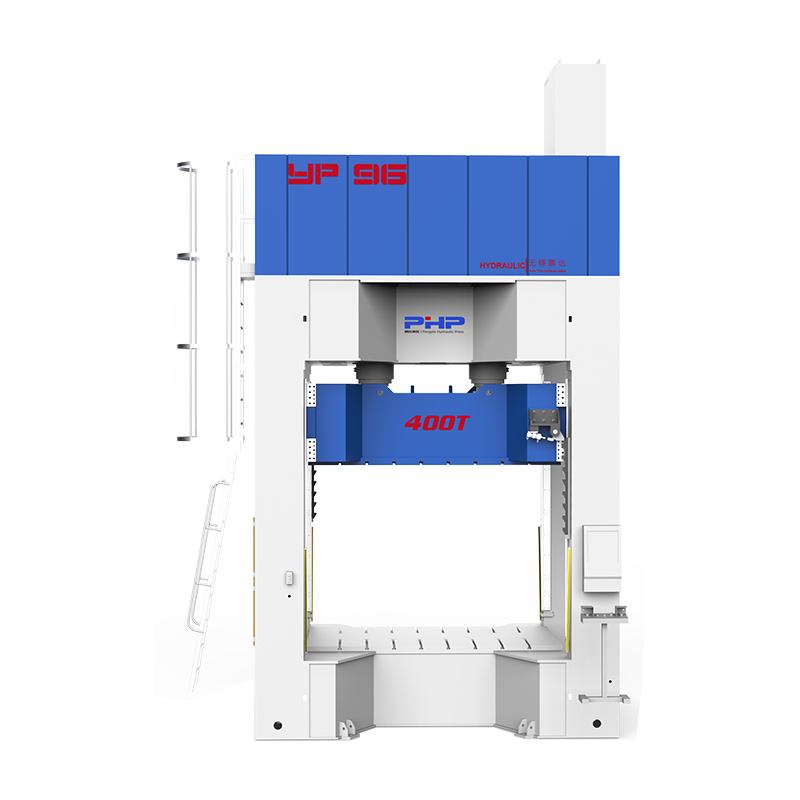
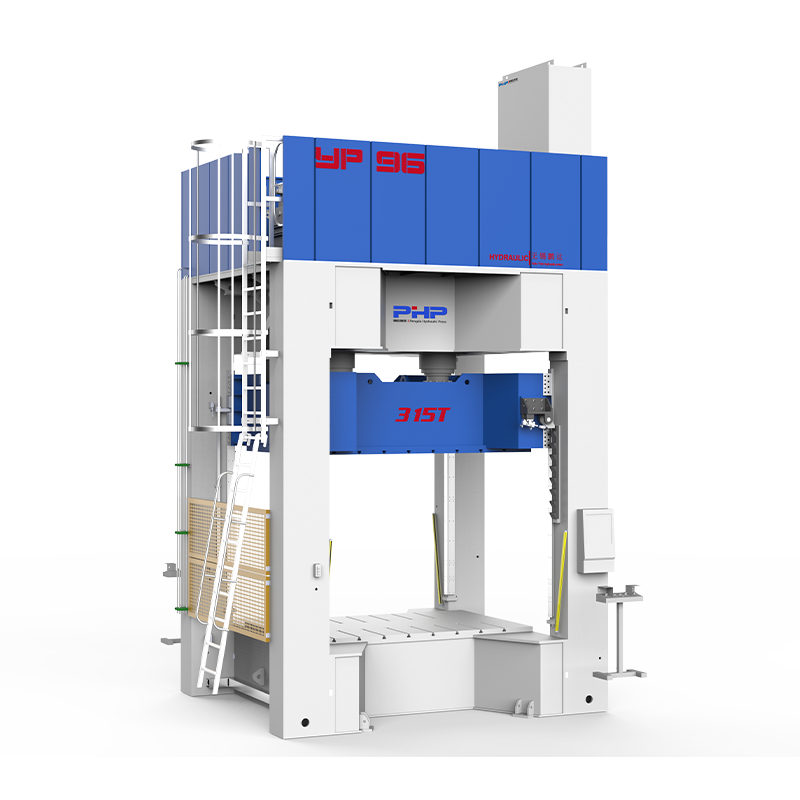
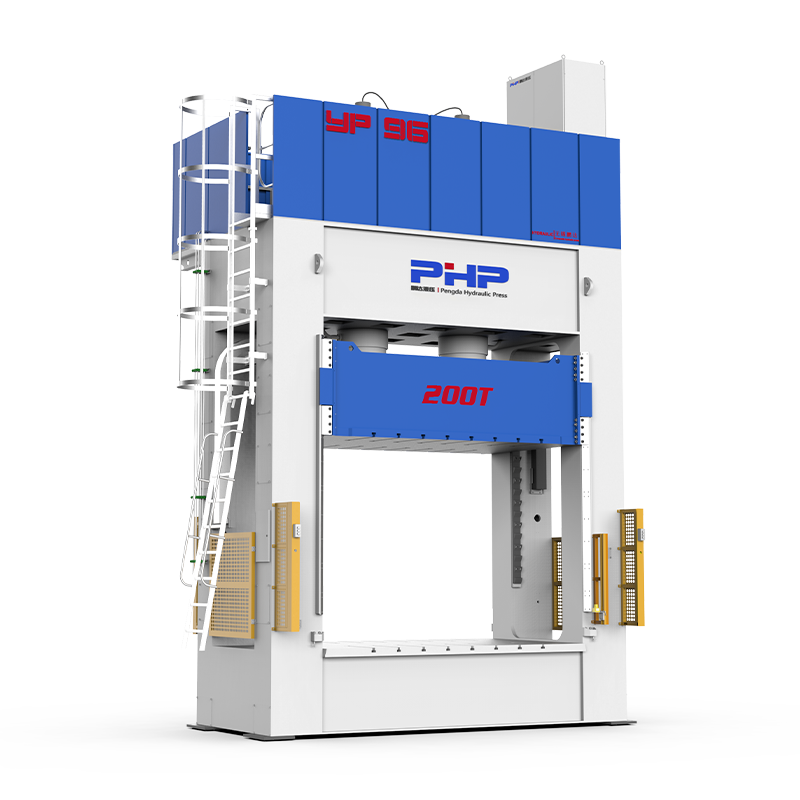
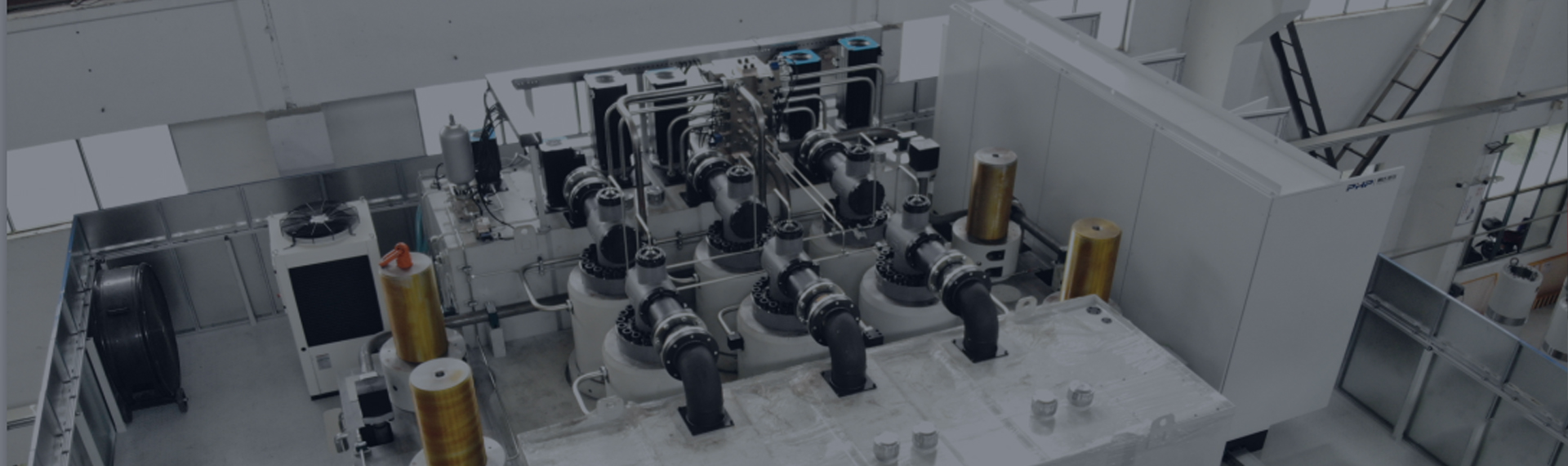

The SMC hydraulic press is an advanced, highly reliable industrial machine that utilizes fluid pressure to generate immense compressive force for various manufacturing and assembly processes. It is indispensable for industries requiring heavy-duty capabilities combined with precision control. By transferring power through hydraulic fluid, the equipment ensures smooth, consistent operations that minimize the risk of defects in the final product.
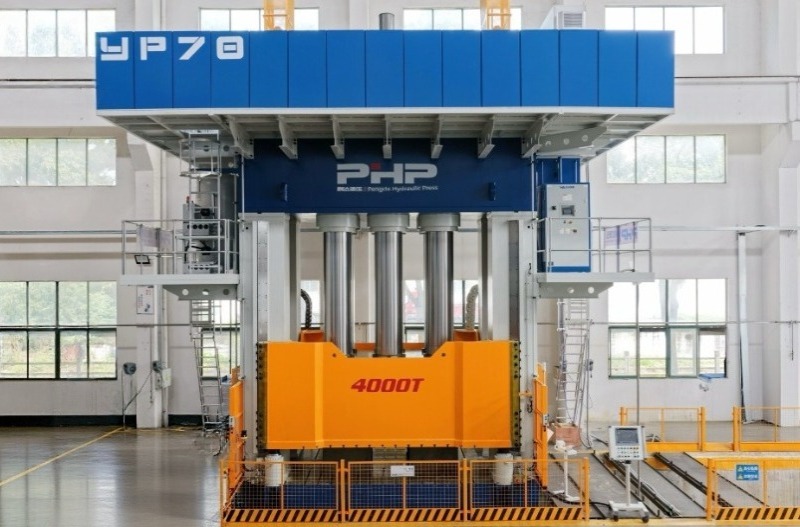
Integrating high-quality pneumatic and hydraulic components, this machinery offers superior durability in demanding industrial environments. Whether you are performing metal forming, stamping, or complex material testing, understanding its operational principles, applications, and maintenance requirements is essential for maximizing productivity and ensuring workshop safety.
Content
Understanding the Core Mechanism
The operation of an SMC hydraulic press is based on Pascal's Law, which states that pressure applied to a confined fluid is transmitted undiminished in all directions. This fundamental physics principle allows the press to multiply a small input force into a massive output force, enabling heavy-duty machining without requiring enormous mechanical leverage.
Key Components and Their Functions
The efficiency of the system relies on the coordinated operation of several core components. Each element plays a critical role in generating, controlling, and applying hydraulic power.
- Hydraulic Pump: Acting as the heart of the machine, it converts mechanical energy into fluid energy. It pushes the hydraulic fluid into the system at high pressure.
- Control Valves: These valves precisely regulate the flow rate and direction of the fluid, allowing operators to dictate the speed, position, and force exerted by the ram.
- Hydraulic Cylinder: This is where fluid pressure is converted into linear mechanical force. The piston inside the cylinder pushes the ram, applying the necessary pressure to the workpiece.
- Frame and Bolster: The heavy-duty structural components bear the immense stress generated during operation, ensuring stability and alignment to prevent deflection.
This synergy of components ensures that the machine can handle continuous, high-stress operations without faltering. The integration of advanced valves allows for fine-tuned control, which is often difficult to achieve with purely mechanical presses.
Primary Industrial Applications
SMC hydraulic presses are incredibly versatile and find applications across numerous industrial sectors. Their ability to apply consistent, adjustable pressure makes them ideal for processes where precision and power are equally paramount.
Metal Forming and Fabrication
In the metalworking industry, the machine is heavily utilized for bending, stamping, and drawing operations. For example, in automotive part manufacturing, thick metal sheets must be shaped into specific contours without compromising the structural integrity of the material. The hydraulic press provides a slow, controlled application of force, reducing the risk of fracturing or tearing the metal compared to high-impact mechanical methods.
Assembly and Press Fitting
Another critical application is the press-fitting and assembly of mechanical parts. Components that require precise alignment and high force to be joined together—such as bearings, bushings, and gears—are safely pressed into position. The use of a hydraulic system ensures that the force is distributed evenly, preventing incidental damage to delicate components.
| Industry | Application | Primary Benefit |
|---|---|---|
| Automotive | Metal stamping, part assembly | High force, consistency |
| Aerospace | Composite molding, material testing | Precision control, overload protection |
| Consumer Goods | Appliance casing forming | Versatility, surface finish quality |
Key Advantages of Utilizing the Technology
Investing in a hydraulic press setup brings several operational advantages that directly impact the productivity and bottom line of a manufacturing facility.
Enhanced Precision Control
Unlike mechanical presses that have a fixed stroke and speed, hydraulic systems offer complete control over the force, speed, and position at any point during the stroke. This dynamic adjustability allows operators to fine-tune settings for different material thicknesses and compositions, significantly reducing scrap rates and ensuring high-quality standard outputs.
Inherent Overload Protection
One of the most critical safety features of a hydraulic press is its built-in overload protection. The system is designed to operate at a predetermined pressure limit. If the machine encounters an immovable object or if the required force exceeds its capacity, a safety relief valve automatically opens to divert the fluid. This prevents catastrophic structural failure and protects expensive dies and workpieces from irreversible damage.
Optimal Maintenance Practices
To ensure longevity and consistent performance, proactive maintenance of an SMC hydraulic press is absolutely necessary. Neglecting routine upkeep can lead to fluid contamination, seal wear, and valve failure, all of which contribute to costly downtime.
- Fluid Quality Monitoring: Regularly check the hydraulic oil level and condition. Contaminated or degraded fluid will rapidly degrade the performance of internal components. A consistent fluid sampling and filtration schedule should be followed.
- Seal and Hose Inspection: Inspect the hydraulic cylinders and hoses for signs of leakage. Over time, seals can dry out and crack due to heat and pressure exposure. Replacing worn seals promptly prevents catastrophic pressure loss and hazardous workplace conditions.
- System Pressure Calibration: Periodically verify the accuracy of pressure gauges and sensors. An uncalibrated sensor can cause operators to apply too little or too much force, compromising material tolerances.
Implementing these practices ensures that the machinery operates at peak efficiency, reducing energy consumption and extending the overall lifecycle of the equipment.
Safety Considerations During Operation
Operating any industrial press carries inherent risks, and strict adherence to safety protocols is non-negotiable. The immense force generated by the machine means that human negligence can result in severe injury in a fraction of a second.
Operators must be equipped with appropriate personal protective equipment, including safety glasses, steel-toed boots, and hearing protection. Furthermore, the machine itself must be fitted with functional safety barriers, such as two-hand control systems and light curtains. These systems guarantee that the operator's hands are clear of the die area, and that any physical intrusion during an active stroke immediately halts the machine. Regular staff training on safety procedures and emergency response drills are equally important components of any operation.
By combining robust machine safety features with well-trained personnel, facilities can foster a zero-accident work environment while maintaining high production throughput.


