English
 中文简体
中文简体 Español
 Português
 Deutsch
 русский
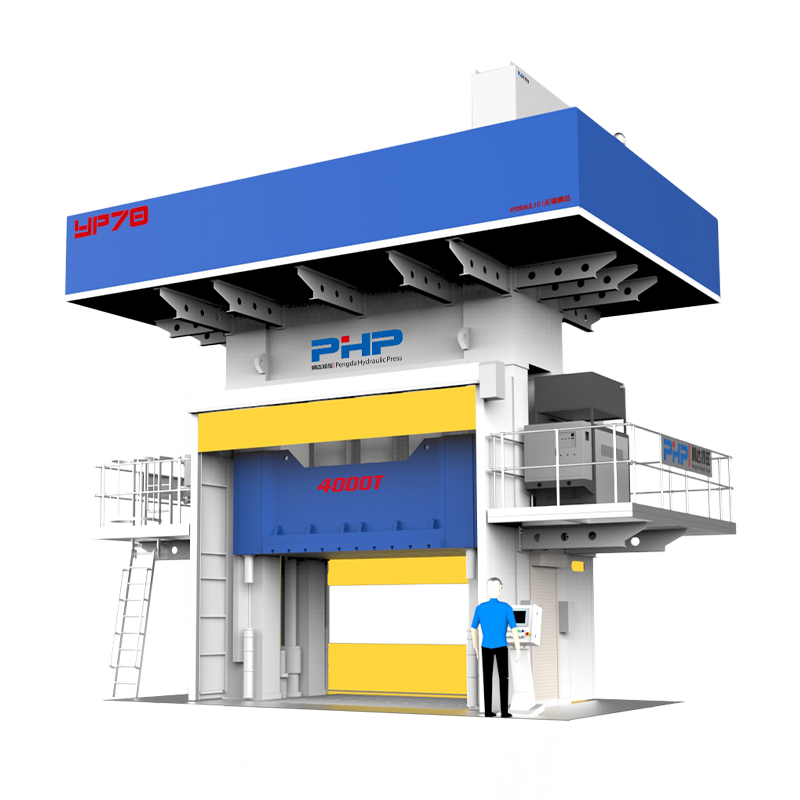
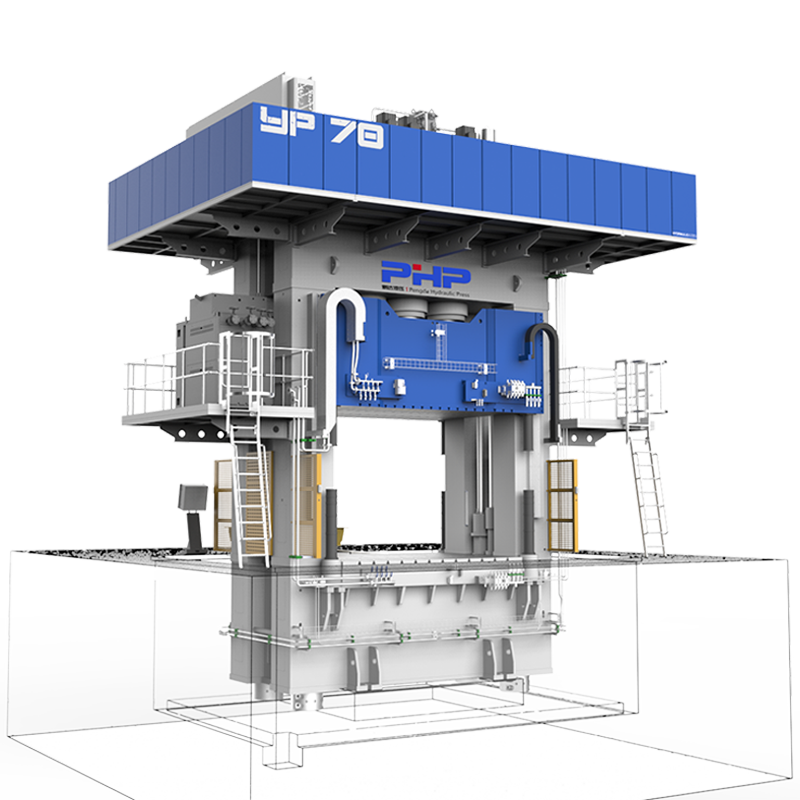
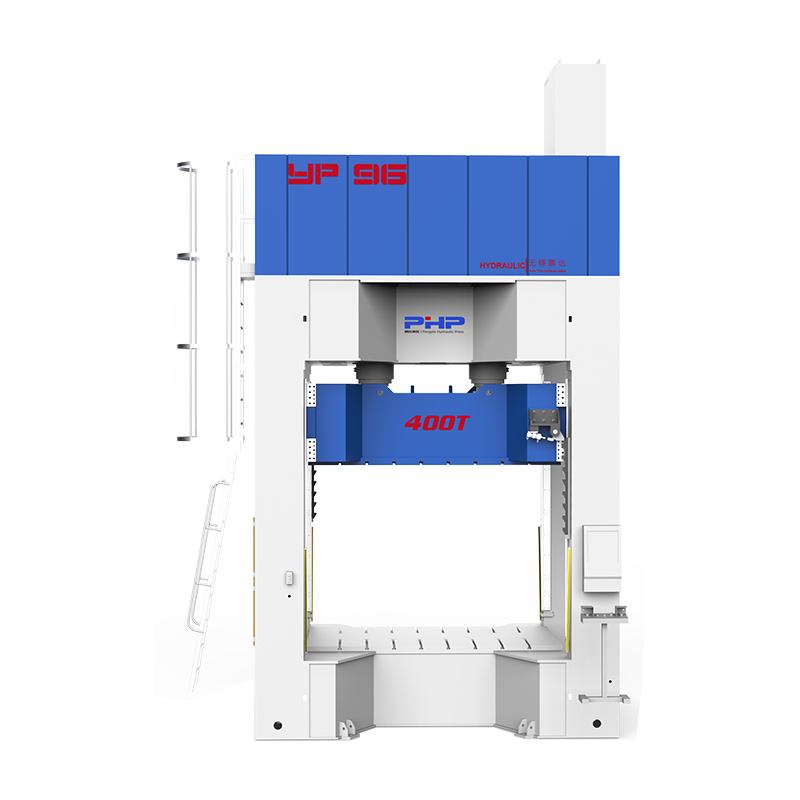
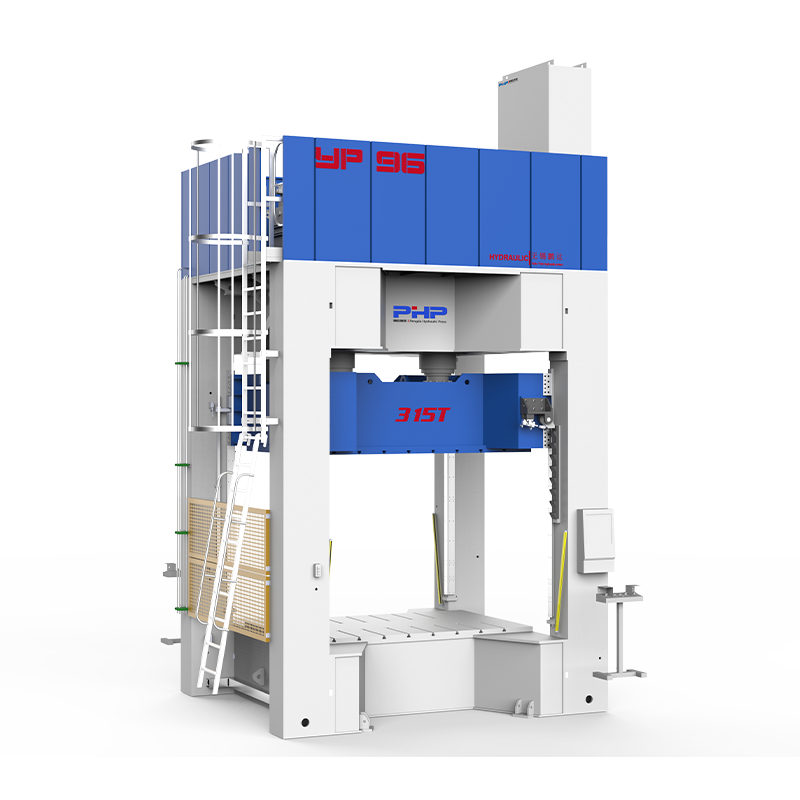
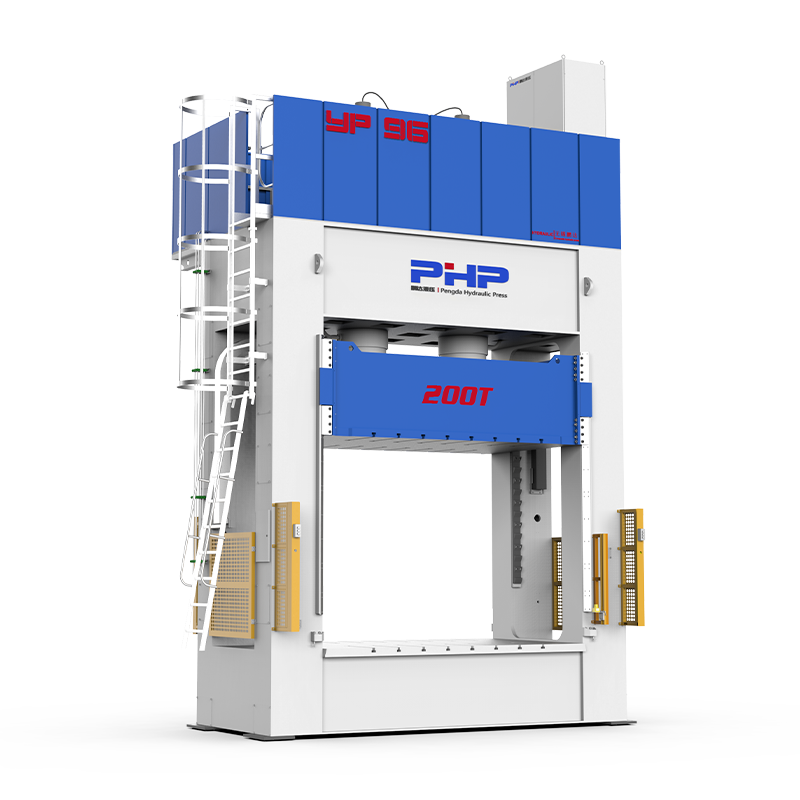

The SMC molding press serves as the critical cornerstone in modern composite manufacturing, bridging the gap between raw material potential and finished structural integrity. It is not merely a machine for applying force; it is a sophisticated system that precisely orchestrates heat, pressure, and time to transform Sheet Molding Compound (SMC) into complex, high-strength components. The primary function of this equipment is to ensure that the resin flows completely and evenly within the mold cavity, enveloping the glass fibers to create a dense, void-free structure. Unlike traditional manufacturing methods that require extensive post-processing or assembly, the SMC molding press enables the creation of net-shape parts in a single, rapid cycle, making it the definitive solution for mass-producing lightweight and durable composite products.
Content
Fundamental Working Principle of the Molding Press
Understanding the operational mechanics is essential for appreciating the capabilities of the SMC molding press. The process begins with the placement of pre-cut SMC charge onto the lower half of a heated mold. The press then initiates a controlled closing sequence. As the upper mold descends, it first makes contact with the material, and the hydraulic system begins to build pressure. This pressure forces the material to flow and fill the mold cavity. The combination of high temperature, typically ranging between 130 and 160 degrees Celsius, and immense pressure, which can exceed hundreds of tons, triggers the chemical reaction that cures the thermoset resin. The press maintains this pressure for a specific duration to ensure the part is fully cured and stable before opening and ejecting the finished product.
The Critical Role of Hydraulic Systems
At the heart of the SMC molding press lies the hydraulic power unit. This system is responsible for generating the immense clamping force required to keep the mold tightly sealed against the internal pressure generated by the flowing material. The hydraulic system must offer exceptional control over the speed of the ram. A specific feature known as variable speed closing is crucial. The press often approaches the mold quickly to save cycle time but slows down significantly just before contacting the material. This speed reduction is vital to prevent hydraulic shock waves that could damage the mold or cause the fiber orientation to become distorted, which would compromise the mechanical properties of the final part.
Structural Composition and Design Features
The physical construction of the press determines its durability and the quality of the parts it produces. A typical SMC molding press is a robust assembly designed to withstand years of high-stress operation.
| Component | Function |
|---|---|
| Machine Frame | Provides structural rigidity and resists deflection under high tonnage loads. |
| Moving Platen | Carries the mold and transmits hydraulic force to the SMC material. |
| Heating Platens | House heating elements to maintain optimal mold temperature for curing. |
| Control Console | Interfaces with the operator to set parameters like pressure, speed, and temperature. |
Heating Technologies Comparison
The method of heating the mold is a major differentiator among presses. The choice depends on the specific material requirements and production volume.
- Steam Heating: Ideal for uniform temperature distribution across large surface areas. It is energy-efficient for continuous operations but requires a dedicated boiler system.
- Oil Heating: Offers precise temperature control and can reach higher temperatures than steam. It is safer than steam as it operates at lower pressures, though it requires regular maintenance of thermal oil circuits.
- Electric Heating: Best for rapid heat-up times and lower installation costs. It is suitable for smaller presses or where installing fluid piping is impractical, but it can sometimes create "hot spots" if not carefully managed.
Process Parameters Influencing Part Quality
The sophistication of the SMC molding press allows for the fine-tuning of several parameters that directly dictate the quality of the molded part. Mastery of these variables is what separates high-quality production from standard output.
Pressure Regulation and Timing
The clamping force must be calculated based on the projected area of the part. Insufficient pressure leads to short shots, where the mold does not fill completely. Conversely, excessive pressure can cause flash, requiring additional trimming labor. Modern presses utilize proportional valves to ensure the pressure ramp-up is smooth and consistent, preventing the sudden impact that could damage the glass fibers within the matrix.
Temperature Uniformity
Temperature consistency is non-negotiable. If the mold temperature varies significantly from one area to another, the resin will cure at different rates. This differential curing can induce internal stresses, leading to warpage or surface blemishes. Advanced presses employ multi-zone heating controls, allowing operators to independently adjust the temperature of different segments of the mold to compensate for heat loss or varying material thickness in the part design.
Industrial Applications and Advantages
The versatility of the SMC molding press has secured its place in a wide array of industries that demand high strength-to-weight ratios. The ability to mold complex geometries without the need for assembly is a significant advantage.
- Automotive Sector: This is the largest consumer of SMC parts. Items such as bumper beams, battery boxes for electric vehicles, and door panels are produced on these presses. The material's lightweight nature helps manufacturers reduce vehicle weight, improving fuel efficiency without sacrificing safety.
- Electrical Industry: SMC is an excellent insulator. Presses are used to create junction boxes, switchgear housings, meter boxes, and transformer components that must withstand outdoor elements and high voltages.
- Construction and Infrastructure: The corrosion resistance of SMC makes it ideal for structural profiles, water tanks, and architectural facades. The press can produce large, flat panels that mimic the appearance of stone or wood while offering superior durability.
Distinct Advantages Over Alternative Methods
Compared to metal stamping, SMC molding eliminates the need for corrosion protection coatings and reduces part count by integrating features into a single mold. Compared to hand lay-up processes, the press offers unmatched consistency and speed, reducing cycle times from hours to minutes. This automation ensures every part coming off the press is virtually identical to the first, a necessity for high-volume production runs.
Key Considerations for Equipment Selection
Selecting the appropriate SMC molding press involves a comprehensive analysis of production needs and future scalability. The decision should not be based solely on tonnage but on a holistic view of the machine's capabilities.
- Tonnage Requirements: The press must generate enough clamping force to keep the mold closed against the expanding pressure of the curing material. A general rule involves calculating the projected area of the part and multiplying it by a pressure factor, often ranging from 500 to 1000 psi depending on the complexity of the flow.
- Daylight and Stroke: The "daylight" refers to the vertical opening between the platens when the press is fully open. This dimension must accommodate the height of the mold plus enough clearance for the molded part to be removed easily. The stroke length dictates how deep the press can close, critical for deep-draw parts.
- Platen Dimensions: The size of the platen must match or exceed the size of the mold. Using a mold that is larger than the platen causes uneven pressure distribution, leading to flashing and premature wear of the press structure.
- Control System Sophistication: Modern presses utilize PLCs (Programmable Logic Controllers) with touch-screen interfaces. These systems allow for the storage of multiple recipes, meaning operators can switch between different parts quickly without manually adjusting valves or limit switches. This data logging capability is essential for quality assurance and traceability.