English
 中文简体
中文简体 Español
 Português
 Deutsch
 русский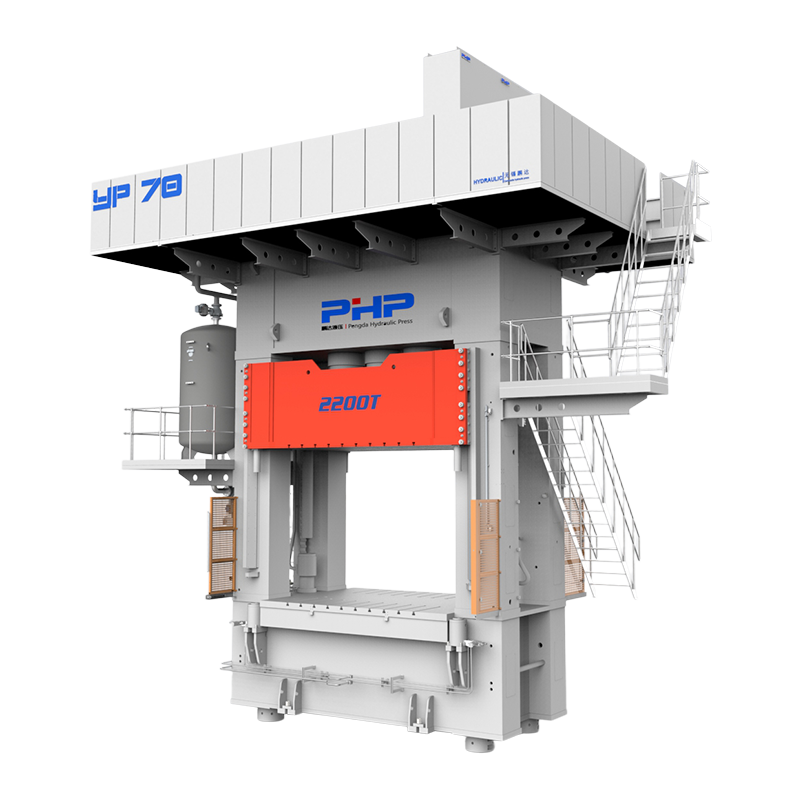
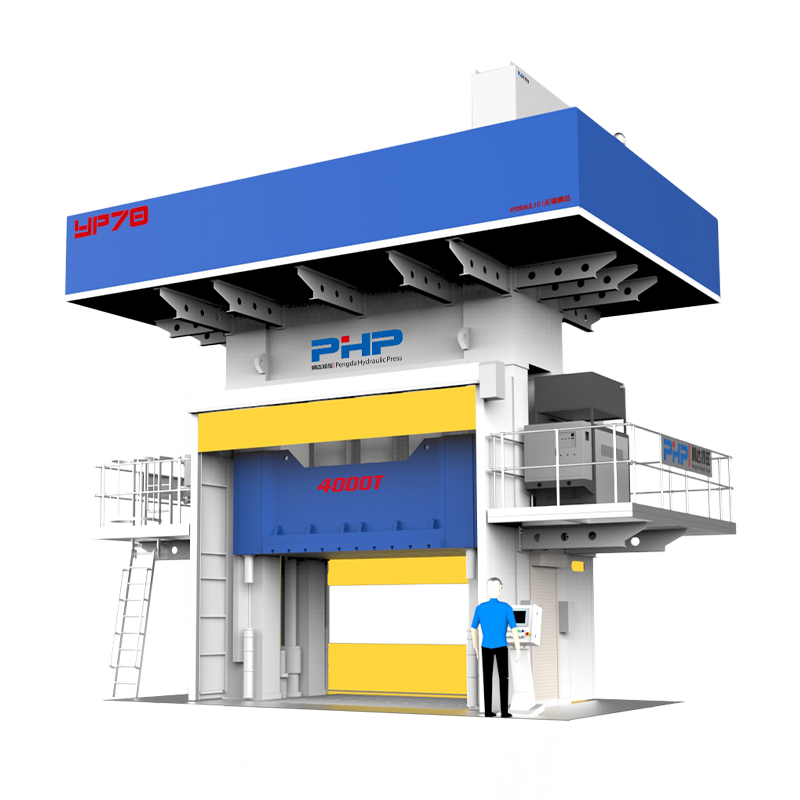
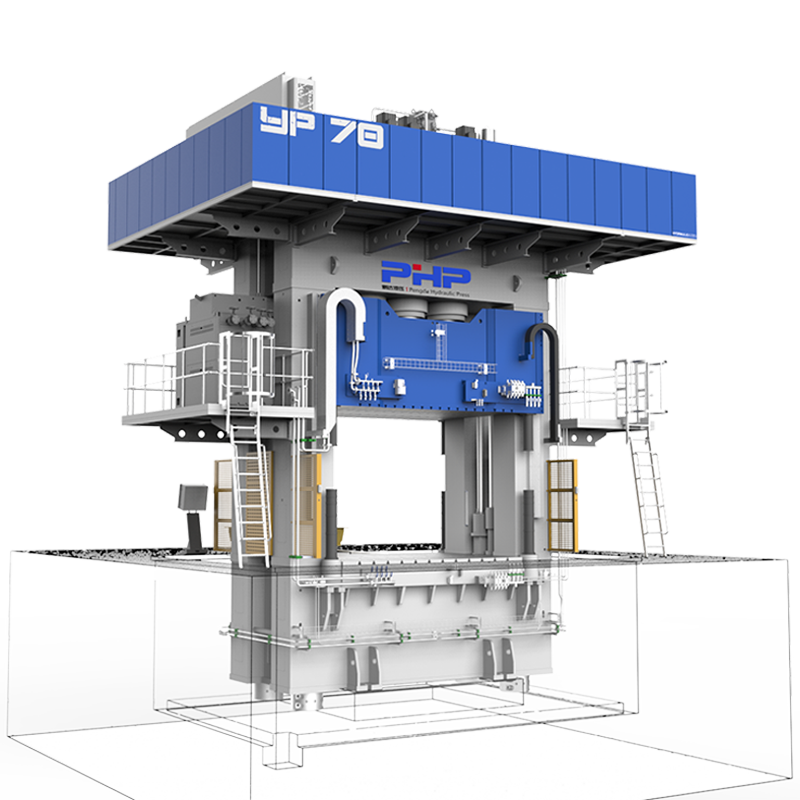
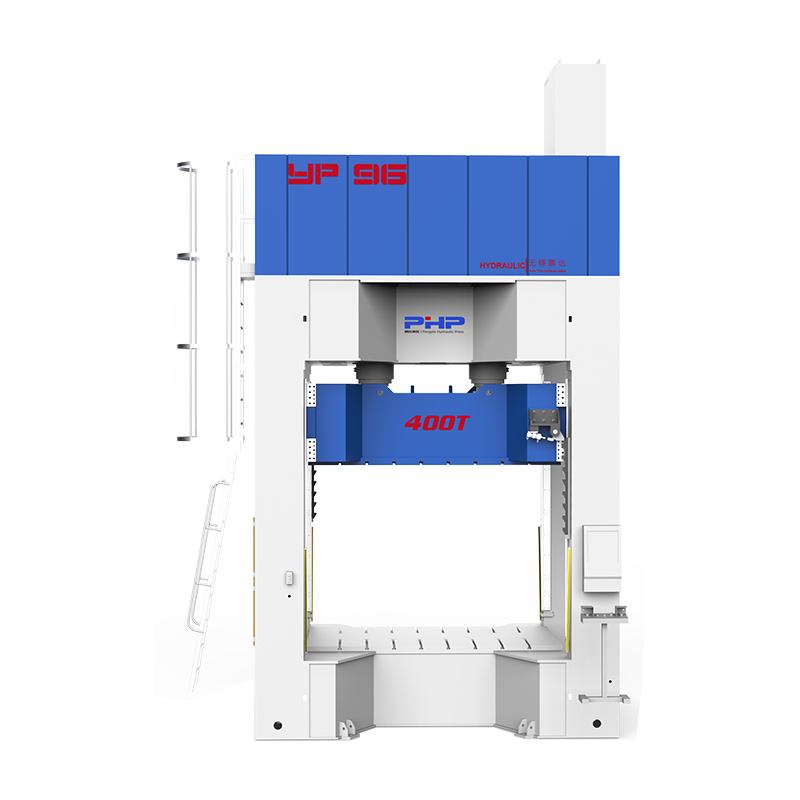
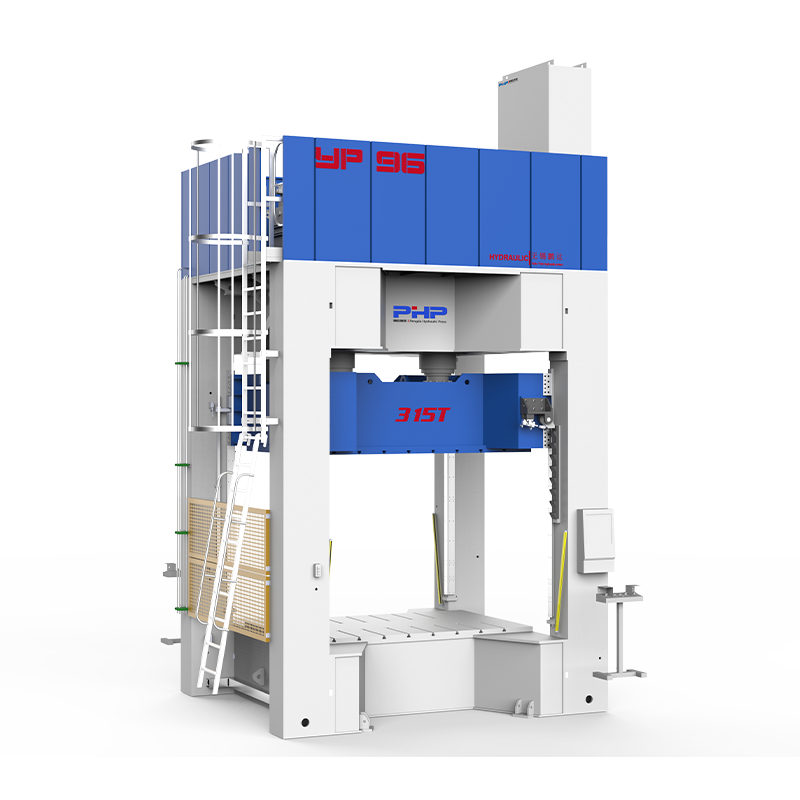
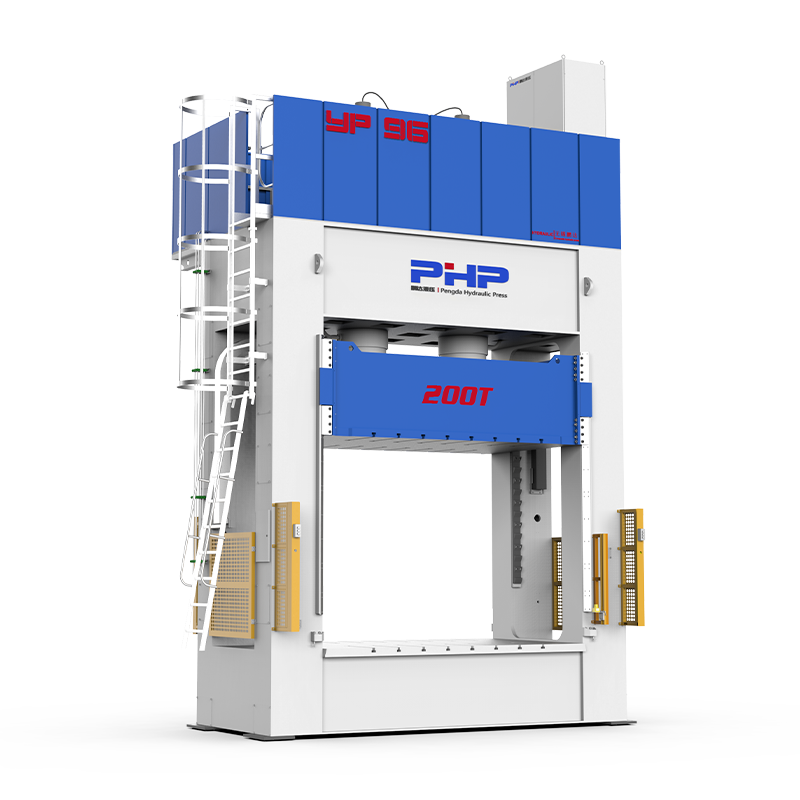


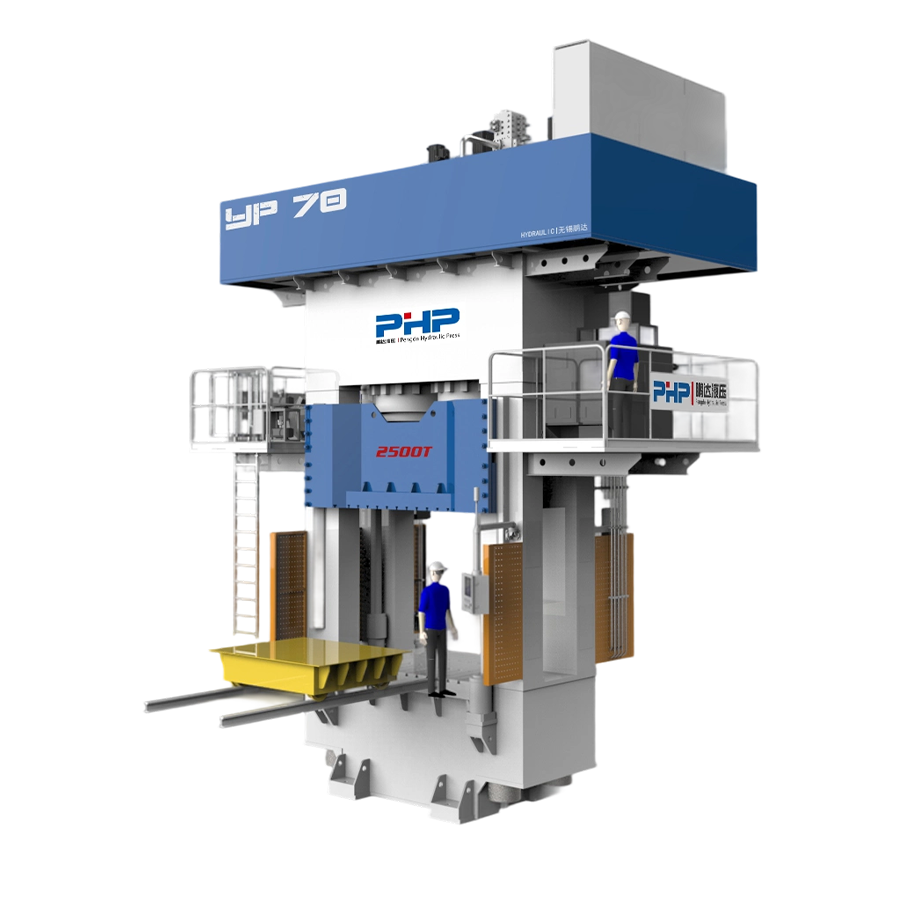
SMC press is a molding equipment specially used for the processing of sheet molding compounds. It features stable pressure output and precise temperature control, serving as the core production equipment in the composite material manufacturing field. It can mass-produce molded products with high strength and stable dimensional accuracy. It effectively reduces raw material loss and improves product yield, occupying an irreplaceable position in modern lightweight industrial production. Reasonably matching process parameters and conducting routine maintenance can ensure the long-term stable operation of the equipment and bring stable economic benefits to production.
Content
Basic Working Principle of SMC Press
The equipment completes integrated molding operations relying on hydraulic power transmission combined with an electric constant temperature control system. The entire production process is divided into three major stages with a smooth and orderly connection of processes.
1. Mold Preheating Stage
The upper and lower molds can be evenly heated to the set temperature, creating basic conditions for the chemical curing reaction of the sheet molding compound and eliminating various defective products caused by uneven heating.
2. Pressurization and Mold Filling Stage
After the raw materials are placed in position, the equipment quickly closes the mold and applies uniform pressure to ensure that the raw materials fill the mold cavity.
3. Curing and Molding Stage
In a production environment with constant temperature and pressure, the raw materials complete the curing reaction within a specified time. After molding, the equipment releases pressure and opens the mold, and the finished workpiece is taken out, thus realizing automatic cyclic production.
Main Performance Advantages
Compared with traditional molding mechanical equipment, the SMC press has more prominent practical advantages in actual production:
1. High control precision, stable operation, and reliable compliance of finished product dimensional tolerances
2. Wide application range, adjustable parameters to meet the molding requirements of different products
3. Optimized energy consumption structure, lower operation cost, and green and environmentally friendly production process
4. Sturdy overall structure, strong load-bearing capacity, and long-term stable and continuous operation
Mainstream Industrial Application Fields
With excellent molding effect, the equipment is widely used in various mainstream industrial sectors. In the field of new energy vehicle manufacturing, it is mostly used to produce lightweight body accessories and battery protective shells to achieve vehicle weight reduction and energy saving; in the electrical industry, it can process insulating shells and high-voltage protective components with excellent insulation and corrosion resistance; in the construction and rail transit industries, it is used to produce weather-resistant structural parts and lightweight interior accessories, which are durable and suitable for long-term complex operating environments.
Basic Parameter Matching Criteria
Pressure, temperature, and curing time are the three core control factors that directly determine the quality of the final finished product.
Basic Parameter Matching Reference Table
| Product Type | Pressure Gear | Temperature Gear | Curing Time |
| Thin-walled Workpiece | Medium Pressure | Medium and High Temperature | Short-time Curing |
| Thick Structural Part | High Pressure | Medium Temperature | Long-time Curing |
On-site operators can fine-tune the parameter values according to the actual raw material formula to effectively avoid common production defects such as bubbles, deformation, and incomplete curing.
Standardized Operation and Daily Maintenance
Strictly following the standardized operation process can effectively reduce the risks of production operations. Before starting the equipment, check the oil circuit, heating system, and mold fixing status, set the production parameters, and complete mold preheating; accurately place the raw materials and start the automatic molding program, take out the finished products, and clean the operation site after production.
In daily maintenance, it is necessary to keep the equipment body and molds clean at all times, regularly inspect hydraulic components and heating elements, add lubricating oil to moving parts on time, and calibrate the control system periodically. Once abnormal conditions such as unstable pressure and temperature deviation occur during the operation of the equipment, the machine must be stopped immediately to troubleshoot faults and ensure the smooth and orderly development of production work.
Industry Development Trend
With the continuous development and upgrading of the composite material industry, SMC presses are gradually upgrading and iterating in the direction of intelligence, energy saving, and multi-function integration. The new generation of equipment can realize automatic recording of production data and independent fault detection, greatly reducing the difficulty of manual operation. At the same time, through optimized structural design, the equipment further shortens the molding cycle and comprehensively improves the overall production efficiency. In the future, it will gain a broader application space in more lightweight manufacturing fields.