English
 中文简体
中文简体 Español
 Português
 Deutsch
 русский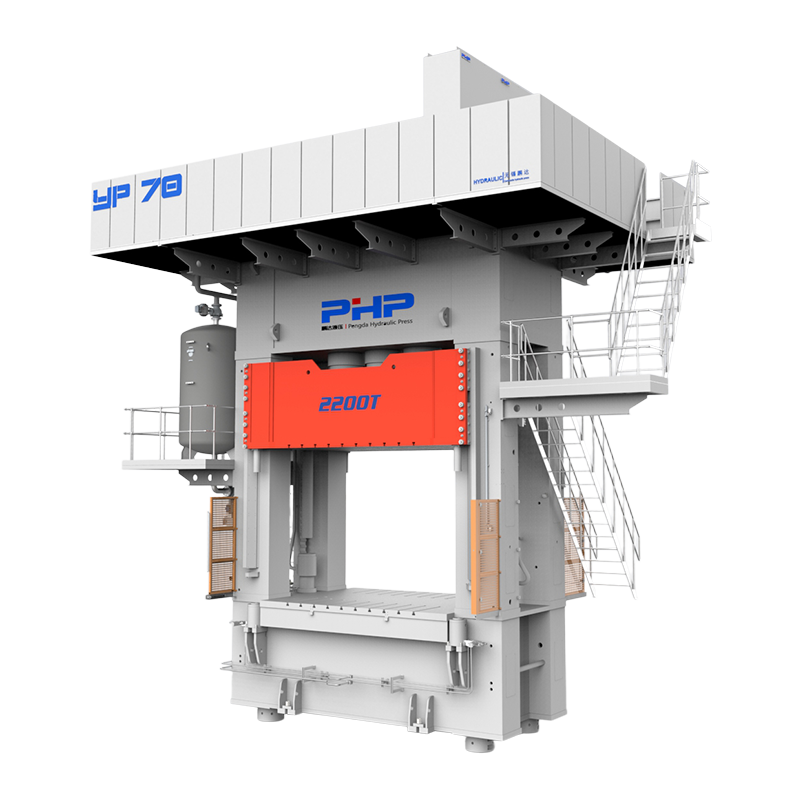

Content
- 1 What Is a Hydraulic Molding Press and How Does It Work?
- 2 Why Are Hydraulic Molding Presses Important in Manufacturing?
- 3 How Does a Hydraulic Molding Press Work?
- 4 What Are the Common Types of Hydraulic Molding Presses?
- 5 What Materials Can a Hydraulic Molding Press Process?
- 6 How to Choose a Suitable Hydraulic Molding Press?
- 7 What Are the Advantages of Using a Hydraulic Molding Press?
- 8 Conclusion: Why Is a Hydraulic Molding Press a Valuable Manufacturing Solution?
What Is a Hydraulic Molding Press and How Does It Work?
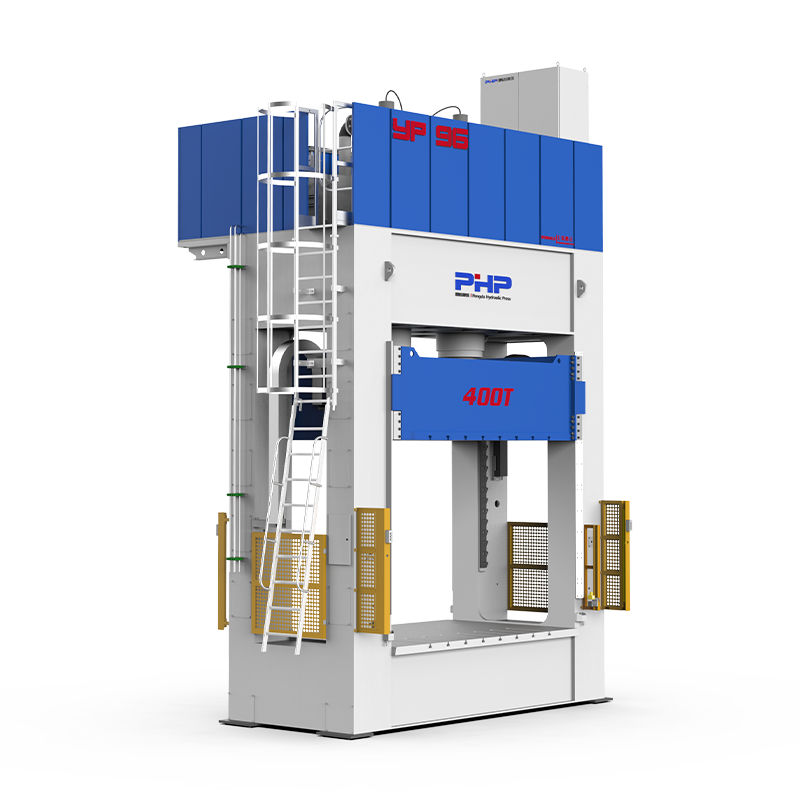
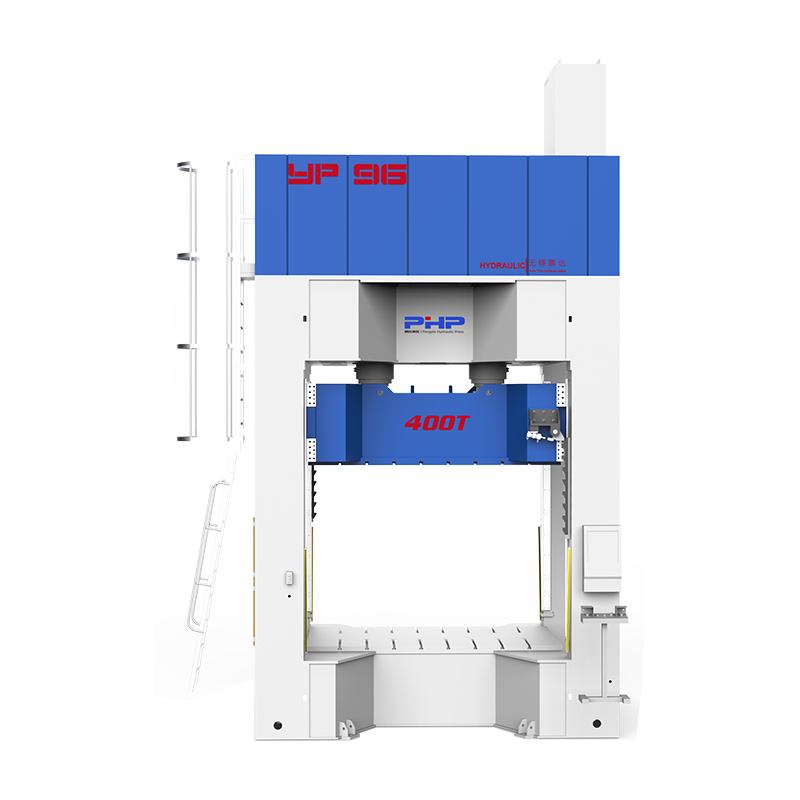
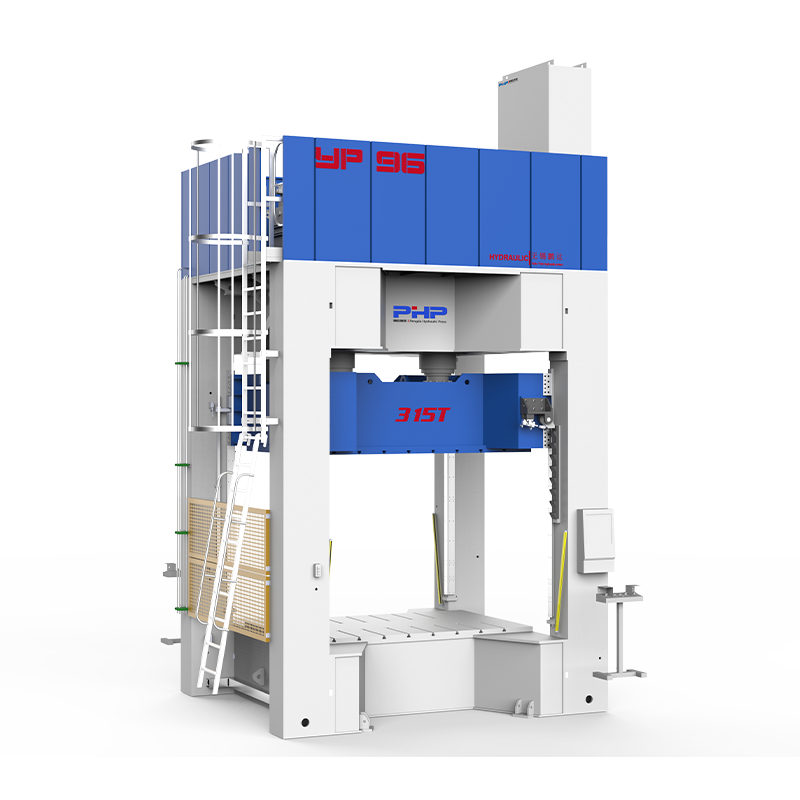
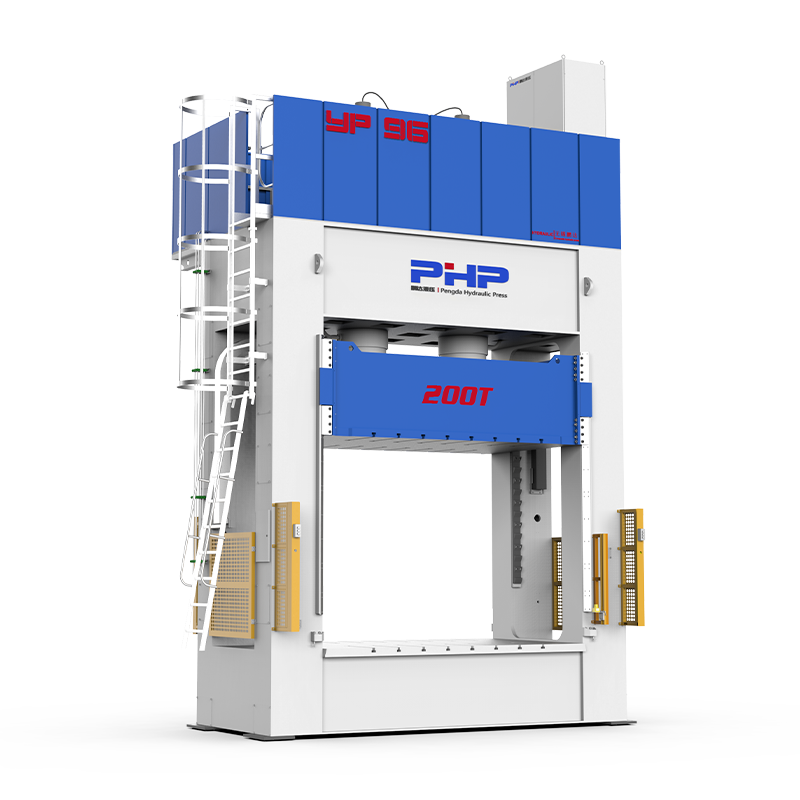
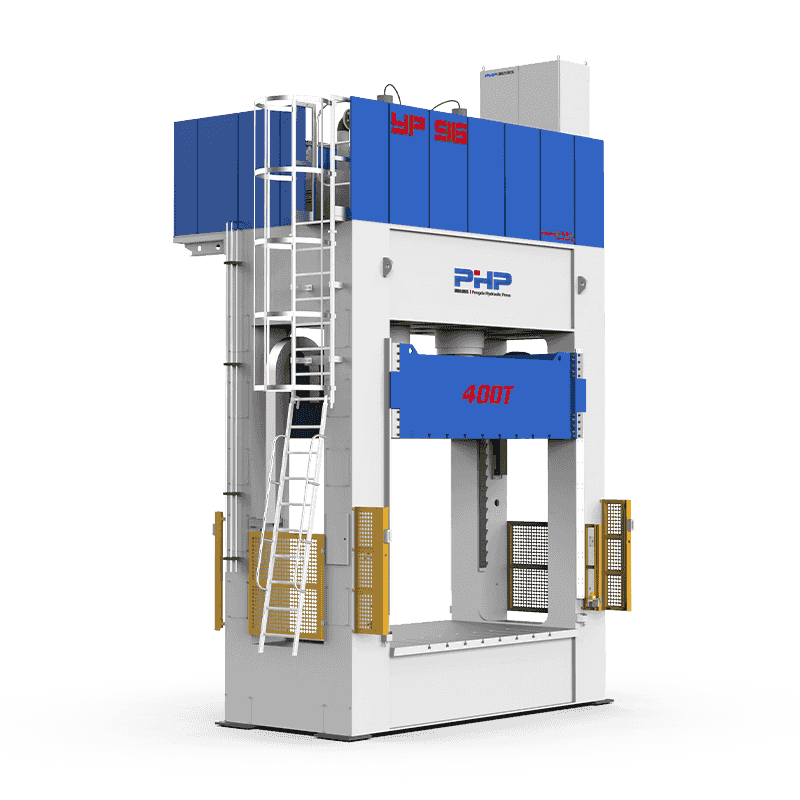
A hydraulic molding press is a machine that uses hydraulic pressure to shape, compress, form, or consolidate materials into specific designs and structures. It is widely used in manufacturing industries where consistent pressure, accurate forming, and stable production quality are required.
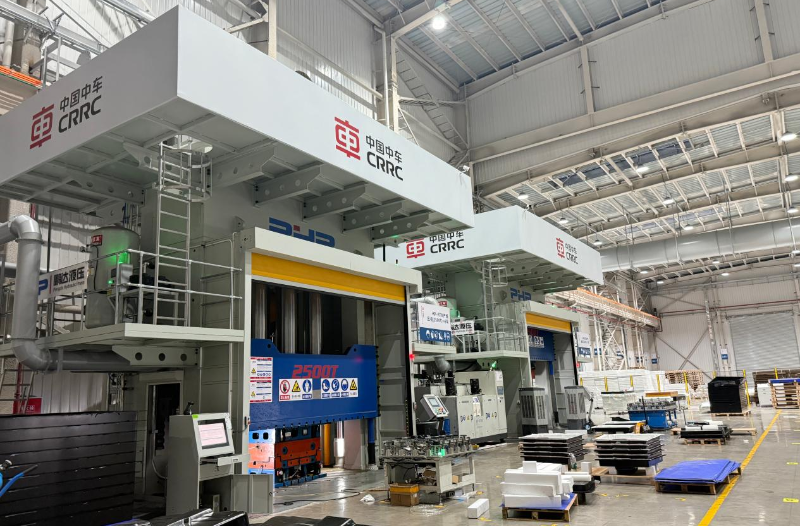
The basic working principle of a hydraulic molding press is converting hydraulic energy into mechanical force. A hydraulic system pushes a piston through pressurized fluid, generating strong and controlled pressure on the material placed inside the mold. Compared with manual or mechanical forming methods, hydraulic molding presses provide more stable force distribution and better control during the molding process.
For example, when producing composite parts, rubber components, plastic products, or metal-formed parts, the hydraulic molding press can maintain consistent pressure throughout the molding cycle. This helps reduce defects caused by uneven compression and improves overall product reliability.
Why Are Hydraulic Molding Presses Important in Manufacturing?
The importance of hydraulic molding presses comes from their ability to provide precise pressure control, flexible operation, and reliable production performance. Many manufacturing processes require materials to be shaped under specific pressure conditions, and hydraulic systems can meet these requirements more effectively.
Stable Pressure Application
One of the biggest advantages of hydraulic molding presses is stable pressure output. The hydraulic system can maintain pressure during the forming process, allowing materials to achieve better density and structural strength.
Improved Product Consistency
Manufacturers often need thousands of products with similar dimensions and performance characteristics. A hydraulic molding press helps achieve consistent results by controlling pressure, temperature, and molding time more accurately.
- Reduces variations between products.
- Improves material utilization.
- Supports complex molding designs.
How Does a Hydraulic Molding Press Work?
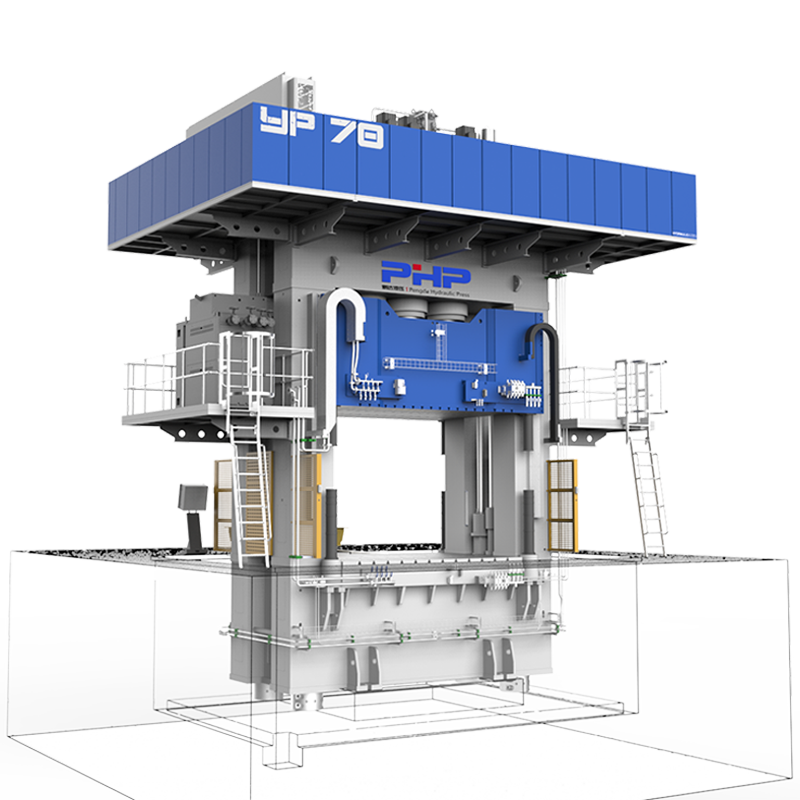
A hydraulic molding press usually consists of several important components, each part of which works together to complete the molding operation.
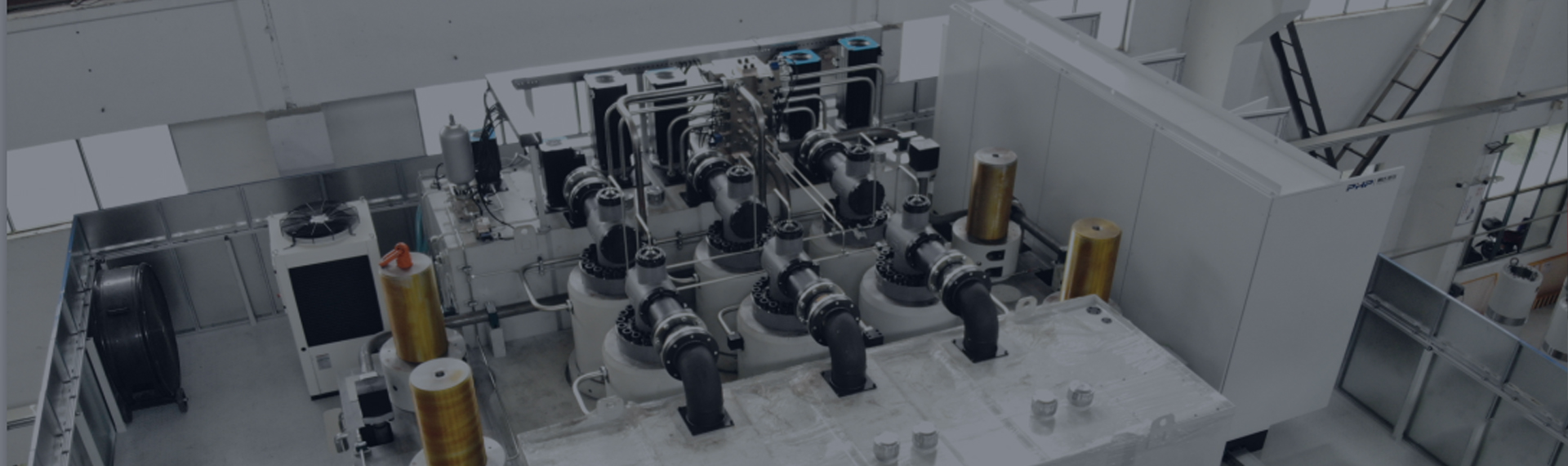
- The hydraulic pump generates fluid pressure and transfers energy through the hydraulic system.
- The hydraulic cylinder converts fluid pressure into mechanical movement.
- The pressing plate applies force to the material inside the mold.
- The material changes shape according to the mold design under controlled pressure.
- After completing the molding cycle, the finished part is removed for inspection or further processing.
This process allows manufacturers to handle materials that require high compression force or precise shaping conditions.
What Are the Common Types of Hydraulic Molding Presses?
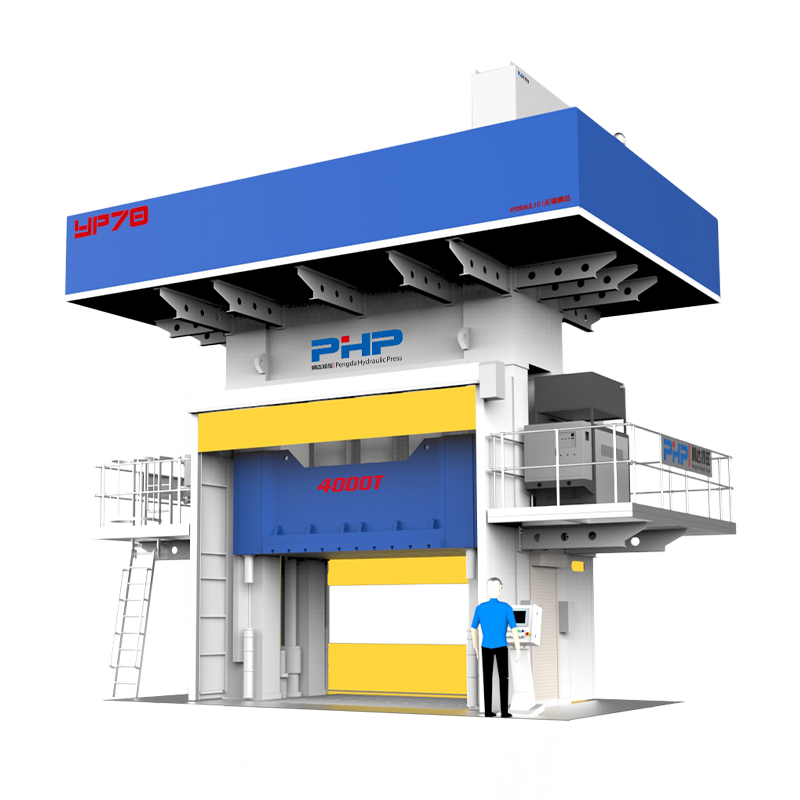
Hydraulic molding presses can be classified according to their structure, application, and operating requirements. Different types are designed for different production environments.
Common hydraulic molding press types and their typical applications
| Type | Main Features | Typical Uses |
| Compression Hydraulic Press | Applies pressure to compress materials inside molds | Composite parts, rubber products, molded components |
| Hot Hydraulic Press | Combines heat and pressure during molding | Thermal forming and heat-sensitive materials |
| Custom Hydraulic Press | Designed according to special production requirements | Specialized industrial manufacturing |
What Materials Can a Hydraulic Molding Press Process?
Hydraulic molding presses are suitable for a wide range of materials because they can provide adjustable pressure and controlled forming conditions.
- Composite materials: Used for producing lightweight and strong structural components.
- Rubber materials: Suitable for forming seals, industrial parts, and molded rubber products.
- Plastic materials: Used for compression molding and shaping plastic components.
- Metal materials: Applied in certain forming and pressing processes.
The ability to process different materials makes hydraulic molding presses valuable in industries that require flexible production capabilities.
How to Choose a Suitable Hydraulic Molding Press?
Choosing the right hydraulic molding press requires evaluating production requirements, material characteristics, and operating conditions. A suitable machine should match the actual manufacturing process instead of focusing only on maximum pressing capability.
- Consider the type and size of materials being molded.
- Evaluate required pressure levels and molding speed.
- Check whether temperature control is necessary.
- Select a structure that fits production space and workflow requirements.
- Consider maintenance convenience and long-term operating stability.
A well-selected hydraulic molding press can improve production efficiency, reduce material waste, and maintain stable product quality over long-term operation.
What Are the Advantages of Using a Hydraulic Molding Press?
Hydraulic molding presses continue to be widely adopted because they offer several practical benefits for modern manufacturing.
- High forming accuracy: Controlled pressure helps achieve consistent product dimensions.
- Strong adaptability: One machine can often handle different molding requirements through adjustments.
- Reliable performance: Hydraulic systems provide stable force output for demanding applications.
- Reduced production defects: Better control reduces problems caused by uneven forming pressure.
Conclusion: Why Is a Hydraulic Molding Press a Valuable Manufacturing Solution?
A hydraulic molding press is an essential manufacturing machine that uses controlled hydraulic force to shape and compress materials efficiently. Its ability to provide stable pressure, flexible operation, and consistent molding quality makes it suitable for many industrial applications.
For manufacturers seeking reliable forming performance, a hydraulic molding press provides an effective solution for improving product consistency, production efficiency, and material utilization. Understanding its working principle, types, applications, and selection factors helps businesses choose equipment that better matches their production goals.