English
 中文简体
中文简体 Español
 Português
 Deutsch
 русский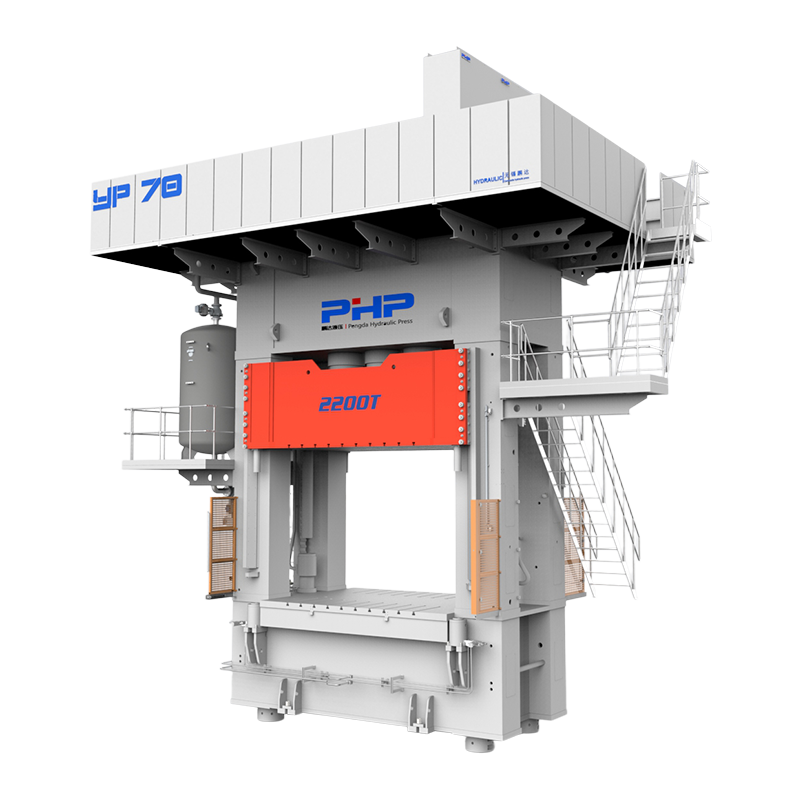
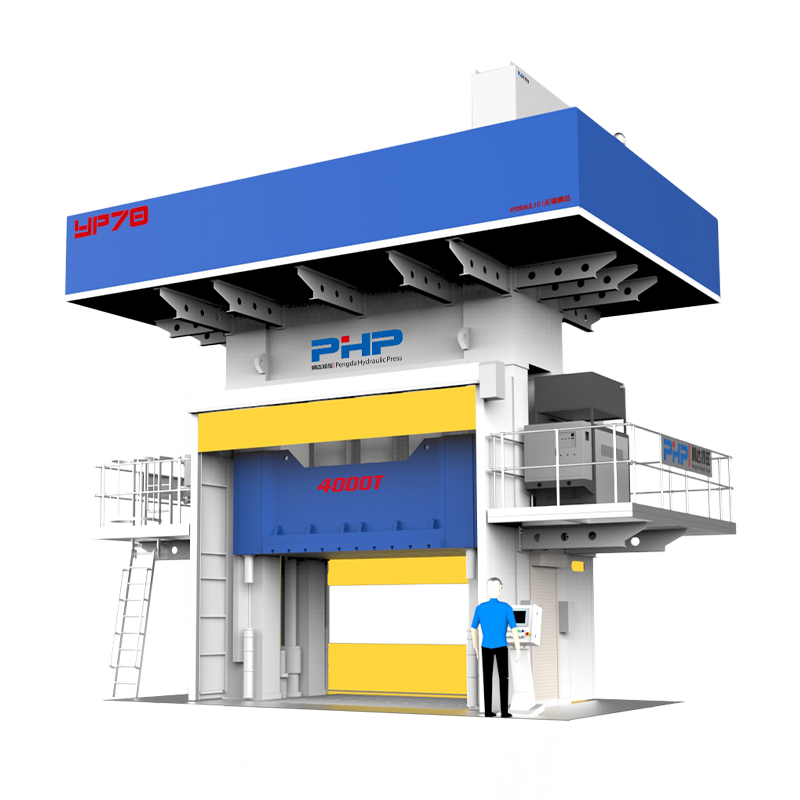
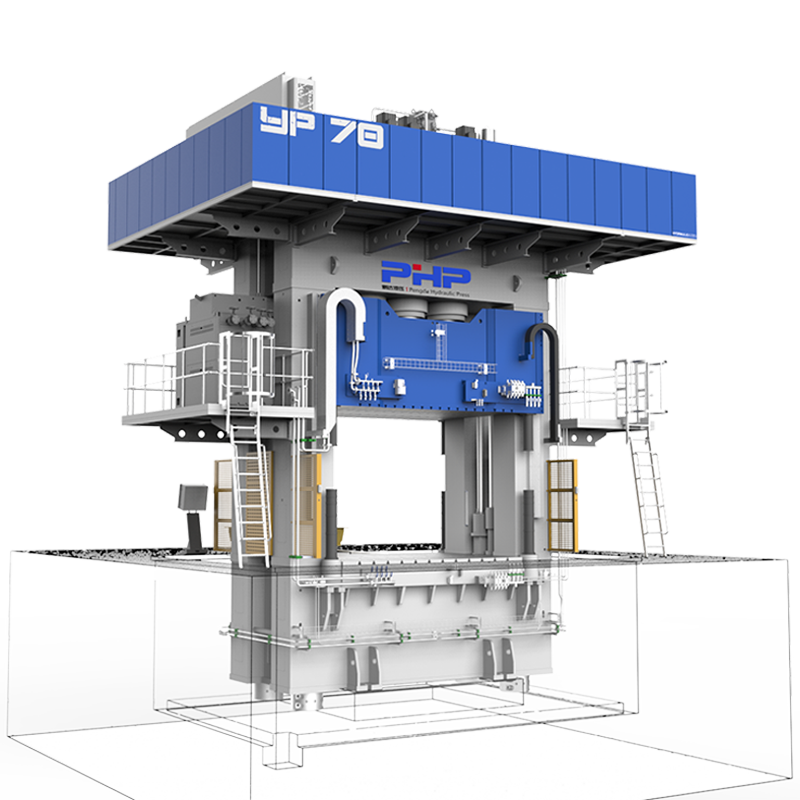
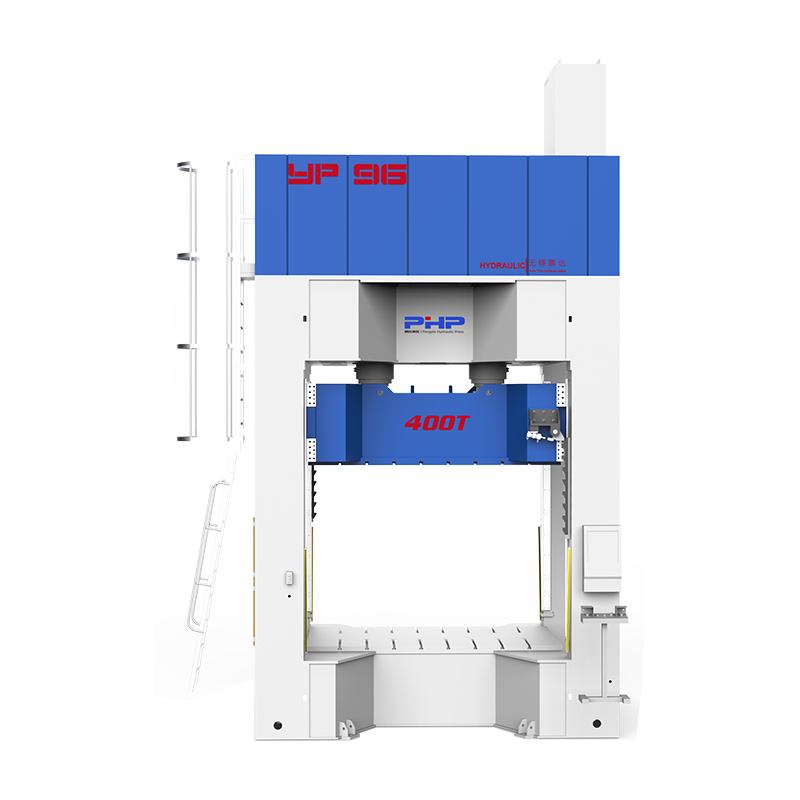
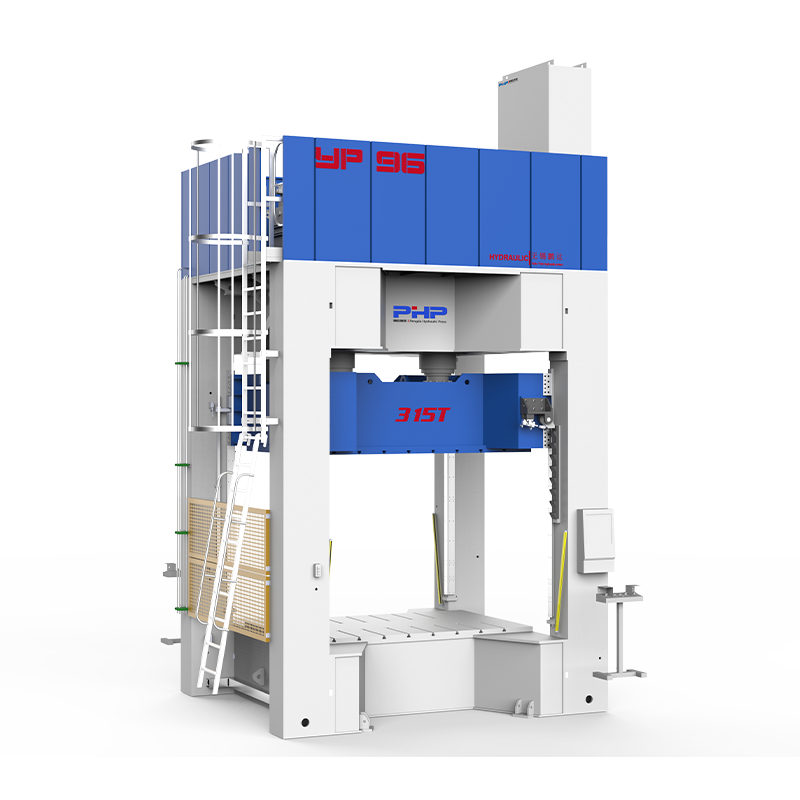
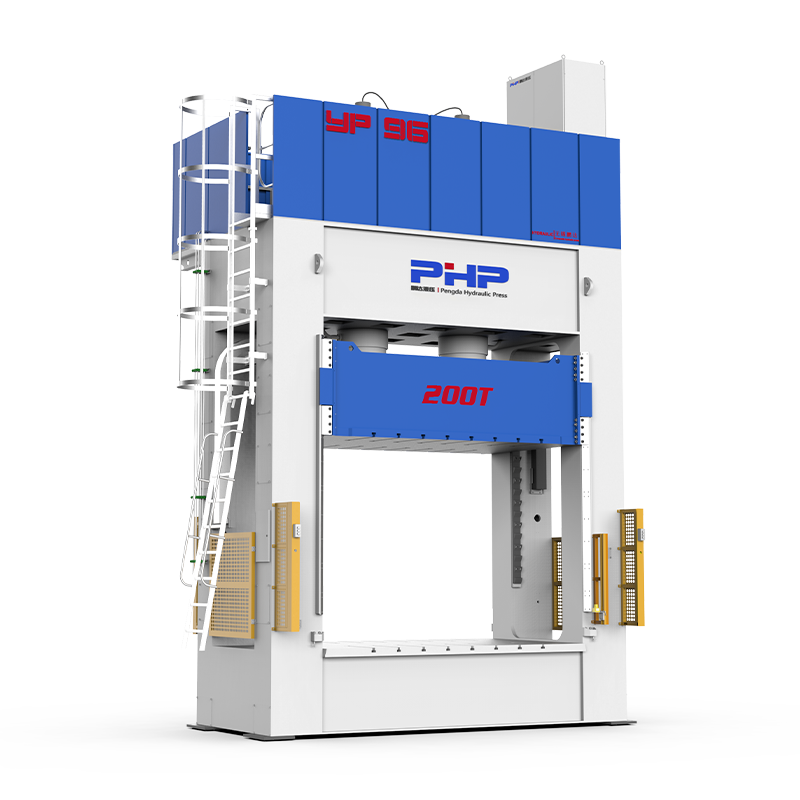

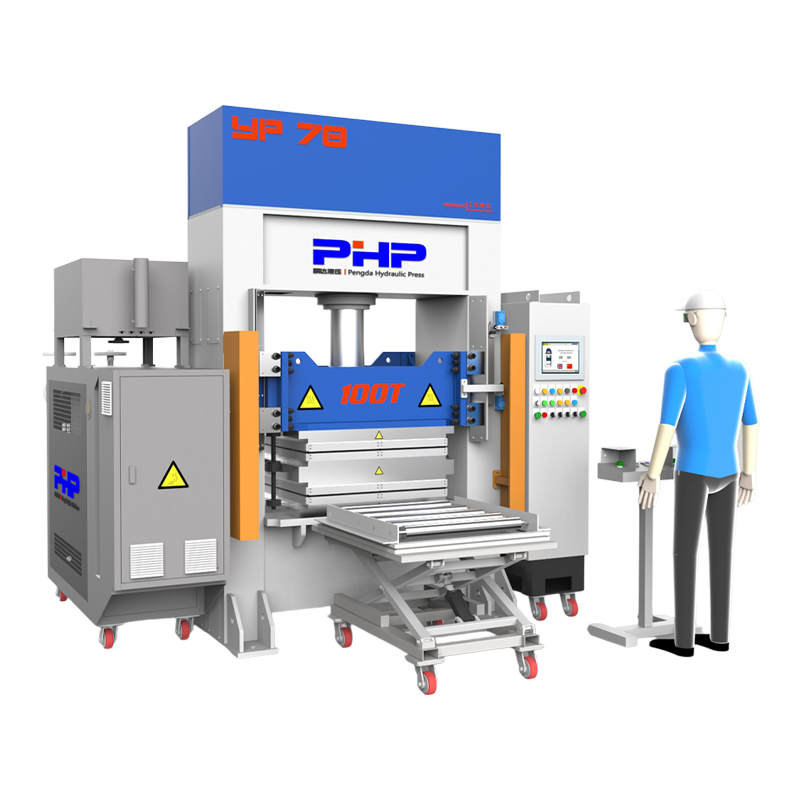
Auto Trim Press at a Glance
- Common applications include automotive headliners, door panels, carpets, seat backs, trunk parts and sound-insulation components.
- The most important selection factors include tonnage, table size, maximum opening, stroke, speed profile and temperature control.
- Servo-hydraulic control can provide more flexible pressure and speed programming for automated production.
- Machine selection should begin with the actual part, material, mold and required cycle time rather than a catalog tonnage rating.
An auto trim press is more than a machine used to remove excess material from a finished component. In modern automotive interior production, a servo auto trim hydraulic press can support multiple operations such as forming, laminating, compounding, punching, heating and trimming within an integrated manufacturing process.
For automotive OEMs, Tier 1 suppliers and interior component manufacturers, press selection has a direct impact on part quality, cycle time, tooling flexibility, labor requirements and long-term operating cost. Choosing the correct machine therefore requires a full evaluation of the component and manufacturing process.
What Is an Auto Trim Press and What Automotive Parts Can It Produce?
An automotive auto trim press uses controlled hydraulic force to form and finish interior components. Depending on the tooling and production process, a single press can perform several stages during one cycle.
For example, an automotive headliner may require material heating, positioning, rapid mold closing, controlled forming pressure, dwell time, trimming or punching and automatic slide return before unloading.
Automotive Headliners
Large-area interior parts may require heating, forming, laminating and trimming with uniform pressure distribution across a wide working table.
Door Panels
Thermoplastic or fiber-reinforced panels can require controlled forming, punching and repeatable trimming positions.
Carpets
PET, felt and nonwoven structures typically require adequate mold opening, controlled heating and efficient forming cycles.
Seat Backs
Composite seat-back components benefit from stable forming pressure, repeatable dwell time and consistent mold positioning.
Trunk Components
Spare wheel covers, trunk floors and related parts may combine compression forming with punching and edge trimming.
Sound Insulation Parts
Felt, foam and fiber structures often require a large platen, reliable repeatability and efficient cutting or punching.
| Typical Part | Common Material Structure | Typical Process | Important Press Requirement |
| Headliner | Fabric, foam and composite substrate | Heating, forming, laminating, trimming | Large table, uniform pressure, temperature control |
| Door panel | Thermoplastic / fiber composite | Forming, punching, trimming | Repeatable pressure and position control |
| Automotive carpet | PET, felt or nonwoven | Heating, forming, edge trimming | Opening height and efficient cycle time |
| Seat back | Natural-fiber / thermoplastic composite | Compression forming, trimming | Stable force distribution |
| Trunk / spare wheel cover | Fiber-reinforced thermoplastic | Compression, punching, trimming | Tonnage, mold size and opening height |
| Sound insulation pad | Felt, foam or fiber composite | Compression, punching, cutting | Large working area and repeatability |
Key Auto Trim Press Specifications: Tonnage, Bed Size, Stroke and Cycle Time
Two presses with the same nominal tonnage can perform very differently in an automotive trim application. The complete working envelope, speed profile and control architecture must be compared.
Key Specifications at a Glance
Defines the available forming, compression, punching and trimming force.
Must accommodate the complete mold footprint, clamps and service clearance.
Determines vertical space for tooling, material loading and part removal.
Defines available tooling movement and contributes directly to cycle design.
Fast approach, pressing and return speeds should be evaluated separately.
Important where forming temperature affects material flow, bonding or surface quality.
Engineering Note — Cycle Speed Is More Than One Number
A useful auto trim press specification should distinguish between fast approach speed, controlled pressing speed, dwell time and return speed.
A very high fast-down speed provides little production benefit if the process itself requires a long heating or pressure-holding stage. The entire cycle must be evaluated.
Conventional Hydraulic vs. Servo-Hydraulic Auto Trim Press
“Servo” and “hydraulic” should not be treated as completely separate technologies. A servo-hydraulic press still produces force hydraulically, but uses a servo-controlled drive system to regulate hydraulic output more closely according to process demand.
| Comparison Factor | Conventional Hydraulic | Servo-Hydraulic |
| Speed programming | Suitable for standard press cycles | More flexible multi-stage control |
| Pressure adjustment | Suitable for conventional applications | More flexible recipe-based control |
| Partial-load operation | Depends strongly on hydraulic system design | Output can more closely follow process demand |
| Recipe flexibility | Moderate | High |
| Automation suitability | Can be integrated | Well suited to programmable automated lines |
| Control-system complexity | Generally lower | Generally higher |
How to Select the Right Auto Trim Press for Your Part
Press sizing should begin with the finished component and tooling. The machine should then be configured backward from actual process requirements.
Define the Part
Confirm the finished dimensions, material structure, thickness, number of layers, forming temperature and production volume.
Define the Mold
Provide mold dimensions, height and weight together with clamping arrangements, heating connections, sensors and maintenance clearance.
Estimate Forming and Trimming Force
Evaluate projected forming area, required specific pressure, cutting perimeter, material structure, blade geometry and cutting clearance.
Calculate the Required Cycle Time
Include loading, fast approach, pressing, dwell, punching or trimming, return movement and unloading rather than looking only at slide speed.
Define Automation Requirements
Confirm manual or robotic handling, EOAT clearance, sensors, mold-change strategy and communication with the production-line PLC.
Engineering Note — Preliminary Tonnage Calculation
For basic compression forming, preliminary force can be estimated from projected forming area × required specific pressure.
This calculation should not be used alone for final machine sizing because trimming force is also affected by material construction, total cutting length, tool geometry and cutting clearance.
Example: Why Cycle Time Matters
Consider a production line operating one eight-hour shift for 250 working days per year. A theoretical 60-second cycle allows 480 cycles per shift, while a 45-second cycle allows 640.
At an assumed 75% effective production utilization, the difference can represent approximately 30,000 additional cycles per year.
What Information Should You Send to the Press Manufacturer?
Automation Integration, Installation and U.S. Machine Safety
An auto trim press is increasingly installed as one station within a larger manufacturing cell. The press may interact with material-heating equipment, robots, transfer systems, conveyors, tooling stations and upstream or downstream controls.
Robot and Production-Line Integration
Before purchasing a press, the project team should clearly define the interface responsibilities between the press builder, tooling supplier, robot integrator and plant controls team.
Depending on the customer's automation platform, industrial communication can be designed around protocols such as PROFINET, EtherNet/IP or other plant-specified interfaces. The exact control architecture should be confirmed during project engineering.
Factory Preparation Before Delivery
U.S. Plant Safety Considerations
For a press installed in the United States, machine guarding and hazardous-energy control should be addressed during machine and production-cell design rather than added only after installation.
Relevant considerations can include OSHA machine-guarding requirements, Lockout/Tagout procedures, applicable ANSI B11 machinery safety guidance and NFPA 79 electrical requirements for industrial machinery.
Typical Press Safety Review Checklist
Maintenance and Total Cost of Ownership
The purchase price of an auto trim press represents only one part of its lifetime cost. For high-volume automotive production, energy use, labor requirements, tooling maintenance, spare-part availability and downtime may have a larger long-term impact.
Do Not Compare Purchase Price Alone
A useful TCO comparison should consider:
- Machine and tooling investment
- Automation and robot integration
- Energy consumption
- Operators required per shift
- Tool change and setup time
- Preventive maintenance
- Spare-part availability
- Cost of unplanned downtime
| TCO Item | What Buyers Should Evaluate |
| Press investment | Tonnage, working table, servo system, heating and controls |
| Tooling | Forming mold, trim die, fixtures and mold-change equipment |
| Automation | Robot, EOAT, conveyors, transfer systems and safety cell |
| Energy | Hydraulic demand, heating load, duty cycle and idle operation |
| Labor | Operators per shift and manual handling requirements |
| Maintenance | Oil, filters, seals, sensors, valves and scheduled service |
| Downtime | Diagnostics, spare parts, service support and repair time |
Recommended Preventive Maintenance Schedule
Check abnormal noise, hydraulic leakage, machine alarms, guards and obvious damage.
Inspect hydraulic connections, sensors, tooling alignment and lubrication points.
Review filters, fluid condition, electrical connections, heating circuits and alarm history.
Inspect cylinders, seals, pressure sensors and safety functions, and maintain PLC/HMI backups.
Recommended Spare-Part Categories
A practical spare-parts plan can reduce downtime significantly, particularly for production plants operating multiple shifts or located far from the equipment manufacturer's service center.
How to Choose the Right Auto Trim Press Manufacturer
The right auto trim press should not be selected from a standard equipment list alone. Automotive interior manufacturing often requires close coordination between the part design, material, mold, heating process, trim tooling and automation system.
A capable press supplier should therefore be able to discuss the complete process rather than simply recommend a larger machine whenever more production capacity is requested.
Wuxi PengdaHZ Intelligent Equipment Co., Ltd. develops servo auto trim hydraulic press solutions for automotive interior manufacturing. Applications can include automotive headliners, carpets, seat backs, trunk components, wheel-cover components and related trim products.
Depending on the project, the press can be engineered around forming and trimming requirements, mold heating, servo-hydraulic control and integration with automated production equipment.
Need an Auto Trim Press for Your New Part?
Send PengdaHZ your part drawing, material specification, mold dimensions, required process and target cycle time.
Our engineering team can evaluate the application and recommend an auto trim hydraulic press configuration based on your actual production requirements.
2D / 3D drawing and finished dimensions
Material, heating, forming and trimming
Cycle time, shifts and automation requirements
Frequently Asked Questions About Auto Trim Presses
Start with the part's projected forming area, material structure, required forming pressure and trimming requirements. The working table should then be determined from the complete mold footprint rather than the finished component alone.
Both systems use hydraulic force. A servo-hydraulic system uses servo-controlled hydraulic output to provide more flexible pressure and speed programming during different stages of the production cycle.
Yes. Robot loading and unloading can be integrated when the press provides the required control interfaces, safety signals and physical clearance. Robot payload, reach, EOAT design and required cycle time should be evaluated together.
Requirements vary according to machine size and configuration. Buyers should confirm electrical power, hydraulic-system requirements and any compressed-air requirements for tooling, grippers or auxiliary systems before installation.
Machine guarding, hazardous-energy control, electrical safety and risk assessment should all be reviewed. Depending on the installation, OSHA requirements, applicable ANSI B11 machinery-safety guidance and NFPA 79 may be relevant to the machine and automated production cell.
Provide the part drawing, material type and thickness, finished dimensions, mold dimensions and weight, required forming and trimming processes, target cycle time and planned automation method. These details allow a manufacturer to recommend a more accurate machine configuration.